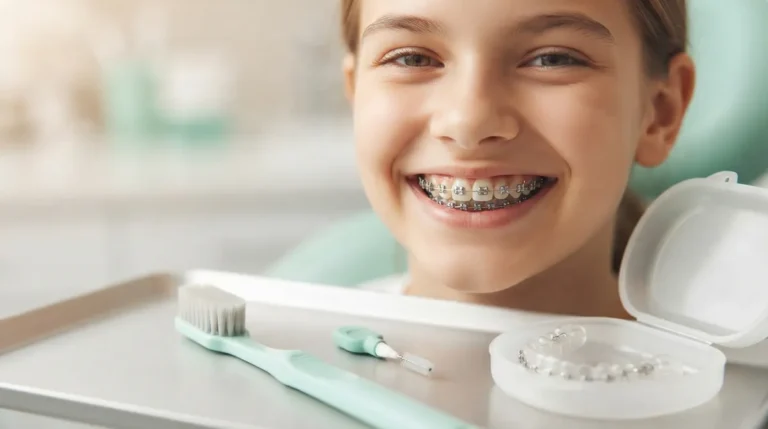
Key Takeaways
-
Untreated underbites can cause jaw pain, TMJ disorders, speech difficulties, and uneven tooth wear—making early evaluation by a board-certified orthodontist critical for preventing long-term complications.
-
Treatment options vary by age: children (6-10) benefit from jaw expanders and facemasks while the jaw is growing, teens use braces or aligners, and adults may need surgery for severe skeletal cases.
-
Clear aligners work best for mild to moderate dental underbites in teens and adults, but severe skeletal underbites typically require braces, expanders, or jaw surgery combined with braces.
-
Early intervention is key—children evaluated by age 7 have simpler, more effective treatment because the jaw is still responsive to growth-guiding appliances like expanders and facemasks.
-
Treatment duration ranges from 6-18 months for mild cases with aligners to 2-3 years for severe skeletal underbites requiring surgery plus braces; wearing a retainer afterward is essential to prevent relapse.
-
Adults can successfully correct underbites at any age with modern discreet options like clear aligners and braces, offering improved function, reduced jaw pain, and increased confidence regardless of timing.
If you’ve ever looked in the mirror and noticed your lower teeth stick out past your upper teeth, you’re not alone. An underbite is one of the most common orthodontic problems that people of all ages deal with. It’s not just a cosmetic concern — an untreated underbite can lead to jaw pain, trouble chewing, and even speech difficulties. The good news? Underbite correction has come a long way, and there are more treatment options available today than ever before.
Whether you’re a parent noticing signs in your child, a young adult wanting to feel more confident, or someone looking to finally address an issue you’ve put off for years — this guide is for you. We’ll walk through what causes an underbite, why it matters to fix it, and what your treatment options look like at every stage of life. Let’s dive in!
What Exactly Is an Underbite?
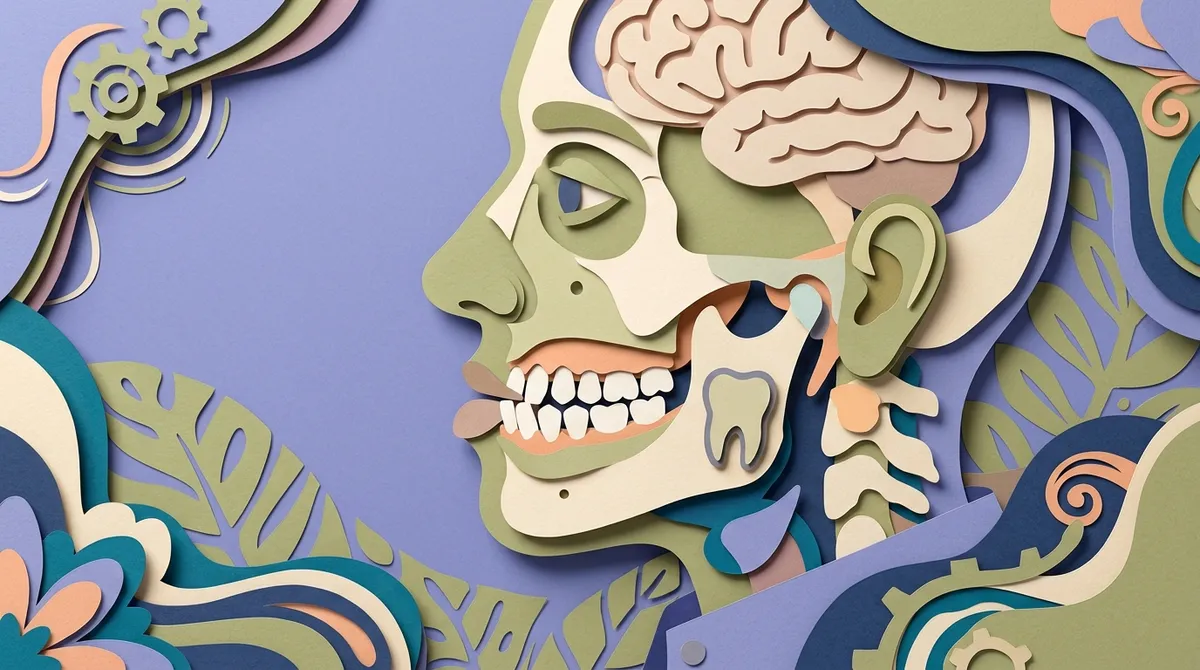
An underbite happens when the lower jaw juts forward so that the lower front teeth sit in front of the upper front teeth when you close your mouth. Orthodontists call this a Class III malocclusion. It can range from very mild — where the teeth barely touch in the wrong position — to quite severe, where the lower jaw visibly protrudes.
It’s worth knowing that an underbite isn’t always just a tooth alignment issue. Sometimes it’s a skeletal problem, meaning the jaw bones themselves are the root cause. Other times, it’s mainly a dental issue caused by how the teeth have erupted. This distinction matters a lot when it comes to choosing the right correction method.
What Causes an Underbite?
Understanding the cause helps set the right expectations for treatment. Here are the most common reasons an underbite develops:
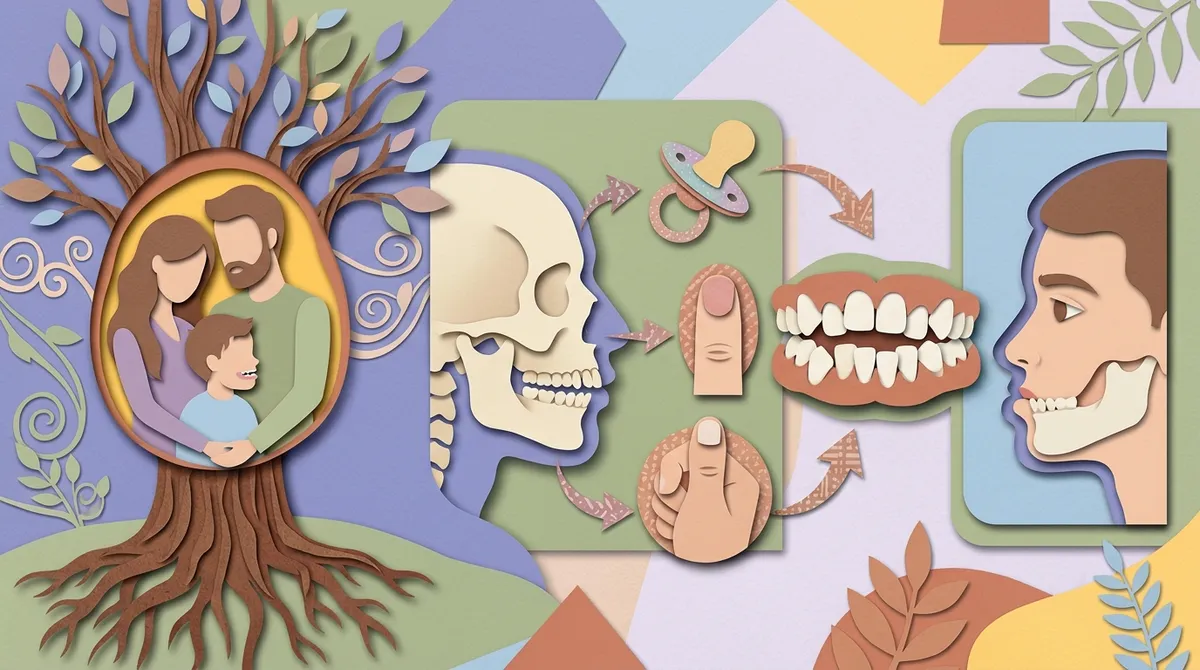
- Genetics: Jaw structure is largely inherited. If a parent has an underbite, children have a higher chance of developing one too.
- Childhood habits: Prolonged thumb-sucking, pacifier use past age 3, or pushing the tongue against the teeth can affect jaw development.
- Mouth breathing: Long-term mouth breathing can alter how the jaw grows over time.
- Dental crowding: When teeth don’t come in straight, they can shift the bite into an underbite position.
- Injury or trauma: A significant jaw injury can sometimes cause or worsen an underbite.
No matter the cause, the most important step is getting an early evaluation. Visiting a board-certified orthodontist gives you access to expert assessment and a personalized plan.
Why Underbite Correction Matters
Some people wonder if they really need to fix an underbite if it doesn’t bother them. The truth is, leaving it untreated can cause more issues over time. Here’s why correction is worth it:
- Uneven wear on teeth, which can weaken enamel
- Jaw pain and TMJ (temporomandibular joint) disorders
- Difficulty chewing certain foods
- Speech problems, including a lisp
- Self-consciousness about appearance
- Sleep-related breathing issues in some cases
The sooner an underbite is addressed, the easier it typically is to treat. That’s why early orthodontic treatment for children is so valuable — catching it young means working with the natural growth of the jaw.
Underbite Correction by Age Group
The best approach to underbite correction depends a lot on the patient’s age. Here’s a simple breakdown:
| Age Group | Best Treatment Options | Why It Works Best |
|---|---|---|
| Children (6–10) | Upper jaw expanders, facemask therapy | Jaw is still growing and highly responsive |
| Teens (11–17) | Braces, clear aligners, functional appliances | Growth is still occurring; teeth move easily |
| Adults (18+) | Braces, clear aligners, jaw surgery (severe cases) | Focuses on teeth alignment; jaw surgery if skeletal |
Top Underbite Correction Options
Let’s look at the most common and effective treatments available today. Your orthodontist will help determine which is the right fit based on the severity and cause of your underbite.
1. Braces for Underbite Correction
Traditional braces remain one of the most reliable tools for correcting an underbite. They work by using brackets, wires, and elastics to gradually move teeth into the correct position. For underbites, orthodontists often use special rubber bands that attach between the upper and lower braces to help shift the bite forward.
Modern options like LightForce Orthodontics use custom 3D-printed brackets for a more precise and comfortable fit. There are also fun and expressive choices like WildSmiles Braces, which are popular with younger patients. You can explore all the choices by checking out the full range of types of braces available.
2. Clear Aligners
For mild to moderate underbites, clear aligners are a popular choice, especially among teens and adults who prefer a discreet option. These custom-made, removable trays gently shift teeth over time. They’re nearly invisible and can be taken out for eating and brushing — a major win for busy professionals and image-conscious young adults.
Keep in mind that clear aligners work best for dental underbites (where the teeth are the primary issue) rather than severe skeletal cases. Your orthodontist will advise you honestly on whether aligners are a good fit for your specific situation.
3. Upper Jaw Expanders
A palatal expander is often used in younger children to widen the upper jaw. This allows more space for the upper teeth to move forward, which can correct a mild underbite before it gets worse. The expander is typically worn for several months and works best while the jaw is still developing.
4. Reverse-Pull Facemask
This device is used almost exclusively in children under 10. The facemask attaches to the upper jaw and uses gentle pulling forces to encourage forward growth. It looks a bit unusual, but it can be highly effective when used at the right age and stage of development.
5. Jaw Surgery (Orthognathic Surgery)
For adults with a severe skeletal underbite, jaw surgery — also called orthognathic surgery — may be necessary. This is typically done in combination with braces or aligners and is planned in partnership between an orthodontist and an oral surgeon. While it sounds intimidating, the results can be life-changing, dramatically improving both function and appearance.
Step-by-Step: What to Expect During Underbite Treatment
Not sure what the process looks like? Here’s a simple overview from start to finish:
- Initial consultation: Your orthodontist evaluates your bite, takes X-rays, and discusses your goals and concerns.
- Treatment planning: A customized plan is created based on your age, severity of the underbite, and whether the issue is dental or skeletal.
- Appliance placement: Whether it’s braces, aligners, or an expander, your orthodontist places the appropriate device.
- Regular checkups: You’ll visit every 6–8 weeks to monitor progress and make adjustments.
- Active treatment completion: Once teeth and bite are in position, active treatment ends.
- Retainer phase: A retainer is worn to keep your results in place long-term.
If you’re curious about what to expect at the very beginning, our guide on your first orthodontic visit is a helpful read before you come in.
How Long Does Underbite Correction Take?
Treatment length varies depending on the severity of the underbite and the method used. Here’s a general idea:
- Mild dental underbite with aligners: 6–18 months
- Moderate underbite with braces: 18–24 months
- Severe underbite with surgery + braces: 2–3 years total
- Children with expanders or facemasks: 6–12 months for the appliance phase, followed by braces later
Patience is key, but the results are absolutely worth it! Most patients notice positive changes in their bite and confidence well before treatment is done.
Underbite Correction for Adults: Is It Too Late?
Absolutely not! Many adults successfully correct their underbites — even those who had treatment earlier and experienced some relapse. Adult orthodontics has grown significantly in 2026, with more discreet and comfortable options than ever. You deserve a smile that feels good and functions well at any age.
The American Board of Orthodontics emphasizes that adult patients can achieve excellent outcomes with proper treatment planning. The key is working with a skilled orthodontist who understands the nuances of treating adult bite issues.
Why Choose Segovia Orthodontics for Underbite Correction
At Segovia Orthodontics in Lakewood Ranch, FL, Dr. Flor Segovia and her team are passionate about helping patients of all ages achieve healthy, functional, and beautiful smiles. As a board-certified orthodontist, Dr. Segovia uses advanced orthodontic technology to create precise, personalized treatment plans. The practice also offers bilingual care in English and Spanish, flexible scheduling, and orthodontic financing options to make treatment accessible for every family.
Whether you’re bringing in a child for early evaluation or finally taking care of your own smile, you’ll feel right at home here. Visit us on Google to read what our patients are saying, and follow along on our Facebook page and our Instagram page for smile transformations and helpful tips.
Taking the First Step Toward a Better Bite
Living with an underbite doesn’t have to be your permanent reality. Whether you’re a parent worried about your child’s development, a young adult ready to feel more confident, or someone who’s been putting this off for years — now is a great time to start. Underbite correction is one of the most rewarding journeys in orthodontics, and the results go far beyond just a better-looking smile. Think improved function, less jaw pain, and a whole lot more confidence.
Learn more about what makes our practice different by visiting our why choose us page, or get answers to common questions on our FAQ orthodontic treatment page. Ready to take that first step? We’d love to meet you — schedule your consultation today and let’s start building the smile you deserve!
FAQs
Q: At what age should underbite correction begin?
A: The earlier the better! The American Association of Orthodontists recommends that children have their first orthodontic evaluation by age 7. Catching an underbite early — while the jaw is still growing — often makes treatment simpler and more effective.
Q: Can clear aligners fix an underbite?
A: Yes, clear aligners can correct mild to moderate dental underbites beautifully! However, severe skeletal underbites may require braces or a combination of braces and surgery. Your orthodontist will let you know which option is the best fit for your specific case.
Q: Is underbite correction painful?
A: Most patients experience some soreness in the first few days after an adjustment or new aligner tray — kind of like muscle soreness after a workout. This discomfort is totally normal and usually fades within a few days. Over-the-counter pain relievers and soft foods help a lot!
Q: Will my underbite come back after treatment?
A: Wearing your retainer as directed is the key to keeping your results long-term! Without a retainer, teeth can gradually shift back over time. Your orthodontist will give you a custom retainer and a wear schedule to protect your beautiful new smile.
Q: Does insurance cover underbite correction?
A: Many dental insurance plans include orthodontic benefits that can help offset the cost of underbite correction. Our team at Segovia Orthodontics is happy to help you review your coverage and explore flexible financing options to make treatment work within your budget.
Our Service Area