Key Takeaways
-
Schedule your child’s first orthodontic evaluation by age 7 to catch developing problems early while their jaw is still growing, potentially saving time, money, and preventing serious issues later.
-
Early Phase 1 treatment (ages 6-10) can guide jaw growth naturally, create space for adult teeth, reduce need for extractions, and shorten overall treatment time by addressing problems while the child’s mouth is still developing.
-
Watch for warning signs including crowded/crooked teeth, difficulty chewing, mouth breathing, improper bite alignment, and jaw clicking—these indicate your child should see an orthodontist soon.
-
Modern treatment options for Bradenton children include traditional metal braces, fun WildSmiles braces, custom LightForce braces with 3D printing, and clear aligners for older teens seeking discreet options.
-
Choose a board-certified pediatric orthodontist with a child-friendly environment, flexible scheduling around school activities, transparent pricing with financing options, and modern technology for accurate, comfortable treatment.
-
Many dental insurance plans cover a portion of children’s orthodontic treatment, and most practices offer flexible payment plans, in-house financing, FSA/HSA options, and sibling discounts to make care affordable.
As a parent, you want the best for your child’s health — and that includes their smile. If you’ve been searching for a pediatric orthodontist in Bradenton, you’re already taking a smart step toward your child’s future. But knowing when to start, what to expect, and who to trust can feel overwhelming. The good news? You don’t have to figure it all out alone.
Children’s teeth and jaws grow fast. Early orthodontic care can catch problems before they become serious — saving time, money, and discomfort down the road. Whether your child is 7 or 16, there’s a right time and a right approach for every kid. Let’s break it all down in a way that’s simple, clear, and actually helpful for busy moms and families across the Bradenton area.

What Is a Pediatric Orthodontist and What Do They Do?
A pediatric orthodontist focuses on straightening teeth and correcting jaw alignment in children and teens. They look at how your child’s teeth are coming in, how the jaw is developing, and whether early treatment might help. You can learn more about what an orthodontist actually does for your smile to understand the full picture.
Unlike a general dentist, an orthodontist has completed two to three extra years of specialized training. This means they’re specifically trained to guide how teeth and jaws grow. The American Board of Orthodontics even offers a board certification process to recognize orthodontists who meet the highest clinical standards.

When Should Your Child First See an Orthodontist?
The American Association of Orthodontists recommends that children have their first orthodontic evaluation by age 7. At this age, a child still has a mix of baby and adult teeth — which gives the orthodontist a great window to spot developing problems early.
That first visit doesn’t always mean treatment starts right away. It’s mostly about monitoring and planning. To understand what that looks like, check out our guide on your first orthodontic visit.
Top Signs Your Child May Need an Orthodontist Now
Not sure if your child needs to be seen? Watch for these common warning signs:
- Teeth that are crowded, crooked, or overlapping
- Early or late loss of baby teeth
- Difficulty biting or chewing food
- Mouth breathing or snoring at night
- Thumb-sucking beyond age 5
- Upper and lower teeth that don’t meet properly
- Jaw that shifts, pops, or makes noise
If you notice any of these, it’s time to schedule a visit. Our article on 6 signs your child should see an orthodontist now goes deeper into what each symptom means.
Why Early Orthodontic Treatment Makes a Big Difference
Early treatment — also called Phase 1 treatment — usually happens between ages 6 and 10. It targets specific problems while your child’s jaw is still growing. This is the best time to guide development naturally.
Here’s why starting early is so valuable:
- It creates space for adult teeth to come in properly. Crowded jaws can be gently expanded before they’re fully formed.
- It can reduce the need for tooth extractions later. Guiding jaw growth early can prevent overcrowding.
- It shortens the overall treatment time. Problems caught early are easier and faster to fix.
- It improves your child’s confidence. A better smile early in life can have a positive social impact.
- It prevents more serious bite problems. Issues like crossbites, overbites, and underbites are easier to correct in growing children.
You can dive even deeper into this topic with our resource on early orthodontic treatment and why it matters for your child’s long-term health.
Common Orthodontic Problems in Children
Children can develop a range of orthodontic issues as their teeth grow in. Understanding these problems helps you act quickly. Here’s a quick breakdown of what to look for:
| Orthodontic Problem | What It Looks Like | When to Treat |
|---|---|---|
| Crowded teeth | Teeth overlapping or bunched together | Ages 7–10 (early) or teen years |
| Overbite | Top teeth extend too far over bottom teeth | During jaw growth (ages 8–12) |
| Underbite | Lower teeth stick out past upper teeth | As early as possible (ages 7–9) |
| Crossbite | Teeth bite inside or outside incorrectly | Early treatment recommended |
| Open bite | Front teeth don’t touch when mouth is closed | Ages 8–12 |
| Gapped teeth | Spaces between teeth | Teen years or when most adult teeth appear |
Learning about common orthodontic problems can help you have a more informed conversation with your child’s orthodontist during your visit.
What Treatment Options Are Available for Children in Bradenton?
Today’s kids have more treatment choices than ever before. The right option depends on your child’s age, the severity of their case, and your family’s preferences. Here’s a look at what’s available:
Traditional Metal Braces
Metal braces remain one of the most effective and affordable options for children. They’re durable, reliable, and great for complex cases. Many kids actually enjoy picking fun colored bands to personalize their braces! You can explore all about braces to see how they work step by step.
WildSmiles Braces
Want to make braces fun for your child? WildSmiles Braces are shaped like stars, hearts, footballs, and more! They make the treatment experience exciting and unique — especially for younger patients who might be nervous about getting braces.
LightForce Custom Braces
For a more personalized approach, LightForce Orthodontics uses 3D printing technology to create brackets custom-made for each patient’s teeth. This can lead to more efficient treatment with fewer adjustments needed.
Clear Aligners for Teens
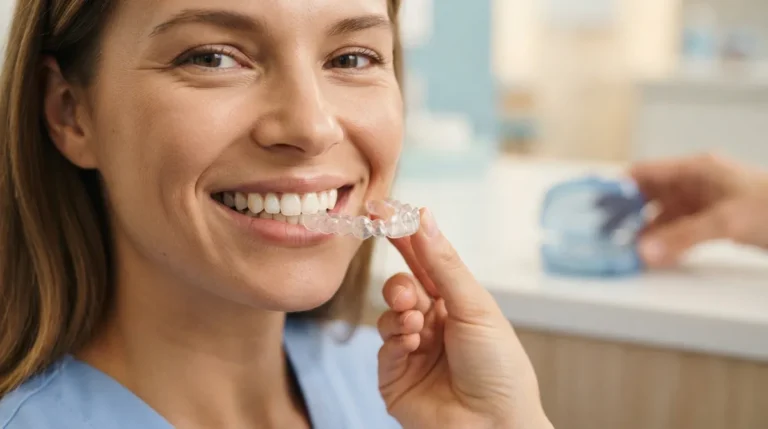
Older teens who want a discreet option may be great candidates for clear aligners. These are removable, nearly invisible trays that gradually shift teeth into place. They’re perfect for teens who are involved in sports, music, or just want to maintain their appearance.
What to Expect at Your Child’s First Orthodontic Visit
That first appointment can feel a little nerve-wracking — for both you and your child. But it’s actually very relaxed and straightforward. Here’s a simple walkthrough of what typically happens:
- Smile evaluation: The orthodontist checks your child’s teeth, bite, and jaw alignment visually.
- X-rays or digital scans: These give a full picture of what’s happening beneath the surface.
- Personalized treatment discussion: The orthodontist explains any concerns and possible treatment options.
- Timeline and cost review: You’ll get a clear picture of what treatment might look like and how to plan for it.
We’ve put together more helpful information on what to expect at your first orthodontist visit so your family can walk in feeling confident and prepared.
How to Choose the Right Pediatric Orthodontist in Bradenton
Choosing an orthodontist for your child is a big decision. Here are the key things to look for:
- Board certification: Look for a board certified orthodontist who meets the highest clinical standards.
- Child-friendly environment: Your child should feel comfortable and welcome from the start.
- Flexible scheduling: Look for a practice that works around school and activity schedules.
- Transparent pricing and financing: Good practices offer clear information on orthodontic financing options.
- Modern technology: Advanced tools mean more accurate, comfortable treatment.
- Bilingual staff: If Spanish is spoken at home, bilingual care is a big plus.
You can also read our detailed guide on how to get kids’ braces in Bradenton the right way to make sure you’re making the best choice for your family.
Why Families Near Bradenton Trust Segovia Orthodontics
At Segovia Orthodontics at Lakewood Ranch, Dr. Flor Segovia provides expert orthodontic care for children, teens, and adults in a warm, welcoming environment. As a board-certified orthodontist, Dr. Segovia combines advanced technology with genuine compassion — making every child feel comfortable and every parent feel confident.
Families across the Bradenton area choose Segovia Orthodontics because of the personalized attention, flexible payment plans, and truly family-centered care. You can visit Segovia Orthodontics on Google to read real reviews from local families just like yours. Follow along on our Facebook page and our Instagram page to see smile transformations and stay up to date on everything happening at the practice.
Making Orthodontic Care Affordable for Your Family
One of the biggest concerns parents have is cost. The good news is that orthodontic care is more accessible than ever. Many practices offer flexible payment plans, and insurance often covers a portion of treatment for children. Here are a few ways to make it work for your budget:
- Ask about in-house payment plans with low or no interest
- Check whether your dental insurance includes orthodontic benefits
- Look into FSA or HSA account coverage for orthodontic expenses
- Ask about sibling discounts if multiple children need treatment
Our guide on 9 smart ways to make orthodontic financing work for you is packed with practical tips for keeping costs manageable. You can also learn more about braces for children with our parent-focused guide.
Teen Orthodontics: A Natural Next Step
If your child didn’t receive early treatment, the teen years are still an ideal time for orthodontic care. Most adult teeth have come in by ages 12 to 14, making it a perfect window for comprehensive treatment. Explore our teen orthodontic treatment options to see what’s available for your teenager.
Teens today have stylish, comfortable, and effective options. From fun colored braces to nearly invisible clear aligners, there’s something that fits every teen’s personality and lifestyle. Check out our helpful article on how to choose the right braces for teens to get started.
Ready to Take the Next Step for Your Child’s Smile?
Finding a trusted pediatric orthodontist in Bradenton doesn’t have to be stressful. The key is starting early, asking the right questions, and working with a team that genuinely cares about your child. A healthy, beautiful smile is one of the greatest gifts you can give your child — and it starts with that very first visit.
Don’t wait until problems get worse. If you have questions or you’re ready to get started, we’d love to hear from you. You can schedule your child’s consultation online, or feel free to call us at 941-557-1333 — our friendly team is always happy to help. Your child’s best smile is closer than you think!
FAQs
Q: At what age should my child first see a pediatric orthodontist in Bradenton?
A: Most orthodontists recommend bringing your child in for their first evaluation around age 7. This doesn’t always mean treatment starts right away — it’s mostly about monitoring their development and spotting any early concerns before they become bigger problems. Think of it as a head start on a great smile!
Q: What’s the difference between a pediatric orthodontist and a general dentist?
A: A general dentist handles overall dental health like cleanings and fillings, while an orthodontist specializes specifically in aligning teeth and correcting jaw development. Orthodontists complete two to three extra years of specialty training beyond dental school. When it comes to braces and bite issues, an orthodontist is the expert you want in your corner!
Q: Does my child have to have all their adult teeth before getting braces?
A: Not at all! In fact, early treatment (Phase 1) can begin while your child still has a mix of baby and adult teeth. Treating certain issues during jaw growth is actually more effective and can reduce the complexity of treatment later. Your orthodontist will let you know the ideal timing based on your child’s specific needs.
Q: How long does orthodontic treatment typically take for children?
A: Treatment time varies depending on the complexity of the case, but most children complete full orthodontic treatment in one to three years. Early Phase 1 treatment is usually shorter — around 9 to 18 months. Your orthodontist will give you a personalized timeline after evaluating your child’s teeth and jaw.
Q: Is orthodontic treatment covered by insurance for children?
A: Many dental insurance plans include orthodontic benefits for children, often covering a portion of the treatment cost. It’s always worth checking with your insurance provider to understand your benefits. If coverage is limited, most orthodontic practices offer flexible payment plans to make treatment affordable for every family.
Our Service Area