Key Takeaways
-
Braces and clear aligners can both straighten teeth well; the best choice depends on your bite, daily routine, and goals, so a professional evaluation is essential.
-
Clear aligners must be worn about 20 to 22 hours a day and switched on schedule, while braces work around the clock without relying on your daily discipline.
-
Treatment length varies: local estimates cite roughly 6 to 18 months for some aligner cases and 18 to 36 months for braces, but these are not guarantees.
-
Request a written, itemized estimate that shows whether retainers, follow-up visits, and broken-bracket or lost-aligner costs are included, rather than comparing advertised monthly payments.
-
Retainers are commonly needed after treatment because teeth tend to drift, so confirm your retainer plan before you commit.
-
Ask whether the provider is a board-certified orthodontist, how emergencies are handled, and how often you will need in-office checkups.
Thinking about straightening your smile in Bradenton? You are not alone. Every week, families, young professionals, and adults who wore braces years ago ask the same question: should I choose braces and clear aligners? Or is one clearly better than the other?
The honest answer is that both can work beautifully. The best choice depends on your teeth, your bite, your daily routine, and your goals. A busy mom planning for two kids has different needs than a bride-to-be with a wedding on the calendar.
In this friendly guide, we break down how braces and clear aligners in Bradenton compare. You will learn how each option works, who they suit best, how long treatment may take, and what to ask before you commit. Think of it as a chat with a knowledgeable friend, minus the jargon. By the end, you will feel ready to walk into a consultation with confidence.
What Are Braces and Clear Aligners?
Let’s start with the basics. Both options move teeth into healthier, better-aligned positions. They just do it in different ways.
How Traditional Braces Work
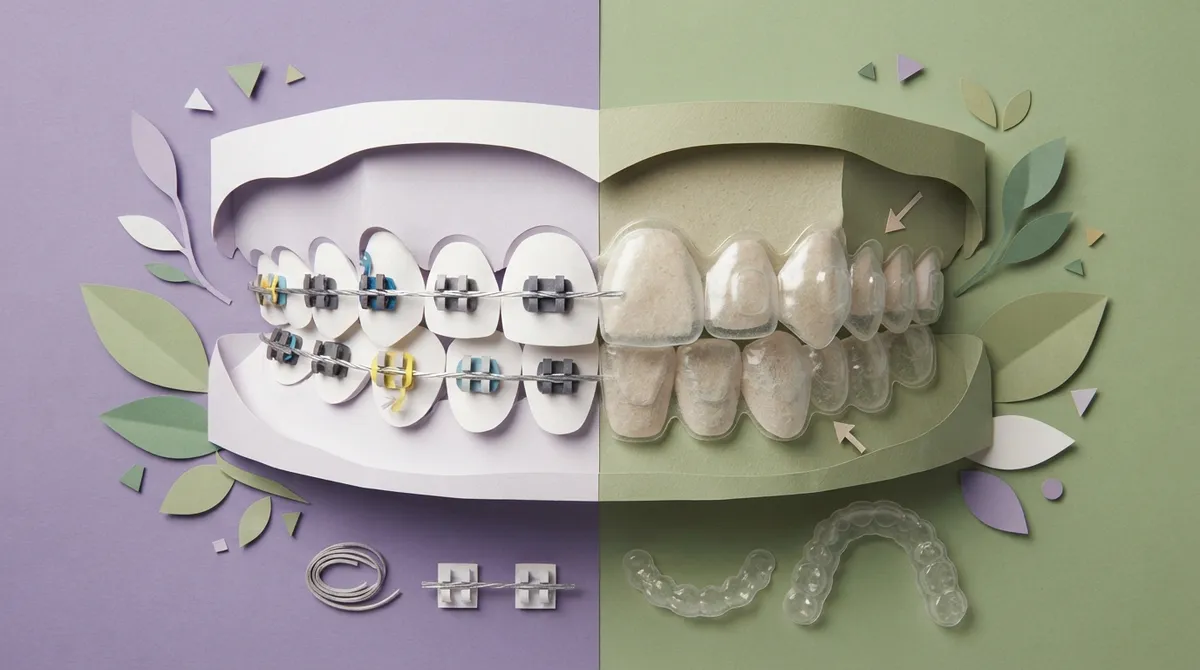
Braces use small brackets bonded to your teeth. A thin wire connects the brackets and applies gentle, steady pressure. Your orthodontic team adjusts the wire during checkups, which guides your teeth step by step toward their new spots.
Because braces stay on your teeth around the clock, they work whether you are perfectly disciplined or having a chaotic week. Many people value that built-in reliability. If you want to learn more about the different styles available, our guide to types of braces is a great starting point.
How Clear Aligners Work
Clear aligners are a series of custom-made, see-through trays. Each tray fits snugly over your teeth and moves them a tiny bit. You switch to a new tray on the schedule your orthodontist gives you.
The big difference? You can take aligners out. You remove them to eat, to drink anything other than water, and to brush and floss. That freedom is wonderful, but it also comes with responsibility. You can explore more about this option on our clear aligners page.
Braces vs. Clear Aligners: A Side-by-Side Look
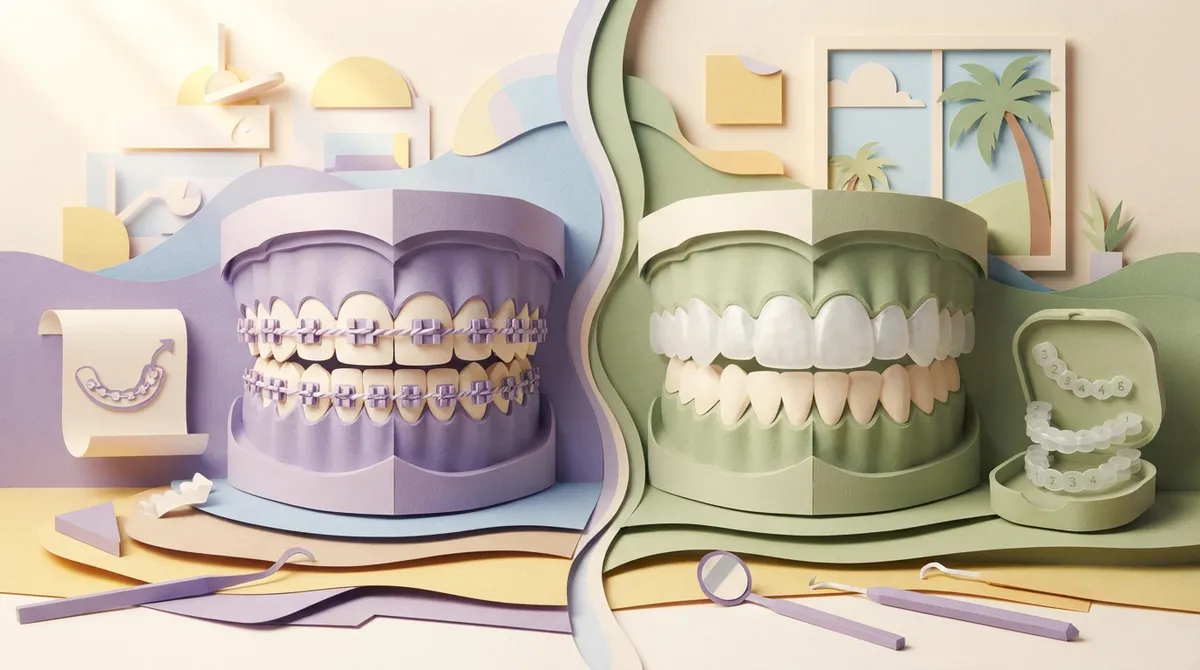
Seeing the key differences in one place makes decisions easier. Here is a quick comparison of how braces and clear aligners in Bradenton typically stack up.
| Feature | Traditional Braces | Clear Aligners |
|---|---|---|
| Appearance | Visible brackets and wires (metal, clear, or fun shapes) | Nearly invisible trays |
| Removable? | No, fixed to teeth | Yes, removed for meals and cleaning |
| Daily wear | Always on | Often about 20 to 22 hours per day |
| Eating restrictions | Avoid hard, sticky, and chewy foods | Take trays out to eat, so fewer food rules |
| Adjustments | Wire changes at office visits | New trays on a set schedule |
| Best for | Mild to complex cases, including tricky bites | Many mild to moderate cases |
| Compliance needed | Low | High |
Remember, this table is a general guide. Your own orthodontic evaluation will tell you what truly fits your smile.
Who Is a Good Candidate for Each Option?
Here is where it gets personal. Different people land on different choices, and that is perfectly okay.
When Braces Often Make Sense
Braces tend to shine when your case needs more complex movement. Examples include significant crowding, rotated teeth, or certain bite problems. They also help when a patient might struggle to keep aligners in for most of the day.
For kids and teens, braces are a popular choice because there is nothing to lose or forget at lunch. You can read more about options for young patients in our guide to teen orthodontic treatment. Some families also love bracket styles that make treatment feel fun. Our WildSmiles braces let kids pick playful bracket shapes like stars and hearts.
When Clear Aligners Often Make Sense
Clear aligners can be a great fit for many mild-to-moderate alignment concerns. They appeal to adults who want a discreet look at the office, on video calls, and in photos. They are also handy if you love being able to take your trays out for a special meal.
That said, aligners are not right for every case. The choice depends on your bite, the tooth movements needed, your oral health, and your ability to follow instructions every single day. Only a proper exam can answer that for you.
What Each Audience Should Keep in Mind
Let’s get specific. Your life stage shapes what matters most.
- Parents of kids and teens: Look for flexible appointment times and a team that makes kids feel at ease. Ask about early evaluations, since some bite issues are easier to guide while a child is still growing.
- Young professionals: If a discreet look matters, ask whether aligners can handle your goals. Be honest about how consistently you can wear them.
- Busy career-focused adults: Ask how many office visits to expect and how the practice handles quick questions or emergencies.
- Life event planners: Share your date early. A good orthodontist will tell you honestly what is realistic before a wedding or graduation.
- Adults who had braces before: Teeth can shift over time, especially without retainer wear. Many adults achieve great results the second time around. See our adult orthodontics page for more.
How Long Does Treatment Take?
Everyone wants to know the timeline. The truth is that treatment length is individual. Local practice websites around Bradenton share rough estimates, such as about 6 to 18 months for some aligner cases and about 18 to 36 months for braces. Those numbers are estimates, not guarantees.
What affects your timeline?
- Complexity of your case: More movement usually means more time.
- Your bite: Some bite corrections take longer than simple straightening.
- Your cooperation: Wearing aligners as directed, or avoiding foods that break braces, keeps you on track.
- Your age and biology: Growing patients and adults can respond differently.
- Keeping appointments: Regular progress checks help catch small problems early.
Some modern systems aim to improve efficiency. For example, our LightForce orthodontics option uses 3D-printed, custom-designed brackets built from a digital treatment plan. It is one way to make treatment more precise and comfortable.
The Role of Wear Time with Aligners
Here is a friendly reality check. Aligners only work when they are in your mouth. Many providers recommend wearing them about 20 to 22 hours a day, and following the tray-switching schedule your clinician prescribes.
If trays spend too much time in a case on the counter, progress can slow down or results can be affected. Before choosing aligners, ask yourself: can I commit to this every day for months? If the answer is a cheerful “absolutely,” aligners may suit you well. If you are not sure, braces could take the pressure off.
Curious about common slip-ups? Our article on clear aligner mistakes covers what to avoid.
What Happens at Your First Visit?
Orthodontic care usually starts with an in-person assessment. Your orthodontist looks at your teeth, bite, and oral health. Diagnostic records, such as photos and digital scans, often follow. Then you get a personalized plan and a clear explanation of your options.
Here is what a good first visit looks like:
- A warm welcome and time to share your concerns and goals.
- An exam of your teeth, gums, and bite.
- Diagnostic records like photos, X-rays, or 3D scans.
- A conversation about braces, aligners, and any other options.
- A written estimate and a chance to ask every question you have.
Not sure what to expect? Check out our overview of your first orthodontic visit to feel fully prepared.
Understanding Costs and Payment Options
Let’s talk money, because it matters. Local practice pages in the Bradenton area mention payment plans, insurance help, and advertised monthly payments. One local practice, for example, advertises monthly payments starting as low as $149. Keep in mind that figures like this are promotional starting points, not total treatment prices.
Instead of comparing monthly numbers alone, ask for a written, itemized estimate. A clear quote should explain:
- The total fee for the full treatment plan
- Whether retainers are included
- Whether follow-up visits and refinements are covered
- What happens if a bracket breaks or an aligner is lost
- Any extra charges that could come up later
Comparing apples to apples is the best way to avoid surprises. If you want to understand your financial options, take a look at our orthodontic financing page for helpful details.
Don’t Forget the Retainer
Here is something many people overlook: treatment does not end the day your braces come off or your last aligner tray goes in. Retainers are commonly needed to help keep your teeth in their new positions.
Teeth have a natural tendency to drift, so consistent retainer wear protects your investment. When you compare practices, ask whether retainers and follow-up visits are part of the quoted fee. You can learn about your options on our orthodontic retainers page.
Questions to Ask Any Bradenton Orthodontic Office
Services and provider qualifications vary from office to office, so it pays to confirm details directly. Bring these questions to your consultation:
- Who will supervise my treatment from start to finish?
- Is the provider a specialist in orthodontics?
- How are emergencies handled, such as a poking wire or a broken aligner?
- How often will I come in for checkups?
- What is included in the total fee?
- What retainer plan do you recommend after treatment?
Credentials can give extra peace of mind. You can learn what board certification means from the American Board of Orthodontics. Our own practice highlights this on the board certified orthodontist page.
A Local Option Near Bradenton
If you are searching for braces and clear aligners in Bradenton, it helps to know your neighbors have options close by. Segovia Orthodontics at Lakewood Ranch offers personalized care for all ages, including traditional braces and clear aligners. Led by board-certified orthodontist Dr. Flor Segovia, the practice offers bilingual care in English and Spanish and aims to create a comfortable, family-friendly atmosphere.
The team offers WildSmiles braces, LightForce braces, and Angel Aligners. Angel Aligners use a frosted finish and flexible materials designed for comfort, and many patients like that they can be a budget-friendly choice. Every option still begins with a proper evaluation to see what fits you best.
Want to see what other patients think? You can visit Segovia Orthodontics on Google to read reviews, or follow along on our Facebook page and our Instagram page to see the team and smiles in action.
Making Your Final Decision
So, which should you pick? Try this simple, friendly approach:
- Start with a consultation. Your orthodontist can tell you what your teeth actually need.
- Be honest about your habits. Can you wear aligners most of the day, every day?
- Think about your lifestyle. Do you play a wind instrument or contact sport? Do you travel often?
- Weigh looks and comfort. Both matter, and both are valid.
- Compare written estimates. Look at what is included, not just the monthly number.
You can also dig deeper with our comparison on braces vs. clear aligners to keep weighing your choices.
Ready to Start Your Smile Journey?
Whether you lean toward braces or clear aligners, the most important step is the first one. A personal evaluation gives you real answers instead of guesses. You deserve a plan built around your teeth, your schedule, and your goals.
If you are ready to explore your options, request an appointment today and meet a team that treats every smile like family. Prefer to chat first? You can call us at 941-557-1333 or contact us online with your questions. Your best smile is closer than you think!
FAQs
Q: What is the difference between braces and clear aligners in Bradenton?
A: Braces use brackets and wires that stay on your teeth, and your orthodontic team adjusts them at visits. Clear aligners are custom see-through trays you take out to eat, drink anything but water, and clean your teeth. Both can straighten smiles, but the best fit depends on your bite and habits.
Q: How many hours a day do I need to wear clear aligners?
A: Many providers recommend about 20 to 22 hours a day, switching trays on the schedule your clinician gives you. Wearing them consistently keeps your treatment on track. Your orthodontist will share the exact plan for your case.
Q: How long does orthodontic treatment usually take?
A: It varies from person to person. Local practices cite rough estimates like 6 to 18 months for some aligner cases and 18 to 36 months for braces, but these are not guarantees. Your case complexity and how well you follow instructions both play a big role.
Q: Will I need a retainer after braces or clear aligners?
A: Yes, retainers are commonly needed to help keep your teeth in their new positions. Teeth can drift over time without them. Be sure to ask whether retainers and follow-up visits are included in your quoted fee.
Q: How much do braces or clear aligners cost, and what should the fee include?
A: Costs depend on your case and the practice, so the best move is to request a written, itemized estimate. Ask what is included, such as retainers, follow-up visits, and any extra charges. Advertised monthly payments are often starting points, not total prices.
Our Service Area