Key Takeaways
-
Misaligned teeth are harder to clean and trap food/plaque in tight spaces, directly leading to cavities, gum disease, and jaw pain—orthodontic treatment fixes both appearance and mouth function.
-
Schedule a professional orthodontic evaluation to identify alignment issues you may not realize are connected to tooth alignment, such as jaw clicking, frequent cavities in same spots, or uneven tooth wear.
-
Practice meticulous oral hygiene during treatment: brush after meals, use interdental brushes and floss threaders for braces, or remove aligners before eating and clean them properly to prevent decay.
-
Attend all scheduled orthodontic appointments without skipping visits, as monitoring ensures proper tooth movement and allows early detection of problems before they become serious.
-
Wear your retainer consistently after treatment ends to prevent relapse—teeth naturally shift back without retention, potentially requiring years of additional treatment to fix.
-
Choose the right treatment option (metal braces, clear braces, or aligners) based on your age, lifestyle, and case complexity, as each offers different benefits for visibility and treatment duration.
Most people think orthodontics is just about getting a straighter smile. But did you know that common orthodontic problems can directly affect your overall dental health? Misaligned teeth are harder to clean. They can lead to cavities, gum disease, and even jaw pain over time. The good news is that orthodontic treatment does more than improve how your teeth look — it improves how your whole mouth functions. Whether you are a parent looking out for your child, a professional wanting a discreet fix, or someone ready to correct a relapse, understanding the connection between dental health and orthodontics is the first step toward a healthier, happier smile. This guide walks you through exactly how to protect and improve your dental health with orthodontic care — in a way that is simple, practical, and easy to follow.
Why Dental Health and Orthodontics Go Hand in Hand
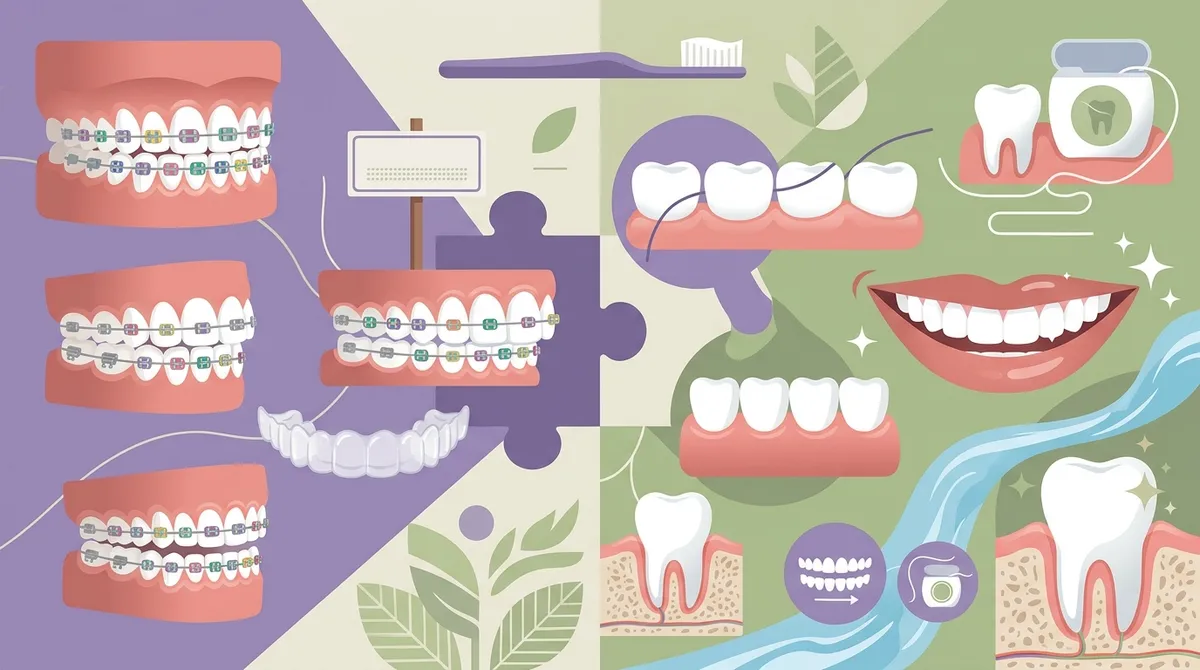
Your teeth are meant to fit together in a specific way. When they do not, it creates problems beyond just appearance. Crooked or crowded teeth create tight spaces where food and plaque get trapped. This makes brushing and flossing much harder. Over time, that buildup leads to tooth decay and gum inflammation. If you want to understand the full scope of this issue, crooked teeth causes, effects, and how to fix them is a great place to start.
Dental health orthodontics is about correcting the alignment of your teeth and jaw so your mouth works the way it should. Straight teeth are simply easier to keep clean. And clean teeth mean fewer cavities, less gum disease, and a stronger, healthier mouth for life.
Step 1: Recognize the Signs That You Need Orthodontic Help
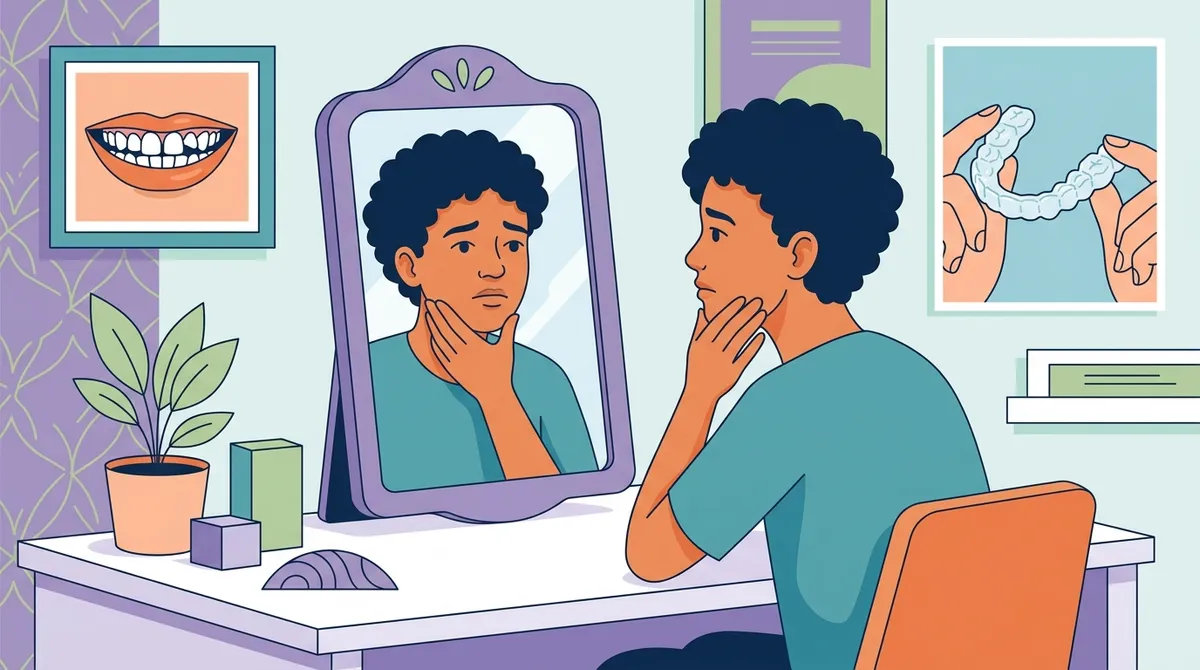
Before you can protect your dental health, you need to know if orthodontic treatment is right for you. Many people have issues they do not even realize are connected to tooth alignment. Here are some clear signs to watch for:
- Difficulty flossing between certain teeth
- Frequent cavities in the same spots
- Sore or bleeding gums when brushing
- Jaw clicking, popping, or soreness
- Uneven wear on your teeth
- Trouble biting or chewing certain foods
- Teeth that visibly overlap or have large gaps
If any of these sound familiar, it is time to explore your options. You can also check out what are the signs you need braces for a deeper look at specific warning signals.
Step 2: Schedule an Orthodontic Evaluation
The next step is getting a professional opinion. An orthodontic evaluation is not just for kids — it is for anyone who wants to understand the state of their bite and alignment. During your evaluation, the orthodontist will examine your teeth, take X-rays if needed, and discuss any issues they find.
At Segovia Orthodontics in Lakewood Ranch, FL, Dr. Flor Segovia takes the time to explain exactly what is happening in your mouth and what treatment options are available to you. She uses advanced orthodontic technology to get a precise picture of your alignment and dental health needs. To learn more about what to expect, visit what happens during an orthodontic evaluation.
Step 3: Choose the Right Orthodontic Treatment for Your Needs
Not all orthodontic treatments are the same. The right one for you depends on your age, lifestyle, the complexity of your case, and your personal preferences. Here is a quick comparison to help you understand your main options:
| Treatment Option | Best For | Visibility | Typical Duration |
|---|---|---|---|
| Traditional Metal Braces | Children, teens, complex cases | Visible | 12–24 months |
| Clear Braces (Ceramic) | Teens and adults who want less visibility | Less noticeable | 12–24 months |
| Clear Aligners | Adults and teens with mild to moderate issues | Nearly invisible | 6–18 months |
| LightForce Braces | Patients wanting custom precision braces | Low profile | Varies |
Each option has its strengths. If you are curious about which path suits you best, explore braces vs. clear aligners: which is right for you for a thorough side-by-side breakdown. You can also learn more about clear aligners as a discreet treatment option if you are an adult or professional looking to avoid visible hardware.
Step 4: Practice Great Oral Hygiene During Treatment
Orthodontic treatment only improves your dental health if you take care of your teeth during the process. This step is where many patients struggle. But it does not have to be hard if you follow the right habits.
Oral Hygiene Tips for Braces Wearers
- Brush after every meal. Food gets trapped in brackets and wires easily. Use a soft-bristled brush and take your time.
- Use an interdental brush. These small brushes fit under wires and clean hard-to-reach spots between brackets.
- Floss every day with a floss threader or water flosser. Getting floss under your wire is important for gum health.
- Rinse with fluoride mouthwash. This strengthens your enamel and helps prevent white spot lesions during treatment.
- Avoid sticky and hard foods. These can damage your braces and create more plaque buildup.
For a full list of what to avoid, check out 13 foods to avoid with braces. Also, how to care for your braces: essential orthodontics tips provides a detailed guide you can refer to throughout treatment.
Oral Hygiene Tips for Clear Aligner Wearers
- Remove your aligners before eating or drinking anything other than water. This prevents staining and bacteria buildup inside the trays.
- Clean your aligners with a soft brush and mild soap. Avoid hot water, which can warp the plastic.
- Brush and floss before reinserting your aligners. Trapping food residue under your aligners can cause decay.
- Wear your aligners 20–22 hours per day. Consistency is key to healthy, effective treatment.
Step 5: Attend All Your Scheduled Appointments
Skipping appointments might seem harmless, but it can slow your treatment and allow small issues to grow into bigger ones. Your orthodontist monitors your progress at every visit and makes adjustments to keep your treatment on track. These check-ins also give you a chance to ask questions and raise any concerns early.
The American Board of Orthodontics recommends regular monitoring throughout treatment to ensure safe, effective tooth movement. Staying on schedule is one of the simplest ways to protect your dental health orthodontics journey from setbacks.
Step 6: Address Any Orthodontic Emergencies Promptly
Sometimes unexpected issues come up during treatment. A poking wire, a loose bracket, or a cracked aligner can feel stressful. But most orthodontic emergencies are manageable if you know what to do and act quickly. Delaying care can affect your dental health and treatment progress.
Here are common situations that need prompt attention:
- A wire that is poking your cheek or gum
- A bracket that has come loose or fallen off
- Significant tooth pain or soreness that does not go away
- A lost or cracked aligner tray
- Swollen or bleeding gums
If you ever face an unexpected issue, visit orthodontic emergency to get guidance on your next steps. You can also call us at 941-557-1333 for immediate support from our team.
Step 7: Wear Your Retainer After Treatment Ends
This is the step that far too many people skip — and they regret it later. Once your braces or aligners come off, your teeth have a natural tendency to shift back toward their old positions. This is called relapse. Wearing your retainer as directed is the only way to protect the dental health improvements you worked so hard to achieve.
Types of Retainers Available
- Removable clear retainers — Thin, nearly invisible trays worn over your teeth, usually at night
- Hawley retainers — Traditional wire retainers that are durable and adjustable
- Fixed (bonded) retainers — Thin wires bonded behind the front teeth for permanent, passive retention
Learn more about your options at orthodontic retainers. Many adults who experience relapse find themselves back in treatment years later. Wearing your retainer prevents that entirely.
How Orthodontics Benefits Your Long-Term Dental Health
When your teeth are properly aligned, the benefits go far beyond a beautiful smile. Here is a summary of the long-term dental health wins that come with orthodontic treatment:
| Dental Health Benefit | How Orthodontics Helps |
|---|---|
| Fewer cavities | Straight teeth are easier to clean thoroughly |
| Healthier gums | Aligned teeth reduce gum inflammation and pocketing |
| Better jaw function | Correcting your bite reduces strain on jaw muscles and joints |
| Reduced tooth wear | Proper alignment distributes bite forces evenly |
| Improved digestion | Better chewing ability means food is broken down more effectively |
| Boosted confidence | A healthy smile encourages consistent oral hygiene habits |
Orthodontics is truly an investment in your lifelong health, not just your appearance. Whether you are exploring adult orthodontics for yourself or looking into early orthodontic treatment for your child, the dental health benefits are real and lasting.
Getting Started: What to Expect at Your First Visit
Taking that first step is easier than most people think. Your first visit is a friendly, no-pressure conversation about your goals and what your mouth needs. There are no commitments required at the consultation stage. You just come in, share your concerns, and leave with a clear plan.
- Book your appointment online or by phone. It takes just a minute and gets you on the path to better dental health.
- Come prepared with questions. Bring a list of anything you want to know about treatment, timeline, or costs. Check out how to ask the right orthodontic questions at your visit for inspiration.
- Discuss financing options. Orthodontic treatment is more affordable than most people expect, especially with flexible payment plans. Learn more at orthodontic financing.
Dr. Flor Segovia is a board-certified orthodontist who genuinely cares about your long-term dental health. Her practice is warm, welcoming, and designed to make every patient feel at ease from day one. You can visit us on Google — Segovia Orthodontics to read real patient reviews and see why families across Lakewood Ranch trust her with their smiles.
Follow us on our Facebook page and our Instagram page for tips, patient stories, and smile transformations that will inspire you on your own dental health orthodontics journey.
Your Healthier Smile Starts Today
Protecting your dental health with orthodontics is one of the best decisions you can make — for your mouth, your confidence, and your overall well-being. The steps are simple: recognize the signs, get evaluated, choose the right treatment, practice great hygiene, stay consistent, and protect your results with a retainer. You do not have to figure it all out on your own. A caring, experienced team is ready to guide you every step of the way.
Ready to take the first step toward a healthier smile? Request an appointment with Segovia Orthodontics in Lakewood Ranch today and discover how dental health orthodontics can change your life for the better. Your best smile is closer than you think!
FAQs
Q: How does orthodontic treatment improve my dental health?
A: Orthodontic treatment straightens your teeth, making them much easier to clean every day. When teeth are properly aligned, plaque and food have fewer places to hide, which means fewer cavities, healthier gums, and a stronger bite overall. It is truly a win for your whole mouth!
Q: At what age should a child have their first orthodontic evaluation?
A: The American Association of Orthodontists recommends that children have their first orthodontic check-up by age 7. At this stage, an orthodontist can spot potential issues early and plan treatment at the ideal time — which can make the whole process easier and more effective.
Q: Can adults benefit from dental health orthodontics too?
A: Absolutely! Adults of all ages can benefit from orthodontic treatment. Clear aligners and other discreet options make it easy for busy professionals to straighten their teeth without disrupting their daily lives. It is never too late to invest in a healthier, more confident smile.
Q: How do I keep my teeth healthy while wearing braces?
A: The key is brushing after every meal, flossing daily with a threader or water flosser, and rinsing with fluoride mouthwash. Avoiding hard or sticky foods also helps protect your brackets and keeps plaque from building up. Your orthodontist will give you a personalized care routine to follow.
Q: What happens if I do not wear my retainer after treatment?
A: Without a retainer, teeth tend to shift back toward their original positions over time — a process called relapse. Wearing your retainer as directed protects all the dental health improvements you achieved during treatment. Think of it as the final, essential step in your smile journey!
Our Service Area