Key Takeaways
-
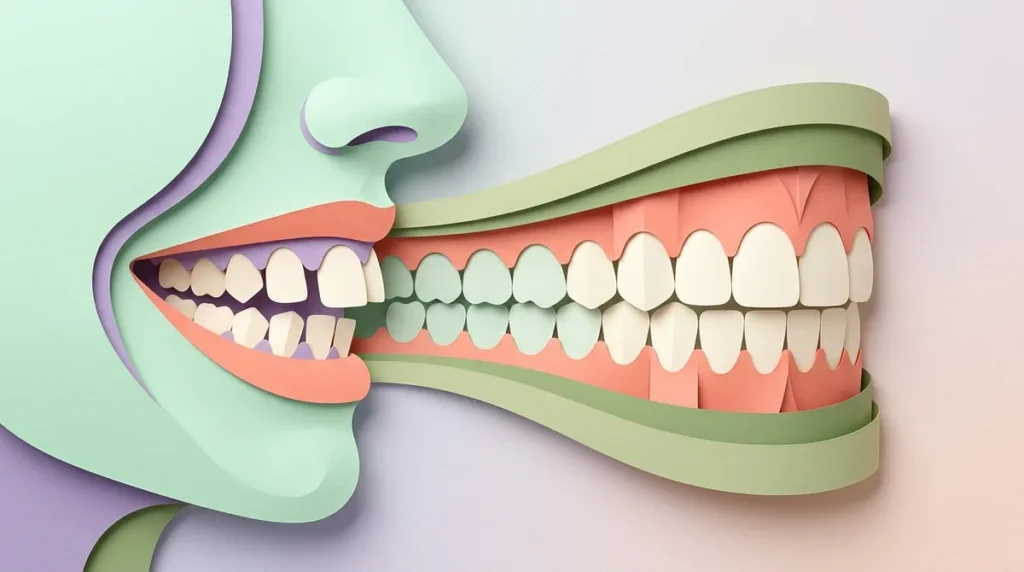
Orthodontic problems rarely fix themselves and typically worsen over time if untreated; early detection through screening by age 7 can significantly reduce treatment complexity and costs.
-
Common signs requiring braces include crowded teeth, gaps between teeth, overbites, underbites, crossbites, open bites, and difficulty chewing—all of which affect oral health and should be evaluated by an orthodontist.
-
Bite misalignment can cause jaw pain, clicking, speech difficulties, and uneven tooth enamel wear; correcting these issues through orthodontic treatment can prevent long-term TMJ and oral health complications.
-
Modern treatment options like clear aligners and custom 3D-printed braces offer faster, more comfortable, and discreet alternatives to traditional braces for teens and adults seeking orthodontic care.
-
Children showing mouth breathing, thumb sucking past age 5, or early tooth loss are at higher risk for developing bite problems and should receive an early orthodontic evaluation.
-
Adult orthodontics is highly effective at any age; teeth that have shifted after previous treatment or over time can be corrected, making it never too late to pursue a straighter smile.
Have you ever caught yourself hiding your smile in photos? Or maybe chewing feels uncomfortable, and you wonder if something is off with your teeth? You are not alone. Many people live with dental issues for years without realizing that orthodontic treatment could change everything. Knowing the signs you need braces is the first step toward a healthier, more confident smile. Whether you are a parent watching your child’s teeth come in, a young professional thinking about discreet treatment, or an adult who had braces years ago and noticed some shifting — this guide is for you. Let’s walk through the most common signs that it might be time to visit an orthodontist, and why acting sooner rather than later makes a big difference for your long-term oral health.
Why Recognizing the Signs Early Matters
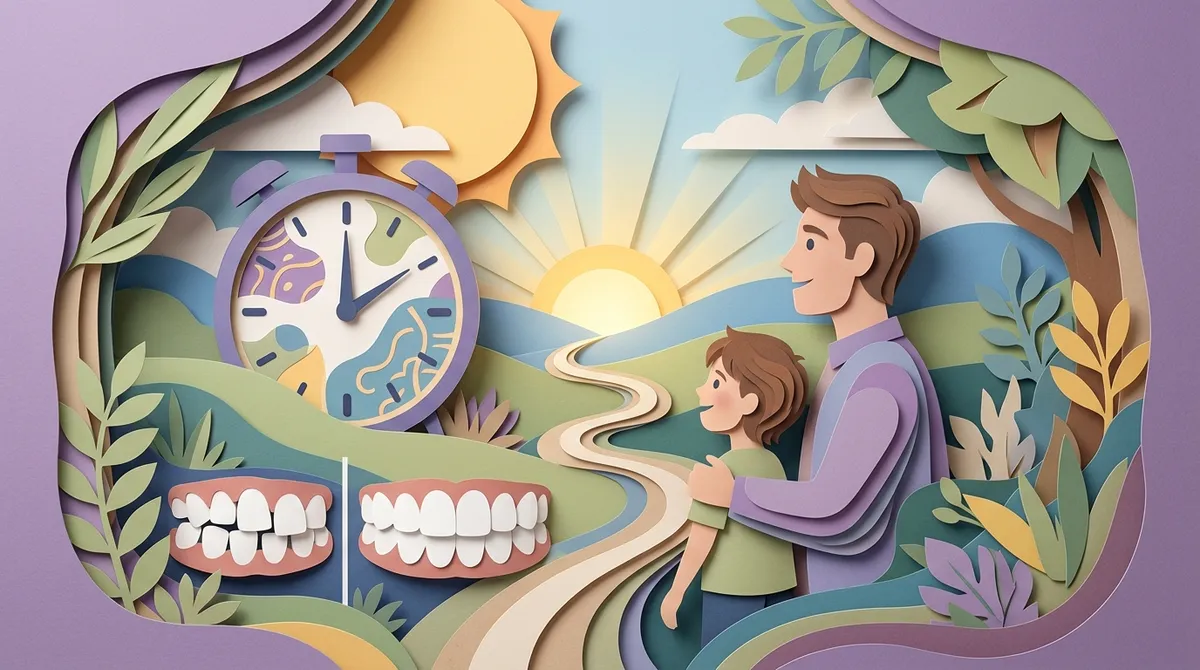
Orthodontic problems rarely fix themselves. In fact, most bite and alignment issues get worse over time if left untreated. Catching the signs you need braces early can mean shorter treatment times and better results. For children, the early orthodontic treatment window typically opens around age 7, when a mix of baby and adult teeth makes it easier to spot developing issues. For adults and teens, it is never too late to explore your options.
The American Board of Orthodontics recommends that children receive their first orthodontic evaluation by age 7. Early screenings help orthodontists identify problems before they become more complex and costly to treat.
Top Signs You Need Braces
1. Crowded or Overlapping Teeth
Crowded teeth happen when there is not enough space in your jaw for all of your teeth to fit properly. You might notice teeth that twist, overlap, or seem to push each other out of place. Crowding makes it very hard to brush and floss effectively, which increases your risk for cavities and gum disease. If you are struggling to clean between your teeth, crowding may be the reason. You can learn more about this issue in our guide on how to fix crowded teeth in Lakewood Ranch.
2. Gaps or Spaces Between Teeth
Spacing issues are the opposite of crowding. Large gaps between teeth can trap food and bacteria, leading to gum irritation and potential bone loss over time. Gaps can also affect the way you speak and how your smile looks. Braces or clear aligners can close these spaces and bring your teeth into a healthier, more balanced alignment.
3. Overbite or Underbite
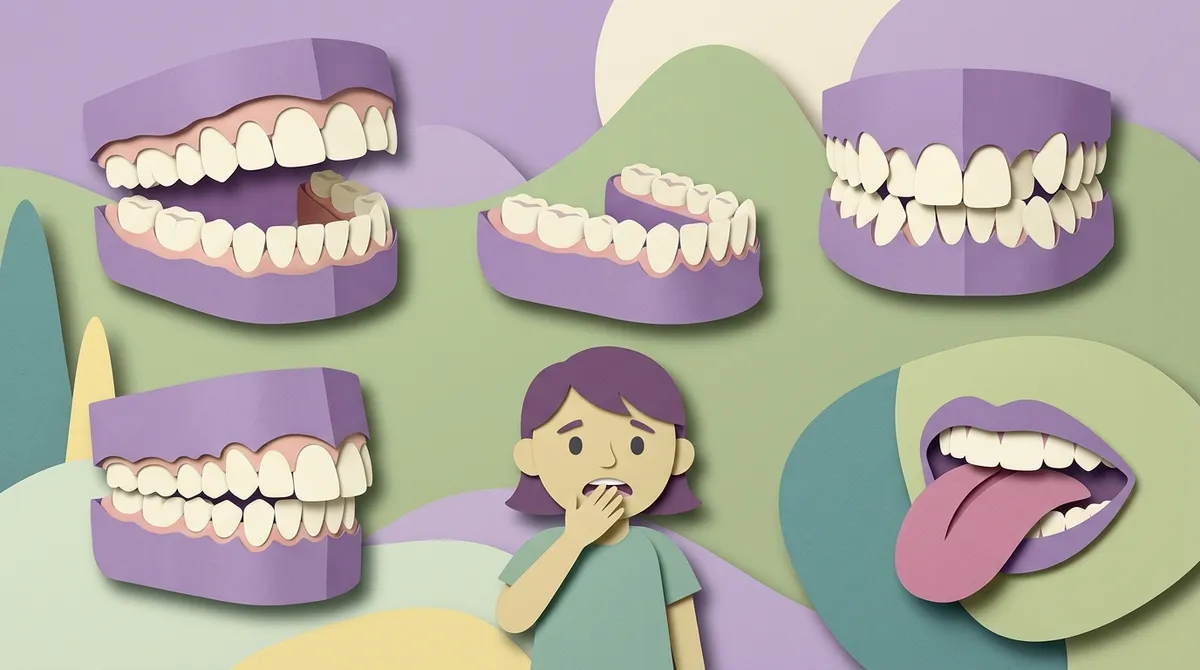
A bite problem is one of the clearest signs you need braces. An overbite occurs when your upper front teeth extend too far over your lower teeth. An underbite is when your lower teeth jut out past your upper teeth. Both conditions can cause jaw pain, difficulty chewing, and uneven wear on your tooth enamel. These are common orthodontic problems that respond well to treatment.
You can explore our full overview of common orthodontic problems to see where your concerns might fit.
4. Crossbite
A crossbite happens when some of your upper teeth sit inside your lower teeth instead of outside them. This can affect one tooth or several teeth at once. Crossbites can cause uneven jaw growth in children and lead to worn enamel, gum recession, and jaw discomfort in adults. Early treatment is especially important for crossbites. Check out our resource on crossbite treatment in Lakewood Ranch for more information.
5. Open Bite
An open bite means your upper and lower teeth do not meet when you close your mouth. This can make it hard to bite into foods like apples or sandwiches. Open bites are often linked to habits like thumb sucking or prolonged pacifier use in children. They can also develop in adults due to jaw growth patterns or tongue posture.
6. Misaligned or Shifted Teeth
Sometimes teeth drift or shift over time, especially if you have had a tooth extracted or lost a baby tooth too early. Teeth can also shift back after previous orthodontic treatment if retainers were not worn consistently. If your smile looks different than it used to, that is one of the signs you need braces — or perhaps a follow-up treatment plan. Our article on how to fix misaligned teeth and get a straighter smile offers helpful context.
7. Difficulty Chewing or Biting
If eating feels uncomfortable or you have to chew carefully to avoid pain, your bite may be out of alignment. Jaw fatigue, soreness after meals, or frequently biting your cheeks are all signs worth paying attention to. These symptoms can worsen over time and may eventually affect your jaw joints (TMJ).
8. Jaw Pain or Clicking
Persistent jaw pain, clicking, or popping when you open and close your mouth can be connected to bite misalignment. While not every jaw issue requires braces, many TMJ-related symptoms improve when the bite is corrected through orthodontic treatment. Our guide on TMJ orthodontist care in Lakewood Ranch explains the connection in more detail.
9. Speech Difficulties
Certain bite and alignment issues can affect how clearly you speak. Lisps, difficulty pronouncing certain sounds, or changes in your speech may be linked to the position of your teeth and jaw. An orthodontic evaluation can help determine if teeth alignment is contributing to speech challenges.
10. Mouth Breathing or Prolonged Thumb Sucking in Children
Children who breathe primarily through their mouths or who suck their thumbs past age 5 are at higher risk for developing bite problems. These habits can push the teeth forward, narrow the jaw, and create open bites. Signs your child should see an orthodontist early include these habits alongside visible crowding or spacing.
Signs You Need Braces: A Quick Reference
| Sign | What It Looks or Feels Like | Who It Commonly Affects |
|---|---|---|
| Crowded teeth | Overlapping, twisted, or hard-to-clean teeth | Children, teens, adults |
| Gaps between teeth | Visible spaces, food trapping, speech issues | All ages |
| Overbite | Upper teeth cover lower teeth excessively | Children, teens, adults |
| Underbite | Lower jaw protrudes beyond upper jaw | Children, teens |
| Crossbite | Upper teeth sit inside lower teeth | Children, adults |
| Open bite | Teeth do not meet when mouth is closed | Children, teens |
| Jaw pain or clicking | Discomfort when chewing, jaw popping | Teens, adults |
| Teeth shifting | Changed smile alignment over time | Adults, relapse patients |
When Should Children Get Their First Orthodontic Check?
The American Association of Orthodontists recommends a first orthodontic evaluation around age 7. At this age, enough adult teeth have come in that an orthodontist can identify issues with jaw development and tooth alignment. This does not mean every 7-year-old needs braces — many children simply need to be monitored over time. Learn more about teen orthodontic treatment and when timing matters most for growing smiles.
Here is a general timeline to help families plan:
- Age 7: First evaluation — watch for early bite problems and crowding.
- Ages 10–14: Most common time to begin braces or aligner treatment as most permanent teeth have erupted.
- Ages 15+: Teen and adult treatment is fully effective and often includes discreet options like clear aligners.
- Adults of any age: It is never too late — adult orthodontics is one of the fastest-growing areas of treatment in 2026.
What to Expect at Your First Orthodontic Visit
If you have noticed any of the signs above, scheduling an evaluation is a great next step. At your first orthodontic visit, an orthodontist will review your dental and medical history, take X-rays and photos, and perform a thorough exam of your teeth, bite, and jaw. You will leave with a clear picture of your options and a recommended treatment plan.
The evaluation process at a quality practice includes:
- A complete bite assessment
- Digital X-rays and photographs
- A discussion of treatment goals and timeline
- A review of available treatment options (braces, clear aligners, etc.)
- A conversation about costs and orthodontic financing
Your Treatment Options Once You Know the Signs
Once you confirm that braces are needed, the good news is that you have more options than ever. Modern orthodontics is comfortable, efficient, and often more discreet than people expect. Here is a simple breakdown of popular treatment types:
- Traditional Metal Braces: Highly effective for complex cases and a great choice for kids and teens. Explore the types of braces available to find what fits best.
- Clear Braces: Ceramic brackets that blend with tooth color for a less visible look. Popular with older teens and adults.
- Clear Aligners: Removable, nearly invisible trays that straighten teeth without wires. A top choice for working professionals and adults seeking discreet care.
- LightForce Custom Braces: Cutting-edge, 3D-printed brackets customized to each patient’s unique tooth shape for faster, more precise treatment. Learn about LightForce Orthodontics and why it is transforming smiles in 2026.
If you are comparing your choices, our detailed guide on braces vs. clear aligners can help you figure out what fits your lifestyle and treatment needs.
How Signs You Need Braces Differ by Age Group
- Young children (ages 7–10): Look for early crowding, crossbites, and bite issues that affect jaw development.
- Tweens and teens (ages 11–17): Crowded or gapped permanent teeth, visible bite problems, or jaw asymmetry are common concerns during this stage.
- Young adults (ages 18–25): Aesthetic concerns like crowding, spacing, or a slight overbite are frequently addressed with clear aligners for a subtle look.
- Adults (ages 25–45+): Shifting teeth, bite changes, or relapse after previous treatment are very common. Adult orthodontics mistakes to avoid is a helpful read if you are starting over or trying again.
Why Choose a Board-Certified Orthodontist
Not all dental providers are the same. A board-certified orthodontist has completed years of additional specialized training beyond dental school and passed rigorous clinical examinations. This level of expertise matters when diagnosing bite issues and designing your treatment plan. At Segovia Orthodontics in Lakewood Ranch, Dr. Flor Segovia brings board-certified expertise, bilingual care, and a warm, family-focused approach to every patient’s journey.
Whether you are exploring options for your child or finally ready to address your own smile, the team at Segovia Orthodontics is here to guide you every step of the way. You can also follow along on our Instagram page or visit our Facebook page to see real patient smiles and stay connected with the practice.
Signs You Should Not Ignore: A Step-by-Step Action Plan
- Do a quick mirror check. Look at your teeth from the front. Are they straight, crowded, or gapped? Does your bite feel even?
- Notice how chewing feels. Pain, jaw fatigue, or regularly biting your cheeks are red flags.
- Check your child’s habits. Thumb sucking, mouth breathing, and early tooth loss warrant a professional evaluation.
- Schedule an evaluation. A professional exam gives you a clear, personalized answer. What happens during an orthodontic evaluation is a helpful overview of what to expect.
- Explore your options. Once you know what is going on, you can choose the treatment that fits your goals, lifestyle, and budget.
Ready to Take the Next Step?
If any of the signs in this article sound familiar, there is no reason to wait. Orthodontic treatment today is faster, more comfortable, and more discreet than ever. Whether you are looking for traditional braces for your child or a clear aligner solution for yourself, a professional evaluation is the best way to get real answers. You can visit us on Google — Segovia Orthodontics to read reviews from real patients in the Lakewood Ranch area. We love hearing from families and individuals at every stage of their smile journey.
Do not let uncertainty hold you back from the smile you deserve. Schedule your consultation with our team today and let’s find out together what your smile needs. You can also call us at 941-557-1333 — we would love to hear from you!
FAQs
Q: What are the most common signs you need braces?
A: The most common signs include crowded or overlapping teeth, visible gaps between teeth, an overbite or underbite, crossbite, and difficulty chewing or speaking clearly. If you notice any of these, a quick consultation with an orthodontist can give you a clear picture of your options!
Q: At what age should my child first see an orthodontist?
A: The American Board of Orthodontics recommends a first evaluation around age 7. At that age, there are enough permanent teeth present for an orthodontist to spot any developing bite or alignment issues — even if treatment does not start right away. Early check-ups are truly a gift to your child’s smile!
Q: Can adults get braces if they missed treatment as a child?
A: Absolutely! Adult orthodontics is more popular than ever in 2026, and treatment options like clear aligners make it easy to straighten your smile discreetly. It is never too late to invest in the healthy, confident smile you deserve.
Q: How do I know if I need braces or clear aligners?
A: Both braces and clear aligners can treat most common orthodontic problems, but the best choice depends on the complexity of your case and your lifestyle preferences. An orthodontic evaluation will help you understand which option is right for you — and it is usually a fun conversation!
Q: Does jaw pain or clicking mean I need braces?
A: Jaw pain or clicking can sometimes be related to bite misalignment, which braces or aligners may help correct. However, not every jaw issue is caused by tooth alignment, so it is best to get a professional evaluation to understand the root cause and explore the right treatment options.