


Key Takeaways
-
An orthodontist completes dental school plus an accredited residency of at least two years (minimum 3,700 hours, per the AAO), focused solely on tooth alignment, bite, and jaw growth.
-
The AAO recommends a first orthodontic check-up by age 7 to monitor jaw and tooth growth, so early problems can be caught before they become harder to treat.
-
Orthodontists treat about 70% of patients in orthodontic treatment, compared with about 20% by general or pediatric dentists and about 10% by mail-order providers, according to the AAO's 2024 study.
-
Clear aligners suit many cases, but complex bite problems often respond better to braces, so a specialist's exam is needed to choose the right option.
-
Retainers are essential after treatment; skipping them is a common reason teeth drift back out of alignment.
-
Verify credentials before starting care by asking about residency, checking local dental regulator listings, and asking whether the orthodontist is board certified.
Have you ever looked in the mirror and wondered who could really help with your crooked teeth, gaps, or bite? Maybe you are a busy mom trying to decide when your child should first see someone. Maybe you are an adult who wore braces years ago and now notice your teeth shifting. Either way, the answer starts with one important person: a specialist of orthodontics.
A specialist of orthodontics, usually called an orthodontist, is a dental professional with extra training in how teeth, bites, and jaws line up. That training goes beyond a regular dental degree. It is the reason many families choose an orthodontist when they want safe, well-planned results.
In this friendly guide, we will walk through what an orthodontic specialist does, how they train, and when to book a visit. We will also compare treatment options and share tips for choosing the right office. Let’s get started!
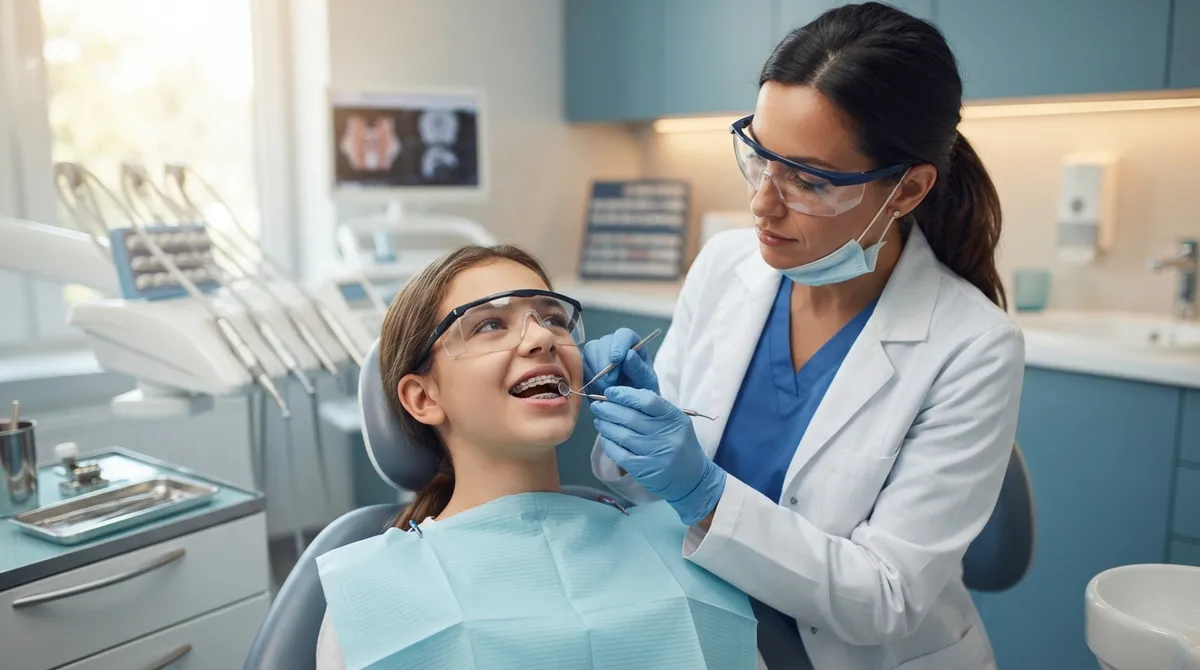
What Is a Specialist of Orthodontics?
A specialist of orthodontics is a dental expert who focuses on diagnosing, preventing, and treating problems with tooth alignment, bite, and jaw growth. Think of them as the architect of your smile. A general dentist keeps your teeth healthy, while an orthodontist plans how your teeth and jaws should fit together for the long run.
Orthodontic specialists care for children, teens, and adults. They use tools such as braces, clear aligners, retainers, and growth-guiding appliances. Treatment is never one-size-fits-all. Each plan is built around your health history, your goals, and your stage of growth.
Orthodontics is about much more than looks. Straighter teeth are often easier to clean. A balanced bite can ease strain on your teeth and jaw. And yes, many people feel more confident when they smile. If you want a deeper look at the basics, our guide on what an orthodontist actually does for your smile covers it well.
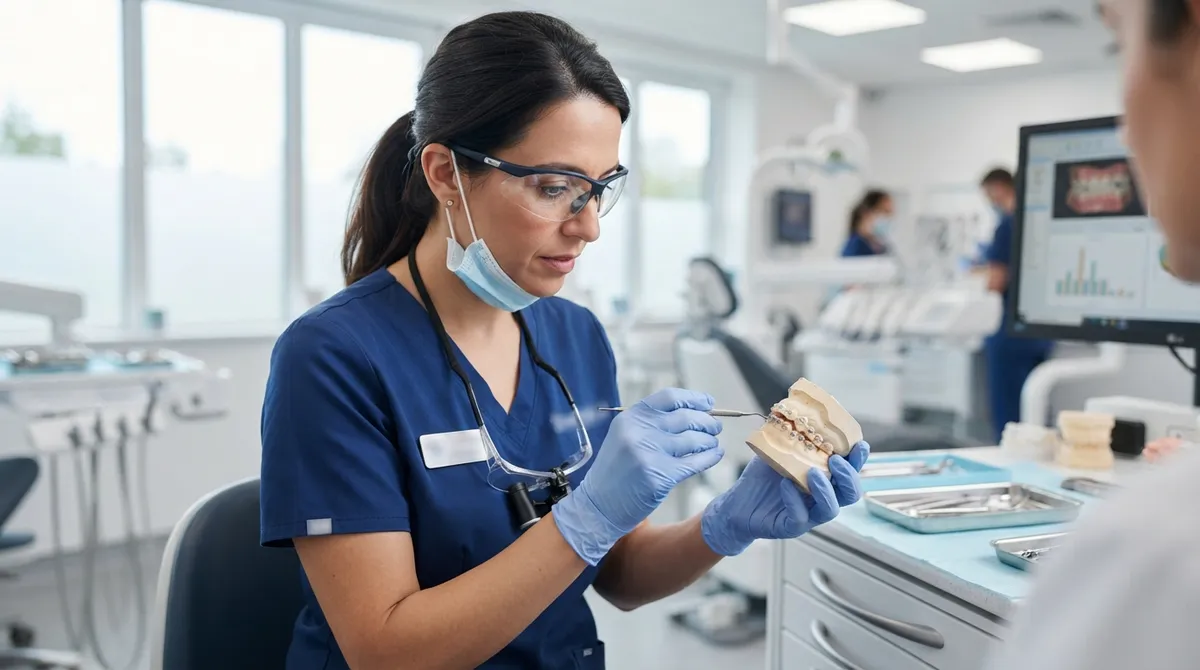
How Much Training Does an Orthodontic Specialist Have?
This is one of the most common questions families ask, and it is a smart one. The title “specialist” means something real.
In the United States and Canada, an orthodontist first finishes dental school. Then they complete an accredited orthodontic residency. The American Association of Orthodontists (AAO) describes this residency as at least two years and a minimum of 3,700 hours of focused training. That extra time is spent only on tooth movement, bite problems, and jaw growth.
Rules vary by country. In the United Kingdom, for example, orthodontic specialists are listed with the General Dental Council, and training typically includes three years of postgraduate study plus a specialty exam. Because titles and registration differ around the world, it is wise to check local credentials before you start care.
Some orthodontists also choose to become board certified. This is a voluntary step where they prove their skills through extra exams. You can learn more about that process from the American Board of Orthodontics. At Segovia Orthodontics, Dr. Flor Segovia is a board certified orthodontist, which gives families extra peace of mind.
Orthodontist vs. General Dentist: What Is the Difference?
Both are important, and they often work together as a team. But their roles are not the same. Here is a simple side-by-side look.
| Feature | General Dentist | Orthodontic Specialist |
|---|---|---|
| Main focus | Overall oral health, cleanings, fillings | Tooth alignment, bite, and jaw growth |
| Extra training | Dental school | Dental school plus orthodontic residency |
| Common treatments | Exams, cavities, crowns | Braces, clear aligners, retainers |
| Patient ages | All ages | Children, teens, and adults |
| Best for | Routine and restorative care | Straightening teeth and fixing bite problems |
The AAO’s 2024 consumer study found that orthodontists treated about 70% of patients in treatment, while general or pediatric dentists treated about 20% and mail-order providers about 10%. The same study showed that 86% of surveyed consumers believed orthodontists have highly specialized training. Many people want that extra level of expertise for something as personal as their smile.
Still unsure who to see first? Our article on orthodontist vs dentist can help you decide.
What Does a Specialist of Orthodontics Actually Treat?
Orthodontic specialists handle a wide range of concerns. You may be surprised by how many things they can help with. Common problems include:
- Crowded teeth that overlap or twist because there is not enough room
- Gaps and spacing between teeth
- Overbite, where the upper front teeth sit too far over the lower ones
- Underbite, where the lower teeth sit in front of the upper teeth
- Crossbite, where some upper teeth bite inside the lower teeth
- Open bite, where the front teeth do not meet when you close your mouth
Left alone, some bite problems can lead to uneven tooth wear, jaw discomfort, or trouble chewing. If you want to explore this topic more, take a look at our page on common orthodontic problems.
Orthodontic Treatment Options You Can Expect
One of the best parts of seeing a specialist is the choice you get. Today’s options are more comfortable and flexible than ever. Here is a quick look at what a modern practice may offer.
Traditional and Digital Braces
Braces are still a trusted way to fix many kinds of problems, from simple spacing to tricky bites. Newer systems, like LightForce braces, use 3D printing and digital planning to custom-fit each bracket to your tooth. This can mean better comfort and a more efficient path to your goal. You can read more about LightForce Orthodontics if you are curious.
Fun Braces for Kids and Teens
Let’s be honest, braces can feel scary to a ten-year-old. That is where playful options come in. WildSmiles braces come in fun shapes like stars, hearts, and flowers. Kids who enjoy their braces tend to brush and floss better, and that is a win for every parent.
Clear Aligners
For adults and teens who want a discreet look, clear aligners use a series of removable trays to move teeth step by step. Angel Aligners are one example. They use a frosted finish to reduce shine and a flexible material designed for comfort. You can take them out to eat and brush, which many busy professionals love.
Retainers
Once your teeth are in place, retainers help keep them there. Skipping this step is a common reason teeth drift back. Learn more about orthodontic retainers and how to keep your new smile for life.
Are Clear Aligners Right for Every Case?
Here is where a specialist really shines. Clear aligners are wonderful for many people, but they are not the best tool for every bite problem. Some complex cases still respond better to braces.
A specialist will look at your teeth, your bite, and your goals. Then they will tell you honestly which option fits. That kind of guidance is hard to get from a box in the mail. If you are comparing choices, our post on braces vs. clear aligners breaks it down in plain language.
The AAO’s 2024 consumer study also found that 83% of respondents felt more confident in treatment from an orthodontist than from a mail-order aligner company. Having an expert guide your care and check your progress makes a real difference.
When Should You See an Orthodontic Specialist?
The right time depends on who is asking. Here is a quick guide for different people.
For Children
The AAO recommends a first orthodontic check-up by age 7. This does not mean your child will start braces right away. It is simply a look at how their teeth and jaws are growing. Catching problems early can make later treatment simpler. Our guide on early orthodontic treatment explains what to watch for.
For Teens
Teens often start treatment once most permanent teeth have come in. Between school, sports, and social life, flexible scheduling matters. Learn about teen orthodontic treatment options that fit a busy life.
For Adults
It is never too late. In fact, the AAO’s 2025 survey estimated about 2.37 million adults were in orthodontic treatment in the United States in 2024. Many adults want a straighter smile before a wedding, graduation, or big career moment. Others had braces as a teen and now see some shifting. Adult orthodontics can help with both situations, often with discreet options.
What to Expect at Your First Consultation
A first visit can feel a little nerve-wracking, but it is usually relaxed and informative. Here is what typically happens, step by step.
- A friendly welcome and health review. You will talk about your dental and medical history and your smile goals.
- A careful exam. The orthodontist checks your teeth, bite, and jaw alignment.
- Imaging, when needed. This may include digital scans or X-rays to see what is going on beneath the surface.
- A personalized plan. You will hear about treatment choices, the risks and benefits of each, and a rough timeline.
- Time for questions. This is your moment to ask about cost, comfort, and daily life with treatment.
Want to feel ready? Check out what happens at your first orthodontic visit so there are no surprises.
How to Check Whether Someone Is a Real Orthodontic Specialist
Not every dentist who offers braces is a registered orthodontic specialist. Titles and rules vary by country, so it pays to do a little homework. Here are a few easy steps:
- Ask where they completed their orthodontic residency.
- Look up their credentials with your local dental regulator or professional directory.
- In the U.S. and Canada, use the AAO’s orthodontist finder.
- Ask whether they are board certified.
- Read patient reviews and look at before-and-after photos.
You can also read our tips on how to find the right orthodontist in Lakewood Ranch for a handy checklist.
Why Families Choose Segovia Orthodontics
Finding a specialist is one thing. Finding one who makes you feel at home is another. Segovia Orthodontics at Lakewood Ranch offers personalized care for patients of all ages, from first-time kids to adults ready for a change. Dr. Flor Segovia provides bilingual care in English and Spanish, uses advanced orthodontic technology, and keeps the whole experience warm and family-friendly.
Cost matters too, and we understand that. The practice offers flexible orthodontic financing so a great smile fits your budget. You can also follow along with smile stories on our Instagram page or say hello on our Facebook page. And if you would like to see what neighbors are saying, you can visit us on Google — Segovia Orthodontics to read reviews from our Lakewood Ranch community.
Ready to Meet Your Orthodontic Specialist?
A specialist of orthodontics brings years of extra training, careful planning, and a personal touch to your smile. Whether you are a parent wondering about your child’s first visit, a young professional who wants a discreet option, or an adult fixing a smile that shifted over time, the right expert can guide you every step of the way.
The best first step is simply to talk with someone who knows teeth inside and out. Ready to get started? Request an appointment today, or call us at 941-557-1333 to chat with our friendly team. Your best smile is closer than you think!
FAQs
Q: What does an orthodontic specialist do?
A: An orthodontic specialist diagnoses, prevents, and treats problems with tooth alignment, bite, and jaw growth. They use braces, clear aligners, retainers, and other appliances to build a healthy, balanced smile. Every plan is customized to your needs and goals.
Q: How many years of training does an orthodontist need?
A: In the U.S. and Canada, an orthodontist finishes dental school and then completes an accredited residency of at least two years, which the AAO describes as a minimum of 3,700 hours. Requirements differ by country, so it is smart to check local credentials.
Q: When should a child first see an orthodontist?
A: The AAO recommends a first check-up by age 7. This is just an evaluation to watch how teeth and jaws are growing, not a promise that braces will start right away. Early visits help catch small problems before they become bigger ones.
Q: Can adults see an orthodontist, and what treatments are available?
A: Absolutely! Adults are a big part of orthodontic care today. Popular options include clear aligners, clear or ceramic-style braces, and traditional braces, plus retainers to protect your results afterward.
Q: Are clear aligners as suitable as braces for every orthodontic problem?
A: Not always. Clear aligners work well for many cases, but some complex bite problems respond better to braces. A specialist can examine your teeth and recommend the option that fits your needs best.
Our Service Area

