Key Takeaways
-
Black ceramic braces are not a standard bracket type; ceramic brackets are usually clear or tooth-colored, so the black look typically comes from dark elastic ligatures or another material.
-
Ask your orthodontist exactly which part will be black and what material it is made of before committing to a look.
-
Ceramic brackets are more brittle than metal and can chip, so avoid hard foods and wear a sports mouthguard during activity.
-
Light or clear ligatures can stain from coffee, tea, and curry, while dark ligatures hide stains better; brush after meals and clean between teeth daily.
-
Ceramic braces often cost more than metal, and one U.S. estimate is $4,000 to $8,000; confirm whether custom colors change the quote.
-
Never try to remove ceramic brackets at home, since they can be harder to remove than metal and risk enamel damage; see an orthodontist instead.
You saw a photo online of sleek black braces and thought, “That looks bold!” Maybe you wanted something more subtle, and a friend mentioned ceramic. So now you are searching for black ceramic braces and wondering if they are real. Here is the friendly truth: the phrase is a little confusing, and a few easy mistakes can leave you with a look you did not expect.
In orthodontics, ceramic brackets are usually clear, white, or tooth-colored. They are not usually black. The black you see in photos often comes from dark elastic bands, also called ligatures, or from a different bracket material. That means you can still get a bold, dark look. You just need to know what you are really asking for.
Whether you are a parent planning for your teen, a busy professional, or an adult getting ready for a big event in 2026, this guide walks you through the most common mistakes. We will keep it simple, honest, and a little fun. Let’s get your smile plan on track!
What Are Black Ceramic Braces, Really?
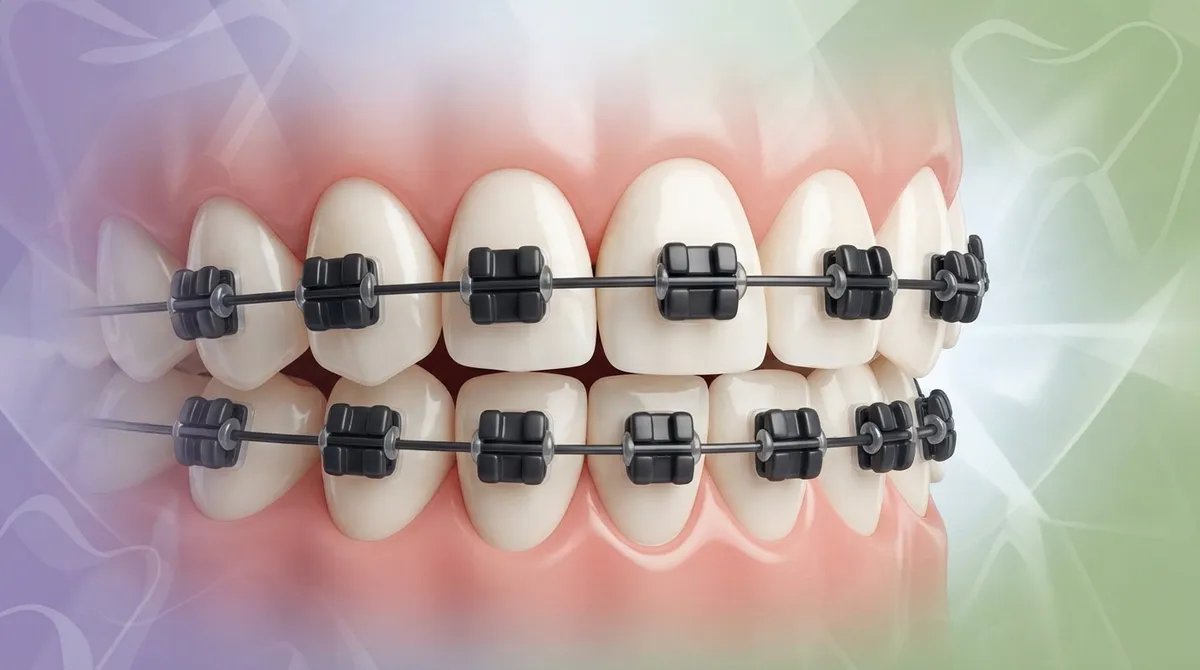
Let’s clear up the biggest mix-up first. “Black ceramic braces” is not a standard, widely recognized type of orthodontic bracket. It is more of a nickname people use when they describe a certain look.
Conventional ceramic brackets are made to blend in with your teeth. They are clear, translucent, white, or tooth-colored. So if you want black, the color usually comes from somewhere else.
Here are the most common ways people get a black look:
- Dark elastic ligatures: These small rubber bands hold the archwire to each bracket and can come in black or other dark shades.
- A customized look: Some patients mix and match colors for a style that feels personal.
- Another bracket material: A dark appearance may come from a different bracket type altogether.
The best move is to ask your orthodontist exactly which part will be black and what it is made of. That one question saves a lot of confusion later. You can also explore our guide on types of braces to see the full menu of options.
10 Black Ceramic Braces Mistakes to Avoid
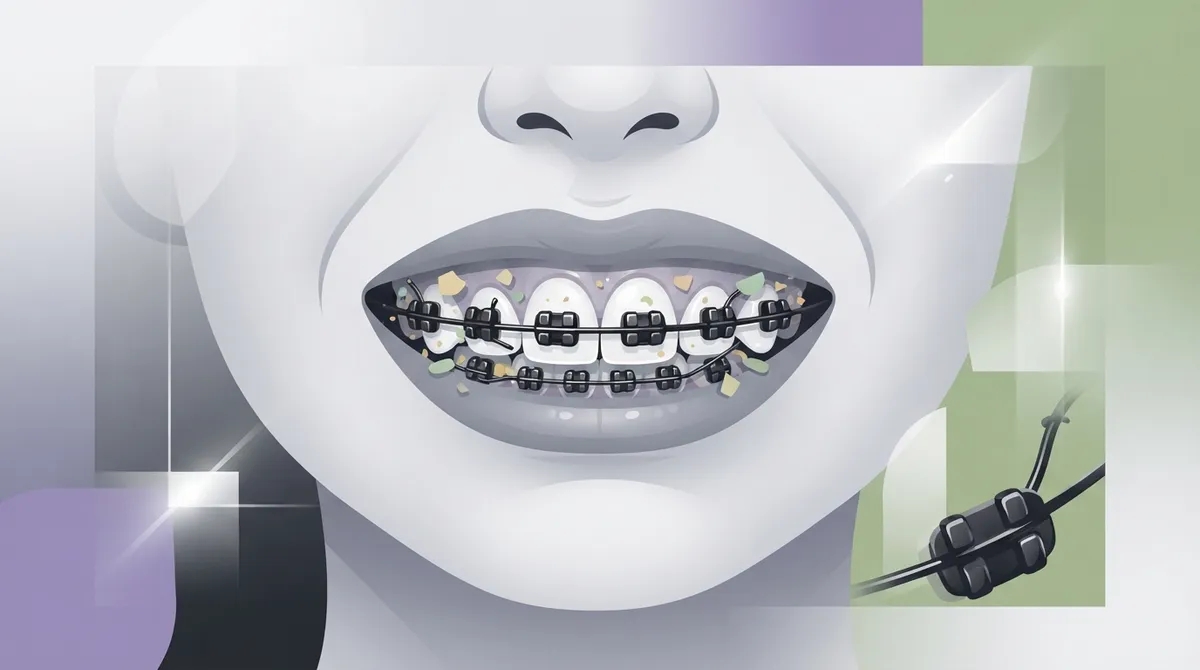
Now for the main event. Here are ten common mistakes people make when they are thinking about black ceramic braces, along with easy fixes for each one.
1. Assuming Black Ceramic Brackets Are a Standard Product
Many people walk into an office asking for black ceramic brackets as if they were on a shelf. In most cases, that is not how it works. Ask what is truly available and which parts can change color.
2. Skipping the Question About Materials
Never guess. Ask which component is black and what it is made of. A good orthodontist will happily explain every part of your braces in plain words.
3. Thinking Ceramic Means Invisible
Ceramic brackets are generally less noticeable than metal ones, but they are not invisible. The archwire and ligatures can still show. If you add black bands, your braces will stand out on purpose, which is great if that is the look you want!
4. Forgetting That Light Ligatures Stain
Clear or light-colored ligatures can pick up stains between appointments. Coffee, tea, and curry can all leave their mark. Dark ligatures hide stains better, which is one reason some people like them. The ceramic bracket itself is generally more stain-resistant.
5. Ignoring How Brittle Ceramic Can Be
Ceramic is more brittle than metal. A bracket may chip or fracture, especially with hard foods or heavy contact between teeth. Follow your food rules, and read our list of 13 foods to avoid with braces so you know what to skip.
6. Skipping the Mouthguard for Sports
Athletes, this one is for you. Ask your orthodontist about a mouthguard that fits over braces. It protects your brackets, your lips, and your teeth during practice and games.
7. Rushing Brushing and Cleaning
Plaque that sits around brackets can lead to gum irritation and white-spot marks on enamel. This risk is not unique to ceramic braces, because it applies to every fixed brace. Brush well and clean between your teeth every day. Our guide on how to properly brush teeth with braces makes it easy.
8. Judging Price Without Asking What Is Included
Ceramic braces often cost more than metal braces. One broad U.S. estimate puts them at about $4,000 to $8,000, but your price depends on your provider, your region, your case, and what the quote includes. Ask whether custom colors cost extra, and review our tips on orthodontic financing to plan ahead.
9. Trying to Remove Brackets Yourself
Please do not do this one at home! Ceramic brackets can be harder to remove than metal ones, and enamel damage is a real concern. Orthodontists use proper bonding and debonding methods to lower that risk. If a bracket breaks or feels loose, check our page on orthodontic emergencies for what to do next.
10. Not Checking If You Are a Good Fit
Ceramic braces can treat many alignment and bite problems, but suitability depends on your teeth and your treatment plan. Only a professional exam can tell you for sure. Skipping that step is the costliest mistake of all.
How Ceramic Braces Work
Think of ceramic braces as a close cousin of metal braces. They are fixed braces, which means small brackets are bonded to your teeth. An archwire connects the brackets, and gentle pressure slowly guides your teeth into place.
The big difference is the material and the look. Ceramic brackets are made to blend in more, which is why many teens and adults like them. The treatment itself follows the same basic idea as traditional braces. You can learn more in our overview all about braces.
Ceramic vs. Metal: A Quick Comparison
Here is a simple side-by-side look to help you weigh your choices.
| Feature | Ceramic Braces | Metal Braces |
|---|---|---|
| Visibility | Less noticeable, not invisible | Most noticeable |
| Strength | More brittle, may chip | Very sturdy |
| Staining | Bracket resists stains; light ligatures can stain | Colored bands can stain |
| Typical cost | Often higher | Often lower |
| Removal | Can be harder to remove | Generally easier to remove |
If you are curious about the classic route, see why traditional metal braces are still a top choice for many families.
What the Research Says
Studies on ceramic braces do not all agree, so it helps to read them with a calm, curious mind.
- A 2016 study cited by Healthline found ceramic brackets were more than twice as likely to break as metal brackets.
- A small 2020 study cited by Forbes Health reported bracket failure rates of 1% for ceramic and 7.2% for metal. This result differs from other durability comparisons.
- A small study of 20 teens, summarized by WebMD, found less long-term plaque buildup with ceramic than with metal braces. This is a limited finding and does not prove ceramic braces prevent plaque.
- A 2019 study cited by Forbes Health reported reduced enamel mineral content linked to ceramic braces, and WebMD notes more research is needed.
The takeaway? These are small, study-specific results. They are not universal rules. Your orthodontist can explain what fits your own mouth best.
How to Get the Bold Look Safely
Love the idea of a dark, dramatic style? Here is a simple path to get there without the stress.
- Book a consultation. Share your style goals and your health needs.
- Ask what is possible. Find out which bracket and ligature options your office offers.
- Choose your colors. If you like black, ask about dark ligatures on a bracket that suits your treatment.
- Confirm the cost. Ask what your quote includes and whether color choices change the price.
- Plan your care routine. Set up brushing, flossing, and a sports mouthguard if needed.
Who Might Love This Look?
Different people have different goals, and that is totally fine. Here are a few quick snapshots.
- Parents of kids and teens: A teen may enjoy picking bold colors, and flexible visits help your busy schedule. Check our guide on how to choose the right braces for teens.
- Young professionals: If you want a subtle option, clear ceramic or clear aligners may suit you better than dark bands.
- Event planners: Prepping for a wedding or graduation? Talk about timing early so your smile is ready for the big day.
- Adults returning to treatment: If your teeth shifted after past braces, see our adult orthodontics page.
Fun Options at Segovia Orthodontics
If you love personality in your smile, you have choices. WildSmiles braces come in playful shapes, including stars, hearts, and even Mickey Mouse brackets. They make treatment feel fun for kids and adults. For a modern, digital approach, LightForce orthodontics offers custom 3D printed brackets in clear or white options, designed to blend in naturally.
Led by Dr. Flor Segovia, a board-certified orthodontist, Segovia Orthodontics focuses on a warm, family-friendly experience. You can confirm credentials through the American Board of Orthodontics. Our team also provides bilingual care in English and Spanish.
Keeping Your Braces Looking Fresh
A little daily care goes a long way. Try these simple habits:
- Brush after meals and before bed with a soft toothbrush.
- Clean between teeth and around brackets every day.
- Limit dark drinks and sticky foods when you wear light-colored bands.
- Keep every appointment so your orthodontist can check progress.
- Bring your mouthguard to every game or practice.
These small steps protect your enamel and help your treatment finish on time. For more daily tips, read how to care for braces.
Your Next Step Toward a Confident Smile
Black ceramic braces sound exciting, but the smartest path is to know what you are really getting. Ask about materials, plan for care, and match your look to your lifestyle. When you do, you avoid the mistakes that cost time, money, and smiles.
Want to see what Segovia Orthodontics families say? You can visit us on Google — Segovia Orthodontics to read reviews, and follow along on our Instagram page and our Facebook page for smile stories.
Ready to chat about your options? Request an appointment today, or call us at 941-557-1333 and let’s plan your best smile together in 2026.
FAQs
Q: Are black ceramic braces actually available, or are the black parts just the elastic bands?
A: “Black ceramic braces” is not a standard bracket type. Ceramic brackets are usually clear or tooth-colored, so the black you see is often dark elastic bands or another material. Ask your orthodontist exactly which part is black and what it is made of!
Q: Can I choose black ligatures with clear or tooth-colored ceramic brackets?
A: Often, yes! The little elastic bands can come in many colors, including dark shades, depending on what your orthodontist offers. It is a fun way to personalize your look, so just ask during your visit.
Q: Do ceramic braces stain, and how can I keep them clean?
A: The ceramic bracket itself is generally stain-resistant, but clear or light bands can stain between appointments. Brush after meals, clean between your teeth daily, and go easy on coffee, tea, and dark sauces.
Q: How much do ceramic braces cost, and does a custom color cost extra?
A: One broad U.S. estimate is about $4,000 to $8,000, but prices vary by provider, region, and case. Ask what your quote includes and whether color choices change the cost, so there are no surprises.
Q: Are ceramic braces more likely to break than metal braces?
A: Ceramic is more brittle than metal, so brackets can chip, especially with hard foods. Study results vary, so follow your food rules and ask about a mouthguard if you play sports.
Our Service Area