Key Takeaways
-
Adults can straighten teeth at almost any age as long as their teeth and gums are healthy, so a professional oral health exam is the essential first step.
-
Clear aligners suit mild to moderate cases and offer a discreet look, while braces handle more complex bite movements; a licensed orthodontist can help you choose.
-
Only treatment planned and monitored by a licensed dental professional is safe; the FDA classifies clear aligners as prescription devices, not consumer products.
-
Specialist orthodontists treated 64% of adults in a consumer study, so choosing an orthodontist over a general dentist supports better tooth movement training.
-
Treatment length varies with case complexity, how teeth respond, and how closely you follow the plan, so be wary of one-size-fits-all timeline promises.
-
Teeth can shift back after treatment, so long-term retainer wear is commonly advised to protect your results.
Have you ever caught your reflection in a photo and wished your smile looked a little straighter? You are in very good company. Adults are choosing orthodontic care in record numbers. The American Association of Orthodontists estimated that its U.S. member orthodontists were treating about 1.91 million adults in 2024, up from about 1.64 million in 2022.
The good news is simple: age is not a barrier. If your teeth and gums are healthy, teeth straightening for adults can work for you. Whether you are a busy professional, a bride-to-be, or someone who had braces as a teen and noticed your teeth drifting, there is a path that fits your life.
This friendly guide walks you through the whole process, step by step. You will learn which options exist, how to pick one, what to expect, and how to keep your new smile for good. Think of it as a chat with a friend who happens to know a lot about orthodontics.

Why More Adults Are Straightening Their Teeth
Adults have many reasons to start treatment. Some want a more confident smile before a big event. Others want a healthier bite or easier cleaning. Many just feel ready after years of putting it off.
Here are the most common reasons we hear:
- Confidence: A straighter smile can make you feel great in meetings, photos, and everyday life.
- Life events: Weddings, graduations, and career milestones are strong motivators.
- Relapse: Teeth can shift after earlier treatment, especially if a retainer was not worn.
- Bite health: Crowding, gaps, and bite problems can make chewing and cleaning harder.
If any of these sound familiar, you are not alone. Our guide on adult orthodontics covers what makes treatment for grown-ups unique.

Step 1: Confirm You Are a Good Candidate
Adults can have orthodontic treatment at any age, as long as their teeth and gums are healthy enough. That is the main rule. Age alone does not stop you.
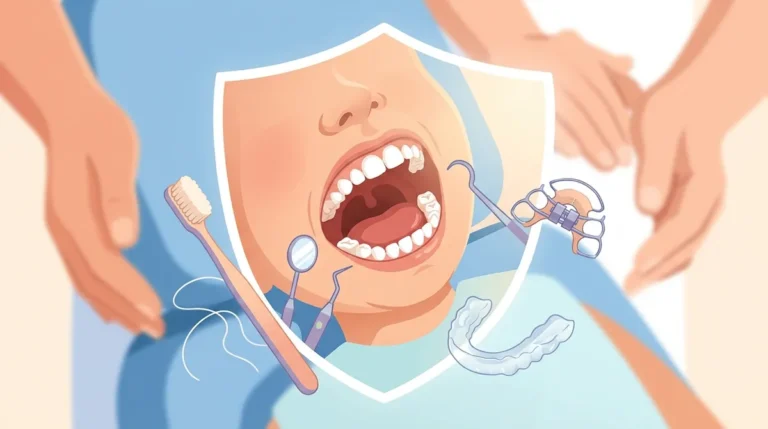
Before any tooth moves, a professional should check your oral health. This exam looks for things like active gum disease or tooth decay. These issues need care first, because moving teeth with untreated problems can cause harm.
A good candidate check usually includes:
- A full exam of your teeth, gums, and bite.
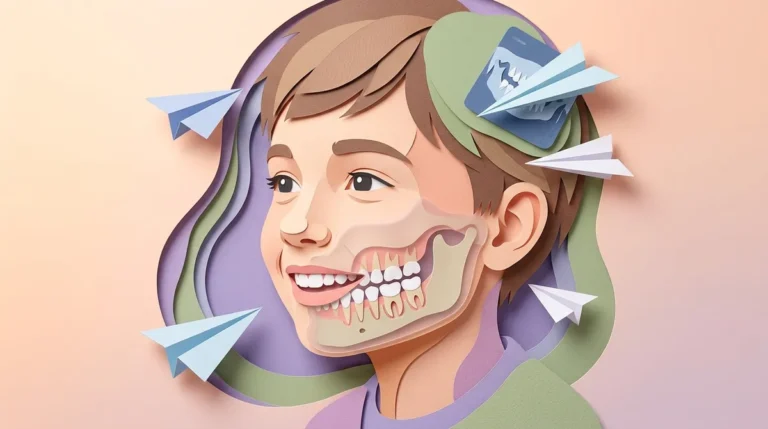
- X-rays or digital scans to see roots and bone.
- A review of existing dental work, such as crowns, fillings, or implants.
- A talk about your goals and your daily routine.
Existing crowns, fillings, or implants may affect your plan. Implants, for example, do not move like natural teeth. Telling your orthodontist about all your dental work helps them plan safely.
Step 2: Understand Your Teeth Straightening Options
Today’s adults have more choices than ever. The right one depends on your bite, your oral health, your goals, and your lifestyle. A licensed orthodontist helps you sort through them.
Traditional Metal Braces
Metal braces are the classic choice, and they are still a top performer. They handle simple and complex cases well. If you want to know why they remain popular, read about why traditional metal braces are still a top choice.
Ceramic and Clear Braces
Tooth-colored brackets blend in with your smile. They are a nice middle ground if you want fixed braces that are less noticeable. You can learn more in our post with 14 things to know about clear braces.
Lingual Braces
These braces sit behind your teeth, so they are hidden from view. They suit some cases, though not every bite is a match.
Clear Aligners
Clear aligners are custom-made, removable trays that move your teeth in small stages. They are popular with working professionals who want a discreet look. They are commonly used for mild to moderate crowding, spacing, and some bite problems. Not every case is right for aligners, so complex movements may call for braces or a mix of both. Explore our page on clear aligners to see how they work.
Step 3: Compare Braces and Clear Aligners
This is the big question for most adults. Here is a quick side-by-side look to help you think it through.
| Feature | Braces | Clear Aligners |
|---|---|---|
| Visibility | Visible (metal) or less visible (ceramic) | Nearly invisible |
| Removable | No, fixed to teeth | Yes, you take them out to eat |
| Best for | Mild to complex cases | Mild to moderate cases, some bite issues |
| Your responsibility | Careful cleaning and regular visits | Wearing trays as directed each day |
| Eating | Some foods to avoid | Remove trays to eat and drink |
Neither choice is better for everyone. The best option is the one that fits your bite and your life. For a deeper comparison, see braces vs. clear aligners: which is right for you.
Step 4: Look at What Segovia Orthodontics Offers
At Segovia Orthodontics at Lakewood Ranch, Dr. Flor Segovia helps patients of every age find the right fit. Our practice offers several modern options, including LightForce braces and Angel Aligners.
LightForce Braces
LightForce braces are a fully digital system. Each bracket is 3D printed and custom designed to fit your individual teeth. This can mean greater comfort and more efficient treatment. Clear or white bracket options also help the braces blend in with your smile.
Angel Aligners
Angel Aligners are clear, removable trays made for your teeth. They use a flexible tray followed by a firmer one in a repeating schedule, and many patients find them comfortable and discreet. They are a great fit for adults who want a low-profile option.
Not sure which suits you? Your first visit will answer that. You can also read about Dr. Flor Segovia and her board certified orthodontist training. To verify credentials for any orthodontist, you can also visit the American Board of Orthodontics.
Step 5: Choose a Supervised Treatment Plan
This step matters for your safety. Orthodontic treatment should be planned and monitored by a licensed dental professional. The FDA describes clear aligners as prescription devices. Its guidance does not authorize aligners sold directly to consumers without a prescription and professional supervision.
Why does supervision matter? Teeth are attached to bone and gums. Moving them without a proper exam can raise the risk of complications. An American Association of Orthodontists consumer study found orthodontists treated 64% of adults in treatment, while general or pediatric dentists treated 22% and mail-order providers treated 14%. Choosing a specialist gives you training focused on tooth movement.
Not sure whether to see a specialist or your regular dentist? Our post on orthodontist vs dentist explains the difference.
Step 6: Know How Long Treatment May Take
Everyone asks this, and the honest answer is: it depends. Treatment time varies with how complex your case is, how your teeth respond, and how closely you follow the plan.
Here is what shapes your timeline:
- Case complexity: Mild crowding often moves faster than a significant bite problem.
- Your adherence: Aligners must be worn as directed. Braces need regular visits and careful cleaning.
- How your teeth respond: Every mouth is different, and some teeth move more slowly.
Your orthodontist should give you an individual estimate. Be cautious of any one-size-fits-all promise. For a closer look, our guide on the teeth straightening timeline breaks it down further.
Step 7: Plan Your Budget and Payment
Cost is a real concern, and it is smart to plan ahead. The price depends on the treatment type, the length of care, and your needs. Many adults find that flexible payment options make treatment very doable.
A few ways to get started:
- Ask for a clear cost estimate at your consultation.
- Check whether your dental plan offers any orthodontic benefit.
- Ask about monthly payment plans or financing.
Our page on orthodontic financing explains the options, and our blog on how orthodontics payment plans actually work is a helpful read.
Step 8: Know the Possible Risks
Good care means being honest about risks. Most adults do very well, but it helps to know what can happen. Possible side effects include:
- Temporary soreness after adjustments or new trays.
- Gum irritation or, in some cases, gum recession.
- Tooth decay or white-spot marks if cleaning is not thorough.
- Root resorption, where the tip of a root shortens.
- Bite changes or treatment that does not progress as planned.
Most of these are preventable with good hygiene and regular checkups. Brushing well and flossing every day protect your smile during treatment. If you ever have a sudden problem, such as a poking wire, review our tips on orthodontic emergencies.
Step 9: Protect Your Results With a Retainer
Here is the step people forget, and it may be the most important. After active treatment, teeth can shift back. This is called relapse, and retainers are how you prevent it.
Retainers can be removable or fixed. Your orthodontist will explain your wearing schedule and the checkups you need. Long-term retention is commonly advised, so think of your retainer as a lifelong friend for your smile.
If you have had braces before and your teeth moved, do not feel bad. It happens to many adults, and it can often be corrected. Learn more on our orthodontic retainers page or read about fixed vs. removable retainers.
Step 10: Book Your First Visit
You have done your homework, and now it is time to take action. At your first visit, you can expect a friendly exam, a talk about your goals, and a clear look at your options. Come with questions, and do not be shy about asking about cost, timing, and comfort.
To prepare, read what to expect at your first orthodontic visit. You can also see what other patients say about us. Visit our location on Google by following this link: Visit us on Google — Segovia Orthodontics. For a peek at our smiling community, check out our Facebook page and our Instagram page.
Ready to Start Your Adult Smile Journey?
Teeth straightening for adults is more accessible than ever. With a healthy mouth, a licensed professional, and a plan that fits your life, a straighter smile is well within reach. Remember the key steps: confirm you are a candidate, compare your options, choose supervised care, plan your budget, and commit to a retainer.
At Segovia Orthodontics at Lakewood Ranch, we would love to help you feel confident in your smile. Request an appointment today, or call us at 941-557-1333 to talk with our friendly team. Your best smile is waiting, and it is never too late to start.
FAQs
Q: Can adults straighten their teeth at any age?
A: Yes, they can! Age alone is not a barrier. As long as your teeth and gums are healthy enough, you can start treatment at almost any stage of life.
Q: What is the best teeth straightening option for adults: braces or clear aligners?
A: It depends on your bite, your goals, and your lifestyle. Clear aligners are great for mild to moderate cases and offer a discreet look, while braces handle more complex movements. Your orthodontist will help you pick the best fit.
Q: How long does adult orthodontic treatment usually take?
A: Treatment time varies from person to person. It depends on how complex your case is, how your teeth respond, and how well you follow the plan, so your orthodontist should give you a personal estimate.
Q: Can adults get braces if they have gum disease, crowns, or fillings?
A: Often yes, but gum disease and decay must be treated first so your mouth is healthy. Crowns, fillings, and implants can affect planning, so it is helpful to share your full dental history at your exam.
Q: How long do adults need to wear retainers after treatment?
A: Teeth can shift back after treatment, so long-term retainer wear is commonly advised. Your orthodontist will explain the right schedule and whether a removable or fixed retainer is best for you.
Our Service Area