Key Takeaways
-
Teeth can shift back within days or weeks without a retainer, potentially undoing months of orthodontic work and requiring expensive retreatment with braces or aligners.
-
Wear your retainer full-time for 4-6 months after braces come off, then transition to nightly wear indefinitely as a lifelong habit to maintain results.
-
Choose between removable retainers (flexible, easy to clean) or fixed retainers (no compliance needed, invisible) based on your lifestyle and risk of forgetting to wear it.
-
Removable retainers need replacing every 2-3 years due to cracking, cloudiness, or loosening, so schedule regular checkups to catch wear early.
-
Fixed retainers require special cleaning tools like floss threaders or water flossers to prevent food debris buildup behind the wire, adding maintenance complexity.
-
Never soak retainers in hot water, wear them while eating sticky foods, or store them loose without a case, as these mistakes warp plastic and damage the appliance.
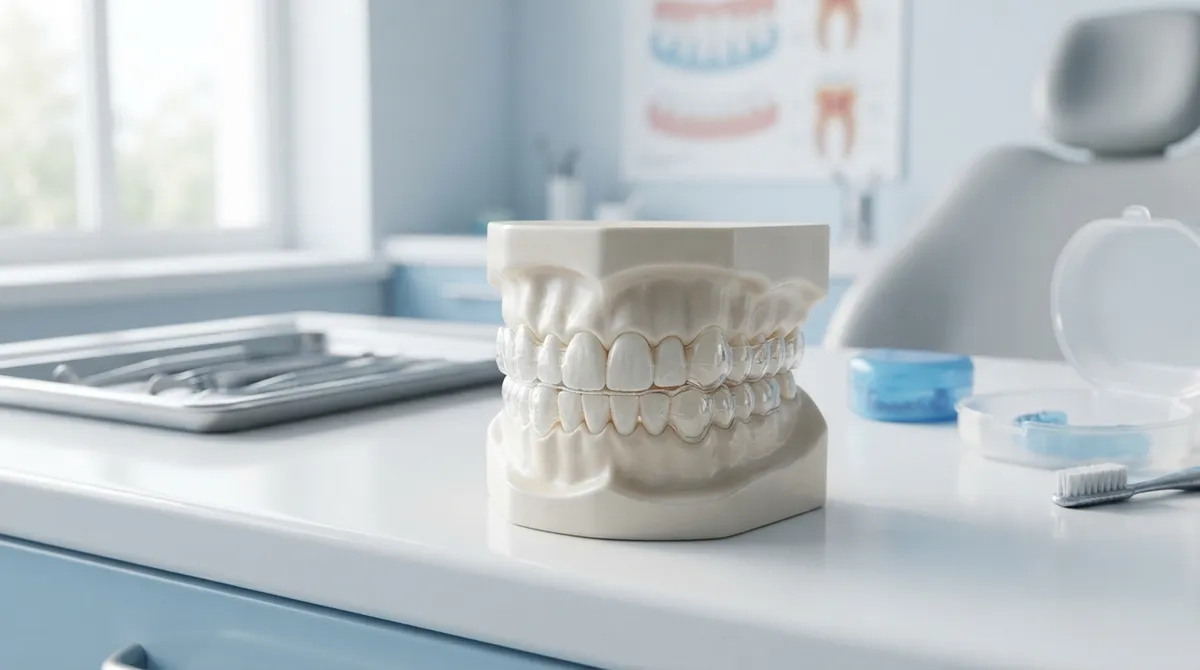
So, your braces just came off, and you’re grinning at your new smile every time you catch your reflection. Congratulations! That’s a huge milestone, and you should feel proud. But before you get too comfortable, there’s one more important step: retainers after braces. Think of this as the finale, not the credits rolling. Skipping it can undo months (or years) of hard work in just a few weeks.
Here at Segovia Orthodontics in Lakewood Ranch, we see this question every single day from parents, teens, and busy adults alike. Which retainer is right for you? Should you go removable or fixed? We’re breaking down both options so you can make a confident choice and keep that smile looking amazing for years to come.
Why Retainers After Braces Are Non-Negotiable
Let’s get one thing straight: almost every single patient needs a retainer after braces. It doesn’t matter if you had traditional metal braces, WildSmiles braces, or clear aligners. Your teeth are still settling into their new positions long after the brackets come off.
Here’s the science made simple. Your teeth sit inside bone and are wrapped by soft tissue called ligaments. When you had braces, those tissues stretched and reshaped around your teeth’s new spots. Retainers hold everything steady while the bone and tissue catch up and lock things into place.
- Teeth naturally shift throughout life, even without braces history
- Bone and gum tissue need months to fully stabilize around new tooth positions
- Retainers prevent “relapse,” the technical term for teeth drifting back
- Without proper retention, you may need a second round of treatment
- Retainers protect the investment you made in time, money, and effort
What Happens If You Skip Your Retainer?
This part surprises a lot of people. Teeth can start shifting back within just days or weeks of stopping retainer wear. It’s not a slow fade, it can happen fast. We’ve had patients come back after skipping their retainer for a summer, only to find their teeth had noticeably moved.
The frustrating part is that this shift can sometimes require another round of braces or aligners to fix. That’s an expense and time commitment nobody wants to repeat. If you’re already dealing with orthodontic relapse, check out our guide on adult orthodontics mistakes you should never make for helpful tips.
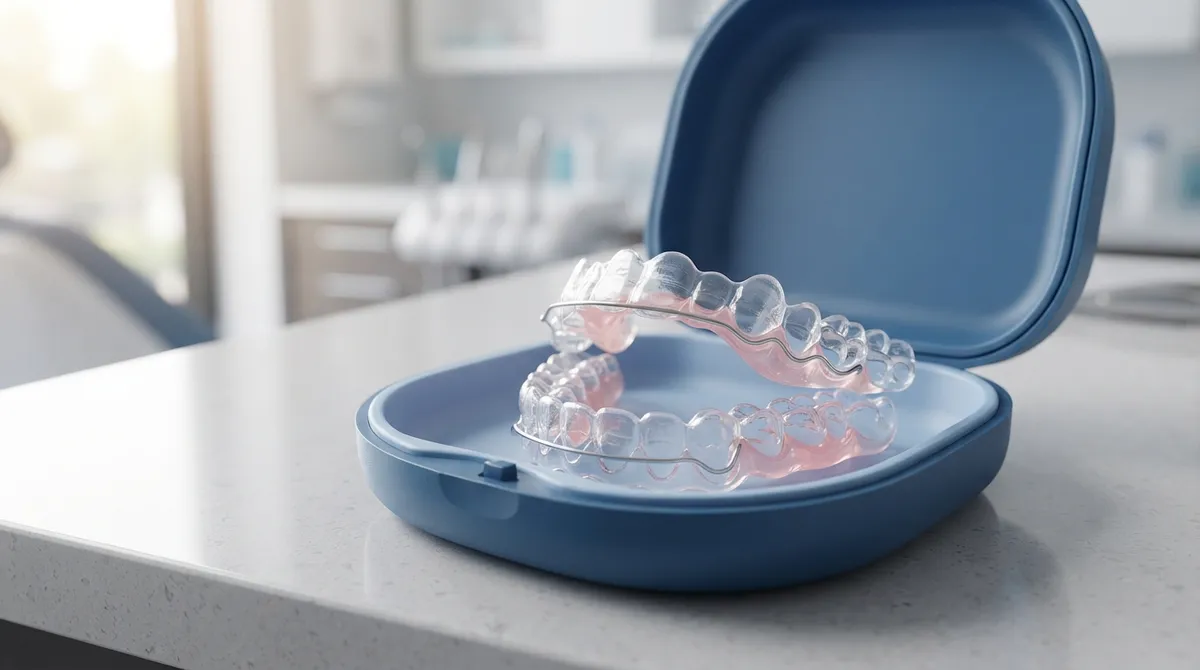
Removable Retainers: The Flexible Favorite
Removable retainers are exactly what they sound like. You pop them in and out yourself, which makes them a popular pick for busy families and adults juggling packed schedules.
Types of Removable Retainers
There are two main styles you’ll encounter, and each has its own personality.
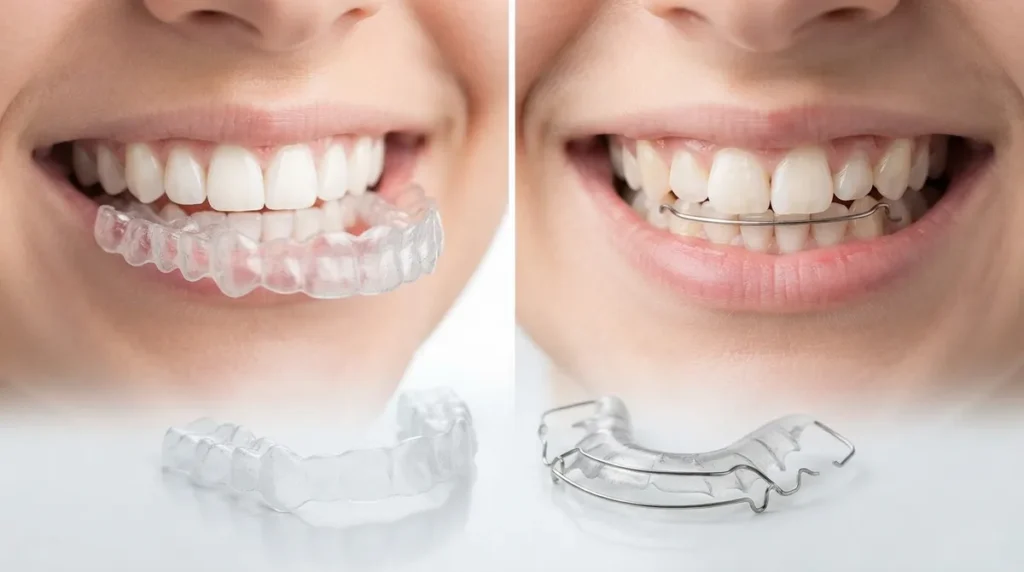
- Hawley Retainers: These classic retainers use a mix of acrylic and metal wire. They’re sturdy, adjustable, and have been trusted by orthodontists for decades.
- Clear Plastic Retainers: Often called Essix retainers, these look similar to clear aligner trays. They’re nearly invisible and popular with teens and image-conscious adults.
Both types do the same basic job: they hold your teeth in place while allowing you to remove them for eating, brushing, and special occasions like photos or presentations. Want to dig deeper into these two options? Our detailed comparison of the Hawley retainer vs clear retainer breaks down the pros and cons of each.
Caring for Your Removable Retainer
Cleaning your retainer isn’t complicated, but it does need to become a habit. Here’s a simple routine that works well for most patients.
- Rinse with cool water immediately after removing it, never hot water
- Brush gently with a soft toothbrush 2-3 times daily, ideally after meals
- Store it in its case when not worn, never wrapped in a napkin (pets and trash cans love to eat these)
- Avoid chewing gum or eating with your retainer in your mouth
- Bring it to checkups so we can inspect for wear and fit
Fixed Retainers: The Set-It-and-Forget-It Option
Fixed retainers, sometimes called bonded or permanent retainers, are thin metal wires attached directly behind your teeth, usually the lower front teeth. You can’t take these out yourself, which is actually the whole point.
Why Some Patients Prefer Fixed Retainers
For patients who worry about forgetting to wear a removable retainer, a fixed option removes that risk entirely. There’s no losing it, no forgetting it at a friend’s house, and no accidentally leaving it on a lunch tray.
- Zero compliance worries since the wire stays in place 24/7
- Invisible from the front, since it’s bonded behind the teeth
- Great for patients prone to losing removable devices
- Often used for the lower front teeth, which are most prone to shifting
Cleaning a Fixed Retainer Takes Extra Effort
Here’s the trade-off: fixed retainers require special tools to clean properly. Food debris can get trapped behind the wire, so a regular toothbrush alone won’t cut it.
- Floss threaders help you get dental floss behind the wire
- Water flossers make quick work of daily cleaning
- Interdental brushes can reach tight spots a regular brush misses
- Regular dental checkups catch any buildup you might have missed
Removable vs. Fixed: A Side-by-Side Comparison
| Feature | Removable Retainer | Fixed Retainer |
|---|---|---|
| Visibility | Hawley visible; clear type nearly invisible | Invisible from the front |
| Ease of Cleaning | Simple brush and rinse | Requires floss threaders or water flosser |
| Compliance Needed | Patient must remember to wear it | None, it stays in place automatically |
| Eating Restrictions | Must remove before eating | No restrictions, though sticky foods need caution |
| Lifespan | Typically 2-3 years before replacement | Can last many years if well maintained |
| Best For | Patients who want flexibility and easy cleaning | Patients worried about forgetting to wear it |
The Standard Retainer Wear Schedule
Every patient is a little different, but there’s a general pattern most orthodontists follow. The American Board of Orthodontics and other professional groups generally support this phased approach to retention.
- Months 1-6: Full-time wear, roughly 22 hours a day, removing only to eat and brush
- Months 6-12: Transition to nighttime-only wear as your teeth stabilize
- Year 1 and beyond: Nightly wear indefinitely to maintain your results for life
A 2010 survey of orthodontists found many recommend full-time removable retainer wear for at least 9 months after braces come off. The Canadian Association of Orthodontists similarly recommends 4 to 6 months of full-time wear before transitioning. The bottom line? Nighttime wear becomes a lifelong habit, much like brushing your teeth.
Retainers Don’t Last Forever
Here’s something many patients don’t realize: retainers wear out. Even with great care, plastic clouds over, wires can loosen, and acrylic can crack. Most removable retainers need replacing every 2 to 3 years.
- Cracks or chips in acrylic or plastic material
- A cloudy or foggy appearance on clear retainers
- Looseness or a retainer that no longer feels snug
- Visible wear on wires or clasps
If you notice any of these signs, it’s time to schedule a visit. This is also a great reminder that regular checkups matter well after your braces come off. Learn more about what to expect during ongoing visits in our post on your orthodontics appointment and how to prepare.
Tips for Making Retainer Wear a Breeze
We know life gets busy. Between school, work, and everything in between, remembering a retainer can slip your mind. Here are some tried-and-true tips our patients swear by.
- Keep your retainer case in the same spot every night, like your nightstand
- Set a phone reminder until it becomes second nature
- Pack a travel case for trips, so you never leave it behind at a hotel
- Clean it right after removing it, before food particles harden
- Bring it to every checkup so we can catch small issues early
Who Benefits Most from Each Retainer Type?
Different lifestyles call for different retainer choices. Here’s how it often breaks down for our patients at Segovia Orthodontics.
- Busy parents managing kids’ schedules often love removable retainers for easy cleaning between soccer practice and homework
- Young professionals attending client meetings may prefer the near-invisible clear removable style
- Teens preparing for big milestones like graduation photos appreciate the discreet, removable option for special events
- Adults returning after previous relapse often choose fixed retainers for that extra peace of mind
- Patients with a history of losing things (we don’t judge) tend to do better with a fixed wire retainer
Whichever option fits your life, Dr. Flor Segovia will walk you through the choice during your visit, taking into account your treatment history and daily habits. If you’re curious about how your specific case might play out, you can always contact us to chat with our team.
Common Retainer Mistakes to Avoid
Even well-meaning patients sometimes make small errors that shorten a retainer’s lifespan or cause discomfort. Here’s a quick list of what not to do.
- Boiling or soaking your retainer in hot water, which warps the plastic
- Wearing your retainer while eating, especially sticky or hard foods
- Storing it loose in a pocket or bag without a case
- Skipping days here and there, thinking “it won’t matter this once”
- Ignoring a retainer that feels too tight or loose instead of calling your orthodontist
For a deeper dive into avoidable errors, take a look at our article on orthodontic retainer mistakes to avoid. A little awareness goes a long way toward protecting your smile.
Why Choose Segovia Orthodontics for Retainer Care
At Segovia Orthodontics in Lakewood Ranch, we don’t just hand you a retainer and send you on your way. Dr. Flor Segovia, a board-certified orthodontist, takes time to explain your specific wear schedule and answer every question, no matter how small it seems. We offer bilingual care in English and Spanish, so language is never a barrier to understanding your treatment.
Whether you finished treatment with traditional braces, LightForce braces, or clear aligners, our team is here to support you through the retention phase. Curious what other families think of our care? You can visit us on Google — Segovia Orthodontics to read real reviews from our Lakewood Ranch community. You can also connect with us on our Facebook page or follow along with smile transformations on our Instagram page.
Ready to Protect Your New Smile?
Your straight smile took time, patience, and commitment to achieve. Don’t let it slip away because of a skipped retainer schedule. Whether you’re just finishing treatment or need a replacement retainer years down the road, our Lakewood Ranch team is ready to help.
Reach out today to request an appointment and let’s make sure your smile stays exactly the way you love it. Have questions right now? Feel free to call us at 941-557-1333 and our friendly team will be happy to help.
FAQs
Q: How long do I need to wear my retainer after braces?
A: Most patients wear their retainer full-time for the first 4 to 6 months, then switch to nights only. After that first year, nightly wear becomes a lifelong habit to keep your smile in place, so don’t be surprised when your orthodontist says forever!
Q: What happens if I don’t wear my retainer after braces?
A: Your teeth can start shifting back within days or weeks without a retainer. It’s called relapse, and it can undo months of hard work fast, sometimes requiring another round of treatment to fix.
Q: Are fixed retainers better than removable ones after braces?
A: It really depends on your lifestyle! Fixed retainers are great if you tend to forget things, while removable retainers offer more flexibility for cleaning and special occasions. Both work wonderfully when cared for properly.
Q: How do I clean my retainer after braces?
A: Rinse removable retainers with cool water and brush gently 2-3 times a day. Fixed retainers need floss threaders or a water flosser to clear out food debris trapped behind the wire.
Q: Do retainers go bad or need to be replaced?
A: Yes, retainers wear out over time! Most removable retainers need replacing every 2 to 3 years due to cracking, clouding, or loosening, even with great care.
Our Service Area