Key Takeaways
-
Orthodontists complete 2-3 years of specialized training beyond dental school focused on tooth movement and bite correction, making them distinct specialists unlike general dentists who handle routine cleanings and fillings.
-
Modern treatment options including clear aligners, ceramic braces, and 3D-printed LightForce braces now make orthodontics viable for adults and professionals who want discreet treatment that fits their lifestyle.
-
The American Association of Orthodontists recommends children have their first evaluation by age 7 to catch developmental issues early, though treatment may not start immediately.
-
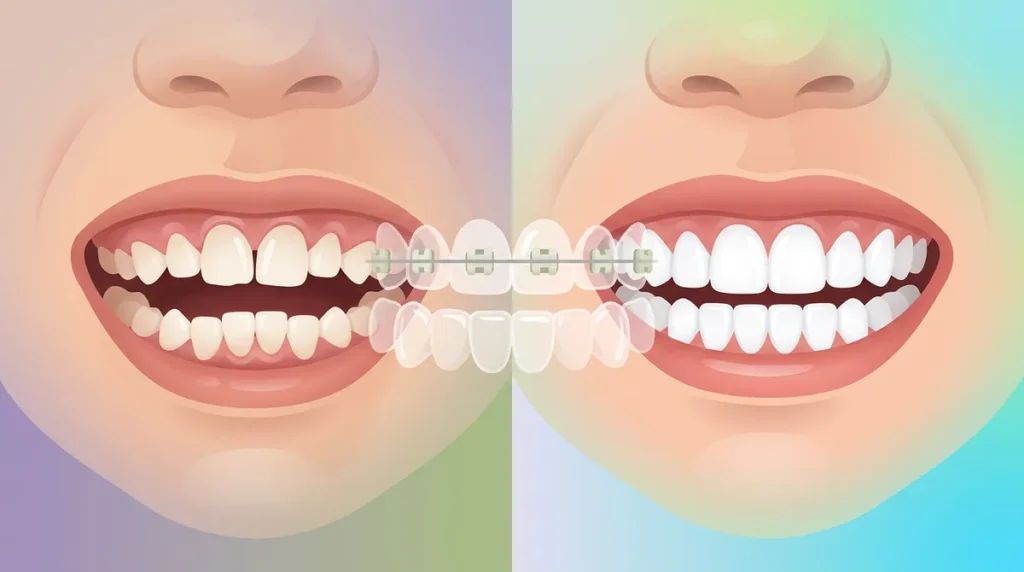
Straight teeth reduce cavity and gum disease risk, improve bite function to ease jaw pain, and boost confidence with long-term savings by preventing costly dental problems.
-
After braces or aligners are removed, wearing a custom retainer is essential to prevent teeth from shifting back, as skipping this step is a common reason for treatment relapse.
-
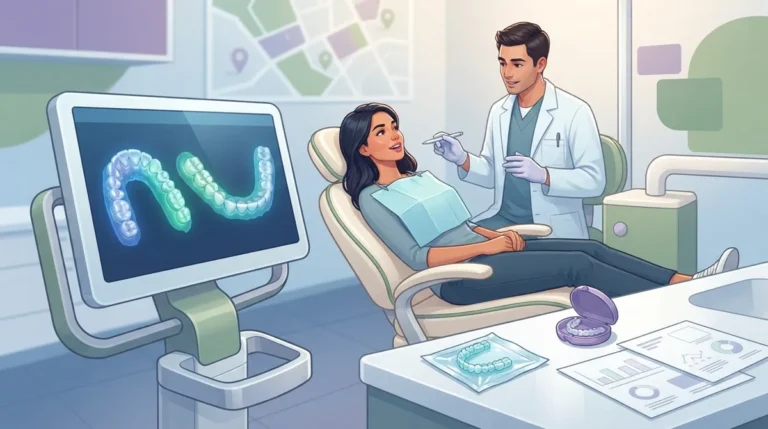
Your first orthodontic visit is a non-invasive evaluation including digital scans and treatment discussion with no needles or drills involved, designed to help you make informed decisions.
Have you ever looked in the mirror and wondered if your smile could look better? Maybe your teeth are a little crowded, or your bite feels off. That’s exactly where an orthodontist comes in! But many people aren’t sure what an orthodontist actually does — or whether they really need one. The good news is, you don’t have to be a kid with a mouth full of metal to benefit from orthodontic care. People of all ages are discovering how orthodontic treatment can change their lives, their confidence, and yes, their smile. Whether you’re a busy mom exploring options for your child, a young professional thinking about clear aligners, or an adult who wants to correct teeth that shifted after treatment years ago — this guide is for you. Let’s break down everything you need to know about what an orthodontist does, when to see one, and how to find the right fit for your family.
What Is an Orthodontist?
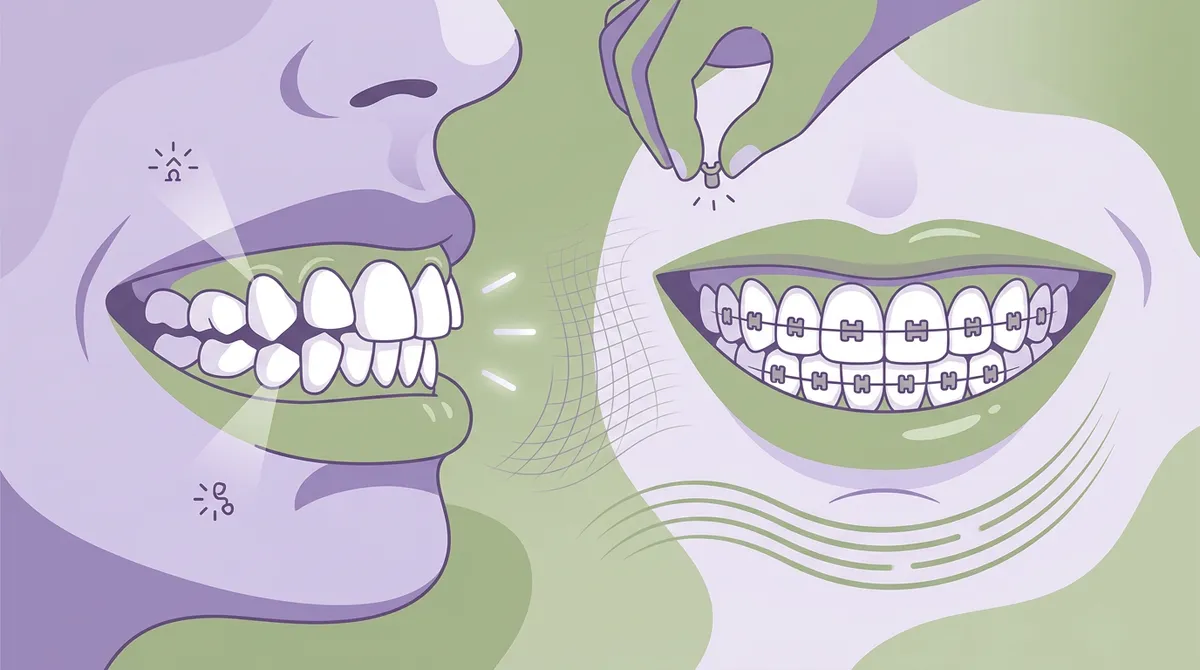
An orthodontist is a dental specialist who focuses on aligning teeth and jaws. They go beyond general dentistry by completing two to three additional years of specialized training after dental school. This extra education is focused entirely on how teeth move, how bites develop, and how to correct misalignment safely and effectively.
Not every dentist is an orthodontist. While your regular dentist checks for cavities and cleans your teeth, an orthodontist diagnoses and treats issues like crooked teeth, overbites, underbites, and crowding. Think of it this way: your dentist is like a general doctor, and your orthodontist is the specialist they refer you to for a very specific job.
To learn more about what makes a qualified specialist, you can check out the American Board of Orthodontics, which certifies orthodontists who have demonstrated exceptional skill and knowledge in the field.
What Does a Board-Certified Orthodontist Do?
A board-certified orthodontist has gone the extra mile. Board certification means they’ve passed rigorous written and clinical exams beyond their degree. It’s a voluntary achievement that shows a deep commitment to excellence in patient care.
Here’s what an orthodontist does during your treatment journey:
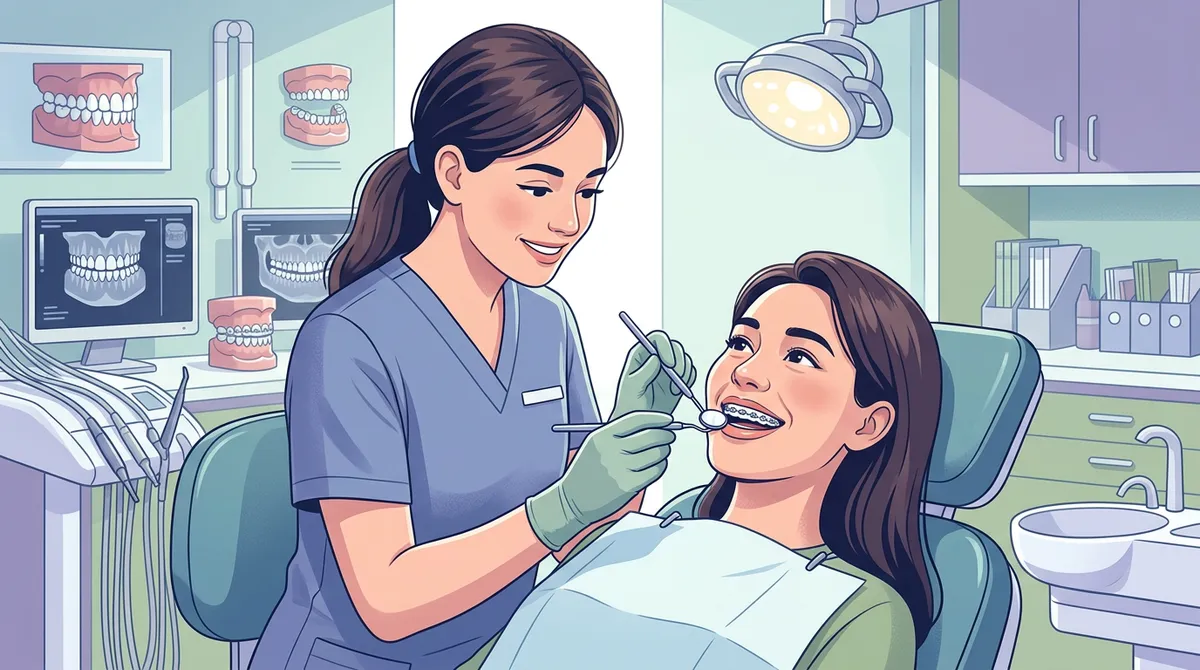
- Evaluates your smile: They examine your teeth, jaw, and facial structure using X-rays, photos, and digital scans.
- Creates a custom treatment plan: No two mouths are the same. Your orthodontist designs a plan specifically for your teeth and goals.
- Applies and monitors treatment: Whether braces or clear aligners, they guide your teeth into their correct positions over time.
- Adjusts your treatment along the way: Regular checkups allow your orthodontist to track progress and make changes as needed.
- Provides retainers after treatment: Once your braces or aligners are done, retainers help keep your smile in its new position.
Dr. Flor Segovia is a great example of this kind of dedicated specialist. You can learn more about her background and approach by visiting the Orthodontist Flor Segovia page. She provides bilingual care in English and Spanish, making her practice welcoming for a wide range of patients.
Common Problems an Orthodontist Can Fix
You might be surprised by how many issues fall under the orthodontic umbrella. It’s not just about straight teeth! Here are some of the most common problems an orthodontist treats:
- Crowded teeth: When there isn’t enough space for all your teeth to fit comfortably
- Overbite: When the upper teeth overlap the lower teeth too much
- Underbite: When the lower teeth sit in front of the upper teeth
- Crossbite: When upper and lower teeth don’t line up properly side to side
- Open bite: When upper and lower teeth don’t touch when the mouth is closed
- Gaps between teeth: Spaces that affect both appearance and function
- Shifted teeth: Teeth that have moved after previous orthodontic treatment
Curious if any of these apply to you? Check out our page on common orthodontic problems to learn more.
Treatment Options Your Orthodontist May Recommend
Modern orthodontics has come a long way. There are now more treatment options than ever before, meaning you can find something that works for your lifestyle, budget, and comfort level.
Traditional Metal Braces
Metal braces are tried, tested, and effective. They’re especially great for complex cases and younger patients. Today’s metal braces are smaller and more comfortable than they used to be. Some practices even offer fun options like WildSmiles Braces, which let kids customize the shape of their brackets. It makes the whole experience a little more fun!
Clear Braces
Clear or ceramic braces work just like metal braces but blend in with your teeth. They’re a popular choice for teens and adults who want effective treatment with a less noticeable look. Visit our types of braces page to explore all available options.
Clear Aligners
Clear aligners are removable trays that gradually shift your teeth. They’re nearly invisible and can be taken out to eat, drink, and brush your teeth. This makes them a favorite for young professionals and adults who want discreet treatment. Learn more on our clear aligners page.
LightForce Custom Braces
One exciting advancement in orthodontics is LightForce Orthodontics. These are 3D-printed, fully customized brackets designed specifically for your unique tooth shape. They can lead to more efficient treatment and better results.
Orthodontic Treatment at Every Age
One of the biggest myths about orthodontics is that it’s only for kids. That couldn’t be further from the truth! Here’s a quick look at how treatment varies by age group:
| Age Group | Recommended Start | Common Treatment Goals | Popular Options |
|---|---|---|---|
| Children (7–10) | First visit by age 7 | Guide jaw growth, prevent future issues | Expanders, early braces |
| Teens (11–17) | During growth spurts | Align teeth, correct bite | Metal braces, clear braces, aligners |
| Adults (18+) | Any time! | Aesthetics, relapse correction, function | Clear aligners, ceramic braces |
For younger children, early orthodontic treatment can make a big difference. For teens, we have tailored options on our teen orthodontic treatment page. And for adults, explore our adult orthodontics page to see what’s possible.
What to Expect at Your First Orthodontic Visit
Feeling nervous about your first appointment? Don’t be! Your first orthodontic visit is really just a conversation and an evaluation. There are no needles and no drills involved. Here’s a simple breakdown of what happens:
- Welcome and health history: The team reviews your medical and dental background.
- Smile evaluation: Your orthodontist examines your teeth, jaw, and bite.
- Digital records: X-rays, photos, and 3D scans may be taken using advanced orthodontic technology.
- Treatment discussion: Your orthodontist walks you through their findings and recommends a treatment plan.
- Questions and next steps: You get to ask all your questions and decide how you’d like to move forward.
It’s a relaxed, pressure-free experience designed to help you feel informed and confident about your options.
How to Choose the Right Orthodontist for Your Family
Finding the right orthodontist is a big deal. You want someone you trust, a team that makes you feel welcome, and a practice that fits your schedule and budget. Here are some things to look for:
- Board certification and advanced training
- A warm, friendly office environment
- A wide range of treatment options
- Flexible scheduling for busy families
- Financing options that make treatment affordable
- Great reviews from real patients
- Bilingual care if needed for your family
You can explore orthodontic financing options to find a payment plan that works for you. And if you want to know why patients choose Segovia Orthodontics, visit our Why Choose Us page.
We’d love for you to see what our community is saying about us! Visit us on Google to read real reviews from real patients. You can also follow our patient stories and tips on our Facebook page and stay inspired on our Instagram page.
What Happens After Your Braces Come Off?
Great question! Your treatment doesn’t end the day your braces are removed or you finish your aligner trays. After active treatment, your orthodontist will fit you with a retainer. Retainers are custom-made devices that hold your teeth in their new positions while the bone and tissues settle.
Skipping your retainer is one of the most common reasons teeth shift back over time. Think of your retainer as the guardian of your new smile. Learn all about keeping your results long-term on our orthodontic retainers page.
What If You Have an Orthodontic Emergency?
Broken bracket? Poking wire? It happens, and it’s okay! Your orthodontist is there to help. Most minor issues can be managed at home temporarily until you can get into the office. Visit our orthodontic emergency page for helpful tips on handling urgent situations.
If something feels seriously wrong, don’t wait. Reach out to your orthodontic team right away for guidance and support.
Why Orthodontic Treatment Is Worth It
Some people put off seeing an orthodontist because they think it’ll be too expensive, too time-consuming, or too uncomfortable. But the benefits of a properly aligned smile go far beyond aesthetics. Here’s why it matters:
- Improved oral health: Straight teeth are easier to clean, reducing the risk of cavities and gum disease.
- Better bite function: A corrected bite reduces wear on teeth and can ease jaw pain or headaches.
- Boosted confidence: A smile you love can transform how you feel in every social and professional situation.
- Long-term savings: Addressing problems early prevents more costly dental issues down the road.
Whether you’re preparing for a big milestone, returning to fix old relapse, or just finally ready to invest in yourself — orthodontic treatment is one of the best gifts you can give your health and happiness.
Take the Next Step Toward Your Best Smile
Now that you know what an orthodontist does, it’s time to take action! Whether you’re ready to book an appointment or just want to explore your options, the team at Segovia Orthodontics at Lakewood Ranch is here to help. Dr. Flor Segovia and her wonderful team are passionate about creating beautiful, healthy smiles for patients of all ages in a warm, supportive environment. You can also browse our FAQ orthodontic treatment page to get answers to your most pressing questions before your visit.
Don’t wait any longer to start your smile journey. Schedule your complimentary consultation today and take the very first step toward the smile you’ve always wanted. You deserve it!
FAQs
Q: How is an orthodontist different from a regular dentist?
A: Great question! While a dentist handles overall oral health like cleanings and fillings, an orthodontist specializes in aligning teeth and correcting bites. Orthodontists complete two to three extra years of specialty training after dental school, focused entirely on tooth movement and jaw development.
Q: At what age should my child first see an orthodontist?
A: The American Association of Orthodontists recommends children have their first orthodontic visit by age 7. Don’t worry — this doesn’t mean they’ll start treatment right away! It just gives your orthodontist a chance to monitor development and catch any potential issues early.
Q: How long does orthodontic treatment usually take?
A: Treatment length varies depending on each person’s unique needs. On average, most treatments take anywhere from 12 to 24 months. Your orthodontist will give you a more specific timeline after evaluating your teeth and creating your personalized treatment plan.
Q: Can adults really benefit from seeing an orthodontist?
A: Absolutely! Adults make up a significant and growing portion of orthodontic patients in 2026. Whether you want to correct teeth that have shifted over time or simply love the idea of a straighter smile, it’s never too late to start treatment. Discreet options like clear aligners make it easier than ever.
Q: Does orthodontic treatment hurt?
A: It’s normal to feel some soreness or pressure in the first few days after getting braces or starting a new set of aligners — your teeth are moving after all! Most patients find the discomfort very manageable and say it fades quickly. Your orthodontist will always make sure you’re as comfortable as possible throughout the process.
Our Service Area