Key Takeaways
-
Two-phase orthodontic treatment addresses jaw structure concerns early (ages 6-10) then fine-tunes tooth alignment later (ages 11-13), working with natural growth to prevent bigger problems and reduce extraction needs.
-
Phase 1 typically lasts 6-18 months using expanders or partial braces, followed by a monitored resting period where the orthodontist checks progress every 6-12 months before Phase 2 begins.
-
Two-phase treatment is not for every child—only those with specific issues like underbites, severe crowding, or protruding teeth benefit; the American Association of Orthodontists recommends first evaluation by age 7 to identify needs early.
-
Phase 2 uses full braces or clear aligners for 12-24 months to perfect tooth alignment, and is typically smoother and faster than single-phase treatment because Phase 1 addressed structural concerns.
-
Many practices bundle both phases into a single combined fee rather than charging twice, and flexible financing plus dental insurance help make two-phase treatment affordable for families.
-
A board-certified orthodontist has specialized training to understand jaw growth patterns and time treatment optimally, ensuring your child receives expert care rather than general dental treatment.
If your child’s dentist has ever mentioned “two-phase treatment,” you might have felt a wave of questions wash over you. What does it mean? Is it really necessary? Will it cost twice as much? You’re definitely not alone in wondering! As a parent, you want the best for your child’s smile — and understanding this approach can make all the difference. Two-phase orthodontic treatment is a specialized process designed to treat certain dental and jaw issues in two separate stages, giving growing children the best possible outcome. Let’s break it all down in plain, simple terms so you can feel confident making the right decision for your family.
What Exactly Is Two-Phase Orthodontic Treatment?
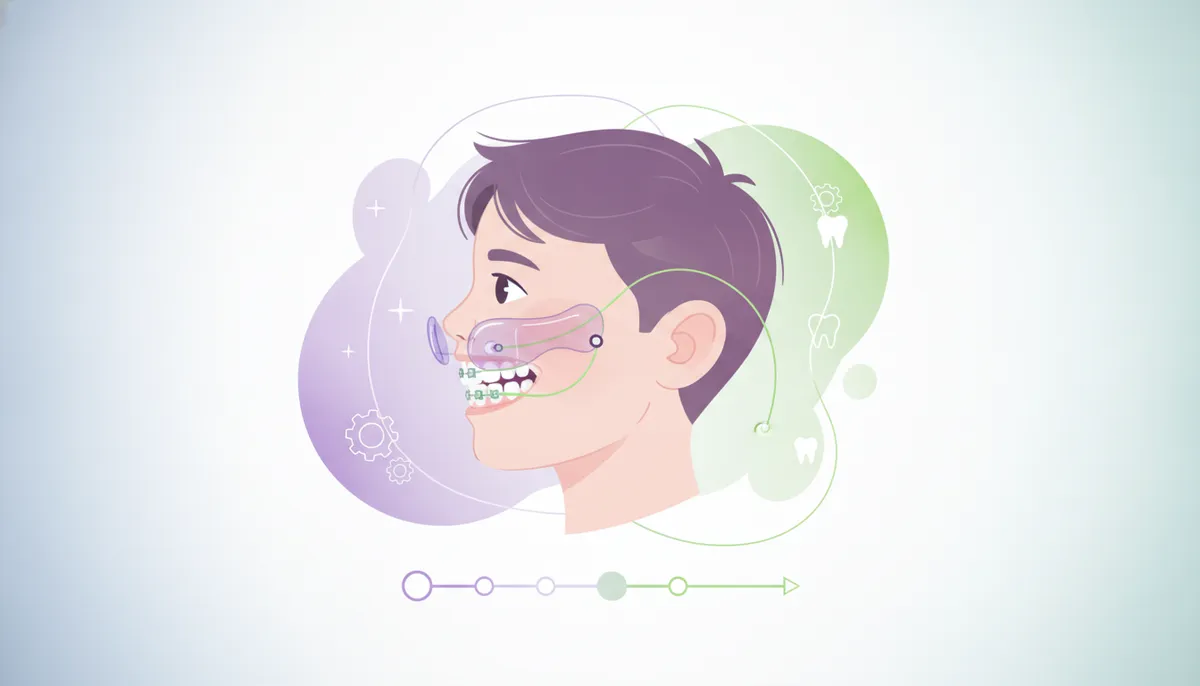
Two-phase treatment is a type of orthodontic care split into two distinct stages. The first phase happens when a child is still young — usually between ages 6 and 10. The second phase happens later, typically in the early teen years. The two stages work together to guide jaw development and tooth alignment as your child grows.
Not every child needs this approach. But for those who do, starting early can prevent much bigger problems down the road. Think of it like planting a tree — it’s far easier to guide a young, flexible sapling than to reshape a fully grown trunk. The goal of early orthodontic treatment is to take advantage of natural growth to fix problems more easily and effectively.
Why Two Phases Instead of One?
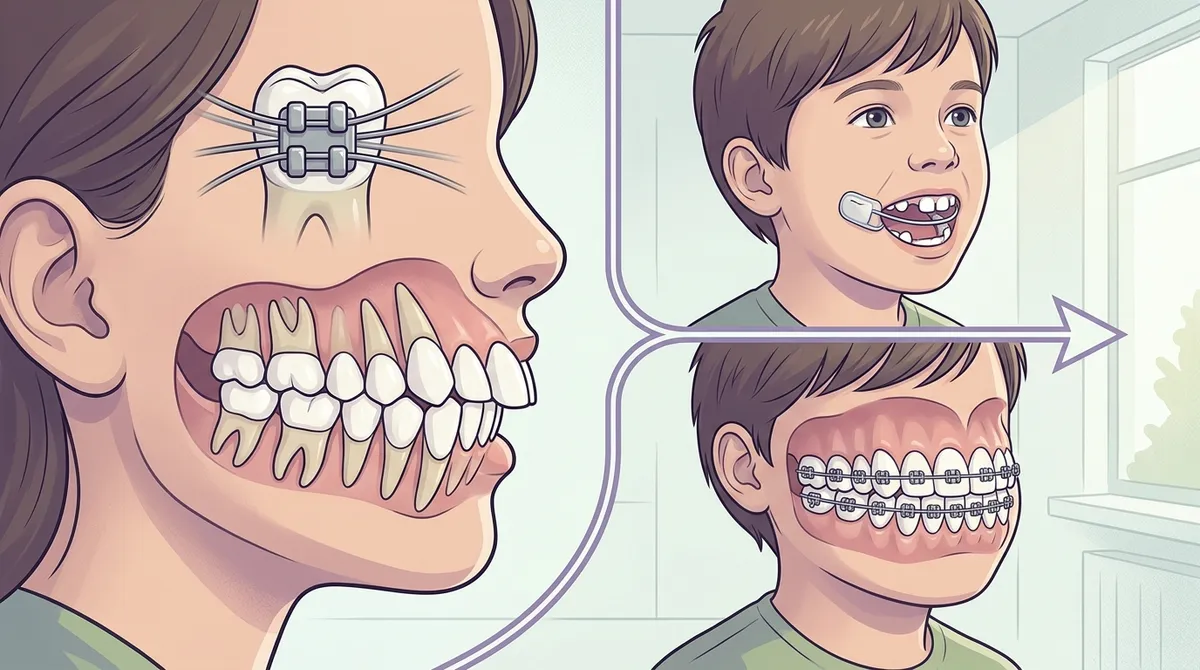
Great question! Some orthodontic issues are much easier to treat while a child’s jaw and bones are still developing. Waiting until all the permanent teeth come in can make treatment harder and more involved. Two-phase treatment allows the orthodontist to address jaw structure concerns early, then fine-tune tooth alignment later.
This approach can lead to shorter treatment times in Phase 2, better long-term results, and sometimes even reduced need for tooth extractions. It’s a smart, proactive strategy that works with your child’s natural growth — not against it.
Phase 1: The Early Intervention Stage
Phase 1 typically begins around ages 6 to 10. During this stage, your child still has a mix of baby teeth and permanent teeth. The orthodontist uses this window to address problems with jaw size, spacing, and bite alignment.
Common Issues Treated in Phase 1
- Crossbites that affect jaw development
- Severe crowding that may require space creation
- Protruding front teeth that risk injury
- Underbites or severe overbites related to jaw growth
- Habits like thumb-sucking that affect jaw shape
- Narrow arches that need expansion
Common tools used in Phase 1 include palate expanders, partial braces, or other removable appliances. These help create a proper foundation for permanent teeth. You can learn more about the common orthodontic problems that often lead to this type of early care.
How Long Does Phase 1 Last?
Phase 1 usually lasts about 6 to 18 months, depending on the child’s needs. After Phase 1 is complete, there’s a rest period called the “resting period” or “observation phase.” During this time, your child’s remaining permanent teeth are allowed to come in naturally. The orthodontist monitors progress with periodic check-ins.
Phase 2: The Fine-Tuning Stage
Once most or all of the permanent teeth have come in — usually around ages 11 to 13 — Phase 2 begins. This stage is where full braces or clear aligners are used to align all the teeth precisely and perfect the bite.
Because Phase 1 already addressed the bigger structural concerns, Phase 2 is often smoother and faster than it would have been without early treatment. You can explore teen orthodontic treatment options to see what works best during this stage of your child’s development.
What Happens in Phase 2?
- A full set of braces or clear aligners is placed on all permanent teeth
- The orthodontist fine-tunes tooth positions and bite alignment
- Regular adjustment appointments take place every 4 to 8 weeks
- Treatment typically lasts 12 to 24 months
- Retainers are fitted at the end to maintain results
After Phase 2, your child will need to wear orthodontic retainers to keep that beautiful smile in place. This is a crucial final step that many families overlook — but it protects all the hard work done in both phases!
How Does the Resting Phase Work?
The resting period between Phase 1 and Phase 2 is often misunderstood. Parents sometimes worry that treatment has stopped entirely. In reality, the orthodontist is still actively monitoring your child’s dental development during this time.
Check-ins during the resting phase might happen every 6 to 12 months. The orthodontist watches how the permanent teeth are erupting and prepares a plan for Phase 2. It’s a purposeful pause — not a gap in care.
Does Every Child Need Two-Phase Treatment?
No — and this is really important to understand! Two-phase treatment is not a one-size-fits-all solution. Many children do perfectly well waiting until all their permanent teeth come in before starting any orthodontic treatment. Only specific jaw and bite issues truly benefit from the two-phase approach.
The American Association of Orthodontists recommends that children have their first orthodontic visit by age 7. This doesn’t mean treatment will start right away — it just means an expert can identify any issues early and determine the best timing for care. Most children seen at age 7 do not need immediate treatment.
Signs Your Child May Benefit From Two-Phase Treatment
- Their upper front teeth stick out significantly
- Their lower teeth bite in front of their upper teeth (underbite)
- Their jaws shift or make noises when opening and closing
- They have difficulty chewing or biting
- They lost baby teeth very early or very late
- Their mouth looks too crowded for permanent teeth
- They breathe through their mouth regularly
If any of these signs sound familiar, it’s worth scheduling an evaluation. You can also check out 6 signs your child should see an orthodontist now for a helpful checklist.
Two-Phase Treatment at a Glance
| Feature | Phase 1 | Phase 2 |
|---|---|---|
| Typical Age | 6–10 years | 11–13 years |
| Goal | Guide jaw growth | Align all teeth |
| Common Tools | Expanders, partial braces | Full braces or clear aligners |
| Duration | 6–18 months | 12–24 months |
| Teeth Present | Mix of baby and permanent | Mostly all permanent |
Benefits of Two-Phase Treatment
- Better long-term outcomes — Addressing jaw problems early leads to more stable, lasting results.
- Reduced need for extractions — Creating space early can prevent the need to remove permanent teeth later.
- Shorter Phase 2 treatment time — Because the hard work is done in Phase 1, Phase 2 is often smoother and faster.
- Improved confidence — Fixing protruding teeth early protects your child from dental injuries and social challenges.
- Easier correction — Growing jaws respond better to treatment than fully developed ones.
To explore more about the advantages, check out 7 early orthodontic treatment benefits every parent should know.
What About the Cost of Two-Phase Treatment?
One of the biggest concerns parents have is cost. It’s true that two-phase treatment involves more appointments spread over a longer period. However, many practices bundle both phases into a single treatment plan with a combined fee. This can actually be more affordable than you might think.
Flexible financing options can make the cost very manageable. Orthodontic financing plans and payment options help spread the cost over time so it fits your family’s budget. Many dental insurance plans also contribute toward two-phase treatment, especially Phase 1.
Why Choose a Specialist for Two-Phase Treatment?
Two-phase treatment requires careful planning and expertise. A board-certified orthodontist has specialized training far beyond general dentistry. They understand how the jaw grows and how to time treatment for the best possible outcome. Working with a board-certified orthodontist gives you confidence that your child is in expert hands.
At Segovia Orthodontics, Dr. Flor Segovia brings warmth, skill, and dedication to every young patient. She uses advanced orthodontic technology to evaluate each child’s unique growth pattern and design a treatment plan that fits their needs. The practice also follows the high standards recognized by the American Board of Orthodontics, giving families peace of mind every step of the way.
Questions to Ask at Your Child’s Evaluation
- Does my child actually need two-phase treatment, or can we wait?
- What specific problem is Phase 1 addressing?
- How long is the resting period expected to be?
- What are the risks of waiting and only doing one phase?
- What will Phase 2 likely involve?
Don’t be shy about asking these questions! A good orthodontist will welcome them and explain everything clearly. You can also read our guide on how to ask the right orthodontic questions at your visit.
Helping Your Child Through Two-Phase Treatment
It’s normal for kids to feel a little nervous about orthodontic treatment. The good news is that most children adjust very quickly. Here are a few tips to make the journey easier:
- Talk positively about the process — frame it as exciting, not scary
- Celebrate small milestones, like completing Phase 1!
- Stay consistent with appointments to keep things on track
- Remind your child why they’re doing it — a healthy, beautiful smile
- Keep up with good oral hygiene throughout treatment
Follow along with our community and patient journeys on our Instagram page and our Facebook page to see real smiles being transformed every day. It’s incredibly motivating!
Taking the First Step for Your Child’s Smile
Two-phase treatment might sound like a big commitment — but for the right child, it can be a total game-changer. It’s about giving your child the best possible foundation for a lifetime of healthy, confident smiling. And remember: early evaluation doesn’t mean early treatment. It simply means you’ll have the information you need to make the best decision at the right time.
Wondering if your child could benefit from two-phase orthodontic treatment? Visit us on Google — Segovia Orthodontics to read what local families are saying about our care. Then, take the next step and schedule your child’s complimentary consultation today. Our friendly team is ready to answer every question and help your little one start their smile journey with confidence!
FAQs
Q: At what age should my child start two-phase treatment?
A: Phase 1 of two-phase treatment typically begins between ages 6 and 10, while a child still has a mix of baby and permanent teeth. The American Association of Orthodontists recommends a first orthodontic evaluation by age 7 — not because treatment always starts then, but so the orthodontist can catch any developing issues early and plan the best timing for care!
Q: What happens between Phase 1 and Phase 2 of treatment?
A: Between the two phases, there’s a resting period where your child’s remaining permanent teeth are allowed to come in naturally. Don’t worry — your orthodontist will still monitor your child’s progress with periodic check-ins during this time. It’s a purposeful pause, not a break in care!
Q: Does my child definitely need two-phase treatment?
A: Not necessarily! Two-phase treatment is only recommended for specific jaw and bite issues that benefit from early intervention. Many children do just fine waiting until all their permanent teeth come in before starting treatment. A consultation with a board-certified orthodontist is the best way to find out what your child truly needs.
Q: Is two-phase treatment more expensive than single-phase treatment?
A: Two-phase treatment does involve more appointments over a longer period, but many orthodontic practices offer a combined fee that covers both phases together. Flexible financing plans and dental insurance can also help make the overall cost very manageable for your family. Ask about payment options at your first consultation!
Q: What tools are used during Phase 1 of two-phase orthodontic treatment?
A: During Phase 1, orthodontists commonly use palate expanders, partial braces, space maintainers, or removable appliances — all designed to guide jaw growth and create space for permanent teeth. The specific tools used depend on your child’s unique needs and what issues are being addressed. Every treatment plan is personalized!
Our Service Area