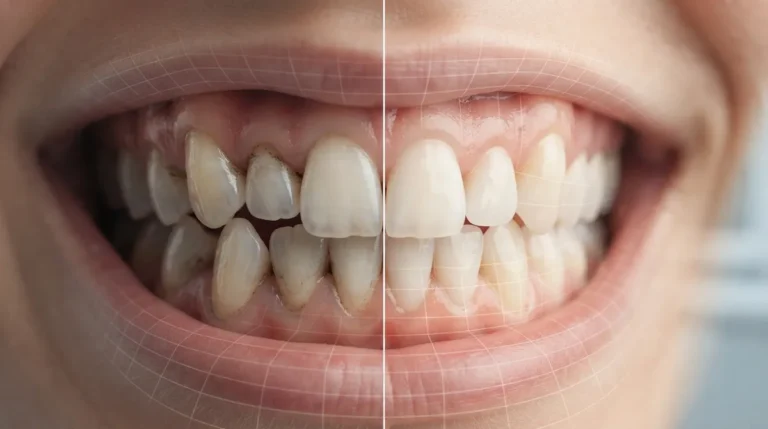
Key Takeaways
-
Misaligned bites can cause serious health problems including difficulty chewing, TMJ issues, and increased risk of cavities and gum disease, making correction an important investment in long-term dental health.
-
Early orthodontic evaluation by age 7 is recommended because jaw growth in children makes bite correction easier and faster compared to treating established malocclusion in older patients.
-
Modern malocclusion correction offers multiple discreet options including clear aligners, ceramic braces, and LightForce custom braces, making treatment accessible for professionals and teens concerned about appearance.
-
Treatment duration varies from 6-12 months for mild cases to 18-24+ months for complex bite issues; your orthodontist will provide a personalized timeline during the initial consultation.
-
Board-certified orthodontists undergo 2-3 years of specialized training beyond dental school and offer flexible financing options, making quality bite correction more affordable and accessible than many people assume.
-
Retention phase with a retainer after active treatment is crucial to protect your corrected bite long-term; skipping this step risks your teeth returning to their original misalignment.
Does your bite feel off? Maybe your teeth don’t come together quite right, or you’ve noticed crowding, gaps, or a jaw that seems out of alignment. If any of that sounds familiar, you might be dealing with a malocclusion — and you’re definitely not alone. Millions of people live with some form of bite misalignment, and the good news is that malocclusion correction has never been more accessible or comfortable. Whether you’re a mom researching options for your child, a young professional curious about discreet treatment, or an adult finally ready to address a bite issue that’s been bothering you for years, this guide is for you. We’ll walk you through everything you need to know — from understanding what malocclusion actually is, to exploring your treatment options, to taking your very first step toward a healthier, more confident smile.

What Is Malocclusion and Why Does It Matter?
Malocclusion simply means your teeth don’t align properly when you bite down. The word comes from the Latin for “bad bite,” and it can show up in many different ways. Some people have crowded or crooked teeth. Others have an overbite, underbite, crossbite, or open bite. Even spacing issues — like gaps between teeth — fall under this umbrella.
You might wonder: does it really matter if my bite is a little off? The answer is yes, and here’s why. A misaligned bite can make it harder to chew food properly. It can put extra stress on your jaw joints and muscles, sometimes leading to discomfort or TMJ issues. It can also make brushing and flossing more difficult, increasing your risk for cavities and gum disease. You can learn more about common orthodontic problems that often accompany malocclusion. And of course, there’s the confidence factor — a smile you love makes a real difference in how you feel every day.

Common Types of Malocclusion
Not all malocclusions look the same. Understanding your specific type helps you and your orthodontist choose the right treatment path. Here are the most common types you’ll hear about:
- Overbite: Your upper front teeth overlap too far over your lower teeth. A little overlap is normal, but too much can cause wear and jaw strain.
- Underbite: Your lower teeth sit in front of your upper teeth when you close your mouth. This can affect chewing and speech.
- Crossbite: Some upper teeth sit inside your lower teeth instead of outside. This can happen on one side or both.
- Open bite: Your upper and lower teeth don’t touch at all when your mouth is closed. This often affects the front teeth.
- Crowding: There’s not enough room in your jaw for all your teeth, causing them to overlap or twist.
- Spacing issues: Gaps or spaces between teeth, which can be caused by missing teeth or teeth that are too small for the jaw.
Each of these conditions has its own treatment considerations. For example, underbite correction may involve different approaches than fixing an overbite. Your orthodontist will evaluate your specific situation and create a plan just for you.
What Causes Malocclusion?
Malocclusion can develop for a variety of reasons. In many cases, it’s simply hereditary — just like your eye color, the size and shape of your jaw and teeth are influenced by genetics. But other factors can play a role too:
- Childhood habits like thumb-sucking or prolonged pacifier use
- Early loss of baby teeth (before permanent teeth are ready to come in)
- Jaw injuries or trauma
- Tumors or abnormal growths in the mouth or jaw area
- Poor dental care that leads to crowding or shifting teeth
- Mouth breathing over a long period of time
This is one reason why early orthodontic treatment is so valuable. Catching bite problems in childhood — when the jaw is still growing — often makes correction much easier and faster. The American Board of Orthodontics recommends that children receive their first orthodontic evaluation by age 7.
How Malocclusion Is Diagnosed
Getting an accurate diagnosis is the first step toward effective malocclusion correction. During your first orthodontic visit, your orthodontist will do a thorough evaluation. Here’s what that typically involves:
- Visual examination: Your orthodontist will look closely at your teeth, gums, and jaw alignment.
- X-rays and digital imaging: These help reveal the position of teeth roots and the structure of your jaw.
- Bite analysis: You’ll be asked to bite down so the orthodontist can assess how your teeth come together.
- Photos and records: Detailed photos help track progress over the course of treatment.
- Treatment planning: Based on all this information, your orthodontist creates a customized correction plan.
At Segovia Orthodontics, Dr. Flor Segovia uses advanced orthodontic technology to make this process as precise and comfortable as possible. You can also visit us on Google — Segovia Orthodontics to read reviews from real patients who’ve been through this process and come out smiling.
Malocclusion Correction Treatment Options
The right treatment for malocclusion depends on your age, the type and severity of your bite issue, and your personal preferences. The great news is that in 2026, there are more options than ever before. Here’s a look at the most effective approaches:
Traditional Metal Braces
Metal braces remain one of the most reliable tools for malocclusion correction. They use brackets and wires to gradually shift your teeth and jaw into proper alignment. They’re especially effective for complex bite issues that require precise, controlled movement. If you’d like to explore this option, check out our overview of all about braces to get started.
Clear Braces
Clear (ceramic) braces work the same way as metal braces but use tooth-colored or clear brackets. This makes them much less noticeable — a great option for teens and adults who want effective correction with a more discreet look. Learn more about types of braces to compare your options side by side.
Clear Aligners
Clear aligners are removable, custom-made plastic trays that gently move your teeth into position. They’re nearly invisible, easy to remove for eating and brushing, and very popular with adults and teens who want a discreet treatment option. They work well for mild to moderate malocclusion cases.
LightForce Custom Braces
For patients who want the power of braces with cutting-edge personalization, LightForce Orthodontics offers 3D-printed custom brackets designed specifically for your teeth. This innovative technology can make treatment more efficient and comfortable.
Comparison of Common Malocclusion Correction Options
| Treatment Option | Best For | Visibility | Removable |
|---|---|---|---|
| Metal Braces | Complex bite issues, all ages | Visible | No |
| Clear Braces | Teens and adults wanting discretion | Low visibility | No |
| Clear Aligners | Mild to moderate cases, adults | Nearly invisible | Yes |
| LightForce Braces | All ages, precision treatment | Low visibility | No |
What to Expect During Malocclusion Correction
Starting orthodontic treatment is exciting! But it helps to know what you’re getting into so there are no surprises along the way. Here’s a general timeline of what the malocclusion correction journey looks like:
- Initial consultation: Your orthodontist evaluates your bite, takes records, and discusses your treatment options.
- Treatment start: Braces are placed or your first set of aligners is delivered. You’ll get instructions on care and what to expect.
- Regular checkups: You’ll visit your orthodontist every 6-10 weeks for adjustments and progress checks.
- Treatment completion: Once your teeth and bite are in the right position, your braces come off or aligner treatment wraps up.
- Retention phase: You’ll wear a retainer to keep your new smile in place. This step is crucial! Learn more about orthodontic retainers and why they matter.
Treatment length varies depending on the severity of your malocclusion. Some cases resolve in as little as 6-12 months. More complex corrections may take 18-24 months or longer. Your orthodontist will give you a realistic estimate during your consultation.
Malocclusion Correction for Kids, Teens, and Adults
Bite correction isn’t just for kids. People of all ages can benefit from malocclusion treatment, and the approach will vary depending on your life stage.
- Children (ages 7-12): Early intervention can guide jaw growth and make later treatment simpler. This is often called Phase 1 or early treatment. Find out more about two-phase orthodontic treatment and whether your child might benefit.
- Teenagers: This is the most common time for full orthodontic treatment. Teens respond well because their jaws are still developing. Explore teen orthodontic treatment options designed with busy schedules in mind.
- Adults: It’s never too late! Adult orthodontics is more popular than ever in 2026, especially with discreet options like clear aligners available.
How to Choose the Right Orthodontist for Bite Correction
Not all dental providers are the same. For effective malocclusion correction, you want to see an actual orthodontist — not just a general dentist. Orthodontists complete an additional 2-3 years of specialized training beyond dental school, focused entirely on bite and alignment issues. For the highest level of expertise, look for a board-certified orthodontist who has passed rigorous clinical examinations.
Here are a few things to look for when choosing your provider:
- Board certification from a recognized orthodontic body
- Experience treating your specific type of malocclusion
- Access to modern technology and multiple treatment options
- Flexible scheduling and financing options
- A warm, welcoming office environment where you feel comfortable
You can follow our Instagram page to get a feel for the Segovia Orthodontics atmosphere and see real patient smiles. We also encourage you to connect with us on our Facebook page for tips, updates, and community stories.
Making Orthodontic Treatment Affordable
We know that cost is a real concern for many families. The good news is that malocclusion correction is more affordable than many people assume — especially when you work with a practice that offers flexible financing. Check out our orthodontic financing options to find a plan that fits your budget. Many patients are surprised at how manageable monthly payments can be.
Insurance can also help offset costs. If you have dental coverage, it may cover a portion of orthodontic treatment, especially for children. Learn how to use orthodontics insurance to save on your smile. And remember — investing in bite correction now can save you money on dental repairs and health issues down the road.
Steps to Start Your Malocclusion Correction Journey
- Schedule a consultation: Book your first appointment with a qualified orthodontist. Many practices offer complimentary consultations.
- Get your bite evaluated: Attend your evaluation and ask plenty of questions. Knowledge is power!
- Review your treatment options: Work with your orthodontist to choose the approach that fits your needs, lifestyle, and budget.
- Start treatment: Take the leap! The sooner you start, the sooner you’ll be enjoying your corrected smile.
- Commit to your retainer: After active treatment, wear your retainer as directed to protect your results long-term.
Ready to Correct Your Bite? Your Next Step Is Easy
Malocclusion correction is one of the most impactful things you can do for your health, your confidence, and your quality of life. Whether you’re dealing with a simple spacing issue or a more complex bite problem, modern orthodontic treatment can help — and it’s more comfortable and discreet than ever. The team at Segovia Orthodontics at Lakewood Ranch is here to guide you every step of the way, with personalized care, advanced technology, and a welcoming atmosphere for patients of all ages.
Don’t wait another day to take that first step toward a smile — and a bite — that feels great. You can request an appointment online at any time, or simply call us at 941-557-1333 to speak with our friendly team. We’d love to help you get started on your malocclusion correction journey!
FAQs
Q: How long does malocclusion correction typically take?
A: Treatment time really depends on how complex your bite issue is! Mild cases may take as little as 6-12 months, while more involved corrections can take 18-24 months or longer. Your orthodontist will give you a personalized estimate during your consultation — and we promise the results are absolutely worth the wait!
Q: Can adults get malocclusion correction, or is it just for kids?
A: Great news — malocclusion correction is for everyone! Adults of all ages can successfully correct their bite, and with today’s discreet options like clear aligners and clear braces, treatment fits beautifully into a professional lifestyle. It’s truly never too late to invest in a healthier smile.
Q: Is malocclusion correction covered by dental insurance?
A: Many dental insurance plans cover at least a portion of orthodontic treatment, especially for children. Coverage for adults varies by plan. We always recommend checking with your insurance provider and asking your orthodontic team to help you maximize your benefits — every bit of savings helps!
Q: What happens if I don’t correct my malocclusion?
A: Leaving a bite misalignment untreated can lead to some unwanted consequences over time, including uneven tooth wear, jaw pain, difficulty chewing, and a higher risk of cavities and gum disease. Correcting your bite isn’t just about looks — it’s a real investment in your long-term dental health and comfort!
Q: How do I know which malocclusion correction treatment is right for me?
A: The best way to find out is to schedule a consultation with a board-certified orthodontist! They’ll evaluate your specific bite issue, discuss your lifestyle and preferences, and recommend the option — whether braces, clear aligners, or another approach — that’s the best fit for your unique smile and goals.
Our Service Area