Key Takeaways
-
Ask for a detailed written cost estimate upfront that includes braces/aligners, adjustment visits, and retainers to avoid hidden fees later in treatment.
-
Verify your orthodontist is board-certified and ask about their specific experience treating cases similar to yours before committing to treatment.
-
Request a realistic treatment timeline based on your specific case complexity, plus the exact number of office visits needed to plan your schedule accurately.
-
Ask about emergency protocols for broken brackets or lost aligners before treatment starts, and clarify what happens after active treatment ends regarding retainer requirements.
-
Inquire which treatment options (braces, clear aligners, etc.) are realistic for your specific bite issues and why your orthodontist recommends one over others.
-
Ask how insurance covers orthodontic treatment, what it doesn’t cover, and how claims will be submitted to prevent surprise bills and confusion.
Walking into your first orthodontic consultation can feel a little overwhelming. There are so many treatment options, so many big words, and so many decisions to make about your smile (or your child’s smile). That’s totally normal! The good news is that knowing what questions to ask orthodontist teams during your visit can turn that nervous energy into confident, informed decision-making. Think of this guide as your friendly cheat sheet for walking in prepared and walking out feeling good about your next steps.
Whether you’re a busy mom juggling carpool schedules, a young professional eyeing clear aligners before a big presentation, or an adult ready to fix that relapse from your teenage braces, asking the right questions matters. At Segovia Orthodontics in Lakewood Ranch, Dr. Flor Segovia and her team love seeing patients come in with a list of questions. It shows you care about your treatment, and it helps everyone build a plan that actually fits your life.
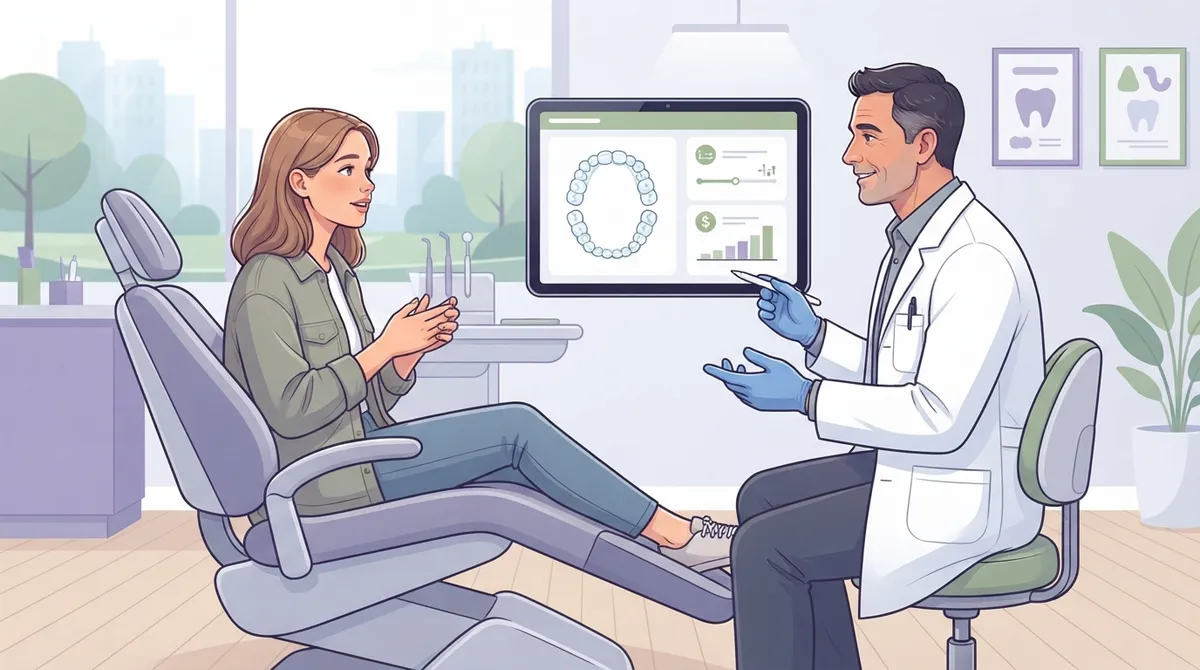
Why Asking Questions at Your Orthodontic Consultation Matters
Your first visit sets the tone for your entire treatment journey. This is your chance to understand exactly what’s happening with your teeth and bite before committing to months (or years) of care. Orthodontic guides across the industry agree: patients who ask thoughtful questions tend to feel more satisfied with their results and more prepared for what’s ahead.
Asking questions also helps you build trust with your provider. A good orthodontist welcomes your curiosity and takes time to answer clearly. If you ever feel rushed or brushed off during a consultation, that’s a sign worth paying attention to. You can learn more about what a caring, communicative visit looks like on our First Orthodontic Visit page.
The Five Categories Every Patient Should Cover
Most orthodontic consultation guides group the important questions into five simple categories. Keeping these in mind will help you stay organized during your appointment:
- Diagnosis and treatment options
- Timeline and number of visits
- Cost, payment plans, and insurance
- Technology and provider credentials
- Emergency care and retention after treatment
Let’s break down each category so you know exactly what to ask.

Questions About Diagnosis and Treatment Options
Before you talk about braces or aligners, you need to understand what’s actually going on with your teeth or bite. This is the foundation for everything that follows.
1. What Is Actually Wrong With My Bite or Alignment?
Ask your orthodontist to explain, in plain language, what they see on your X-rays or scans. Do you have crowding, spacing, an overbite, or a crossbite? Understanding the “why” behind your treatment plan helps you feel more invested in the process. Our page on Common Orthodontic Problems is a helpful resource if you want to learn more beforehand.
2. What Treatment Options Are Realistic for My Case?
Not every patient is a candidate for every treatment. Ask which options make sense for your specific situation, whether that’s traditional metal braces, clear braces, or clear aligners. At Segovia Orthodontics, patients can explore fun, kid-friendly options like Wildsmiles Braces, which feature playful bracket shapes that make treatment exciting for children and teens.
3. Why Do You Recommend This Option Over Others?
If your orthodontist suggests one treatment over another, ask them to explain their reasoning. For example, adults who want a more discreet option might be drawn to Lightforce Orthodontics, a fully digital bracket system designed for comfort and precision. Understanding the “why” helps you feel confident in your choice.
Questions About Timeline and Visit Frequency
Time matters, especially if you’re juggling work, school, or a big event on the calendar. Here’s what to ask about your treatment timeline.
4. How Long Will My Treatment Take?
Ask for a realistic estimate based on your specific case, not just a general average. Treatment length depends heavily on the complexity of your bite and alignment issues.
5. How Many Office Visits Will I Need?
Some treatments require frequent adjustments, while others need less hands-on time. If you’re a career-focused professional or a busy parent, this question helps you plan your schedule realistically.
6. Can Treatment Be Sped Up If Needed?
If you have a wedding, graduation, or big event coming up, ask about faster treatment options. Our article on how to get a straighter smile faster in 2026 covers some helpful strategies worth discussing with your orthodontist.
Questions About Cost, Payment, and Insurance
Money matters shouldn’t be a mystery. A trustworthy orthodontic office will always give you clear answers about pricing.
7. What Is the Total Cost in Writing?
Ask for a detailed, written estimate that includes everything: the braces or aligners, adjustment visits, and retainers. Avoid relying only on a monthly payment number, since that can hide the full picture.
8. What Payment Plans Are Available?
Many practices offer flexible financing to make treatment more manageable. Learn more about your options on our Orthodontic Financing page.
9. How Does My Insurance Handle Orthodontic Treatment?
Ask specifically what your insurance covers, what it doesn’t, and how claims will be submitted. This prevents surprise bills down the road.
| Cost Question | Why It Matters |
|---|---|
| Total fee in writing | Prevents hidden costs later in treatment |
| What’s included | Clarifies if retainers and visits are covered |
| Payment plan options | Helps you budget monthly without financial stress |
| Insurance coordination | Reduces confusion about claims and reimbursements |
Questions About Technology and Provider Credentials
Not every dentist is trained the same way in orthodontics, so it’s worth asking about qualifications.
10. Are You a Board-Certified Orthodontist?
This is one of the most important questions you can ask. A board-certified orthodontist has completed additional specialized training beyond dental school. Dr. Flor Segovia is a Board Certified Orthodontist, and you can verify credentials through the American Board of Orthodontics for extra peace of mind.
11. Have You Treated Cases Like Mine Before?
Ask about their experience with your specific issue, whether it’s an underbite, crowded teeth, or a complex bite correction. You can read more about Dr. Segovia’s background on her Orthodontist Flor Segovia page.
12. What Technology Do You Use for Planning and Treatment?
Modern practices often use digital scanning, 3D printing, and AI-driven treatment planning. Ask how these tools might benefit your specific case. Our Advanced Orthodontic Technology page explains how these innovations improve comfort and speed.
Questions About Emergencies and Retention
Treatment doesn’t end when the braces come off or the last aligner is worn. This category is often overlooked, but it’s just as important as the rest.
13. What Should I Do If a Bracket Breaks or a Wire Pokes?
Ask about your provider’s emergency protocol before you actually need it. Knowing what to do ahead of time reduces stress if something happens on a weekend or holiday. Our Orthodontic Emergency page walks through common situations and what steps to take.
14. What Happens If I Lose or Damage an Aligner?
This is especially important for patients using Clear Aligners, since replacement timelines can affect your overall treatment schedule.
15. What Happens After My Active Treatment Ends?
Ask specifically about retainers. Will you need a removable retainer, a fixed retainer, or both? How long will you need to wear it? Skipping this question is one of the biggest mistakes patients make, since retainers are essential for preventing relapse. Learn more on our Orthodontic Retainers page.
A Simple Checklist for Your Consultation
Here’s a quick numbered list you can bring with you (or save on your phone) for your next appointment:
- What exactly is wrong with my bite or alignment?
- What treatment options fit my specific case?
- Why do you recommend this option over others?
- How long will treatment realistically take?
- How many office visits will I need?
- What is the total cost in writing?
- What payment plans and insurance options are available?
- Are you a board-certified orthodontist?
- What happens during a bracket or aligner emergency?
- What retainer plan will I need after treatment?
Tailoring Your Questions to Your Life Stage
Different patients have different priorities, so it helps to think about your own situation before your visit.
- Parents of children and teens: Ask about flexible scheduling, fun bracket options like WildSmiles, and early treatment timing. Explore our Early Orthodontic Treatment and Teen Orthodontic Treatment pages for more details.
- Young professionals: Ask about discreet options like clear aligners and how treatment might affect your appearance at work.
- Busy career-focused adults: Ask about efficient treatment timelines and fewer required office visits.
- Life event planners: Ask specifically if your timeline lines up with your wedding, graduation, or big event date.
- Adults correcting relapse: Ask what caused your teeth to shift back and how a new retainer plan will prevent it from happening again.
No matter which category fits you best, our Adult Orthodontics and Types Of Braces pages offer more detailed guidance for your specific needs.
What Makes a Great Orthodontic Consultation Feel Right
Beyond the specific questions, pay attention to how the consultation feels overall. A great orthodontic team will:
- Answer your questions clearly without rushing you
- Explain your diagnosis in simple, understandable language
- Provide written estimates instead of vague verbal numbers
- Welcome follow-up questions after your visit
- Make you feel comfortable, not confused or pressured
If you want to see how other families feel about their experience, check out Visit us on Google — Segovia Orthodontics to read real reviews from our Lakewood Ranch patients. You can also follow along on our Facebook page and our Instagram page for smile transformations and helpful tips.
Bringing It All Together
Asking the right questions at your orthodontic consultation isn’t about being difficult or overly cautious. It’s about being an informed, empowered patient who understands exactly what to expect. From diagnosis to retention, every question on this list helps build a clearer picture of your treatment journey.
At Segovia Orthodontics in Lakewood Ranch, Dr. Flor Segovia and her bilingual team genuinely enjoy walking patients through every detail, big or small. Whether you’re exploring playful WildSmiles brackets for your child, considering LightForce’s digital precision, or weighing Angel Aligners for a discreet adult treatment, we want you to feel fully informed every step of the way. Learn more about our approach on our Why Choose Us page.
Ready to bring your list of questions to a friendly, judgment-free consultation? Request an appointment today, or feel free to call us at 941-557-1333 if you have questions before your visit. We can’t wait to help you start your journey toward a smile you’ll love.
FAQs
Q: What questions should I ask at my first orthodontic consultation?
A: Start by asking what’s actually wrong with your bite or alignment, then move into treatment options, timeline, and cost. It’s also smart to ask about the orthodontist’s credentials and what happens if you have an emergency. Bringing a written list helps you stay organized and feel confident during your visit!
Q: How do I know if I need braces or clear aligners?
A: Your orthodontist will look at your specific alignment issues and lifestyle needs to recommend the best fit. Ask why one option is suggested over another, especially if you’re curious about discreet choices like clear aligners. There’s no one-size-fits-all answer, so this conversation is key.
Q: How much does orthodontic treatment cost?
A: Costs vary widely based on your treatment type and complexity, so always ask for a written estimate that includes everything. Don’t just focus on the monthly payment number, ask what’s included and how insurance factors in. We’re happy to walk you through financing options at your visit.
Q: What should I ask about retainers after braces?
A: Ask what type of retainer you’ll need, how long you’ll wear it, and how often you’ll need follow-up checks. Retainers are essential for keeping your smile in place, so this question really shouldn’t be skipped. It’s one of the most important parts of your long-term treatment plan.
Q: What happens if a bracket breaks or I lose an aligner?
A: A good orthodontic office will have a clear emergency plan you can follow right away. Ask about this during your consultation so you’re never caught off guard. Knowing the steps ahead of time makes handling these little hiccups so much less stressful.
Our Service Area