Key Takeaways
-
Braces discomfort peaks within the first 24-72 hours after placement or adjustment, then fades within 3-5 days; this predictable timeline makes pain manageable and temporary.
-
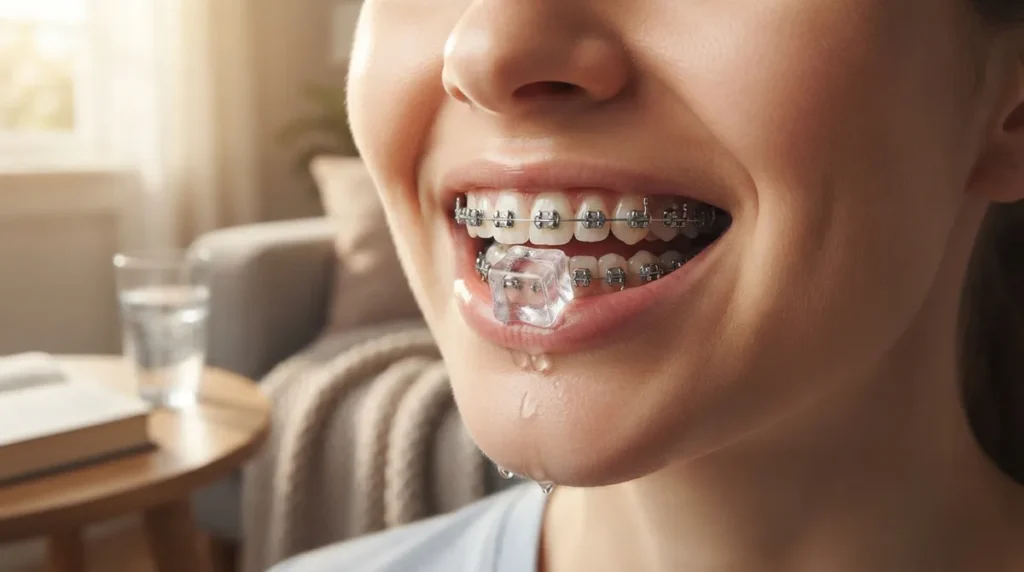
Apply orthodontic wax to irritating brackets, use cold foods, take OTC pain relievers, and rinse with warm salt water—these specific home remedies provide fast relief without needing to endure soreness.
-
Contact your orthodontist if pain feels severe, doesn’t improve after a week, or if you notice loose brackets, sharp wires, or signs of infection, as these indicate problems requiring professional attention.
-
Clear aligners and traditional braces cause similar mild discomfort through different mechanisms, so pain levels are comparable when choosing between treatment options.
So you’re staring down the barrel of orthodontic treatment, and one question keeps popping up: will braces hurt? We get it. Nobody wants to sign up for weeks of aching teeth. Here’s the good news: braces pain and discomfort is almost always mild, predictable, and totally manageable with a few simple tricks. Whether you’re a mom scheduling your teen’s first appointment, a busy professional squeezing in clear aligners between meetings, or an adult finally fixing that relapse from years ago, understanding what to expect makes the whole journey feel a lot less scary.
At Segovia Orthodontics in Lakewood Ranch, we hear this question every single day. Dr. Flor Segovia and her team have guided patients of all ages through this process, and one thing is always true: the discomfort is temporary, and it’s actually a sign that your smile is transforming. Let’s break down exactly why braces cause soreness, how long it lasts, and what you can do to feel better fast.
Why Braces Cause Pain and Discomfort in the First Place
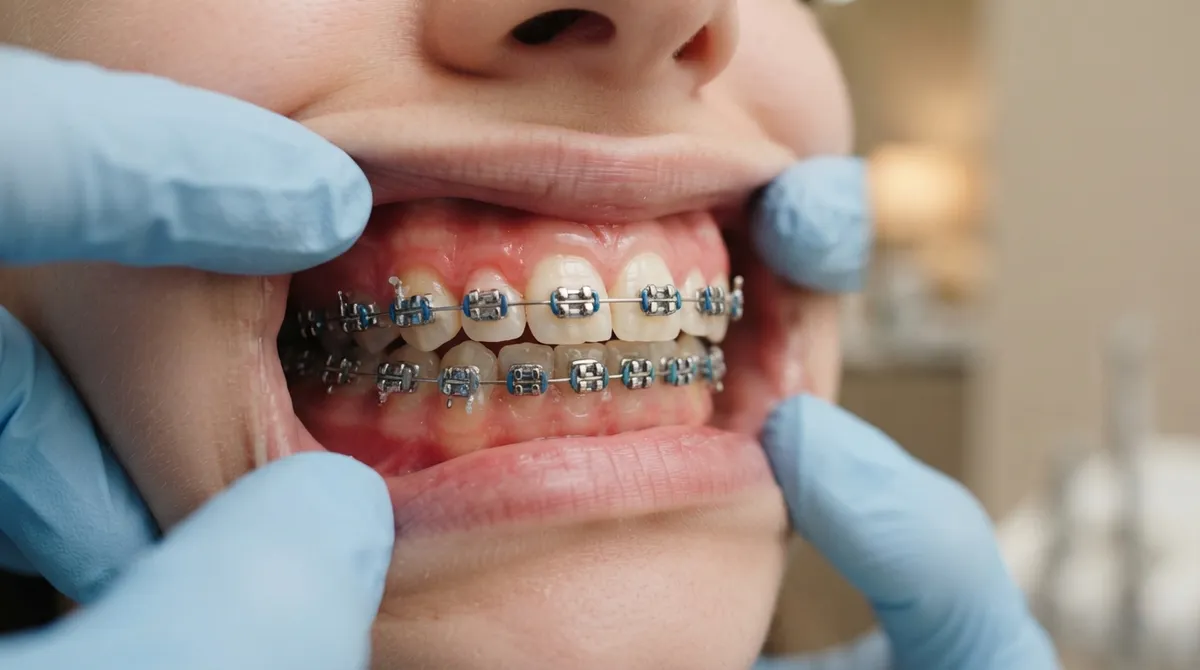
Braces work by applying steady pressure to your teeth. That pressure gently shifts them into a straighter position over time. This is a normal, expected part of orthodontic treatment, not a sign that anything is wrong.
Think of it like starting a new workout routine. Your muscles feel sore after use, but that soreness means they’re getting stronger. Your teeth respond in a similar way. The ligaments around each tooth adjust to the new pressure, and that adjustment period is where the mild aching comes from.
The Main Triggers Behind Braces Discomfort
Most soreness happens at specific moments during treatment. Knowing these triggers helps you prepare ahead of time.
- Getting braces placed for the first time
- Routine tightening or adjustment visits
- A wire or bracket that’s rubbing against your cheek or lip
- A loose or broken bracket poking soft tissue
- Eating hard or sticky foods too soon after an adjustment
If you’re curious about the full range of treatment choices available, our guide on types of braces breaks down every option we offer.
How Long Does Braces Pain Really Last?
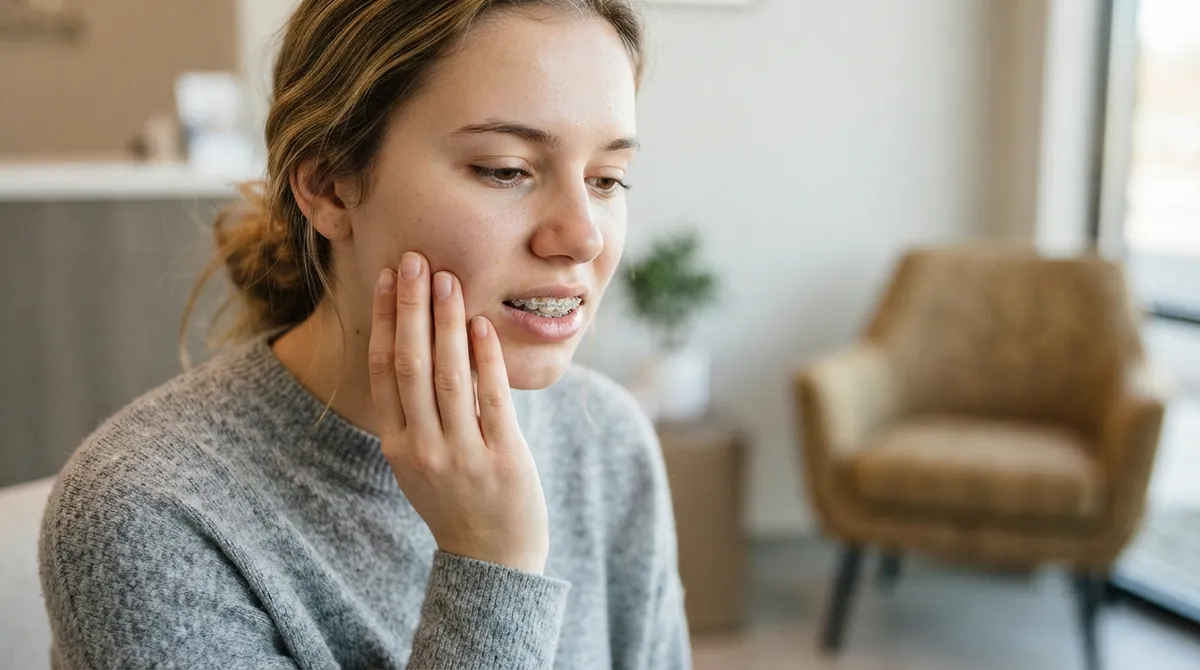
This is probably the question we hear most often, and the answer is reassuring. Discomfort peaks early and fades quickly.
According to a systematic review referenced in orthodontic research, braces discomfort peaks around the first 24 hours after placement, with average pain scores landing around 42 out of 100 on a clinical pain scale. That’s moderate, not severe. Many patients report soreness lasting about 3 to 5 days after braces are first placed or adjusted, based on multiple patient-education sources.
- Day 1: Mild pressure and tenderness begin as teeth start to shift.
- Days 2-3: This is often when discomfort peaks, especially when chewing.
- Days 4-5: Soreness starts fading as your mouth adjusts.
- Day 6 and beyond: Most patients feel back to normal until the next adjustment.
Since adjustments are commonly scheduled about every 6 weeks, you can expect a similar pattern of mild soreness after each visit. It gets easier each time because your mouth becomes more accustomed to the sensation.
What Helps Relieve Braces Pain at Home
You don’t need to just tough it out. There are plenty of tried-and-true methods to ease discomfort quickly.
- Apply orthodontic wax over brackets or wires that are rubbing your cheeks
- Rinse with warm salt water to soothe irritated gums and soft tissue
- Eat soft foods like yogurt, mashed potatoes, and smoothies for the first few days
- Use cold foods or an ice pack against your jaw to numb soreness
- Take over-the-counter pain relievers like ibuprofen or acetaminophen as needed
- Massage sore gums gently with a clean finger
A Simple Step-by-Step Comfort Routine
Here’s an easy routine many of our patients follow during the first week:
- Take an OTC pain reliever about 30 minutes before your appointment or right after, if approved by your doctor.
- Stick to a soft-food diet for the first 3 to 5 days.
- Apply wax to any bracket that feels sharp or irritating.
- Rinse with warm salt water twice a day to keep your mouth clean and calm.
- Sip on cold water or ice water throughout the day.
For families managing this with kids or teens, our page on caring for braces for Lakewood Ranch families offers more everyday tips.
Braces Pain vs. Clear Aligner Discomfort
Many young professionals and life-event planners ask us whether clear aligners hurt less than traditional braces. The honest answer is that both cause some discomfort, just in different ways.
| Factor | Traditional Braces | Clear Aligners |
|---|---|---|
| When discomfort peaks | First 24-72 hours after placement or adjustment | First 1-2 days of each new tray |
| Type of discomfort | Pressure, soreness, occasional cheek irritation | Tightness, mild pressure |
| Soft tissue irritation | Possible from wires and brackets | Rare, but edges can rub gums |
| Adjustment frequency | Every 4-8 weeks | New tray every 1-2 weeks |
| Relief methods | Wax, cold foods, OTC pain relief | Cold foods, OTC pain relief |
If you’re weighing your options, our comparison guide on braces vs. clear aligners can help you decide which fits your lifestyle. We also offer WildSmiles Braces for kids who want a fun twist on traditional treatment, and Angel Aligners for adults seeking a comfortable, budget-friendly clear aligner option.
When Braces Discomfort Means Something More
While most soreness is completely normal, there are times when you should reach out to your orthodontic team. Trusting your gut here matters.
- Pain that feels severe or doesn’t improve after a week
- A wire poking sharply into your cheek or gum
- A bracket or band that has come loose
- Swelling, unusual redness, or signs of infection
- Pain that gets worse instead of better over time
If any of these sound familiar, don’t wait it out. Our orthodontic emergency page walks you through what counts as urgent and what can wait until your next visit. You can also contact us directly, and our friendly team will help you figure out next steps.
Does Getting Braces Off Hurt?
This is a common worry, especially for teens and adults nearing the end of treatment. The good news is that braces removal is generally not painful. Most patients describe it as a strange pressure sensation rather than pain.
Some people notice mild tooth sensitivity afterward, similar to how your teeth might feel after a professional cleaning. This usually fades within a day or two. Once your braces come off, you’ll transition into orthodontic retainers to keep your new smile in place.
Tips for Different Life Stages and Lifestyles
Everyone experiences braces a little differently depending on their age, schedule, and goals. Here’s how we tailor comfort advice for different patients.
For Parents of Kids and Teens
Kids often bounce back from soreness faster than adults. Still, it helps to stock the fridge with soft foods and keep wax handy. Our early orthodontic treatment and teen orthodontic treatment programs are designed with busy family schedules in mind.
For Working Professionals
If you’re juggling meetings and deadlines, timing your adjustment appointments before a lighter workday can help. Many career-focused adults choose clear aligners for their subtle look and manageable discomfort levels.
For Adults Returning to Orthodontics
If you had braces years ago and things have shifted back, you’re not alone. Adult relapse is common, and treatment now often moves faster thanks to advanced technology. Check out our adult orthodontics page for options designed around your busy life.
For Milestone Events
Planning a wedding or graduation? Our LightForce Orthodontics system uses fully digital, custom-fitted brackets that can reduce treatment time by up to 45 percent, meaning less time dealing with discomfort and more time enjoying your straighter smile before your big day.
Why Choose Segovia Orthodontics for a Comfortable Experience
Dr. Flor Segovia is a board certified orthodontist, recognized by the American Board of Orthodontics, who uses advanced orthodontic technology to keep treatment as comfortable and efficient as possible. Our Lakewood Ranch office is built around making every patient, from wiggly kids to busy adults, feel genuinely cared for.
We also offer bilingual care in English and Spanish, so language is never a barrier to understanding your treatment plan. Curious what other families and patients think? You can see what our Segovia Orthodontics patients say on our Facebook page or follow along with real smile transformations on our Instagram page.
We also encourage you to visit us on Google — Segovia Orthodontics to read real reviews from our Lakewood Ranch community. Nothing beats hearing directly from patients who’ve walked this same path.
Final Thoughts on Managing Braces Pain and Discomfort
Braces pain and discomfort is a normal, temporary part of getting the smile you’ve always wanted. It peaks early, fades within days, and can be managed easily with wax, cold foods, salt water rinses, and a little patience. Every twinge of soreness is simply your teeth moving into their best position yet.
If you’re ready to start your orthodontic journey, or if you have questions about managing discomfort along the way, our team at Segovia Orthodontics is here to help. Feel free to request an appointment today, or give us a call at call us at 941-557-1333. We can’t wait to help you smile with confidence, comfortably and every step of the way.
FAQs
Q: Do braces hurt when they are first put on?
A: You might feel some pressure or mild soreness within the first day, but the actual placement process itself doesn’t hurt at all. Think of it as your teeth getting used to their new best friends! Most patients say the worst part is just the achy feeling that shows up a few hours later, and that fades within a few days.
Q: How long does braces pain last after tightening?
A: Most people feel sore for about 3 to 5 days after an adjustment, with the peak discomfort happening in the first 24 to 72 hours. After that, your mouth settles back into its comfortable routine until your next visit. It really does get easier each time!
Q: What helps relieve pain from braces at home?
A: Orthodontic wax, cold foods, warm salt water rinses, and over-the-counter pain relievers work wonders for most patients. We also recommend sticking to soft foods for the first few days after any adjustment. These simple tricks make a huge difference in how comfortable you feel.
Q: Is it normal for braces to rub the inside of my cheeks?
A: Yes, this is super common, especially in the first couple of weeks. Your cheeks and lips just need time to adjust to the new hardware in your mouth. A little dab of orthodontic wax on the bracket that’s bothering you will help protect your soft tissue while it toughens up.
Q: When should I call my orthodontist about braces pain?
A: If your pain feels severe, doesn’t improve after a week, or you notice a loose bracket or sharp poking wire, it’s time to reach out. Swelling or signs of infection are also worth a quick call. We’d always rather hear from you than have you tough it out unnecessarily.
Our Service Area