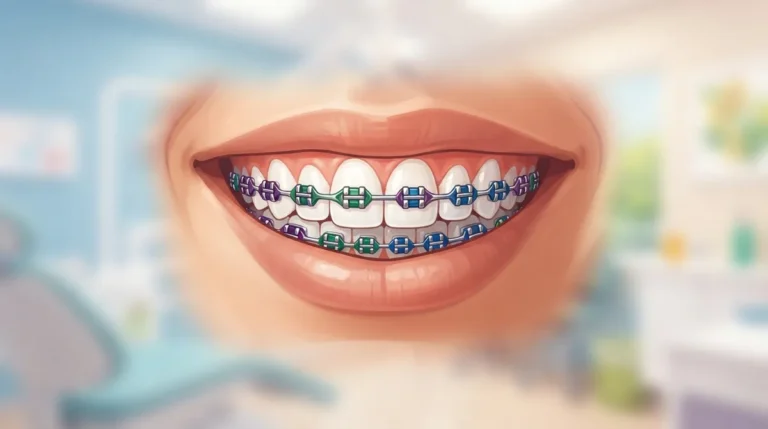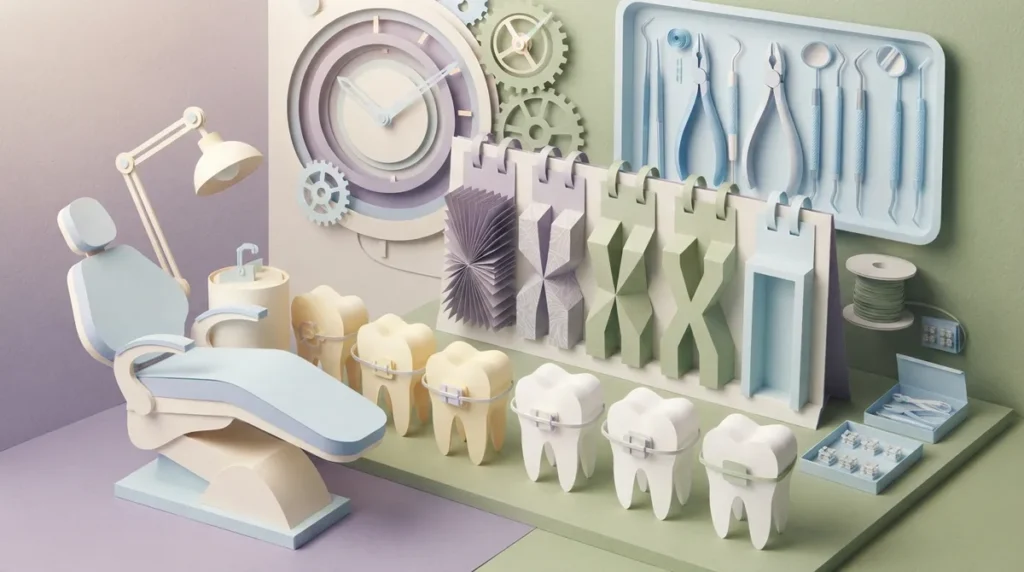
Key Takeaways
-
Most braces patients need adjustments every 4 to 8 weeks, though schedules range from 4 to 12 weeks depending on treatment stage, tooth movement speed, and individual case complexity.
-
Missing or postponing adjustment appointments can significantly lengthen your overall treatment time, so consistency with your schedule directly impacts when you'll finish wearing braces.
-
Not every adjustment visit involves tightening—appointments may include wire changes, elastic replacements, progress checks, or appliance repairs, and most visits take only 15-30 minutes.
-
Clear aligners typically require fewer in-office visits than traditional braces thanks to digital tracking and unique wear schedules, making them better suited for busy professionals.
Ever wonder why your orthodontist keeps scheduling those follow-up visits? You’re not alone. Whether you’re a busy mom juggling carpool schedules, a professional squeezing appointments between meetings, or an adult finally fixing that old relapse, understanding your braces adjustment schedule helps you plan ahead. Let’s break down exactly what to expect, so you can stop guessing and start feeling confident about your treatment journey.
Braces adjustments are a normal, necessary part of getting that beautiful smile you’re working toward. But how often do braces need adjustments, really? The answer depends on several factors we’ll walk through together. By the end of this article, you’ll know exactly what happens at these visits, how often to expect them, and what to do if something feels off between appointments. Think of this as your friendly guide from Segovia Orthodontics, where we love helping families understand every step of treatment.
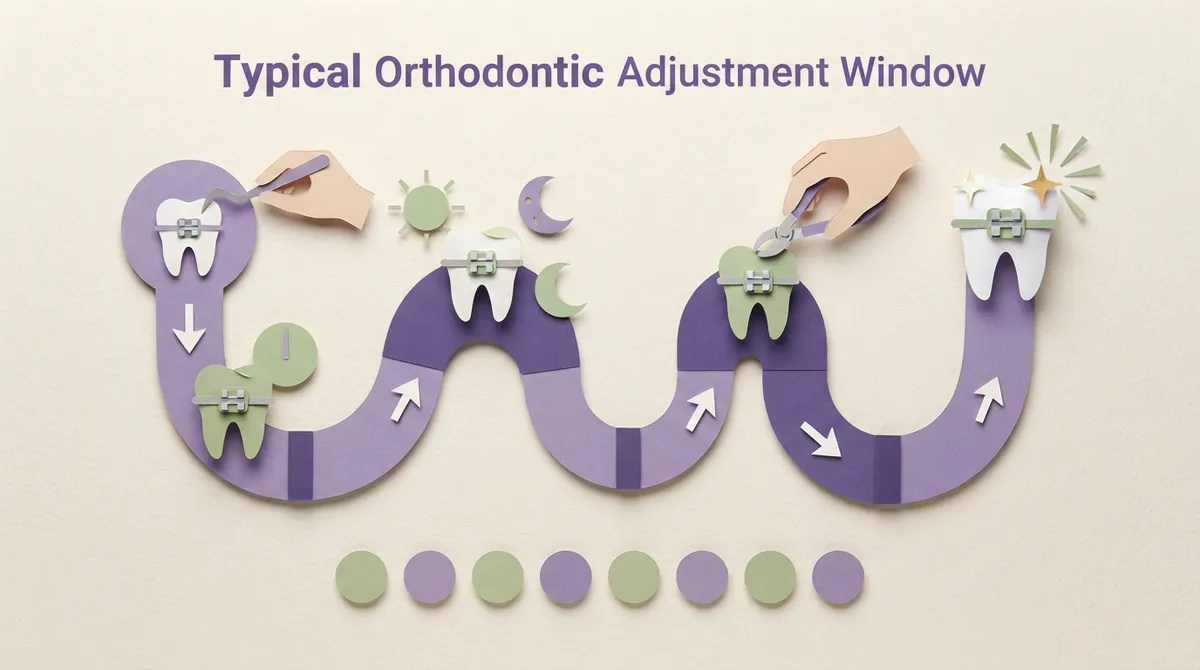
1. The Typical Adjustment Window: Every 4 to 8 Weeks
Most patients with traditional braces visit their orthodontist every 4 to 8 weeks. This is the sweet spot many practices, including NHS orthodontic services, use as their standard schedule. Some patients come in as often as every 4 weeks, while others go 10 to 12 weeks between visits.
Why the range? Because every mouth is different! Your orthodontist looks at how your teeth are moving, what stage of treatment you’re in, and whether any appliances need tweaking. The American Board of Orthodontics emphasizes that individualized care leads to better outcomes, which is exactly why your schedule might look different from your neighbor’s.
What the Research Says
According to the American Association of Orthodontists, visits may happen anywhere from every 4 to 12 weeks depending on your treatment stage and clinical needs. A UK Health Research Authority summary also confirms there’s no one-size-fits-all interval that works for every patient. That’s good news, because it means your orthodontist is tailoring your care specifically to you.

2. What Actually Happens During an Adjustment Visit
Here’s something that surprises a lot of patients: not every visit involves tightening your braces. Sometimes your orthodontist is simply checking progress, and other times they’re making bigger changes. Here’s a quick rundown of what might happen:
- Checking how your teeth have moved since your last visit
- Changing or activating your archwire
- Replacing elastic ligatures (those colorful little bands!)
- Adding new elastics for bite correction
- Adjusting springs or other appliances
- Fixing any loose brackets or bands
Early in treatment, your orthodontist often uses thinner, more flexible wires to start guiding your teeth gently. As treatment progresses, they’ll switch to stronger or differently shaped wires to fine-tune your bite and tooth positions. This is part of what makes orthodontic treatment so precise and effective over time.
3. Factors That Determine Your Personal Schedule
Your adjustment schedule isn’t random. Several things influence how often you’ll need to come in:
| Factor | How It Affects Timing |
|---|---|
| Type of braces | Traditional metal braces often need more frequent wire changes than some newer systems |
| Treatment stage | Early stages may need closer monitoring; later stages sometimes stretch out |
| Tooth movement speed | Faster-moving teeth may need quicker check-ins to stay on track |
| Bite correction needs | Complex bite issues often require more frequent fine-tuning |
| Patient age | Growing teens sometimes need different monitoring than adults |
| Oral hygiene | Poor hygiene can slow progress and require extra visits |
| Broken appliances | Repeated breakages mean unplanned trips to the office |
Dr. Flor Segovia and our team consider all of these factors when building your personalized treatment plan. That’s part of what makes choosing a board-certified orthodontist so important. You want someone who understands the nuances of your specific case.
4. Do Clear Aligners Need Adjustments Too?
Great question, especially for our young professionals and career-focused patients who love the discreet look of clear aligners! With systems like Angel Aligners, the schedule looks a bit different than traditional braces.
Angel Aligners use a unique wear schedule, often called the “7+3” method. You wear a flexible tray for seven days, then switch to a firmer tray for three days. This approach can speed up tooth movement and often reduces how frequently you need in-office visits compared to traditional braces. Many patients love this because it fits better into a packed work schedule.
That said, you’ll still have periodic check-ins so your orthodontist can confirm your aligners are tracking correctly. These visits tend to be shorter and less frequent than traditional braces adjustments, which is a big win if you’re juggling a demanding career or prepping for a big life event like a wedding.
5. Numbered Steps: What To Expect At Each Visit
Feeling nervous about your next appointment? Here’s a simple walkthrough of what typically happens, step by step:
- Check-in and quick chat. Our friendly team will ask how things have been feeling since your last visit.
- Visual and digital inspection. Using advanced orthodontic technology, your orthodontist examines your progress closely.
- Appliance adjustment. This might mean tightening wires, swapping elastics, or activating springs.
- Discussion of next steps. Your orthodontist will explain what’s happening and what to expect before your next visit.
- Scheduling your follow-up. Before you leave, you’ll book your next appointment, usually 4 to 8 weeks out.
Simple, right? Most visits take less time than you’d expect, often just 15 to 30 minutes. That makes it easy to fit into even the busiest schedules.
6. Why Keeping Your Appointments Really Matters
Life gets busy. We understand that between school pickups, work deadlines, and everything in between, it’s tempting to push back an appointment. But here’s the truth: missing or repeatedly postponing visits can slow down your entire treatment.
Newcastle Hospitals NHS guidance specifically warns that missed appointments or repeated brace breakages can lengthen treatment time. Nobody wants that! Most patients wear braces for roughly 18 months to 3 years, and staying consistent with your visits helps keep that timeline on track.
Here are a few reasons why sticking to your schedule pays off:
- Keeps tooth movement controlled and predictable
- Prevents small issues from becoming bigger problems
- Reduces the risk of extending your overall treatment time
- Helps your orthodontist catch and fix broken appliances quickly
- Keeps your bite correction progressing smoothly
If you ever experience a poking wire, loose bracket, detached band, or significant pain, don’t wait for your next scheduled visit. These are signs of a possible orthodontic emergency, and it’s best to reach out right away rather than tough it out until your next appointment.
Making Adjustment Visits Fun (Yes, Really!)
For parents of younger patients, we know appointments can feel like a hassle to schedule around. That’s why we love offering options like WildSmiles Braces, which turn adjustment visits into something kids actually look forward to. With fun bracket shapes like stars, hearts, and even Mickey Mouse designs, kids stay motivated to keep up with their oral hygiene between visits.
For patients who want faster results with fewer surprises, LightForce Orthodontics offers a fully digital, custom-fitted approach that can reduce treatment time by up to 45%. Because each bracket is precisely designed for your teeth, Dr. Segovia can make real-time adjustments with incredible accuracy, often meaning fewer surprises at each visit.
Your Next Steps Toward a Straighter Smile
Understanding how often braces need adjustments takes away a lot of the mystery around treatment. Whether you’re bringing your child in for their first set of braces, exploring discreet aligner options for yourself, or finally addressing that orthodontic relapse you’ve been putting off, knowing what to expect helps you feel more prepared and less anxious.
Curious what our patients think? You can visit us on Google — Segovia Orthodontics to read real reviews from families right here in Lakewood Ranch. We also love connecting with our community on our Facebook page and sharing smile transformations on our Instagram page.
Ready to get started or have questions about your treatment timeline? We’d love to help you map out a plan that fits your life. Feel free to request an appointment with our friendly Lakewood Ranch team, or simply call us at 941-557-1333 to chat about what schedule might work best for you and your family. We can’t wait to help you achieve the smile you’ve always wanted!
FAQs
Q: How often should I get my braces tightened?
A: Most patients come in every 4 to 8 weeks for adjustments, though some visit as often as every 4 weeks or as far apart as 10 to 12 weeks. Your orthodontist will set a schedule based on your specific treatment plan, so don’t worry if yours looks a little different from a friend’s!
Q: Does every braces appointment include changing the wire?
A: Not always! Some visits are simply for checking your progress, while others involve swapping wires, adding elastics, or fixing appliances. Your orthodontist will let you know exactly what’s happening at each visit.
Q: What should I do if a bracket or wire breaks before my next appointment?
A: Give your orthodontic office a call right away rather than waiting for your next scheduled visit. Broken appliances can slow down your progress, and catching them early helps keep your treatment timeline on track.
Q: Do clear aligners need adjustments as often as metal braces?
A: Clear aligners like Angel Aligners often need fewer in-office visits thanks to their unique wear schedules and digital tracking. You’ll still have periodic check-ins, but many patients enjoy a lighter appointment schedule compared to traditional braces.
Q: How long does treatment take with regular adjustment visits?
A: Most patients wear braces for about 18 months to 3 years, though this varies based on your specific case. Sticking to your scheduled adjustments helps keep your treatment moving smoothly and can even help you finish on time or sooner!
Our Service Area