Key Takeaways
-
LightForce custom-fitted braces, available at Lakewood Ranch offices, are 3D printed to match individual tooth shapes and can speed up underbite treatment by up to 45% compared to traditional braces.
-
Early evaluation around age 7 is crucial for children with underbites, as growth-modification appliances can guide jaw development and potentially reduce the need for complex treatment later.
-
Underbites are classified as dental (tooth misalignment) or skeletal (jaw bone growth issues), with treatment plans varying significantly—dental underbites often respond well to braces alone, while skeletal cases may require jaw surgery.
-
Traditional metal braces remain highly effective for underbites, typically taking 18-36 months to correct and costing $3,000-$7,000, with options like WildSmiles brackets making treatment more appealing for children.
-
Clear aligners like Angel Aligners work well for mild to moderate underbites in discreet situations, using a smart 7+3 wear schedule and ranging from $3,000-$8,000, but require orthodontist confirmation of bite suitability.
-
After underbite correction through any method, wearing a custom retainer is non-negotiable to prevent tooth and jaw shifting that could undo months or years of treatment progress.
Noticing your child’s lower jaw sticks out further than the upper one? Or maybe you’re an adult who’s watched your bite shift over the years? You’re not alone, and you’re in the right place. An underbite can feel worrying at first glance, but here’s the good news: braces for underbite Lakewood Ranch families need are more effective and comfortable than ever. Whether you’re a busy mom juggling soccer practice and school pickups, or a professional wondering if treatment will fit your schedule, this guide breaks down everything in simple, friendly terms.
An underbite, sometimes called a Class III malocclusion, happens when the lower front teeth or lower jaw sit in front of the upper teeth. It can come from tooth position, jaw growth, or a mix of both. The good news? Many cases respond really well to braces, especially when caught early. Let’s walk through seven proven options and what makes each one work.
1. Traditional Metal Braces for Underbite Correction
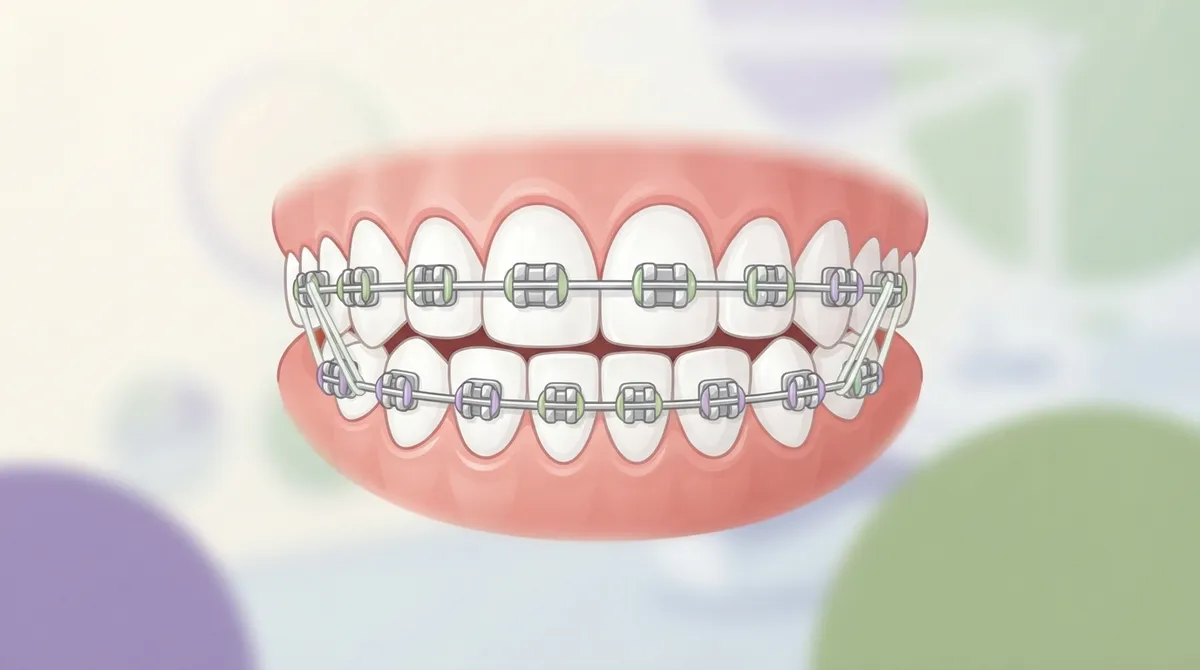
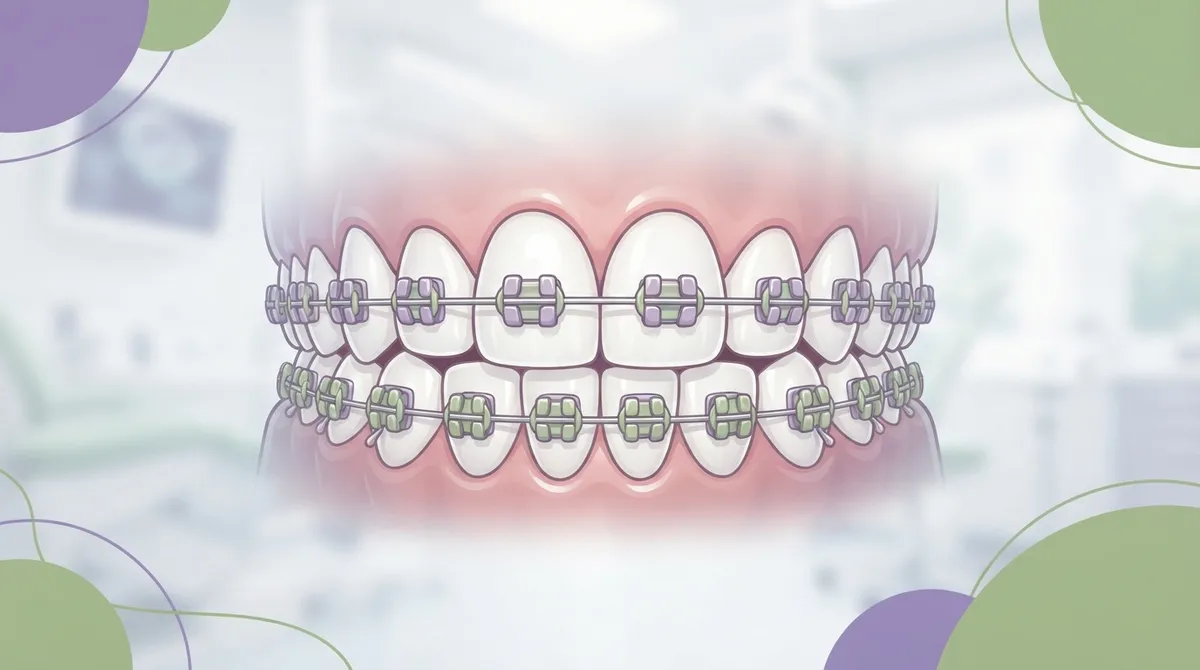
Metal braces remain a reliable workhorse for correcting an underbite, especially when the issue is mostly about tooth position rather than jaw structure. They give your orthodontist strong control over how each tooth moves, which matters a lot with complex bite issues. At Segovia Orthodontics, Dr. Flor Segovia often recommends traditional braces as a first step for dental underbites that don’t involve major skeletal discrepancies.
Metal braces typically take about 18 to 36 months to correct an underbite, though timelines shift depending on severity. Kids love the option to add colorful bands, and honestly, so do plenty of adults. If your child is nervous about getting braces, our WildSmiles Braces turn treatment into something fun, with shapes like stars, hearts, and even Mickey Mouse brackets for Disney-loving kiddos.
2. LightForce Custom-Fitted Braces
Here’s something pretty exciting: LightForce Orthodontics is the first fully digital braces system, and it’s available right here at our Lakewood Ranch office. Instead of one-size-fits-all brackets, each bracket is 3D printed to match your unique tooth shape. This precision can speed up treatment by up to 45% compared to traditional approaches.
For underbite cases, that precision really counts. Dr. Segovia can make real-time digital adjustments and watch how they’ll affect your bite before committing to the change. Learn more about LightForce Orthodontics and see if this faster, more comfortable option fits your treatment goals.
3. Clear Aligners for Mild to Moderate Cases
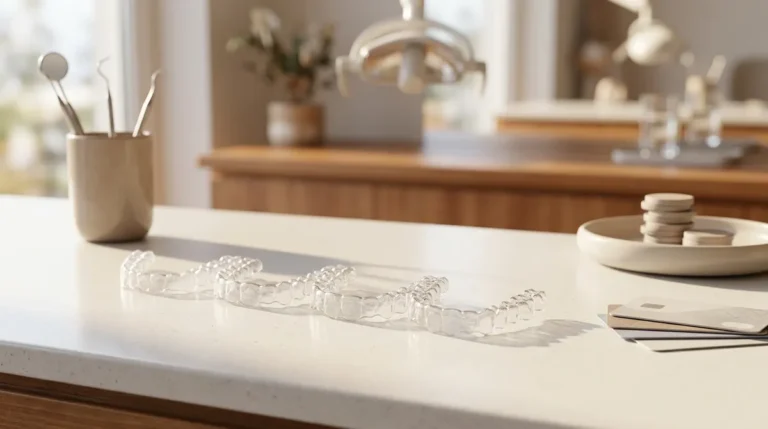
Not every underbite needs metal brackets. If your case is mild to moderate and mostly involves tooth position, clear aligners might do the trick. These removable trays are nearly invisible, which is a huge win for teens headed to prom or professionals who don’t want visible hardware during client meetings.
One option gaining popularity is Angel Aligners. They use a smart “7+3” wear schedule: seven days with a flexible tray, then three days with a firmer one. This approach can speed up tooth movement and cut down on extra office visits. Angel Aligners also use a frosted finish to reduce shine, so they’re genuinely discreet. Many patients find them more budget-friendly than premium aligner brands while still delivering solid results.
That said, clear aligners aren’t right for every underbite. Your orthodontist needs to check your bite, jaw relationship, and gum health before recommending this route. Complex tooth movements sometimes need the predictable control that traditional braces provide.
4. Growth-Modification Appliances for Kids
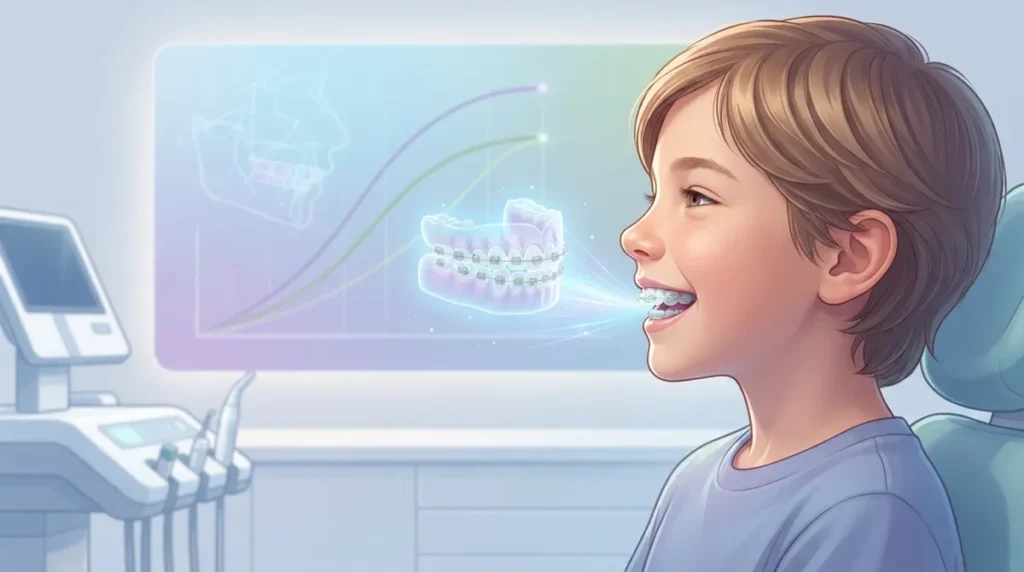
Here’s something every concerned parent should know: early evaluation matters. Children and adolescents who are still growing can benefit from special appliances that guide jaw development while it’s still happening. Two common tools include:
- Upper-jaw expanders: These gently widen the upper jaw over time, creating better balance between the upper and lower teeth.
- Reverse-pull facemasks: Worn partly at home, these appliances encourage forward growth of the upper jaw to correct the underbite relationship.
Catching an underbite while your child is still growing can sometimes reduce the need for more complex treatment later. If your child is around age 7 or older and you notice their lower teeth or jaw jutting forward, it’s worth scheduling an evaluation. Our early orthodontic treatment page covers signs to watch for.
5. Comprehensive Braces Combined with Orthopedic Appliances
Sometimes a single tool isn’t enough, and that’s totally normal. Many underbite treatment plans combine growth appliances with traditional braces to fine-tune tooth alignment once the jaw relationship improves. This two-step approach gives kids and teens the best shot at a stable, lasting result.
Teens juggling sports, school, and social lives appreciate that this combined approach is manageable and doesn’t require constant office visits. Our teen orthodontic treatment programs are built around busy schedules, with appointment times that work for real family life.
6. Orthodontics Paired with Jaw Surgery for Severe Adult Cases
Let’s talk honestly about adult underbites. If you’re an adult with a significant skeletal jaw discrepancy, braces alone may not fully correct the issue. In these cases, orthodontists often coordinate with an oral surgeon for a combined treatment plan involving orthognathic (jaw) surgery.
Here’s how it typically works, step by step:
- Braces or clear aligners are placed first to align teeth for surgery, a phase that can last 12 to 18 months.
- Jaw surgery repositions the lower jaw into proper alignment with the upper jaw.
- Braces continue after surgery to fine-tune the bite, which usually adds several more months.
- A custom retainer helps maintain the new, corrected position long-term.
Overall treatment involving surgery can take 24 to 36 months, according to specialist orthodontic sources. It’s a bigger commitment, but for severe cases, it’s often the only path to a truly balanced bite. Our adult orthodontics page has more details on what adult treatment plans typically involve.
7. Custom Retainers to Protect Your New Smile
You did the hard work, so let’s protect it. After any underbite correction, whether through braces alone or combined with surgery, wearing a retainer is non-negotiable. Teeth and jaws can shift back if retainers are skipped, undoing months or years of progress.
We offer several orthodontic retainers tailored to your treatment type and lifestyle. Adult relapse patients, meaning those who had braces years ago and are now seeing their bite shift again, often benefit hugely from a fresh retainer plan alongside a light round of aligner treatment.
Comparing Your Underbite Treatment Options
| Treatment Option | Best For | Typical Timeline | Estimated Cost Range |
|---|---|---|---|
| Traditional Metal Braces | Dental underbites, kids and teens | 18–36 months | $3,000–$7,000 |
| LightForce Custom Braces | Faster, precise correction | Up to 45% faster than traditional | Varies by case |
| Clear Aligners / Angel Aligners | Mild-moderate cases, discreet needs | 12–18 months | $3,000–$8,000 |
| Growth Appliances | Growing children | 12–18 months | Varies by case |
| Braces + Jaw Surgery | Severe skeletal underbites | 24–36 months | Varies by case |
These figures come from local pricing data and industry estimates, so your actual cost will depend on your specific case. Financing shouldn’t be a barrier to getting the care you need. Check out our orthodontic financing options, which include flexible payment plans designed for real family budgets.
What Happens During Your Lakewood Ranch Consultation
Wondering what to expect at your first visit? A typical consultation includes an exam, photographs, digital scans or impressions, and X-rays if needed. These records help Dr. Segovia figure out whether your underbite is mostly dental, mostly skeletal, or a combination of both.
Here’s a simple breakdown of what usually happens:
- A friendly conversation about your concerns and goals
- A visual and digital exam of your teeth and jaw relationship
- Photos and scans to build a precise 3D picture of your bite
- X-rays, when needed, to check root position and jaw structure
- A personalized treatment plan with cost and timeline estimates
Many practices, including several verified offices tracked by the National Orthodontic Registry, offer free initial consultations. It’s worth asking when you call. Our team uses advanced orthodontic technology to make this process quick, accurate, and honestly kind of fascinating to watch on screen.
Dental Underbite vs. Skeletal Underbite: Why It Matters
This distinction shapes your entire treatment plan, so let’s make it simple. A dental underbite means the teeth are misaligned, but the jaw bones themselves are in a fairly normal relationship. Braces alone often fix this type well.
A skeletal underbite means the actual jaw bones grew unevenly, with the lower jaw extending too far forward or the upper jaw not growing enough. This type sometimes needs jaw surgery alongside orthodontics, especially in adults whose bones have stopped growing. Board-certified orthodontists, like Dr. Segovia, are trained to tell these apart using imaging and a hands-on exam. You can learn more about her credentials on our board certified orthodontist page, or verify credentials through the American Board of Orthodontics.
Why Families Choose Segovia Orthodontics for Underbite Care
Dr. Flor Segovia brings board-certified expertise and a genuinely warm approach to every visit. She provides bilingual care in English and Spanish, which means more families feel truly heard and comfortable asking questions. Our Lakewood Ranch office blends cutting-edge tools like LightForce with playful options like WildSmiles brackets, so treatment feels less clinical and more like part of your family’s story.
We know life is busy. Between school, sports, and work, finding time for orthodontic visits can feel like one more thing on your plate. That’s exactly why our team focuses on flexible scheduling and a genuinely supportive environment. Curious what real patients say? You can visit us on Google — Segovia Orthodontics to read reviews, or check out our Facebook page and our Instagram page for real smile transformations and behind-the-scenes moments from our office.
Signs It’s Time to Schedule an Evaluation
Not sure if it’s time to book that first visit? Here are some clear signals worth paying attention to:
- Your child’s lower teeth or jaw visibly extend past the upper teeth.
- Chewing feels difficult, or your child avoids certain foods.
- Speech seems affected, especially sounds that require front teeth contact.
- You notice jaw pain, clicking, or discomfort when chewing.
- An adult underbite seems to be getting more noticeable over time.
Left untreated, adult underbites can lead to uneven tooth wear, jaw strain, and even self-consciousness about your smile at big life events like weddings or graduations. The sooner you get evaluated, the more options you’ll likely have. Learn more about what a first visit involves on our first orthodontic visit page.
Ready to take the next step? We’d love to help you or your child feel confident about your smile. Request an appointment today, or if you have questions first, feel free to contact us anytime. You can also simply call us at 941-557-1333 to chat with our friendly team about braces for underbite Lakewood Ranch families have trusted for years. Your best smile is closer than you think, and we can’t wait to help you get there.
FAQs
Q: Can braces fix an underbite without surgery?
A: Yes, in many cases! If your underbite is mostly about tooth position rather than jaw structure, braces or clear aligners can often correct it beautifully on their own. Surgery usually only comes into play with severe skeletal jaw discrepancies, especially in adults.
Q: At what age should a child be evaluated for an underbite in Lakewood Ranch?
A: Most orthodontists recommend an evaluation around age 7, even if your child still has baby teeth. Catching an underbite early opens up growth-modification options that simply aren’t available once jaw growth is complete.
Q: Are clear aligners effective for treating an underbite?
A: They can be, for mild to moderate cases! Options like Angel Aligners use smart wear schedules to speed up movement, but your orthodontist needs to confirm your bite and jaw relationship are good candidates first.
Q: How much do underbite braces cost in Lakewood Ranch, Florida?
A: Traditional braces typically run about $3,000 to $7,000, while clear aligners range from roughly $3,000 to $8,000 based on local pricing data. Your exact cost depends on severity, so a consultation gives you a real, personalized number.
Q: Will dental insurance cover orthodontic treatment for an underbite?
A: It depends on your specific plan, but many insurers do offer partial coverage when treatment is medically necessary. Our team can help you check your benefits and explore financing options that make treatment affordable.
Our Service Area