Key Takeaways
-
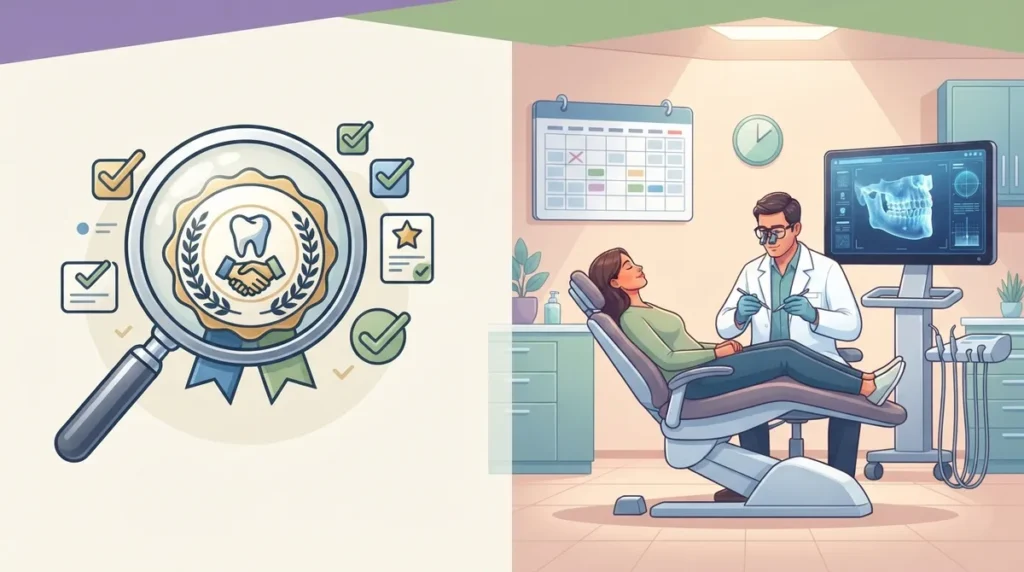
Verify orthodontist credentials through your state dental board and confirm board certification from the American Board of Orthodontics, as not all providers offering braces are specialized orthodontists with required training.
-
Get a complete cost breakdown before signing anything, including records, adjustments, emergency visits, and post-treatment retainers, as advertised prices often exclude these fees; typical costs range from $3,000-$8,000 depending on treatment type.
-
Prioritize convenience and communication since orthodontic care requires multiple visits over months or years; check for flexible scheduling (early morning, evening, Saturday), quick emergency response times, and bilingual support if needed.
-
Look beyond star ratings by examining how practices respond to negative reviews, checking for specific treatment mentions, and verifying they have experience with your age group and specific dental issue.
-
Ask about modern treatment options like digital 3D scanning and custom-designed brackets, which can reduce treatment time by up to 45% compared to traditional methods, and request explanations for why one option is recommended over others.
-
Schedule a thorough first consultation expecting a full exam, digital scans, and X-rays; ask about total costs, provider experience with your case type, emergency protocols, adjustment frequency, and post-treatment retention plans before committing.
Searching “best orthodontist near me” on your phone feels simple. You get a list, you pick the top result, and you book. But here’s the thing: that shortcut can lead you straight into a treatment plan that costs more, takes longer, or just doesn’t fit your life. Whether you’re a mom juggling school pickups, a young professional who wants a discreet fix before a big presentation, or an adult whose teeth have shifted since your teenage braces came off, the search process matters just as much as the smile itself.
This guide walks you through the five biggest mistakes people make when hunting for a nearby orthodontist. We’ll cover credentials, hidden costs, treatment options, and the questions you should never skip. By the end, you’ll know exactly how to find a provider who’s not just close by, but genuinely right for you. And if you’re in the Lakewood Ranch area, we’ll show you what a thoughtful, patient-first practice actually looks like.

Mistake 1: Choosing Based Only on Star Ratings and Proximity
It’s tempting to click the first orthodontist that pops up with a map pin close to home. But star ratings don’t tell you everything. A five-star review might come from someone who loved the waiting room snacks, not the actual treatment outcome.
Instead, look deeper. Reviews should be one piece of a bigger puzzle that includes credentials, consultation quality, and communication style.
What to Check Beyond Stars
- How the practice responds to negative reviews (professionally or defensively)
- Whether reviewers mention specific treatments like braces, clear aligners, or retainers
- Comments about wait times, scheduling flexibility, and staff friendliness
- Patterns across multiple platforms, not just one review site
- Whether the practice treats patients of your age group successfully
Reviews are a great starting point, but they should never be the only factor. Pair them with a real conversation during your orthodontic evaluation before making any decisions.
Mistake 2: Skipping the Credential Check
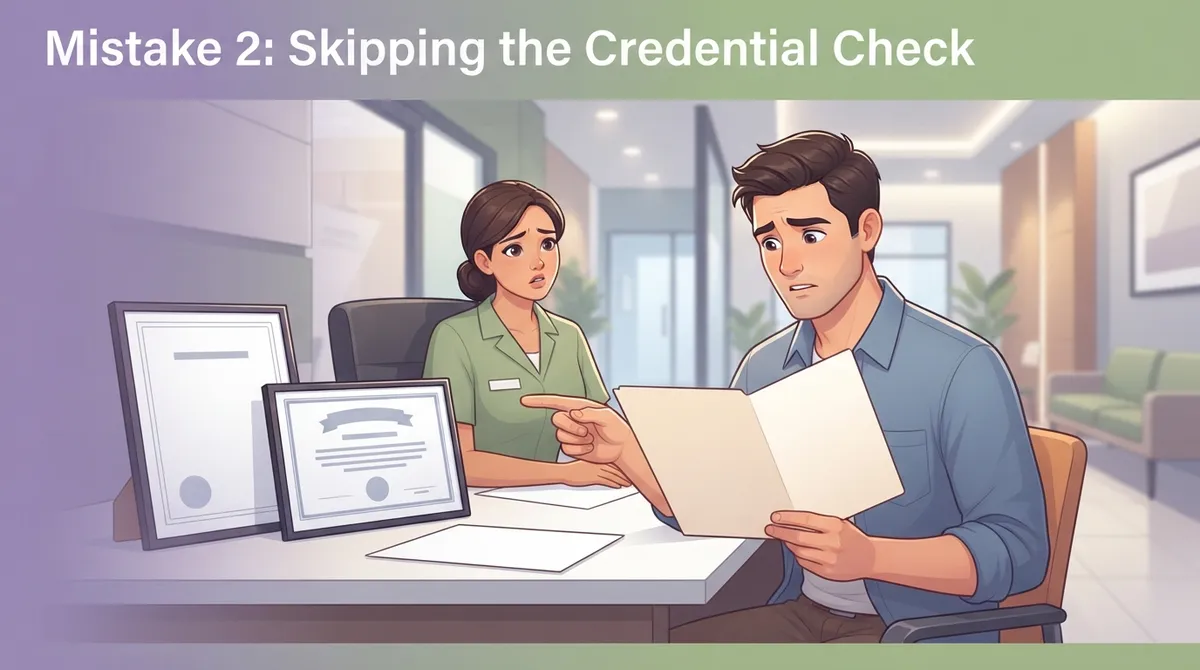
Not everyone offering braces is an orthodontic specialist. In the United States, orthodontists finish dental school and then complete years of additional specialized training focused only on tooth movement and bite correction. That extra training matters, especially for complex cases involving jaw alignment or severe crowding.
Before booking, verify the provider’s license through your state dental board. Also check if they belong to a respected group like the American Board of Orthodontics, which certifies specialists who’ve passed rigorous exams beyond basic licensing.
Steps to Verify Credentials
- Search the orthodontist’s name on your state dental board website
- Confirm they completed an accredited orthodontic residency program
- Look for board certification status, which shows ongoing commitment to excellence
- Ask directly during your consultation how long they’ve practiced orthodontics
- Check if they have experience treating your specific issue, like an underbite or gapped teeth
Dr. Flor Segovia is a board certified orthodontist who brings years of specialized training to every patient. You can learn more about her background on the Orthodontist Flor Segovia page.
Mistake 3: Ignoring the Full Cost Breakdown
A low advertised price can be misleading. Some practices quote a base fee that doesn’t include records, adjustments, emergency visits, or retainers after treatment ends. Before you sign anything, ask exactly what’s included.
Published cost guides suggest traditional metal braces often range from about $3,000 to $7,500, ceramic braces from $4,000 to $8,500, and clear aligner treatment from roughly $3,000 to $8,000. Many practices report comprehensive treatment landing somewhere around $5,000 to $6,000 on average, though your exact price depends on your case, location, and provider.
Cost Comparison Table
| Treatment Type | Typical Cost Range | Average Treatment Time |
|---|---|---|
| Traditional Metal Braces | $3,000 – $7,500 | 18–24 months |
| Ceramic (Clear) Braces | $4,000 – $8,500 | 18–24 months |
| Clear Aligners | $3,000 – $8,000 | 6–24 months |
Dental insurance that covers orthodontics often pays up to 50% of costs, subject to a lifetime maximum commonly between $1,500 and $3,000. Ask your provider about orthodontic financing options if insurance won’t cover the full amount. Flexible payment plans can make treatment far more manageable for busy families and working professionals alike.
Mistake 4: Overlooking Convenience and Communication
Orthodontic care isn’t a one-time visit. You’ll return every few weeks for months, sometimes years. If the office is far away, has limited hours, or takes days to respond to messages, that friction adds up fast.
Concerned parents especially need flexible scheduling around school and sports. Busy professionals need appointments that don’t eat into their workday. Ask about these factors upfront.
Convenience Checklist
- Does the office offer early morning, evening, or Saturday appointments?
- How quickly can you get seen for an orthodontic emergency?
- Is there a way to reach the office by phone or online booking?
- Does the practice treat children, teens, and adults under one roof?
- Do they offer bilingual support if English isn’t your first language?
A family-friendly practice should feel welcoming at every visit. You can request an appointment to see firsthand how a practice handles scheduling and communication before committing to full treatment.
Mistake 5: Not Asking About Technology and Treatment Options
Orthodontic technology has changed a lot in recent years. Some practices still rely on older methods, while others use digital scanning, 3D printing, and custom-designed brackets that can shorten treatment time significantly.
Ask what treatment options are available and why a provider recommends one over another. A good orthodontist explains alternatives clearly instead of pushing a single solution.
Common Treatment Options to Ask About
- Traditional metal braces for reliable, budget-friendly correction
- Clear or ceramic braces for a more subtle look
- Clear aligners for removable, nearly invisible treatment
- Custom-designed brackets using digital 3D technology
- Retainers to protect your results after treatment ends
At Segovia Orthodontics, patients can explore LightForce Orthodontics, a fully digital bracket system that’s custom-fitted to each tooth using 3D printing. This approach can reduce treatment time by up to 45% compared to traditional one-size-fits-all brackets, while also offering clear or white bracket options for a more discreet look.
Kids and teens who want a fun twist on braces might love WildSmiles Braces, which come in playful shapes like stars, hearts, and even Mickey Mouse designs. These unique brackets also make it easier to check brushing quality, since the shapes should stay visible if teeth are cleaned properly.
For adults or teens who prefer a nearly invisible option, ask about clear aligner systems that use AI-driven planning to move teeth efficiently. This approach often means fewer office visits and a more predictable timeline. Learn more about the full range of types of braces available so you can compare what fits your lifestyle and budget.
Why the Right Consultation Changes Everything
A thorough first visit sets the tone for your entire treatment journey. The American Association of Orthodontists recommends children have their first orthodontic check-up by age 7, even if treatment isn’t needed right away. This early visit helps catch bite, jaw, or crowding problems while they’re easier to manage.
During a proper evaluation, expect a full exam of your teeth and bite, digital scans or photographs, and possibly X-rays. A rushed five-minute look isn’t enough to build a reliable treatment plan.
Questions Worth Asking at Your Consultation
- What does the total cost include, and what might cost extra later?
- How many years of experience do you have with cases like mine?
- What happens if I have a wire break or bracket emergency?
- How often will I need to come in for adjustments?
- What retention plan do you recommend after treatment ends?
Learn more about what to expect by reading our guide on your first orthodontic visit. Being prepared with the right questions helps you compare providers fairly and avoid surprises down the road.
Finding the Right Fit for Every Life Stage
Different patients need different things from an orthodontist. Parents want a practice that handles early orthodontic treatment gently and explains things clearly. Teens juggling sports and social lives benefit from teen orthodontic treatment that fits their busy schedules.
Adults returning for a second round of treatment after their teeth shifted back need a provider who understands relapse cases and won’t judge them for needing braces again. And professionals preparing for weddings, graduations, or job interviews often want the fastest, most discreet option available through adult orthodontics.
Matching Treatment to Lifestyle
- Busy moms often prefer practices with after-school and weekend hours
- Young professionals typically favor clear aligners for their subtle appearance
- Career-focused adults often want the fastest treatment timeline possible
- Life event planners benefit from accelerated options before big milestones
- Adult relapse patients need consistent retainer care to protect long-term results
No matter your situation, protecting your results with proper orthodontic retainers after treatment is just as important as the braces or aligners themselves.
A Local Practice That Understands Lakewood Ranch Families
Choosing a nearby orthodontist means choosing someone who understands your community’s rhythm. Segovia Orthodontics serves families throughout Lakewood Ranch with flexible scheduling, bilingual care in English and Spanish, and a warm, welcoming office atmosphere.
Dr. Segovia stays current with advanced orthodontic technology, combining precision engineering with genuine personal attention. Whether your child needs their first evaluation, your teen wants discreet aligners before homecoming, or you’re finally correcting teeth that shifted after your teenage braces, this practice treats every smile with the same level of care.
Curious what other local families think? You can visit us on Google — Segovia Orthodontics to read real patient experiences. You can also follow along on our Facebook page or check out smile transformations on our Instagram page to see the practice’s work in action.
Your Next Step Toward a Confident Smile
Finding the best orthodontist near you isn’t about picking the closest option or the highest star rating. It’s about verifying credentials, understanding total costs, checking convenience, and asking the right questions before committing to treatment. Take your time, compare a few practices, and trust your instincts during that first consultation.
If you’re ready to take the next step, our team would love to help you explore your options. Feel free to contact us with any questions, or go ahead and request an appointment to start your journey toward a healthier, more confident smile. You can also simply call us at 941-557-1333 to speak with our friendly team directly. We can’t wait to meet you and your family!
FAQs
Q: How do I find the best orthodontist near me?
A: Start by checking credentials and board certification, then read reviews alongside asking about total treatment costs. A great first step is booking a consultation so you can see the office, ask questions, and get a feel for how the team communicates.
Q: What qualifications should a good orthodontist have?
A: Look for someone who completed dental school plus additional specialized orthodontic training. Board certification from a group like the American Board of Orthodontics is a great sign they’ve gone above and beyond basic licensing requirements.
Q: Should I choose an orthodontist or a general dentist for braces?
A: Orthodontists complete years of extra training focused only on tooth movement and bite correction, so they’re typically better equipped for complex cases. General dentists can offer basic alignment services, but a specialist often provides more precise, efficient results.
Q: How much do braces or clear aligners cost near me?
A: Traditional braces often range from $3,000 to $7,500, while clear aligners typically cost between $3,000 and $8,000. Your exact price depends on your case complexity, treatment length, and what’s included in your provider’s total fee.
Q: At what age should my child see an orthodontist?
A: The American Association of Orthodontists recommends a first check-up by age 7. This doesn’t mean your child needs immediate treatment, but it helps catch developing issues early while they’re easier to manage.
Our Service Area