Key Takeaways
-
Orthodontists complete extra specialty training after dental school, so verify specialty training, an active state license, and board certification before booking, using the AAO or American Board of Orthodontics directories.
-
Don't choose based on ads alone; a real evaluation of your bite, teeth, gums, and goals should come before any treatment promise or timeline.
-
Ask every orthodontist about total cost, insurance, payment plans, visit frequency, and what happens if something breaks, and consider a second opinion for complex or costly treatment.
-
Plan for retainers after treatment, since teeth can shift; and avoid unsupervised mail-order aligners, which the FDA warns can cause pain, bite changes, or unintended tooth movement.
You type “orthodontist experts near me” into your phone, and suddenly you’re staring at dozens of smiling faces, big promises, and flashy ads. Feeling a little overwhelmed? You’re not alone. Picking the right orthodontist is a big decision, and it’s easy to make a misstep when every office claims to be the best in town.
The good news is that most common mistakes are easy to avoid once you know what to watch for. Whether you’re a parent planning for your child, a busy professional who wants discreet treatment, or an adult whose teeth have shifted after old braces, this guide will help you choose with confidence.
In this article, we’ll walk through five mistakes people make when searching for orthodontist experts near them in 2026. We’ll also share what to do instead, so you can feel good about every step of your smile journey.
Mistake 1: Not Checking Credentials First
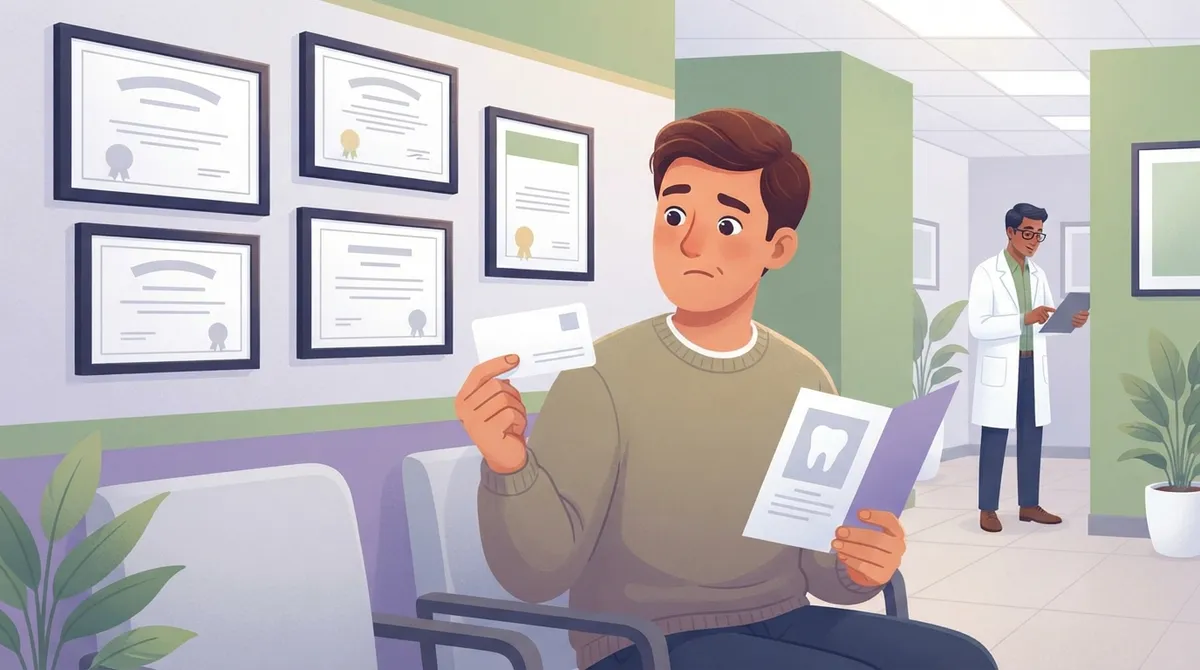
Here’s something many people don’t realize. An orthodontist is a dentist who has finished extra specialty training in orthodontics after dental school. A general dentist may offer braces or aligners, but that is not the same as a specialist’s full training in tooth movement and jaw growth.
In the U.S., the American Association of Orthodontists (AAO) limits its membership to orthodontic specialists. That makes its locator a handy starting point. You can also look into the American Board of Orthodontics to learn about board certification.
What to Verify Before You Book
- Orthodontic specialty training, not just a general dental degree
- An active state license
- Board certification, which shows extra commitment to high standards
- Membership in professional organizations
Dr. Flor Segovia, for example, is a board certified orthodontist. Learning more about Orthodontist Flor Segovia and her background is the kind of homework worth doing with any provider you consider.
Curious about the difference in roles? Our guide on general dentist vs. orthodontist breaks it down in plain language.

Mistake 2: Choosing Based on Ads Alone
A catchy slogan or a “smile in six months” promise can be tempting. But advertisements can’t tell you what your bite needs. Your teeth, jaw, and gums are unique, and the right plan depends on an exam.
Treatment should start with a real evaluation, not a sales pitch. A good orthodontist will look at your bite, your oral health, and your goals before suggesting anything.
Not sure what that visit looks like? Here’s a quick preview of what usually happens:
- A friendly conversation about your goals and concerns
- A check of your teeth, gums, and bite
- Digital images or scans of your teeth
- A clear explanation of your options and likely timeline
- A discussion of costs, payment options, and insurance
You can read more in What Happens During an Orthodontic Evaluation? to feel prepared before you walk in. It also helps to plan ahead with the right orthodontic questions so nothing gets missed.
Mistake 3: Ignoring Treatment Options and Fit
Many people walk in already sure they want one type of treatment. That’s fine, but a true expert will explain every option so you can decide with good information.
Braces and clear aligners are both effective, but they work differently. Braces are fixed in place and can handle a wide range of bite and alignment problems. Aligners are removable, which many adults love, but they depend on consistent wear. According to FDA consumer guidance, aligners are generally worn at least 20 hours a day, or as directed by your treating professional.
| Feature | Braces | Clear Aligners |
|---|---|---|
| Fixed or removable | Fixed to teeth | Removable |
| Best for | A broad range of bite and alignment issues | Mild to moderate cases, depending on the exam |
| Daily effort | Careful cleaning and food choices | Wear time of about 20+ hours daily |
| Appearance | Metal, clear, or fun shapes | Nearly invisible |
| Typical timeline | Often about 12 to 24 months | Often about 6 to 18 months |
Timelines vary from person to person. Your orthodontist should give you an estimate only after an exam, not before.
Options Worth Asking About
- LightForce Orthodontics, a digital system with custom 3D printed brackets designed around your teeth
- WildSmiles braces, with fun bracket shapes that kids and teens often love
- Clear aligners for discreet treatment
- Traditional metal braces, which remain a trusted choice for many cases
Still deciding between the two main paths? Take a look at braces vs. clear aligners for a side-by-side view.
Mistake 4: Skipping the Questions About Cost and Schedule
Money and time are real life concerns, and a good orthodontic office will welcome your questions. Yet plenty of people wait until after they’ve started treatment to ask about fees, visit frequency, or what happens if they miss an appointment.
For busy parents and career-focused adults, scheduling matters just as much as the price tag. Ask about appointment hours, how often you’ll visit, and how long each visit takes. Flexible hours can make the difference between treatment that fits your life and treatment that feels like a chore.
Questions to Ask Every Orthodontist
- What is the total estimated cost, and what does it include?
- Do you work with my insurance plan?
- What payment plans or financing are available?
- How often will I need appointments?
- Who do I contact if something breaks or feels wrong?
If budget is a top worry, our guide to orthodontic financing explains how monthly plans can make treatment more manageable. And for a deeper look, see how orthodontics payment plans actually work.
For complex or costly treatment, don’t hesitate to get a second opinion. A confident expert will never mind.
Mistake 5: Forgetting About Long-Term Care and Retainers
Here’s one that surprises many people. Getting your braces off or finishing your last aligner tray is not the end of the story. Teeth can shift after treatment, which is why retainers are commonly prescribed.
Adults who had braces years ago and noticed their teeth drifting back know this feeling well. If that’s you, it’s not too late. Adult relapse is common, and many people correct it successfully with the right plan.
Ongoing monitoring and good home care matter too. Poor cleaning during treatment can contribute to tooth decay, gum irritation, or white spot marks on teeth. A caring orthodontist will teach you how to brush, floss, and protect your smile from day one.
Questions About Aftercare
- What type of retainer will I need, and for how long?
- What does retainer replacement cost?
- What if I lose or break my retainer?
- What cleaning habits should I follow during treatment?
Learn more about orthodontic retainers and why they protect all the effort you put in. If you’re an adult thinking about starting again, adult orthodontics may be a great fit.
A Quick Word About Kids and Teens
Parents often ask when to start. The AAO recommends a first orthodontic check-up for children by age 7. That doesn’t mean every child will get braces at that age. It simply gives an expert a chance to spot developing bite or jaw concerns early.
Some kids benefit from early orthodontic treatment, while others simply need monitoring until the right moment. Teens have their own needs too, from sports to school schedules. Our page on teen orthodontic treatment explains how care can fit a busy lifestyle. Not sure what to expect at your child’s first appointment? Here’s what happens at a first orthodontic visit.
A Warning About Mail-Order Aligners
Direct-to-consumer aligners can look like a bargain, but the FDA warns that unsupervised treatment may cause problems like pain, bite changes, or unintended tooth movement. Clear aligners should be prescribed and monitored by a licensed dental professional. They also aren’t right for every case.
The takeaway is simple. Real expertise means someone examining you in person and watching your progress over time.
How to Find a Qualified Orthodontist Near You
Ready to start your search? Here’s a simple plan:
- Use a trusted locator, like the AAO or the American Board of Orthodontics directory.
- Read recent patient reviews, and look for patterns rather than single comments.
- Confirm specialty training, license, and board certification.
- Schedule a consultation at two offices if you can.
- Compare the treatment plan, timeline, total fees, and how comfortable you feel.
Want extra guidance for our area? Check out how to find the right orthodontist in Lakewood Ranch, or explore how to find the right orthodontist near you.
At Segovia Orthodontics, we believe a great orthodontic experience feels warm, clear, and personal. Dr. Segovia offers bilingual care in English and Spanish, advanced technology, and treatment for all ages. You can see more about why choose us, and connect with our community through our Facebook page and our Instagram page. You can also read what neighbors say when you visit us on Google — Segovia Orthodontics.
Your Next Step Toward a Confident Smile
Choosing among orthodontist experts near you doesn’t have to feel stressful. Check credentials, look past the ads, compare options, ask about costs and scheduling, and plan for life after treatment. Do those five things, and you’ll be far ahead of the game.
Remember, the best expert is the one who listens, explains clearly, and builds a plan around you. Your smile is worth that kind of care.
Ready to meet a team that puts your comfort first? Request an appointment today, or call us at 941-557-1333 to talk with our friendly staff. We can’t wait to help you find your best smile.
FAQs
Q: How do I find a qualified orthodontist near me?
A: Start with a trusted locator like the American Association of Orthodontists or the American Board of Orthodontics. Then confirm specialty training and state license, read recent reviews, and book a consultation so you can see if the office feels like a good fit.
Q: What is the difference between an orthodontist and a general dentist?
A: An orthodontist is a dentist who completed extra specialty training in orthodontics after dental school. A general dentist focuses on overall oral health, while an orthodontist focuses on straightening teeth and correcting bite and jaw issues.
Q: At what age should my child see an orthodontist?
A: The American Association of Orthodontists recommends a first check-up by age 7. This visit simply looks for developing bite or jaw concerns, and it doesn’t mean your child will start braces right away.
Q: How long does orthodontic treatment usually take?
A: Many braces cases take about 12 to 24 months, while clear aligner treatment is often about 6 to 18 months. Your timeline depends on your bite and goals, so your orthodontist can give a better estimate after an exam.
Q: Are mail-order clear aligners safe?
A: The FDA warns that unsupervised direct-to-consumer aligners may cause pain, bite changes, or unintended tooth movement. It’s safest to have aligners prescribed and monitored by a licensed dental professional who can check your progress in person.
Our Service Area