

Key Takeaways
-
"Metal white braces" is not an official orthodontic term; it usually means tooth-colored ceramic brackets or metal brackets with white or clear ties, so ask your orthodontist which parts are ceramic, metal, or elastic.
-
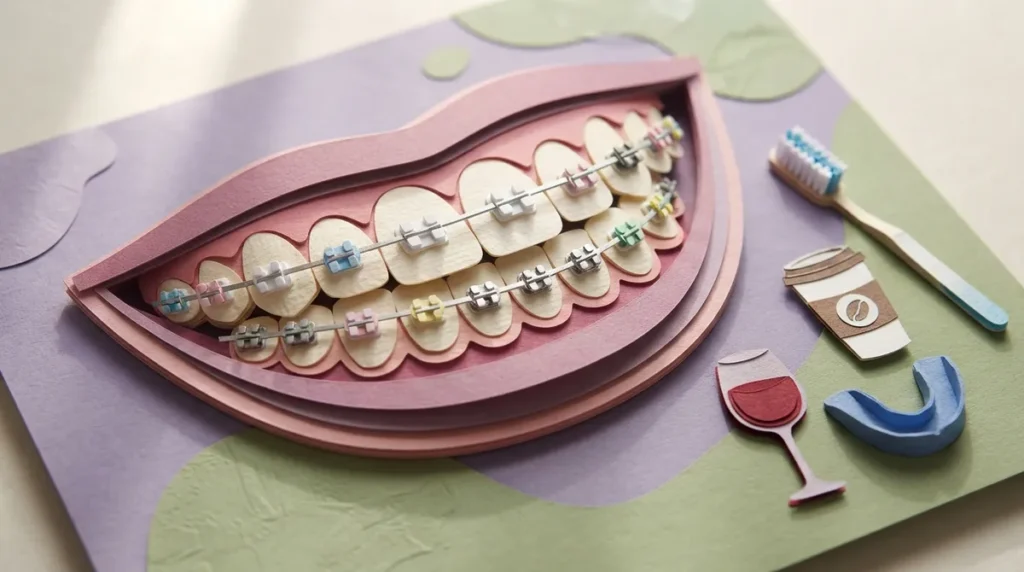
Staining mostly comes from the elastic ties rather than the ceramic brackets, so brush after meals and limit coffee, tea, red wine, curry, and dark sodas to keep them looking fresh.
-
Ceramic brackets are more brittle than metal and can chip or break, so avoid hard and sticky foods like popcorn, hard candy, and chewy caramel, and wear a mouthguard for sports.
-
Never remove brackets or adhesive at home; a study found enamel tearouts more often with ceramic brackets (31.9%) than metal (13.3%), so removal should be done by a dental professional.
-
Both ceramic and metal braces work through gentle, steady pressure, so choose based on your bite, treatment goals, and oral health rather than appearance alone.
-
Wear your retainer as directed after treatment, since teeth tend to drift back toward their original positions.
If you have ever searched for metal white braces, you are not alone. Lots of families and adults want braces that work well but do not stand out in photos. The good news is that you have options. The tricky part is that this phrase can mean a few different things, so it helps to know what you are really asking for.
Maybe you are a parent planning braces for your teen. Maybe you are a busy professional who wants a lower-profile look. Or maybe you have a big event coming up and want to feel confident on camera. Whatever your reason, this guide will walk you through each step in plain, friendly language. We will cover what the term means, how to compare options, and how to care for your braces day to day.
By the end, you will know what to ask your orthodontist and how to pick the setup that fits your life. Let’s get started!
What Are Metal White Braces, Really?
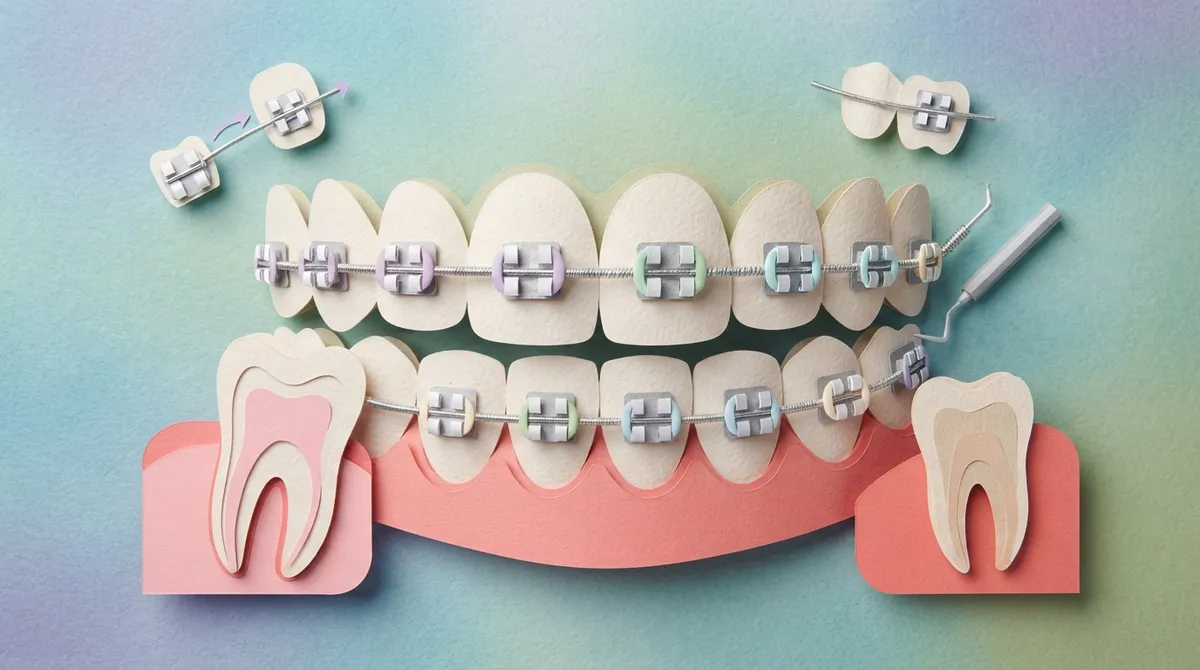
Here is something many people do not realize: “metal white braces” is not an official orthodontic term. It is a casual phrase people use when they want braces that are both strong and less noticeable. In most offices, it points to one of two setups.
- Tooth-colored ceramic brackets. These brackets are bonded to your teeth and blend in with your tooth shade. They are still joined by an archwire, and that wire may be metal.
- Traditional metal braces with white or clear ties. The brackets are metal, but the tiny elastic ties that hold the wire in place are white or clear instead of bold colors.
Both setups use the same basic idea. Brackets sit on your teeth, a wire connects them, and gentle pressure moves your teeth into better positions over time. The difference is mostly in how the braces look and feel.
Because the phrase is so loose, always ask your orthodontist which parts of your braces are ceramic, metal, or elastic. That one question clears up a lot of confusion before you commit.

Why People Love the White Look
Let’s be honest. Nobody wants to feel self-conscious about their smile while they are working on improving it. White or tooth-colored parts help braces blend in with your natural teeth, so they tend to draw less attention than a full set of shiny metal.
It is important to be realistic, though. Ceramic brackets are less visible than metal ones, but they are not invisible. The archwire can still show, and the small ties can pick up color over time. Think of white braces as a softer, more subtle look rather than a disappearing act.
Here are some of the reasons different people lean toward this style:
- Teens and parents: A less noticeable look can help kids feel more at ease at school and in photos.
- Young adults and professionals: A lower-profile appliance can feel more comfortable in meetings and social settings.
- Life event planners: Wedding, graduation, and big milestone dates often drive the wish for a quieter look.
- Adults returning for a touch-up: If you wore braces before and want to fix shifting, a discreet option may feel more appealing this time around.
How to Choose the Right Option: A Step-by-Step Guide
Picking braces should not feel stressful. Follow these steps to make a clear, confident choice.
- Get clear on your goals. Ask yourself what matters most: appearance, comfort, cost, or treatment speed. Write down your top two priorities.
- Learn what your teeth need. Your bite, how crowded your teeth are, and your gum health all play a role. Appearance alone should not decide the appliance.
- Ask which parts will be metal, ceramic, or elastic. This tells you what your braces will actually look like day to day.
- Talk about staining and care. Ask how the ties are handled and how often they are changed.
- Ask about total cost. Find out whether the fee includes retainers, visits, repairs, and follow-up care.
- Book a consultation. A hands-on visit gives you a personal plan instead of guesses from the internet.
Taking these steps in order helps you avoid surprises later. If you want to see what a first visit looks like, our guide on what to expect at your first orthodontic visit is a great place to start.
Ceramic vs. Metal: A Side-by-Side Look
Seeing the differences laid out can make the decision much easier. This table gives a general comparison. Keep in mind that every smile is different, and your orthodontist will tailor the plan to you.
| Feature | Traditional Metal Braces | Ceramic (Tooth-Colored) Braces |
|---|---|---|
| Appearance | Most noticeable | Blend with tooth color, less visible |
| Strength | Very durable | More brittle, may chip or break |
| Staining | Ties can discolor if colored | Ties may stain; brackets resist it better |
| Wire | Metal wire | Wire is often still metal |
| Removal care | Professional removal required | Professional removal required; extra care needed |
| Best for | Active kids, complex cases | Teens and adults wanting a subtler look |
Both types apply gentle force to move teeth, and both can give beautiful results. If you want to dig deeper into why classic hardware still earns its place, check out our post on why traditional metal braces are still a top choice. You can also compare more styles in our guide to 7 types of braces and which one is right for you.
Will White Braces Stain or Turn Yellow?
This is one of the most common worries, and it is a fair one. The truth is that staining is usually about the small elastic ties, not the ceramic bracket itself. Those ties can pick up color from foods and drinks during treatment.
Here is how to keep your braces looking fresh:
- Brush after meals and before bed with fluoride toothpaste.
- Clean around each bracket and under the wire every day.
- Limit strongly staining foods and drinks like coffee, tea, red wine, curry, and dark sodas.
- Rinse with water after snacks when you cannot brush right away.
- Follow the cleaning tips your orthodontist gives you.
Don’t worry if you slip up now and then. Ties are replaced at regular adjustment visits, which gives you a fresh start each time.
How to Care for Your Braces Every Day
Good habits matter more than the color of your brackets. Plaque that sits around braces can lead to gum swelling, cavities, and white spots on the teeth. A simple routine goes a long way.
- Brush thoroughly at least twice a day. Angle your brush toward the gumline and clean above and below the brackets.
- Clean between teeth using floss threaders, interdental brushes, or a water flosser.
- Use fluoride toothpaste to help protect enamel.
- Skip the hard and sticky stuff. Foods like hard candy, popcorn, and chewy caramel can break brackets or bend wires. Our list of 13 foods to avoid with braces makes it easy to remember.
- Keep every appointment. Regular adjustments keep your treatment on track.
For a deeper dive into daily habits, our guide on how to care for braces is packed with practical tips for the whole family.
What About Breakage and Enamel Safety?
Ceramic brackets are generally more brittle than metal ones, so they can chip or break more easily. That does not make them a bad choice. It just means you should be a little more careful with hard foods and sports.
Removal also deserves a mention. Taking braces off and cleaning off the leftover adhesive should always be done by a dental professional. In one clinical study of 81 patients and 486 brackets, enamel was found on 26.1% of the bracket bases examined. Enamel tearouts were reported more often with ceramic brackets than metal ones (31.9% versus 13.3%). These numbers come from one study with its own sample and methods, so they do not predict what will happen for you. Still, they are a good reminder to never pick at or remove brackets at home.
If a bracket breaks or a wire pokes you, it is not the end of the world. Learn what to do in our guide to common emergency situations with braces, or visit our orthodontic emergency page for help.
How Long Will Treatment Take?
Many people ask this first. Fixed braces commonly last about one to two years, but that is not a promise. The real timeline depends on your bite, your treatment plan, and how well you follow instructions, including wearing elastics and keeping appointments.
Ceramic and metal brackets can have different friction and design features, so the details of your treatment are always personalized. Your orthodontist will give you an estimate after looking at your teeth and X-rays. If speed is a big priority for you, ask about modern digital systems. Our LightForce orthodontics option uses custom 3D-printed brackets, and it offers clear or white bracket choices that blend in with your teeth.
Braces for Every Age and Lifestyle
One of the best things about modern orthodontics is that there is something for nearly everyone. Here is how different people often approach it.
For Kids and Teens
Younger patients often enjoy making braces their own. Our WildSmiles braces come in fun shapes like stars, hearts, and flowers, which can make treatment feel exciting instead of scary. If your teen prefers a quieter look, a tooth-colored option may be the better fit. Our guide on how to choose the right braces for teens can help you talk it through together.
For Adults and Professionals
Adults often care most about looking polished and keeping treatment efficient. A subtle appliance can help you feel at ease at work. If you are thinking about starting, take a look at our adult orthodontics page for a friendly overview.
For People Who Prefer No Brackets at All
If the idea of any bracket feels like too much, clear aligners may suit you. They are removable and very discreet. Our braces versus clear aligners comparison breaks down the pros and cons so you can decide with confidence. You can also learn more about clear aligners and what they can treat.
Questions to Ask Before You Commit
Showing up with a few good questions makes your consultation far more useful. Try bringing this list:
- Which parts of my braces will be metal, ceramic, or elastic?
- Is my bite a good match for ceramic brackets?
- How often will the ties be changed?
- What is the total cost, and what does it include?
- Are retainers and follow-up visits part of the fee?
- What should I do if a bracket breaks?
A caring orthodontist will welcome these questions. If you would like more ideas, read our tips on how to ask the right orthodontic questions at your visit.
Keeping Your Results After Braces Come Off
Finishing treatment is a big win, but the work is not over yet. Teeth like to drift back toward where they started, so retainers are a must. Wearing them as directed protects all the time and effort you put in.
Your orthodontist will recommend the best type for you and tell you how long to wear it. To learn more about your choices, explore our page on orthodontic retainers. Think of a retainer as the finishing touch that keeps your smile looking great for years.
Why Local, Personal Care Matters
Choosing braces is a big decision, and the right guide makes a world of difference. At Segovia Orthodontics in Lakewood Ranch, Dr. Flor Segovia creates a warm, supportive setting where patients of all ages can feel comfortable asking questions. She is a board-certified orthodontist, and the practice offers bilingual care in English and Spanish. You can learn more about her background on our Dr. Flor Segovia page, and you can confirm board certification through the American Board of Orthodontics.
We also know cost matters. Ask about our orthodontic financing options so you can plan with peace of mind. Want to see what other patients think? You can visit our Segovia Orthodontics location on Google and read real reviews. We love sharing smile stories, so follow along on our Instagram page and our Facebook page too.
Ready to Take the Next Step?
Choosing between metal white braces, ceramic brackets, or another option does not have to feel overwhelming. Start by understanding what the term means, compare how each setup looks and holds up, and build a daily care routine you can stick with. Most of all, let a trusted professional look at your teeth and build a plan around your goals.
You deserve a smile you are proud of, and the first step is just a conversation. When you are ready, request an appointment with our friendly team, or call us at 941-557-1333 with any questions. We cannot wait to meet you and help you get started on your smile journey!
FAQs
Q: What are metal white braces—are they ceramic braces or metal braces with white bands?
A: Great question! “Metal white braces” is not an official term, so it can mean either one. Most often it points to tooth-colored ceramic brackets, or to metal brackets paired with white or clear ties. Ask your orthodontist exactly which parts of your braces are ceramic, metal, or elastic.
Q: Do ceramic or white braces stain or turn yellow?
A: The ceramic bracket itself resists staining fairly well, but the small elastic ties can pick up color from foods and drinks. Brushing well, cleaning around the brackets, and limiting coffee, tea, and dark sodas will help. The ties are also replaced at your adjustment visits, so you get a fresh look regularly.
Q: Are ceramic braces as effective as metal braces?
A: Both types move teeth using gentle, steady pressure, and both can deliver lovely results. Which one suits you depends on your bite, treatment goals, and oral health, not just looks. Your orthodontist will recommend the best choice after a full exam.
Q: Are white braces more likely to break than metal braces?
A: Ceramic brackets are generally more brittle than metal ones, so they may chip or break more easily. Avoiding hard and sticky foods and wearing a mouthguard for sports can help protect them. If something breaks, call your orthodontist so they can fix it properly.
Q: How long does treatment take with ceramic or white braces?
A: Fixed braces commonly last about one to two years, but your timeline is unique. It depends on your treatment plan, your bite, and how well you follow instructions like wearing elastics and keeping appointments. Your orthodontist can give you a personal estimate at your consultation.
Our Service Area

