Key Takeaways
-
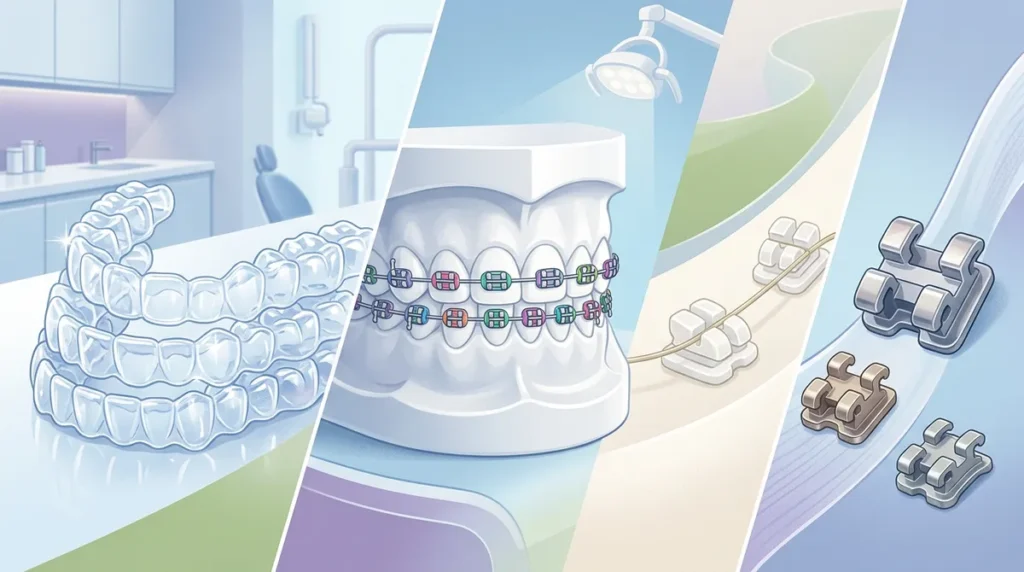
Clear aligners offer nearly invisible treatment with removable trays requiring 20-22 hours daily wear, making them ideal for professionals with mild to moderate alignment issues and treatment times of 6-18 months.
-
Traditional metal braces remain the most affordable and effective option for complex orthodontic problems, with modern designs being more comfortable and customizable with colorful bands, especially popular for children and teens.
-
LightForce custom 3D-printed braces provide precision-engineered brackets for faster treatment with fewer adjustments, appealing to busy adults who want shorter treatment duration and sleeker appearance.
-
Self-ligating braces reduce friction with built-in clip mechanisms instead of elastic bands, requiring fewer office visits and making tooth cleaning easier—perfect for patients with busy schedules.
-
Clear ceramic braces offer a discreet middle-ground option with tooth-colored brackets for teens and adults, though they require avoiding staining foods and drinks and cost slightly more than metal braces.
-
Post-treatment retainers are critical for all patients to prevent tooth relapse, with options for removable or fixed styles that should be worn nightly or as directed to protect your orthodontic investment.
Thinking about getting braces but feeling overwhelmed by all the options? You’re not alone! Whether you’re a mom researching options for your child, a young professional wanting a discreet smile fix, or someone preparing for a big life event, knowing the different types of braces can make all the difference. The good news is that orthodontic treatment has come a long way, and today’s options are more comfortable, effective, and stylish than ever before. From classic metal brackets to nearly invisible aligners, there truly is something for everyone. This friendly guide walks you through 7 popular types of braces so you can feel confident and informed when you sit down with your orthodontist. Let’s dive in and find your perfect smile match!
1. Traditional Metal Braces
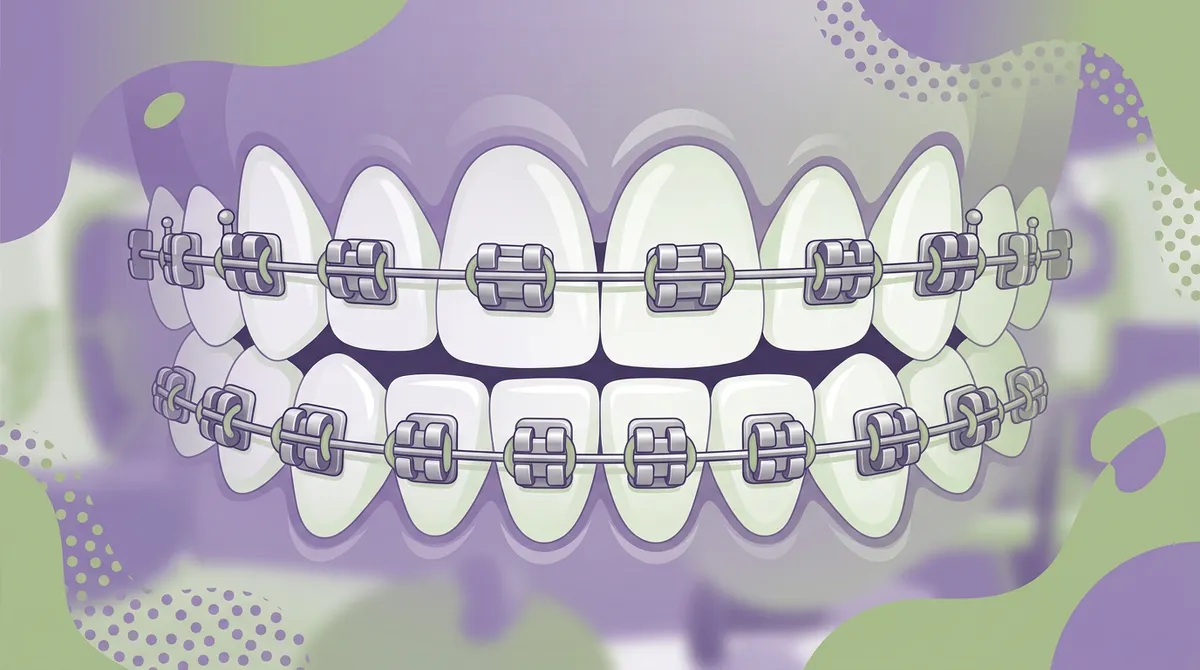
Traditional metal braces are the most well-known option, and they remain incredibly popular — for good reason! They use metal brackets and wires to gently shift your teeth into place over time. They’re one of the most effective solutions for a wide range of common orthodontic problems, including crowding, spacing, and bite issues.
Modern metal braces are much sleeker and more comfortable than they used to be. They’re also budget-friendly compared to many other options. Plus, kids and teens love customizing their look with colorful elastic bands!
- Best for: Children, teens, and adults with complex alignment issues
- Treatment duration: Typically 18 months to 3 years
- Visibility: Noticeable but can be personalized with color bands
- Cost: Generally the most affordable option
- Maintenance: Regular adjustments every 4–8 weeks
2. Clear Ceramic Braces
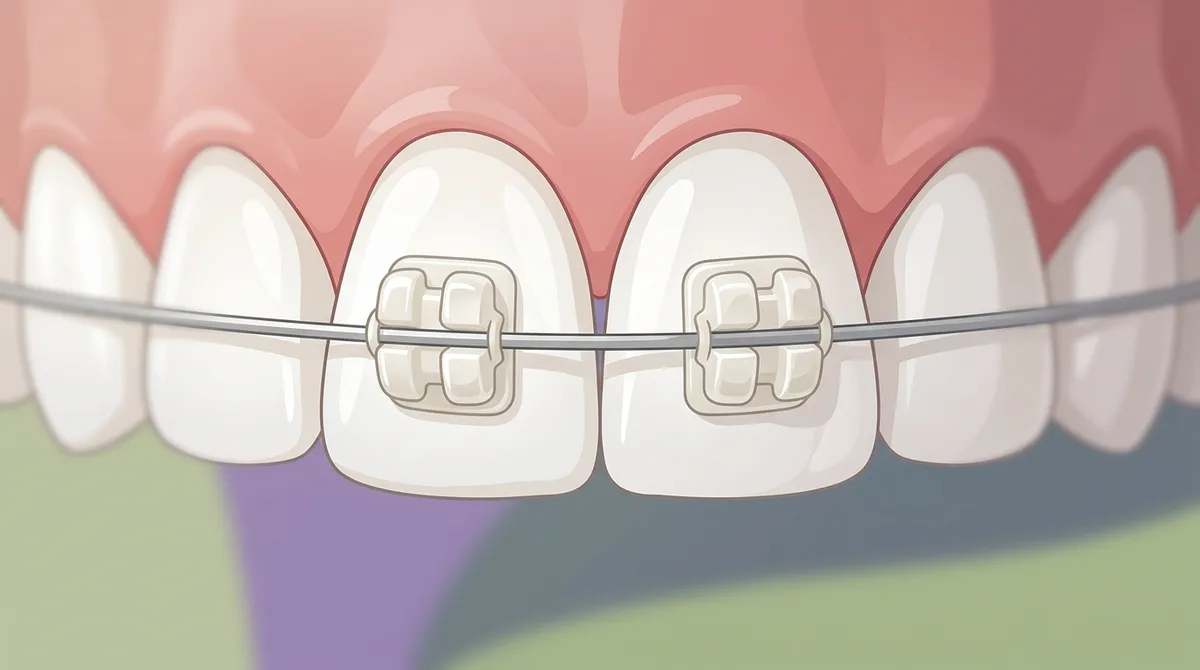
Clear ceramic braces work just like metal braces, but the brackets are made from a tooth-colored or clear ceramic material. This makes them much less noticeable on your smile. They’re a popular choice for teens and adults who want effective treatment without drawing too much attention.
The trade-off is that ceramic brackets can be a bit more fragile than metal ones and may stain if you drink a lot of coffee or tea. Still, with a little care, they’re a fantastic middle ground between effectiveness and aesthetics. You can explore adult orthodontics to learn more about whether ceramic braces fit your lifestyle.
- Best for: Teens and adults who want a discreet look
- Treatment duration: Similar to metal braces, 18 months to 3 years
- Visibility: Much less visible than metal braces
- Cost: Slightly higher than traditional metal braces
- Maintenance: Avoid staining foods and drinks when possible
3. Clear Aligners
Clear aligners are removable, custom-made plastic trays that gradually shift your teeth. They’re practically invisible, making them a top choice for young professionals and career-focused adults who want treatment without affecting their appearance. You can check out more details about clear aligners to see if they might be the right fit for you.
One of the biggest perks? You can take them out to eat, brush, and floss. This makes oral hygiene much simpler compared to fixed braces. However, they require strong commitment — you need to wear them 20–22 hours per day for the best results.
- Best for: Teens and adults with mild to moderate alignment concerns
- Treatment duration: 6 to 18 months depending on complexity
- Visibility: Nearly invisible
- Cost: Comparable to ceramic braces or slightly higher
- Maintenance: Trays changed every 1–2 weeks; easy to clean
4. LightForce Custom Braces
LightForce braces are a cutting-edge innovation in orthodontic treatment. Each bracket is 3D-printed and custom-designed specifically for your unique tooth anatomy. This means a more precise fit and often a shorter treatment time. You can learn more about this exciting technology with LightForce Orthodontics at Segovia Orthodontics.
Because they’re custom-made, LightForce braces can be more efficient at moving teeth. Fewer adjustments and potentially faster results make them appealing to busy adults and parents who value their time. This is one of the most exciting advances in advanced orthodontic technology available today.
- Best for: Patients seeking precision and potentially faster results
- Treatment duration: Often shorter than traditional braces
- Visibility: Low-profile brackets for a sleeker look
- Cost: Premium pricing due to custom technology
- Maintenance: Similar to traditional braces with fewer adjustments
5. WildSmiles Braces
Here’s where orthodontic treatment gets really fun! WildSmiles Braces feature uniquely shaped brackets — think stars, hearts, footballs, and more. These are designed especially for kids and teens who want to express their personality through their smile journey. Who says braces can’t be fun?
WildSmiles brackets are just as effective as traditional metal braces, but with a playful twist that gets kids excited about wearing braces. They work the same way mechanically, so there’s no compromise on treatment quality — just a whole lot more personality!
- Best for: Children and teens who love to express themselves
- Treatment duration: Same as traditional metal braces
- Visibility: Noticeable, but in a fun and stylish way
- Cost: Similar to traditional metal braces
- Maintenance: Same care as standard metal brackets
6. Self-Ligating Braces
Self-ligating braces look similar to traditional metal or ceramic braces, but with one key difference — they use a built-in clip mechanism instead of elastic bands to hold the wire in place. This can reduce friction and may require fewer office visits for adjustments. They can be a great option for patients with busy schedules.
Because there’s less friction on the wire, some patients find self-ligating braces to be more comfortable. They can also make it easier to keep your teeth clean since there are no elastics trapping food. If you’re curious about what to expect from your treatment journey, check out details about your first orthodontic visit.
- Best for: Patients who want fewer appointments and easier cleaning
- Treatment duration: Similar to traditional braces
- Visibility: Available in metal or ceramic styles
- Cost: Moderate; varies by material chosen
- Maintenance: Easier to clean than traditional bracket systems
7. Retainers (Post-Treatment)
Okay, retainers aren’t exactly “braces,” but they’re a critical part of your orthodontic journey! After any braces treatment, you’ll need to wear a retainer to keep your teeth in their new, beautiful positions. Without one, teeth can drift back over time — something called relapse. To understand all about retainer options, visit our page on orthodontic retainers.
Retainers can be removable or fixed (bonded behind your teeth). Your orthodontist will recommend the best type based on your treatment and lifestyle. Think of your retainer as protecting the investment you made in your smile — it’s absolutely worth it!
- Best for: All patients after completing orthodontic treatment
- Wear time: Nightly or as directed by your orthodontist
- Visibility: Removable options are nearly invisible
- Cost: Usually included in your overall treatment plan
- Maintenance: Clean daily to keep bacteria away
Quick Comparison: Types of Braces at a Glance
Still trying to figure out which type is right for you? This handy comparison table breaks it all down side by side so you can see exactly how each option stacks up.
| Type of Braces | Best For | Visibility | Avg. Treatment Time | Removable? |
|---|---|---|---|---|
| Traditional Metal | All ages, complex cases | High | 18 months – 3 years | No |
| Clear Ceramic | Teens and adults | Low | 18 months – 3 years | No |
| Clear Aligners | Mild to moderate cases | Very Low | 6 – 18 months | Yes |
| LightForce Custom | Precision & speed | Low | Shorter than traditional | No |
| WildSmiles | Kids and teens | High (fun!) | 18 months – 3 years | No |
| Self-Ligating | Busy schedules | Low to Moderate | 18 months – 2.5 years | No |
| Retainers | Post-treatment all ages | Very Low | Ongoing | Yes/No |
How to Choose the Right Type of Braces
With so many options, choosing the right braces can feel a little daunting. But don’t worry — your orthodontist will guide you every step of the way! Here are some key factors to help you narrow it down before your consultation.
- Consider your lifestyle: Do you need something removable for professional settings? Clear aligners might be your best bet. Are you a parent looking for something tough and effective for an active kid? Traditional or WildSmiles braces are great picks.
- Think about your timeline: If you’re preparing for a wedding or big event, ask about faster treatment options like LightForce or clear aligners. Teen orthodontic treatment options can also be tailored to busy academic schedules.
- Set your budget: Metal braces tend to be the most affordable, while custom and aligner options may cost more. Look into orthodontic financing to make treatment more manageable.
- Think about aesthetics: For professionals and adults, a low-profile option like ceramic braces or clear aligners can make treatment feel less intrusive in daily life.
- Ask about your orthodontic needs: Some cases require fixed braces for optimal results. Your orthodontist will assess your bite, jaw, and spacing before making a recommendation. For more information about what makes a great provider, visit the American Board of Orthodontics.
Why the Right Provider Matters
Choosing the right type of braces is important, but choosing the right orthodontist is equally crucial. You want someone who is experienced, caring, and up-to-date with the latest techniques. At Segovia Orthodontics, Dr. Flor Segovia is a board-certified orthodontist who brings warmth, expertise, and cutting-edge care to every patient. She offers bilingual care in English and Spanish, making her practice truly welcoming for the whole family.
Whether you’re starting early orthodontic treatment for your child or looking into adult options for yourself, you’ll always feel comfortable and heard. Check out what patients are saying and visit us on Google to read real reviews from happy smiles in the Lakewood Ranch community.
You can also follow along for tips, smile transformations, and fun updates on our Facebook page and our Instagram page. We love celebrating every smile milestone with our community!
3 Steps to Get Started with Braces
- Schedule your consultation: The first step is meeting with a qualified orthodontist who will evaluate your teeth, jaw, and bite. This is the time to ask all your questions and explore your options.
- Review your customized treatment plan: After your exam, your orthodontist will recommend the best type of braces for your specific needs and goals. You’ll also go over timelines and costs.
- Start your treatment: Once you’re ready, your braces will be placed (or your aligners ordered) and you’ll be on your way to your dream smile. Be sure to review the FAQ on orthodontic treatment to know what to expect along the way.
And hey, if you ever experience any discomfort or issues with your braces, don’t panic! Just reach out for help — you can find support for any orthodontic emergency right away. You’re never on your own during your treatment journey.
If you’re feeling stressed about the whole process, remember that self-care matters too. While your smile is transforming, it doesn’t hurt to treat yourself — Visit Mobile Area Massage of Tampa Bay for a relaxing way to recharge between appointments!
Conclusion
There are so many wonderful types of braces available today, and the perfect option is out there waiting for you (or your child!). Whether you lean toward the tried-and-true traditional metal braces, love the idea of nearly invisible clear aligners, or want to make your child smile with fun WildSmiles brackets — the right treatment is a personal decision that your orthodontist will help you make with confidence. The most important step is simply getting started. A beautiful, healthy smile is one of the best investments you can make in yourself. Ready to take the first step? Request an appointment at Segovia Orthodontics at Lakewood Ranch today, and let’s start creating the smile you’ve always dreamed of!
FAQs
Q: What are the most popular types of braces for teens?
A: Traditional metal braces and clear aligners are both popular for teens! Metal braces are durable and budget-friendly, while clear aligners are great for teens who want a more discreet look. WildSmiles braces are also a fun favorite for kids who want to show off their personality during treatment.
Q: Are clear aligners as effective as traditional braces?
A: Clear aligners work really well for mild to moderate alignment issues, and many patients love the flexibility they offer. For more complex orthodontic problems, traditional braces may be more effective. Your orthodontist will help you figure out which option gives you the best results for your specific situation!
Q: How long does treatment with braces usually take?
A: Treatment time varies depending on the type of braces and the complexity of your case. On average, most patients wear braces for anywhere from 6 months to 3 years. Custom options like LightForce braces may help shorten treatment time for some patients.
Q: Do all types of braces require the same level of maintenance?
A: Not exactly! Fixed braces like metal and ceramic require regular office visits for adjustments and careful cleaning around brackets and wires. Clear aligners are easier to maintain since you remove them to eat and brush. Your orthodontist will walk you through exactly what to expect for whichever option you choose.
Q: At what age should my child first see an orthodontist?
A: The American Association of Orthodontists recommends that children have their first orthodontic evaluation by age 7. Early visits help identify potential issues before they become more serious problems. Don’t worry — getting evaluated early doesn’t always mean treatment starts right away!
Our Service Area