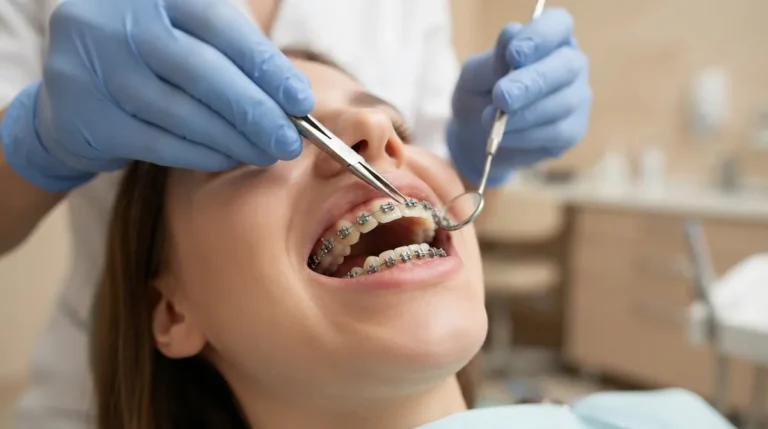
Key Takeaways
-
No single teeth straightening option works best for everyone; the right choice depends on your bite, jaw, goals, and lifestyle, and starts with an in-person orthodontic exam.
-
Clear aligners only work if worn about 20-22 hours a day, so choose them only if you can commit to nearly constant wear; otherwise fixed braces may suit you better.
-
Braces treat a broader range of complex bite and alignment problems, while clear aligners are best suited to mild-to-moderate cases.
-
Mail-order at-home aligners are prescription medical devices the FDA has not authorized for direct sale, and skipping in-person supervision can lead to gum problems or bite changes.
-
Teeth tend to drift back after treatment, so wearing a retainer as directed by your orthodontist is essential to keep your results long term.
-
For children, starting an orthodontic check between ages 7 and 16 can help guide growth, and an orthodontist can advise whether to start now or wait.
If you have ever stared at your smile in the mirror and wondered, “What is the best teeth straightening option out there?” you are in good company. Whether you are a parent planning for your child, a busy professional who does not want visible braces, or someone getting ready for a big life event, the choices can feel overwhelming. Braces, clear aligners, ceramic brackets, digital systems… where do you even start?
Here is the friendly truth: there is no single winner for everyone. The best teeth straightening plan depends on your teeth, your bite, your jaw, your goals, and your lifestyle. That is why a real, in-person exam matters so much.
In this guide, we will walk you through your options in plain language. You will learn how braces and clear aligners work, who each one fits best, what to expect day to day, and how to keep your new smile for life. Let’s get started!
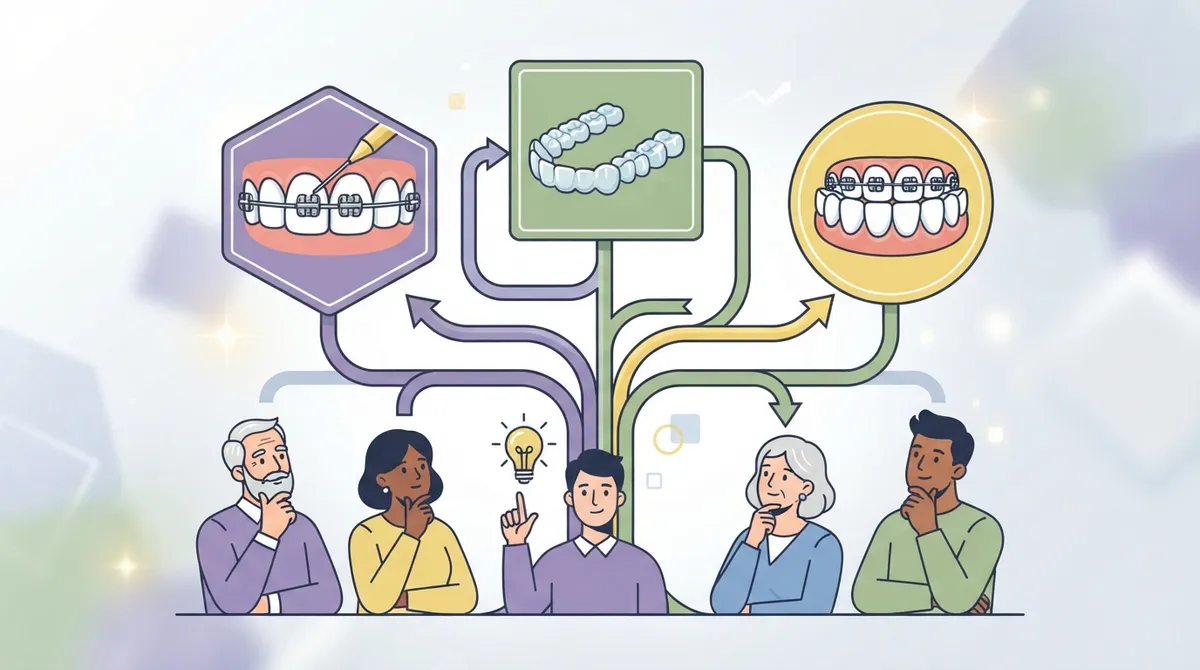
Why There Is No One-Size-Fits-All Answer
Teeth are like fingerprints. No two smiles need the exact same plan. One person may have mild crowding, while another has a deep overbite, a crossbite, or gaps that keep coming back.
An orthodontist looks at several things before recommending a path:
- Tooth position and spacing
- Your bite and how the upper and lower teeth meet
- Jaw relationships and growth (especially for kids and teens)
- Gum and overall oral health
- Your goals, schedule, and comfort preferences
This is why the best teeth straightening choice always starts with a proper evaluation. If you are curious what that visit looks like, our guide on what happens during an orthodontic evaluation walks you through it step by step.
The Main Teeth Straightening Options
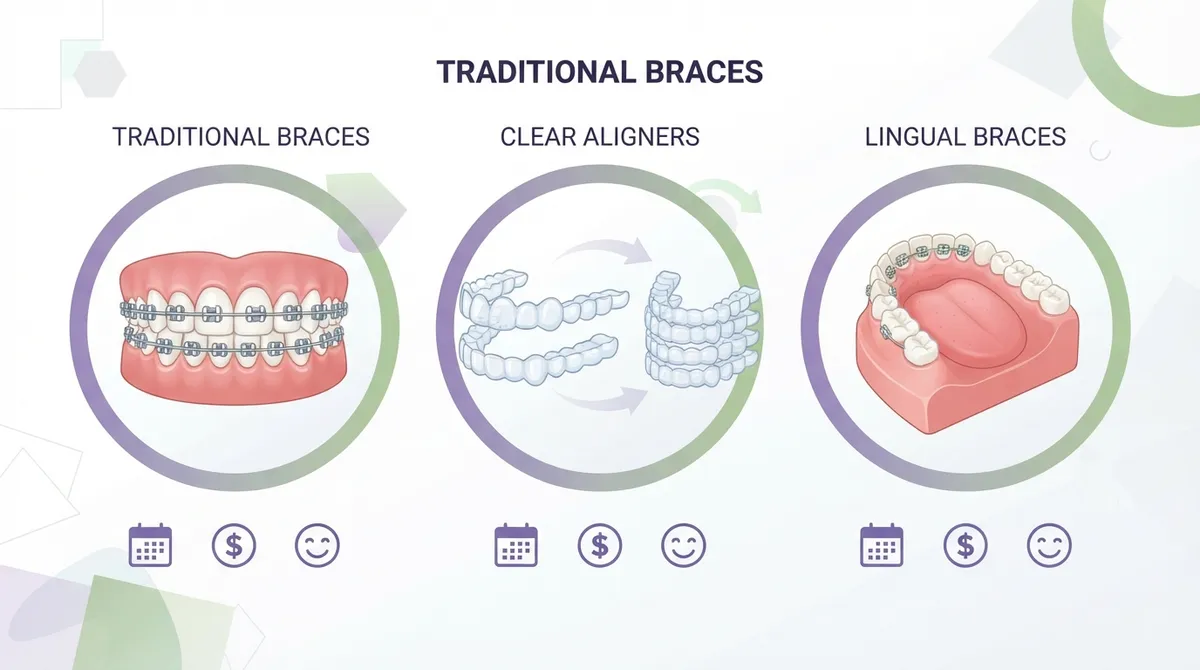
Most modern orthodontic care falls into two big families: fixed braces and removable clear aligners. Each has real strengths.
Traditional and Fixed Braces
Braces use small brackets and wires to gently guide teeth into place. They are bonded to your teeth, so they work around the clock. Braces can treat a very wide range of problems, including many complex bite and alignment issues.
You can choose from metal brackets or tooth-colored ceramic brackets. Metal braces remain a dependable, time-tested choice. If you want to learn more, see 7 reasons traditional metal braces are still a top choice or explore the full list of types of braces.
Clear Aligners
Clear aligners are custom-made, removable trays that move your teeth in small stages. They are popular because they are discreet and let you eat and brush the way you normally do. They can work well for many mild-to-moderate alignment concerns. Whether they fit a more complex case is something your orthodontist needs to assess.
Curious about options? Visit our clear aligners page for details.
Braces vs. Clear Aligners at a Glance
Here is a quick side-by-side look to help you compare:
| Feature | Fixed Braces | Clear Aligners |
|---|---|---|
| Visibility | Visible (metal) or less visible (ceramic or clear brackets) | Nearly invisible |
| Removable | No, bonded to teeth | Yes, removed for meals and cleaning |
| Case complexity | Treats a broad range, including complex bites | Best for suitable mild-to-moderate cases |
| Patient effort | Low wear effort, careful food choices | High: must be worn nearly all day |
| Cleaning | Brush and floss around hardware | Brush and floss normally, clean trays |
| Retainer needed after | Yes | Yes |
Want an even deeper comparison? Our article on braces vs. clear aligners breaks it all down.
Which Option Fits Which Person?
Let’s make this real. Here is how different people often think about their choice.
Concerned Moms and Their Kids
If your child is between 7 and 16, timing matters. Growth can help guide teeth and jaws, so many families benefit from an early check. An orthodontist can tell you whether to start now or wait. Learn more about early orthodontic treatment and teen orthodontic treatment.
For kids who like a little fun, some braces come with playful bracket shapes that make brushing and sticking with treatment feel more exciting. That motivation can be a big plus!
Young Adults and Career-Focused Professionals
If you spend your days in meetings, on video calls, or meeting clients, you may want a low-profile option. Clear aligners and clear or ceramic brackets can help you straighten your teeth without a flashy look. Just keep in mind that aligners require real commitment, which we cover below.
Busy schedule? Ask about efficient digital systems. Some advanced braces are built from a fully digital plan, which can help with precision and comfort.
Life Event Planners
Wedding, graduation, or big career move coming up? Be honest with your orthodontist about your timeline. They can tell you what is realistic and which approach fits your dates. Starting early gives you the most flexibility.
Adults Dealing With Relapse
Did your teeth shift after your first round of braces? It is more common than you think, and it is fixable. Adults who return for treatment tend to be motivated and consistent, which helps a lot. Read more about adult orthodontics and why teeth shift back after braces come off.
How Clear Aligners Really Work (and the Wear Time You Need)
Clear aligners are only as good as the time you wear them. This is the part that surprises many people.
- The FDA advises wearing aligners at least 20 hours a day, or as directed by your orthodontist.
- The American Association of Orthodontists commonly describes about 22 hours a day.
- You take them out for meals, brushing, and generally for any drink other than water.
- Many aligner sets are worn for about one to two weeks before you switch to the next set, though schedules vary by plan.
Also, the first set of aligners can take around 4 to 6 weeks to be made and delivered in some cases. That is not your full treatment time, just the wait before you begin.
If you tend to forget things or snack all day, be honest with yourself. Fixed braces might suit you better. For tips, check out 7 clear aligner mistakes that can ruin your smile results.
Advanced Options Worth Knowing About
Technology has changed orthodontics in a big way. At Segovia Orthodontics at Lakewood Ranch, Dr. Flor Segovia uses modern tools to make treatment more comfortable and precise. You can read about her background on the Orthodontist Flor Segovia page, and learn about our advanced orthodontic technology.
LightForce Braces
LightForce is a fully digital system. Each bracket is custom-designed and 3D printed to fit your teeth. Real-time digital planning allows precise adjustments, and the brackets come in clear or white shades for a subtle look. Learn more about LightForce Orthodontics.
WildSmiles Braces
WildSmiles brackets come in fun shapes like stars, hearts, and flowers. Kids and teens often love picking a shape, and that excitement can help them brush and care for their teeth better. Explore WildSmiles braces to see the choices.
Angel Aligners
Angel Aligners are clear, removable trays planned with digital, AI-assisted technology. They use a frosted finish to reduce shine and can include built-in anchor points, which may reduce the need for extra attachments in some cases. Ask us if they fit your goals.
A Simple Step-by-Step Way to Choose
Feeling stuck? Follow these steps to find the best teeth straightening plan for you:
- Think about your goals. Do you want a faster look, a discreet look, or the strongest fix for a tricky bite?
- Be honest about your habits. Can you wear aligners most of the day, every day?
- Book an in-person exam. Your orthodontist may use X-rays, photos, and digital scans to see the full picture.
- Compare your options. Ask what is realistic for your case, how long it may take, and what it costs.
- Plan for the long run. Ask about retainers right from the start.
Not sure what to ask? Try how to ask the right orthodontic questions at your visit.
A Word of Caution About Mail-Order Aligners
You may see ads for at-home aligners shipped right to your door. Be careful here. The FDA says clear aligners are prescription medical devices. It has not authorized clear aligners sold directly to consumers without a prescription and supervision by a dentist or orthodontist.
Why does that matter? Without a hands-on exam and regular follow-ups, small problems can grow into bigger ones, like gum trouble or bite changes. The FDA recommends an in-person evaluation and periodic check-ins.
You can read the FDA guidance on clear dental aligners to learn more. When in doubt, choose care that includes a licensed professional watching your progress. You can also confirm a specialist’s credentials through the American Board of Orthodontics. Dr. Segovia is a board-certified orthodontist, and you can read why that matters in board certified orthodontist.
What About Comfort, Side Effects, and Cost?
Let’s cover the questions we hear most.
Will It Hurt?
Mild soreness is normal with both braces and aligners, especially after a new set or an adjustment. It usually fades in a few days. Simple tips can help, like soft foods and over-the-counter relief if your orthodontist approves. See how to stop braces from hurting for more ideas.
How Long Does Treatment Take?
It depends on your case. Mild cases can move faster, while complex bites may take longer. Your orthodontist will give you an estimate after your exam, and this can shift as your teeth respond.
How Much Does It Cost?
Costs vary based on the type of treatment and the complexity of your case. Many families use insurance benefits and flexible payment plans to make care more manageable. Explore orthodontic financing and 9 smart ways to make orthodontic financing work for you.
The Step Everyone Forgets: Retainers
Here is a big one. Straightening your teeth is only half the job. Keeping them straight is the other half. After braces or aligners, teeth want to drift back. That is why retainers matter.
Your orthodontist will decide the type and the length of time you need to wear them. Some are removable, and some are fixed behind your teeth. Learn more about orthodontic retainers and how to master retainer care.
Also, good habits help during treatment. Brush and floss every day, and keep up with regular dental cleanings. Both braces and aligners need great oral hygiene to protect your teeth and gums.
Why Families Choose Segovia Orthodontics
At Segovia Orthodontics at Lakewood Ranch, we offer personalized care for children, teens, and adults. Our warm, family-focused office offers braces and clear aligners, and we provide bilingual care in English and Spanish. Curious about what sets us apart? Take a look at why choose us.
Want to see what other patients say? You can visit us on Google — Segovia Orthodontics to read reviews from our Lakewood Ranch community. You can also follow along with smiles and updates on our Instagram page and our Facebook page.
Your Next Step Toward a Straighter Smile
The best teeth straightening choice is the one that matches your teeth, your bite, and your life. Braces shine for a wide range of cases. Clear aligners shine for discreet, removable convenience when your case is a good fit. And no matter which you pick, retainers keep your results for the long haul.
The smartest first move is a professional evaluation. Ready to find your perfect fit? Request an appointment today, or call us at 941-557-1333 to chat with our friendly team. You can also contact us with any questions. We can’t wait to help you smile with confidence in 2026 and beyond!
FAQs
Q: Are braces or clear aligners better for straightening teeth?
A: Neither one is better for everyone! Braces can handle a wider range of bite and alignment problems, while clear aligners are a great discreet option for suitable mild-to-moderate cases. Your orthodontist can tell you which one fits your smile after an in-person exam.
Q: How many hours a day do I need to wear clear aligners?
A: The FDA advises at least 20 hours a day, and the American Association of Orthodontists commonly describes about 22 hours. You only take them out to eat, brush, and drink anything other than water. Following your orthodontist’s exact schedule is the key to great results.
Q: Are mail-order or at-home clear aligners safe?
A: Clear aligners are prescription medical devices, and the FDA has not authorized them to be sold directly to consumers without a prescription and supervision by a dentist or orthodontist. Skipping in-person exams and follow-ups can raise the risk of complications. It is always safest to have a licensed professional guide your care.
Q: Do I need a retainer after braces or clear aligners?
A: Yes, you do! Retainers help hold your teeth in their new spots so they do not drift back. Your orthodontist will pick the right type and tell you how long to wear it.
Q: Do braces or clear aligners hurt?
A: Most people feel mild soreness for a few days after getting braces, getting an adjustment, or switching to a new aligner set. It usually fades quickly and is very manageable. If the discomfort feels strong or lasts, give your orthodontist a call.
Our Service Area