Key Takeaways
-
Adult orthodontics treats tooth alignment and bite problems in adults whose jaw growth is complete, and it helps both appearance and function, such as easier cleaning and better chewing.
-
Common adult concerns include crowding, spacing, overbite, underbite, crossbite, open bite, tooth migration, and uneven wear caused by a poor bite.
-
Adults can usually get treatment at any age if teeth, gums, and supporting bone are healthy, but significant jaw mismatches may require a combined orthodontic and oral surgery plan.
-
Clear aligners suit mild to moderate cases and are removable, but they only work when worn as directed, while braces are often better for complex bite problems.
-
Retainers are essential after treatment because teeth can drift back over time, and many people are advised to wear them long term.
-
Before treatment, gum health and cavities should be addressed, since healthy gums and bone are needed to hold teeth steady while they move.
Have you ever caught your reflection in a photo and wished your smile looked a little straighter? You are definitely not alone. Many grown-ups feel the same way, and the good news is that it is never too late to do something about it. So, what is adult orthodontics, exactly? In simple terms, it is the care and treatment of tooth and bite problems in adults, using tools like braces or clear aligners.
Adult orthodontics has become more popular every year. The American Association of Orthodontists (AAO) estimated that about 1.91 million adults were being treated by its members in the United States in 2024, up from roughly 1.64 million in 2022. That is a lot of people deciding to invest in their smiles!
In this guide, we will walk through what adult orthodontics involves, who it helps, which treatment options exist, and what to expect along the way. Whether you are a busy professional, planning a big life event, or hoping to fix a smile that shifted after earlier braces, you will find helpful answers here.
What Is Adult Orthodontics?
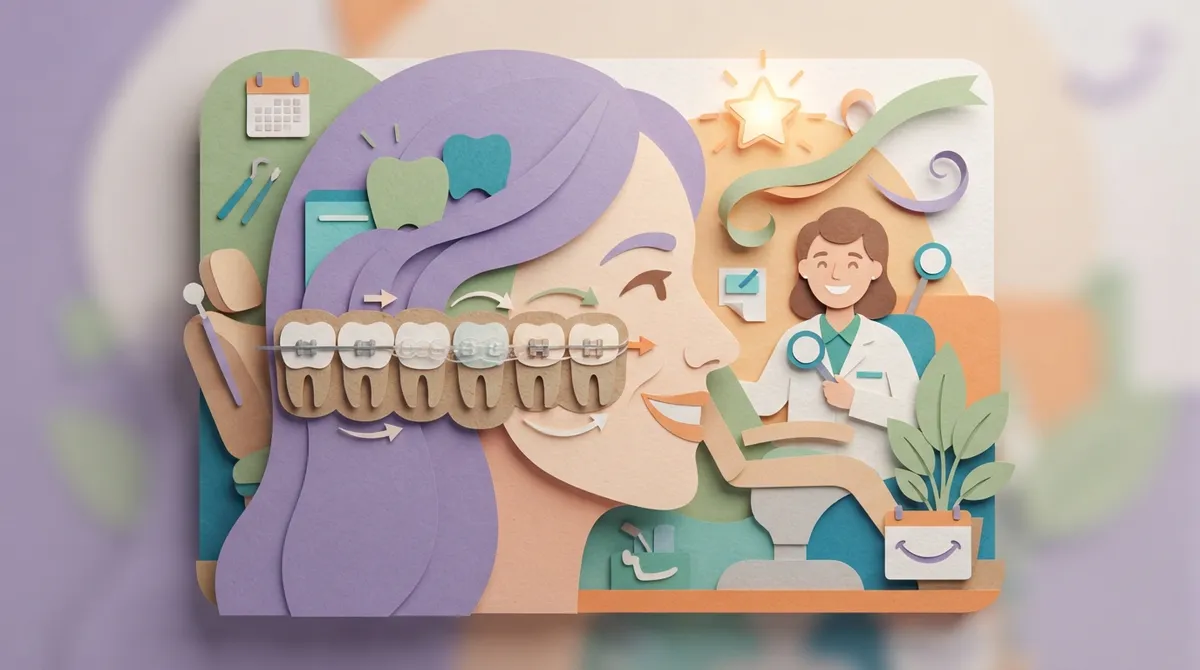
Adult orthodontics is the evaluation and treatment of tooth alignment and bite problems in people whose jaw growth is mostly complete. It can help adults who never had braces, and it can also help those whose teeth moved after earlier treatment.
The goal is not only a prettier smile. A well-aligned bite can make teeth easier to clean and help them work together better when you chew and speak. That means treatment can support both how your smile looks and how it functions.
At Segovia Orthodontics, adult care is built around your goals, your schedule, and your oral health. Every smile is different, so every plan should be too.
Common Problems Adult Orthodontics Can Treat
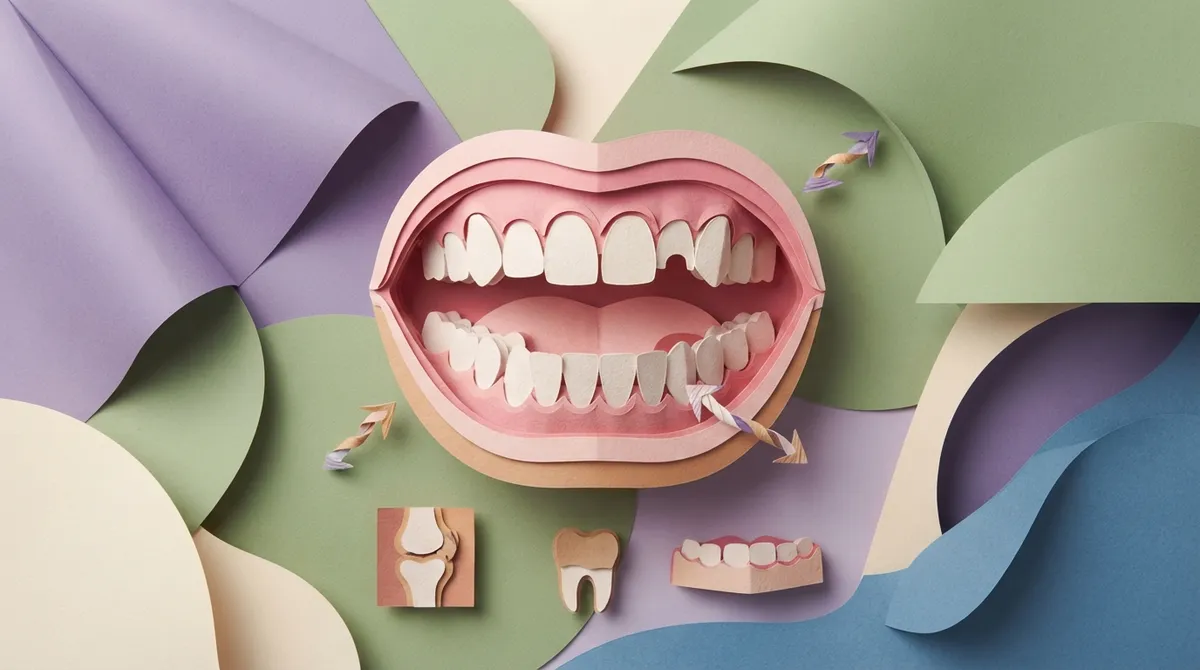
Adults come to the orthodontist for many reasons. Some want a cosmetic change, while others notice that biting or cleaning has become harder. Here are the most common concerns:
- Crowding: Teeth overlap or twist because there is not enough room.
- Spacing: Gaps between teeth that you would like to close.
- Overbite: Upper front teeth sit too far forward over the lower teeth.
- Underbite: Lower teeth sit in front of the upper teeth.
- Crossbite: Some upper teeth bite inside the lower teeth.
- Open bite: Front teeth do not meet when you bite down.
- Tooth migration: Teeth drift out of place over time.
- Uneven tooth wear: Teeth wear down unevenly because of a poor bite.
If any of these sound familiar, you can learn more in our guide to common orthodontic problems.
Can Adults Really Get Braces at Any Age?
In most cases, yes! Healthy teeth can move at many ages. There is no single cutoff where treatment stops being possible. What matters most is the health of your teeth, gums, and the bone that supports them.
That said, adult treatment is not identical to treatment for kids. Because adult jaws have finished growing, orthodontists cannot use growth-guiding appliances the way they can with children. In some cases with a significant jaw mismatch, a combined plan with orthodontics and oral surgery may be needed instead of tooth movement alone.
You may be wondering if you are “too old.” You can read a helpful answer in Can Adults Get Braces? Yes—Here’s What to Know. The short version: a thorough exam tells you whether treatment fits your situation.
Treatment Options for Adults
Today’s adults have more choices than ever. The best option depends on your bite, your oral health, your goals, and your lifestyle. Not every appliance suits every case, so your orthodontist will help you choose.
| Option | How It Works | Best For |
|---|---|---|
| Traditional metal braces | Brackets and wires gently move teeth | Complex bite problems and reliable results |
| Ceramic (tooth-colored) braces | Brackets blend with your teeth | Adults who want a less noticeable look |
| Lingual braces | Brackets sit behind the teeth | Those who want braces hidden from view |
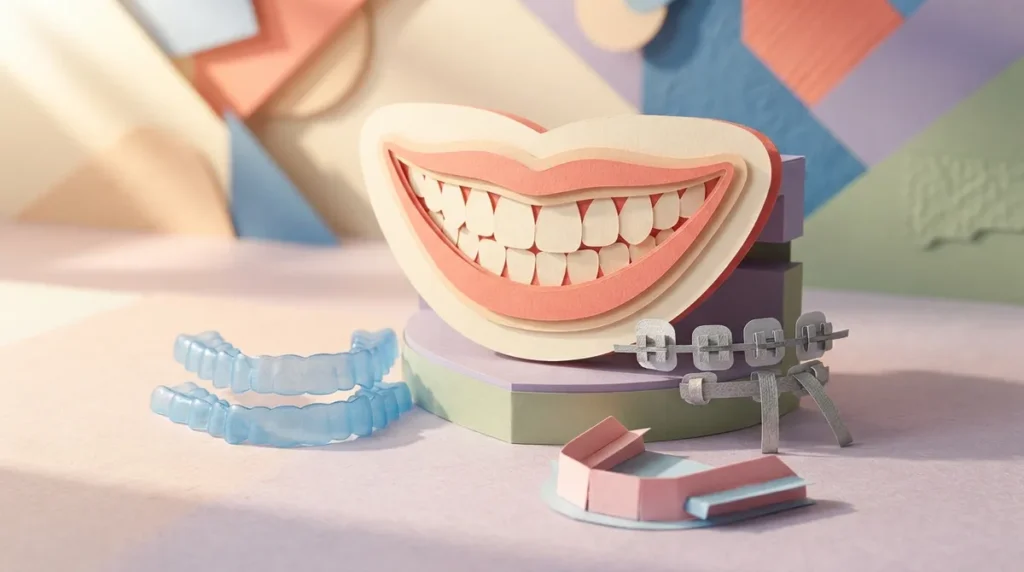
| Clear aligners | Removable clear trays shift teeth step by step | Mild to moderate cases and discreet treatment |
Want to compare styles in more detail? Check out types of braces or read Braces vs. Clear Aligners: Which Is Right for You?
Braces for Adults
Braces are a tried-and-true way to correct many alignment and bite problems. At our practice, LightForce braces use 3D-printed, custom-fit brackets designed around your own teeth. Clear or white bracket options make them more discreet, and the digital planning can help treatment run efficiently.
Clear Aligners for Adults
If you want a low-profile option, clear aligners are a popular pick. They are removable, so you can eat and brush normally. Angel Aligners, which we offer, use a series of custom clear trays and a flexible wear schedule, and many patients like their comfortable feel and frosted, low-shine look.
One important note: aligners only work when you wear them. Consistent wear is the key to staying on track.
Is Adult Orthodontics Right for You? What the Evaluation Covers
Before treatment starts, your orthodontist will take a close look at your whole mouth. Moving teeth works best when the foundation is healthy. A good evaluation usually considers:
- Gum and bone support: Healthy gums and bone are needed to hold teeth steady while they move.
- Cavities: Decay should be treated before tooth movement begins.
- Existing dental work: Crowns, bridges, fillings, and implants can affect the plan.
- Missing teeth: Gaps may shape how teeth are moved.
- Bite and jaw position: This helps decide if braces, aligners, or a team approach is best.
If you have active gum disease, it should be controlled before tooth movement starts. Good brushing, flossing, and regular gum checks stay important throughout treatment. To get ready for that first visit, see What Happens During an Orthodontic Evaluation?
How Long Does Adult Treatment Take?
Here is the honest answer: it depends. Treatment time varies with how complex your case is, which appliance you use, and how closely you follow your plan. There is no one-size-fits-all timeline.
Some cases are straightforward, while others need more time and careful steps. Aligner patients need to wear their trays as directed. Braces patients need to take care around brackets and wires. Either way, showing up for appointments and following instructions helps keep things moving.
For more on timing, take a look at 15 Facts That Reveal Real Braces Treatment Time in 2026.
Adult Orthodontics for Different Life Goals
Adults seek treatment for many reasons. Here are a few common situations and how care can fit in.
Busy Professionals
If your calendar is packed, you want care that respects your time. Discreet options like clear aligners or clear and ceramic braces can keep your look polished at work. Fewer surprises and a clear plan make it easier to stay on track.
Smile Before a Big Event
Planning a wedding, graduation, or major milestone? Starting early gives you the best chance of enjoying your results in time. A consultation can help you understand what is realistic for your situation and schedule.
Adults Whose Teeth Shifted After Braces
Did you wear braces as a teen but skip your retainer? You are in good company. Teeth can shift over time, and many adults return to fix that relapse. Because you already know the routine, you may feel confident going into a second round. Learn more in Why Do Teeth Shift Back After Braces Come Off?
Parents Treating Their Whole Family
Moms and dads often put their own smiles last while caring for their kids. The good news is that family care can happen in one place, and you can even coordinate visits. Our practice welcomes children, teens, and adults.
Why Retainers Matter After Treatment
Finishing active treatment is exciting, but it is not the end of the story. Teeth can move back over time, so retention is a must. Your orthodontist will recommend a retainer type and wear schedule based on your case, and many people are advised to wear retainers long term.
Think of your retainer as the insurance policy for your new smile. Skipping it is the number one reason teeth drift. Explore your options with our guide to orthodontic retainers.
Possible Risks and What to Expect
Every treatment has trade-offs, and it helps to know them up front. Possible risks include:
- Temporary soreness: Teeth can feel tender after adjustments or when starting a new aligner tray.
- Cleaning challenges: Brackets and wires can make brushing and flossing trickier.
- Cavities or gum irritation: These can happen if hygiene slips during treatment.
- Root resorption: A shortening of tooth roots can happen in some cases.
- Relapse: Teeth may shift if retainers are not worn.
Your orthodontist will talk through your personal risks so there are no surprises. Mild soreness usually fades in a few days. If something feels off, our orthodontic emergency page explains what to do.
What About Cost and Payment?
Cost is a real concern for most adults, and it is smart to ask early. Price depends on the type of treatment, the complexity of your case, and the length of care. Flexible payment options can make treatment more manageable.
To learn how it all works, visit our page on orthodontic financing. You can also read 9 Smart Ways to Make Orthodontic Financing Work for You for practical ideas.
Choosing the Right Orthodontist
Your orthodontist makes a big difference in your experience. Look for someone who listens, explains your options clearly, and creates a plan around your life. Specialist training matters too. You can learn about certification through the American Board of Orthodontics.
Dr. Flor Segovia is a board-certified orthodontist who offers bilingual care in English and Spanish in a warm, comfortable setting. You can meet her on our Orthodontist Flor Segovia page, or see why patients pick us on our Why Choose Us page.
Want a peek at what others think? See what patients say when you visit our Segovia Orthodontics location on Google. You can also follow our smiles on our Instagram page and our Facebook page.
Ready to Take the First Step?
So, what is adult orthodontics? It is a flexible, personalized way to improve your smile and bite at any stage of adulthood. With options like braces and clear aligners, a careful evaluation, and a solid retention plan, a straighter and healthier smile is within reach. It is also a wonderful reminder that taking care of yourself is never too late.
If you are curious whether treatment is right for you, we would love to meet you. Start with a friendly conversation about your goals, and we will map out the next steps together. You can request an appointment online, or call us at 941-557-1333. Your future smile is waiting!
FAQs
Q: What is adult orthodontics?
A: Adult orthodontics is the evaluation and treatment of tooth alignment and bite problems in adults, using options like braces or clear aligners. It can help people who never had braces and those whose teeth shifted after earlier treatment.
Q: Can adults get braces at any age?
A: Often, yes! Healthy teeth and gums can usually be moved at many ages. A full exam will show whether treatment is a good fit and which option works best for you.
Q: Are clear aligners as effective as braces for adults?
A: Clear aligners work well for many mild to moderate cases, but braces may be better for more complex bite problems. Your orthodontist will recommend the right choice based on your needs, and aligners only work when worn as directed.
Q: Will I need a retainer after adult orthodontic treatment?
A: Yes, retainers are important because teeth can shift over time. Your orthodontist will suggest the right type and wear schedule, and long-term use is often advised to keep your new smile in place.
Q: Does adult orthodontic treatment hurt?
A: Most people feel mild soreness for a few days after getting braces, adjustments, or a new aligner tray. Other risks, like cleaning challenges or gum irritation, can be managed with good hygiene and regular visits.
Our Service Area