Key Takeaways
-
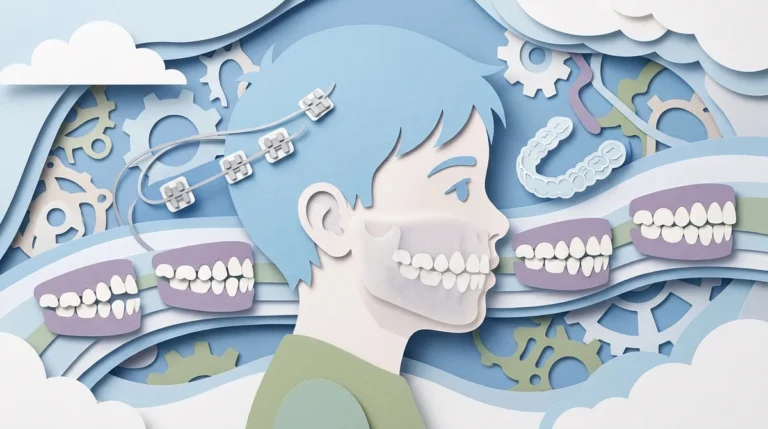
An orthodontic treatment plan is a personalized roadmap that combines your diagnosis, treatment goals, appliance choice, estimated timeline, potential risks, and retention strategy—built on clinical evidence from your consultation, not cookie-cutter templates.
-
Active orthodontic treatment typically lasts 18-24 months, but your timeline depends on case complexity, age, jaw growth, and most importantly, your compliance with wearing appliances and attending appointments consistently.
-
Retention is not optional and continues well after braces come off; teeth can shift throughout life, so wearing retainers for several years (often 4-5 years for fixed retainers) and sometimes part-time for life prevents relapse.
-
Your orthodontist must explain potential risks before treatment begins, including enamel decalcification, gum irritation, tooth decay, root shortening, and appliance breakage—with specific likelihood based on your individual case.
-
Daily compliance habits like brushing after meals, wearing elastics/aligners as instructed, attending every appointment, and maintaining good oral hygiene directly impact your treatment length and final results.
-
Appliance choice should match your lifestyle and goals: kids benefit from fun options like WildSmiles braces, while busy professionals often prefer discreet clear aligners like Angel Aligners or LightForce braces for faster treatment.
Staring down a mouth full of crooked teeth or a nagging overbite? You’re probably wondering what happens next. The truth is, every great smile transformation starts with one thing: a solid orthodontic treatment plan. It’s not just paperwork or a quick chat with your orthodontist. It’s your personal roadmap, built just for you, that takes you from your very first smile concern all the way to your last retainer check.
Whether you’re a parent watching your child’s baby teeth make room for adult ones, a busy professional dreaming of straighter teeth before a big promotion, or an adult ready to fix that relapse from your teenage braces, understanding your treatment plan matters. At Segovia Orthodontics in Lakewood Ranch, Dr. Flor Segovia builds every plan around real people with real lives, not cookie-cutter templates. Let’s walk through exactly what goes into a plan that actually works for you.
What Is an Orthodontic Treatment Plan, Really?
Think of an orthodontic treatment plan as your smile’s GPS. It maps out where your teeth are now, where they need to go, and the best route to get there. This plan combines your diagnosis, treatment goals, appliance choice, estimated timeline, potential risks, and a long-term retention strategy into one clear document.
A good plan isn’t a guessing game. It’s built on real clinical evidence gathered during your consultation and exam. This is why your first visit matters so much, and it’s also why your first orthodontic visit involves more than just a quick look at your teeth.
The Core Pieces of Every Treatment Plan
Every solid plan should include these essential elements:
- A clear diagnosis of your bite and tooth-position problems
- Specific treatment goals, both functional and cosmetic
- The appliance type chosen for your case, like braces or aligners
- An estimated treatment timeline
- Compliance instructions, like wearing elastics or aligners consistently
- Informed consent covering risks and alternatives
- A retention plan to protect your results long-term
How Orthodontists Build Your Personalized Plan
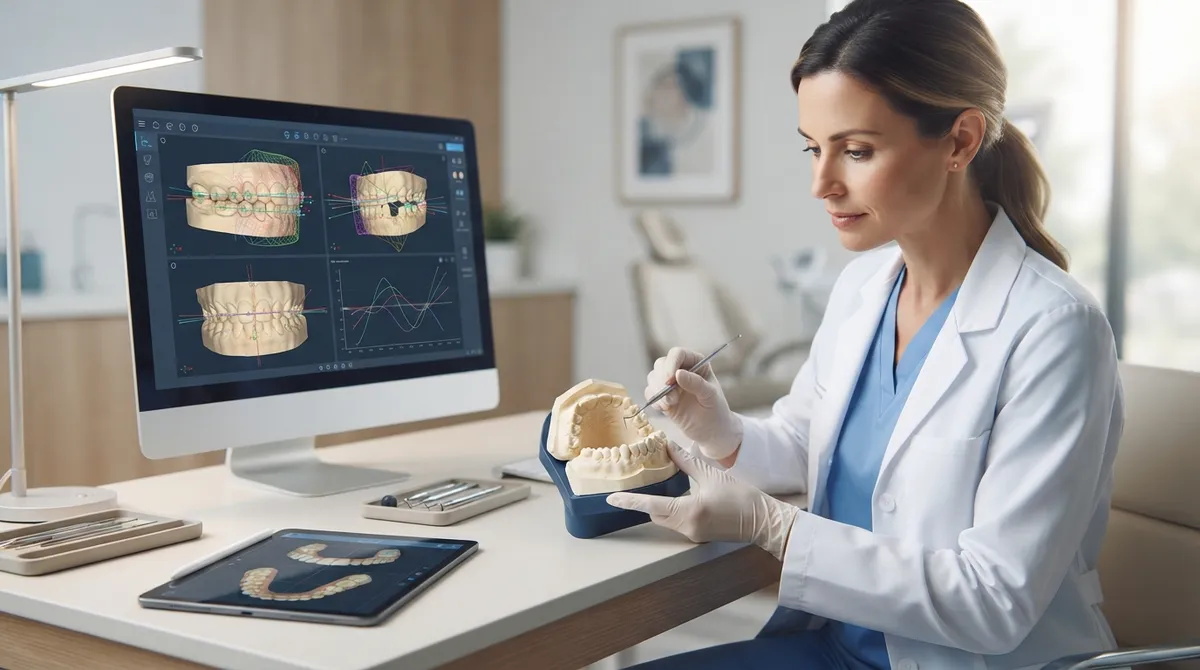
Creating your plan starts long before any brackets touch your teeth. Dr. Segovia and her team gather detailed information about your mouth, jaw, and facial structure. This helps ensure nothing gets missed.
Step-by-Step: How the Planning Process Works
- Initial consultation: Your orthodontist reviews your concerns, medical history, and goals.
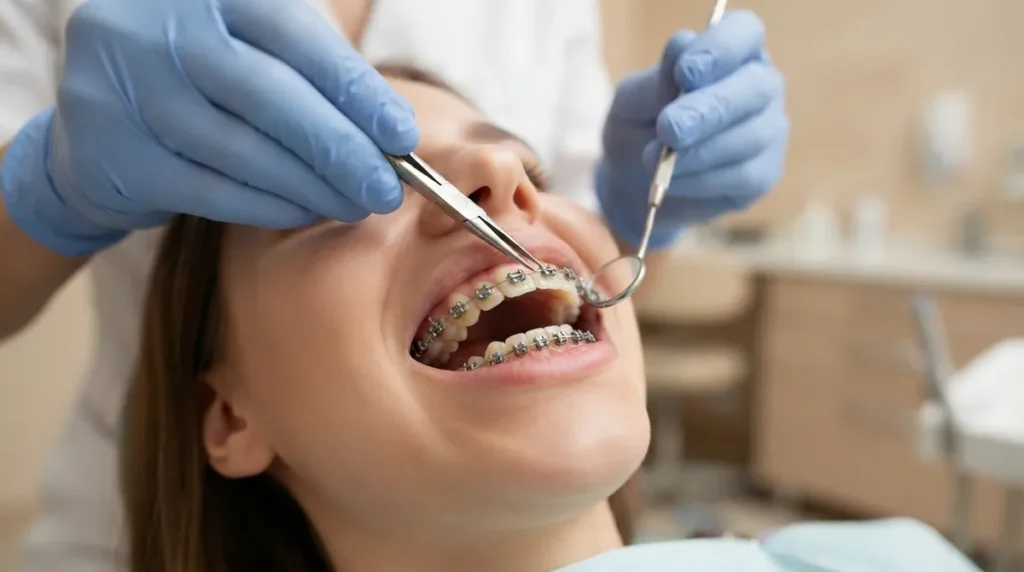
- Clinical examination: This covers facial symmetry, jaw relationships, bite alignment, and gum health.
- Diagnostic records: Photographs, digital scans, and X-rays like panoramic or cephalometric images are taken as needed.
- Growth and oral hygiene assessment: Especially important for kids and teens still growing.
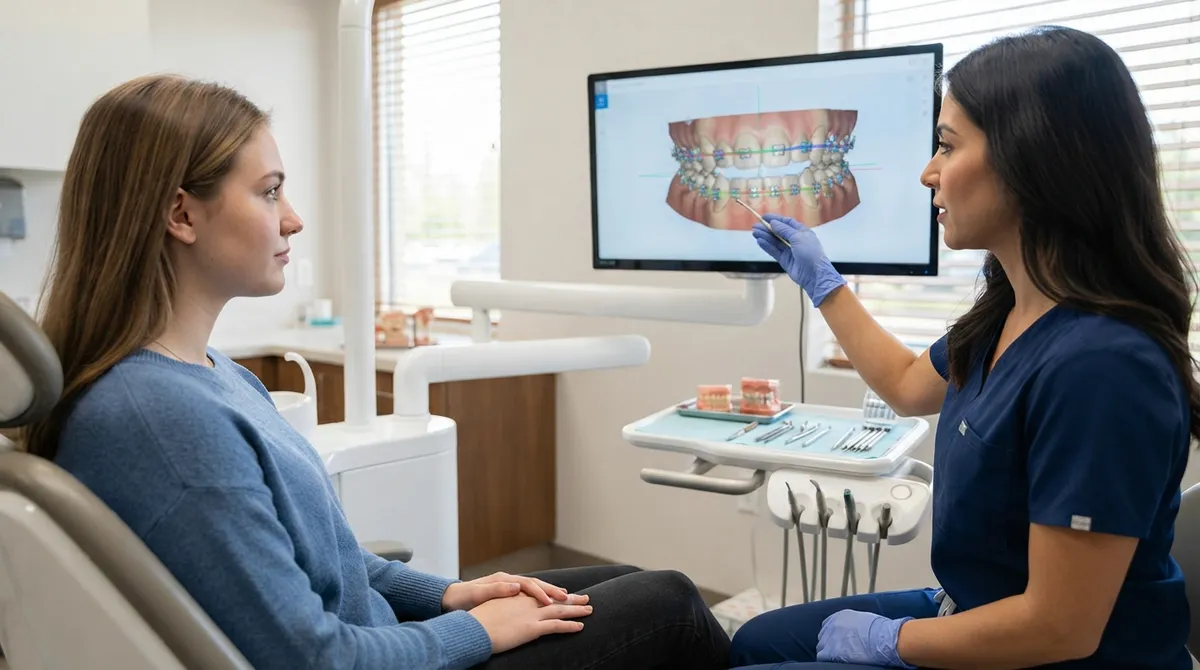
- Plan development: Your orthodontist maps out objectives, appliance choice, and timeline.
- Plan review with you: You’ll go over alternatives, costs, and what to expect at each stage.
- Treatment begins: Appliances are placed, and your journey officially starts.
Curious about what happens during this process? Check out our guide on what happens during an orthodontic evaluation for more details.
Common Problems Your Plan Might Address
No two smiles are exactly alike, which means no two treatment plans look identical either. Your plan will target the specific issues found during your exam. Some of the most common ones include:
- Crowding or overlapping teeth
- Spacing or gaps between teeth
- Overbite or increased overjet
- Underbite or crossbite
- Open bite
- Rotated teeth
- Jaw relationship problems that may need coordinated surgical care
Want to learn more about specific issues? Our article on common orthodontic problems breaks each one down in simple terms.
Choosing the Right Appliance for Your Plan
This is where things get exciting. Your orthodontist will recommend an appliance based on your diagnosis, age, lifestyle, and personal preferences. At Segovia Orthodontics, patients have access to some genuinely fun and effective options.
Popular Treatment Options at Segovia Orthodontics
| Treatment Option | Best For | Key Benefit |
|---|---|---|
| WildSmiles Braces | Kids and teens who want fun, expressive treatment | Custom shapes like stars, hearts, and Mickey Mouse brackets |
| LightForce Orthodontics | Patients wanting precision and speed | Fully digital, 3D-printed braces that can cut treatment time by up to 45% |
| Angel Aligners (Clear Aligners) | Adults and professionals wanting discreet treatment | AI-driven planning with a flexible 7+3 wear schedule |
| Traditional Metal Braces | Complex cases needing maximum control | Reliable, time-tested results |
If you’re torn between two options, our comparison guide on braces versus clear aligners can help you decide what fits your life best.
Why WildSmiles Makes Braces Fun for Kids
Let’s be honest, getting kids excited about braces isn’t always easy. That’s where WildSmiles comes in. These braces feature custom shapes like Super-Stars, Flower-Power, Wild-Hearts, and even Mickey Mouse brackets for Disney fans. There are also Disney-themed elastics inspired by movies like Frozen and Finding Nemo.
Here’s the bonus: WildSmiles brackets are designed to help kids brush better too. Their unique shape keeps plaque from building up directly on the tooth surface. If your child can clearly see the bracket shape while brushing, that’s a great sign they’re doing a thorough job.
Why Adults Love LightForce and Angel Aligners
Busy professionals and adults returning for a second round of treatment often want speed and subtlety. LightForce braces use real-time digital adjustments, meaning Dr. Segovia can fine-tune your treatment plan on a 3D model before anything touches your teeth. Custom appliances are typically ready in under two weeks.
Angel Aligners, meanwhile, use built-in attachments so you skip extra bonded buttons on your teeth. They also feature a frosted, low-shine finish for better discretion at work or during special events. For anyone prepping for a wedding, graduation, or job interview, this can be a game-changer. Learn more in our post about choosing the best Invisalign alternative.
How Long Does an Orthodontic Treatment Plan Take?
This is probably the question we hear most. On average, active orthodontic treatment lasts about 18 to 24 months. But your timeline depends on several personal factors.
Factors That Affect Your Treatment Timeline
- Age and remaining jaw growth
- Complexity of your bite or spacing issues
- How consistently you wear aligners or elastics
- Attendance at scheduled appointments
- Daily oral hygiene habits
- Whether appliances break or need repairs
Simple cases can wrap up faster, while complex ones may take longer. Missing appointments or skipping aligner wear time can also stretch things out significantly. If you’re not diligent with your aligners, don’t be surprised if your orthodontist suggests extra time. This is one reason compliance is so heavily emphasized in every plan we create at our Lakewood Ranch office.
What Happens If You Skip Appointments or Instructions?
We get it, life gets busy. But skipping appointments or ignoring your appliance instructions can seriously slow your progress. Missed visits mean your orthodontist can’t track your progress or make needed adjustments. Not wearing aligners for the recommended hours each day means your teeth simply won’t move as planned.
In some cases, this can lead to broken appliances, prolonged treatment, or even the need to redo certain steps. If you ever run into a broken bracket or loose wire, don’t panic. Check out our orthodontic emergency resource for quick guidance on what to do next.
Understanding the Risks in Your Treatment Plan
A trustworthy orthodontic treatment plan isn’t just about promises, it’s about honesty. Your orthodontist should walk you through potential risks before you begin, so there are no surprises along the way.
Possible Risks to Discuss With Your Orthodontist
- Enamel decalcification or white spot marks from poor hygiene
- Gum irritation or gingivitis around brackets
- Tooth decay from plaque buildup
- Root shortening, usually minor but higher risk with prior trauma or lengthy treatment
- Temporary tooth soreness or mobility after adjustments
- Appliance breakage from certain foods or habits
- Relapse if retainers aren’t worn as directed
Root shortening risk tends to be higher for patients with pointed roots, previous dental trauma, or those needing significant tooth movement. Your orthodontist should always explain these possibilities clearly, along with how likely they are in your specific case.
The Retention Phase: Your Plan Isn’t Over When Braces Come Off
Here’s something many patients don’t expect: finishing active treatment is not the finish line. Retention is a completely separate, and honestly essential, phase of your orthodontic treatment plan.
Why? Because teeth can shift throughout your entire life, not just right after braces come off. Research shows the periodontal ligament, which holds your teeth in place, typically takes about 18 months to fully reorganize after tooth movement. That’s why retainers matter so much during this window and beyond.
Types of Retainers You Might Need
- Removable retainers worn part-time or full-time
- Fixed bonded retainers attached behind your teeth
- A combination of both for maximum protection
Many patients wear fixed retainers for around 4 to 5 years, sometimes paired with removable retainers used periodically. Some orthodontic programs require a minimum of 12 months of supervised retention before patients are cleared for less frequent checkups. Long-term, part-time retainer wear is often recommended for life to prevent relapse. Explore our orthodontic retainers guide for a deeper look at your options.
Caring for Your Smile During Treatment
Your treatment plan works best when you do your part at home. Good habits protect your results and keep your mouth healthy throughout the process.
Daily Habits That Support Your Treatment Plan
- Brush thoroughly after every meal, especially around brackets
- Floss daily using tools designed for braces or aligners
- Avoid sugary snacks and acidic drinks that increase decay risk
- Wear elastics or aligners exactly as instructed
- Attend every scheduled appointment
- Contact your orthodontist right away if something breaks or feels wrong
Consistent care can make a real difference in your treatment length and final results. It also helps you avoid painful issues like gum inflammation or decalcification marks.
Orthodontic Treatment Plans for Every Age and Life Stage
One of the best parts about working with a family-focused practice is that your plan is tailored to your life stage, not a generic age bracket.
Who Benefits from a Personalized Treatment Plan?
- Parents of young children: Early evaluation can catch issues before they become bigger problems. Learn more about early orthodontic treatment.
- Teens: Busy school and activity schedules call for flexible, effective options. See our teen orthodontic treatment page for details.
- Young professionals: Discreet aligners fit around demanding careers without drawing attention.
- Adults planning big events: Weddings, graduations, and job changes are great motivators for a smile refresh.
- Adults with relapse: If your teeth shifted after old braces, it’s never too late to fix it. Our adult orthodontics page covers this in detail.
No matter your age, Dr. Segovia uses advanced orthodontic technology to keep your plan efficient, comfortable, and results-driven.
Planning for the Cost of Your Treatment
Money matters, and a good treatment plan should always include clear cost expectations. Costs vary based on your appliance choice, treatment length, and case complexity. The good news is that flexible payment options exist to help make care accessible.
Segovia Orthodontics offers orthodontic financing designed to fit real family budgets. Don’t let cost concerns stop you from starting your journey toward a healthier, more confident smile.
Why Choose Segovia Orthodontics for Your Treatment Plan?
Dr. Flor Segovia is a board certified orthodontist credentialed through the American Board of Orthodontics, and she brings bilingual, family-focused care to every patient in Lakewood Ranch. Her practice combines cutting-edge tools like LightForce with fun options like WildSmiles, creating plans that fit both your smile goals and your lifestyle.
Curious what sets her apart? Visit our why choose us page or learn more about Dr. Flor Segovia and her approach to patient care. You can also follow along and see real patient stories on our Facebook page or our Instagram page for smile transformations and office updates.
Want to see what real patients are saying? You can visit us on Google — Segovia Orthodontics to read reviews from families right here in Lakewood Ranch.
Ready to Start Your Orthodontic Treatment Plan?
Your journey to a straighter, healthier smile starts with a single conversation. Whether you’re exploring options for your child, considering discreet aligners for yourself, or finally addressing that relapse from years ago, Segovia Orthodontics is here to build a plan that fits your life.
Ready to take the next step? Request an appointment today, or feel free to reach out to our team with any questions. You can also simply call us at 941-557-1333 to get started. Your best smile is closer than you think, and we can’t wait to help you get there.
FAQs
Q: What is included in an orthodontic treatment plan?
A: A solid plan includes your diagnosis, treatment goals, appliance choice, estimated timeline, potential risks, and a retention strategy. Think of it as your personal smile roadmap, built after a thorough exam and discussion with your orthodontist.
Q: How long does an orthodontic treatment plan take?
A: Most active treatment lasts about 18 to 24 months, though this varies based on complexity and how well you follow instructions. Simple cases can wrap up sooner, while more involved bite issues may take a bit longer.
Q: Are braces or clear aligners better for my treatment plan?
A: It really depends on your lifestyle, goals, and the complexity of your case. Kids often love fun options like WildSmiles braces, while busy adults tend to prefer the discreet look of clear aligners like Angel Aligners.
Q: What happens if I miss appointments or don’t wear my aligners?
A: Skipping appointments or aligner wear can slow your progress and even extend your treatment time. Your orthodontist won’t be able to track changes properly, so staying consistent really pays off in the long run.
Q: How long do I need to wear retainers after treatment?
A: Many patients wear retainers for several years, sometimes combining fixed and removable types for the best protection. Since teeth can shift throughout life, long-term or part-time retainer wear is often recommended even after active treatment ends.
Our Service Area