Key Takeaways
-
Most orthodontic emergencies are manageable at home: use orthodontic wax to cover sharp wires, gently push poking wires back with a cotton swab, and avoid DIY fixes like household glue or cutting wires yourself.
-
Distinguish between orthodontic emergencies (poking wires, loose brackets, broken retainers) that need prompt orthodontist care and true medical emergencies (uncontrolled bleeding, difficulty breathing, knocked-out teeth) requiring immediate ER or 911 response.
-
Prevent common emergencies by avoiding hard/sticky/chewy foods, wearing a mouthguard during sports, keeping orthodontic wax accessible, and attending all scheduled adjustment visits to catch small issues early.
-
Contact your orthodontist promptly for broken retainers or lost aligners since teeth can shift within days without proper retention, and ask about temporary solutions while replacements are made.
Picture this: it’s 8 PM on a Sunday, and your child comes running with a wire poking their cheek. Or maybe you’re getting ready for a big presentation tomorrow, and your aligner suddenly cracks. Take a breath. Most of these moments feel scarier than they actually are, and you’re about to learn exactly what to do.
An orthodontic emergency is any sudden problem with braces, aligners, retainers, or other appliances that needs attention sooner than your next scheduled visit. The good news? Research shows that emergency visits only make up about 8.23% of all orthodontic appointments over a six-month period, according to a study published in APOS Trends in Orthodontics (2019). That means most orthodontic hiccups are manageable, not disasters.
At Segovia Orthodontics, we’ve helped countless families in Lakewood Ranch handle these bumps in the road with confidence. This guide walks you through six common orthodontic emergencies, how to handle them at home, and when you truly need to pick up the phone right away.
Understanding What Counts as an Orthodontic Emergency
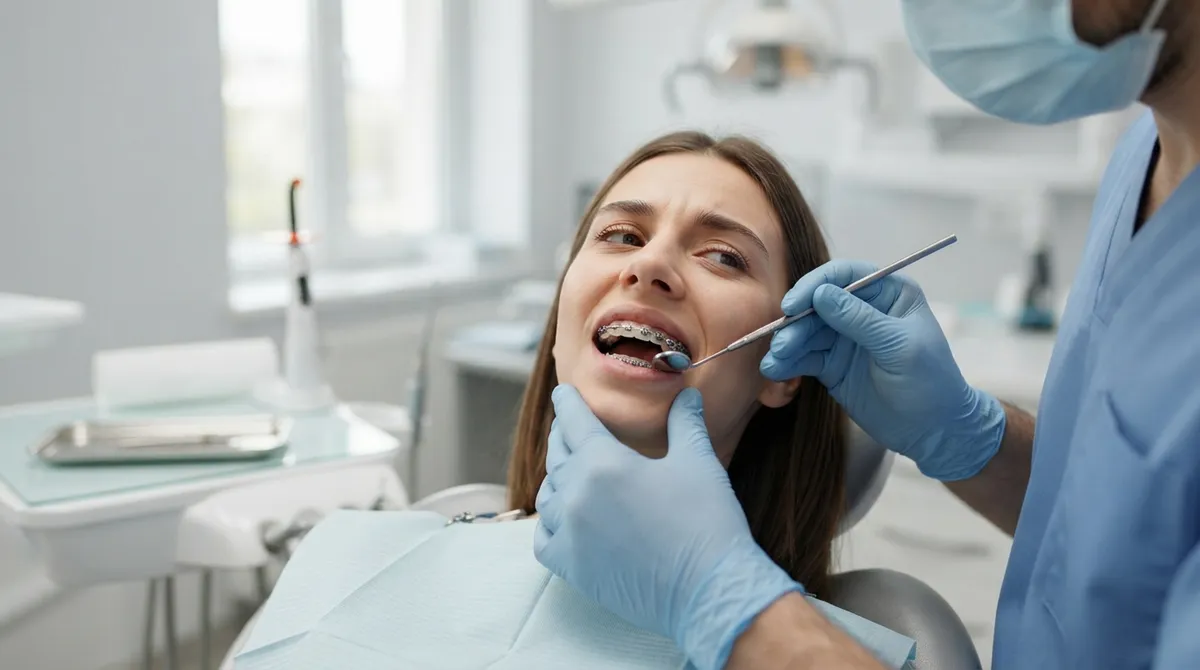
Not every twinge or loose piece means panic mode. Most appliance problems fall into the “urgent but not life-threatening” category. Think of it like a flat tire versus a car accident—both need attention, but only one needs an ambulance.
True medical emergencies are different. These require immediate emergency care, not a call to your orthodontic emergency line:
- Uncontrolled bleeding from the mouth or face
- Trouble breathing or swallowing
- Choking or inhaling a piece of an appliance
- Suspected broken jaw or serious facial injury
- A knocked-out permanent tooth
If you notice any of these signs, head to the emergency room or call 911 immediately. For everything else, keep reading—you’ve got this.
6 Common Orthodontic Emergencies and How to Handle Them
Here’s your go-to list for the most frequent orthodontic emergencies families face, along with simple steps to feel better fast.
1. A Poking or Broken Wire
This is probably the most common orthodontic emergency we hear about. A wire shifts and starts poking the inside of the cheek or gum, causing real discomfort.
Here’s what to do:
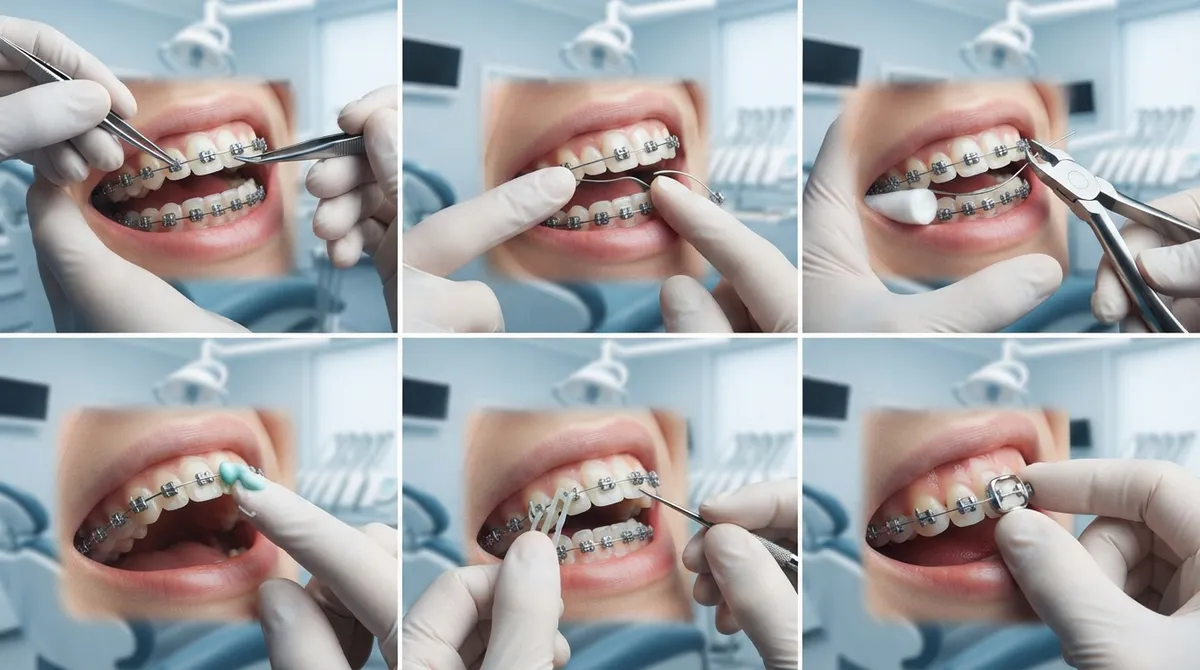
- Wash your hands thoroughly before touching anything in the mouth.
- Use a clean cotton swab, pencil eraser, or clean tweezers to gently push the wire back toward the tooth.
- Cover the sharp spot with orthodontic wax to protect the cheek.
- If the wire keeps poking or cuts the skin, call your orthodontic office for an urgent repair visit.
Never try to cut the wire yourself with household scissors. Small pieces can be swallowed or inhaled, which turns a minor issue into a real problem.
2. A Loose or Broken Bracket
Brackets can loosen from a hard bite, sports contact, or just normal wear. If the bracket is still attached to the wire, you’re in luck—it’s usually not urgent.
Try this:
- Leave the bracket in place if it’s still connected to the archwire.
- Gently slide it toward the center of the tooth if it’s more comfortable there.
- Cover any sharp edges with wax.
- Avoid hard, sticky, or chewy foods until you’re seen.
- Notify your orthodontic office so they can schedule a repair.
Whatever you do, don’t try to fix it with household glue. It’s not safe for your teeth and can make the repair harder for your orthodontist.
3. A Detached Band or Loose Appliance
Bands and other fixed appliances sometimes come loose, especially with certain foods or accidental bumps. If a band feels wobbly or has fully detached, save the piece if you can and bring it with you to your appointment.
Avoid chewing on that side of your mouth until it’s repaired. This helps prevent further shifting or discomfort while you wait for your visit.
4. A Broken or Lost Retainer
Retainers keep your smile in place after treatment, so a broken one deserves quick attention. Teeth can start shifting within days of losing consistent retainer wear.
Here’s your game plan:
- Stop wearing the broken retainer if it has sharp edges or doesn’t fit properly.
- Keep any broken pieces to show your orthodontist.
- Call the office as soon as possible to discuss next steps.
- Ask about a temporary solution while a replacement is made.
Learning about orthodontic retainers and proper care can help you avoid this emergency altogether.
5. A Damaged or Lost Aligner
For patients using clear aligners like Angel Aligners, a cracked or missing tray can feel stressful, especially mid-treatment. The key is not to panic and not to skip wear time.
What you should do:
- Check if your previous aligner still fits reasonably well.
- Wear your last well-fitting aligner temporarily to prevent shifting.
- Contact your orthodontic office to discuss reordering or moving to the next set early.
- Never try to repair a cracked aligner with tape or glue.
If you’re curious about the differences between braces vs. clear aligners, this is a good moment to weigh durability alongside convenience.
6. A Poking Elastic Hook or Broken Component
Small parts like hooks or elastics can sometimes break or shift, causing irritation. Cover any sharp spots with wax and avoid pulling or bending the piece further.
Take a photo if possible and send it to your orthodontic office. Many practices, including ours, can triage problems through phone calls, messages, or photos before deciding if you need a same-day visit.
Orthodontic Emergency vs. Medical Emergency: Quick Comparison
Sometimes it helps to see things laid out clearly. Here’s a simple breakdown to help you decide where to turn.
| Situation | Type | What To Do |
|---|---|---|
| Poking wire or loose bracket | Orthodontic emergency | Use wax, call orthodontist for next available visit |
| Broken or lost retainer | Orthodontic emergency | Call orthodontist promptly to prevent shifting |
| Cracked or lost aligner | Orthodontic emergency | Wear previous tray, contact office |
| Uncontrolled bleeding | Medical emergency | Go to the ER or call 911 immediately |
| Difficulty breathing or swallowing | Medical emergency | Call 911 right away |
| Knocked-out permanent tooth | Medical/dental emergency | Seek emergency dental or medical care now |
What NOT to Do During an Orthodontic Emergency
A few common mistakes can turn a small problem into a bigger one. Keep these in mind:
- Never use household glue on brackets or appliances.
- Don’t repeatedly bend or pull at wires, hooks, or bands.
- Avoid swallowing loose pieces on purpose, even if they seem harmless.
- Don’t ignore pain that lasts more than a day or two.
- Skip cutting wires yourself with sharp tools.
Guidance from the American Board of Orthodontics consistently reminds patients that most appliance issues are best handled with professional guidance rather than DIY fixes.
How Orthodontic Offices Handle Emergency Calls
Wondering what happens when you call? Most practices, including ours, follow a similar process:
- You describe the problem over the phone or send a message online.
- The team may ask for a photo to assess severity.
- Based on pain level, injury risk, and appliance damage, they decide if same-day care is needed.
- If it can wait, you’ll get simple home-care instructions until your next visit.
- If it’s urgent, you’ll be scheduled for a repair appointment quickly.
This system helps our team prioritize patients who truly need immediate attention while still supporting everyone with helpful guidance.
Preventing Orthodontic Emergencies Before They Start
A little prevention goes a long way. Here are simple habits that reduce your risk of an unexpected appliance issue:
- Avoid hard, sticky, or chewy foods like caramel, ice, and popcorn kernels.
- Wear a mouthguard during sports, even for casual games.
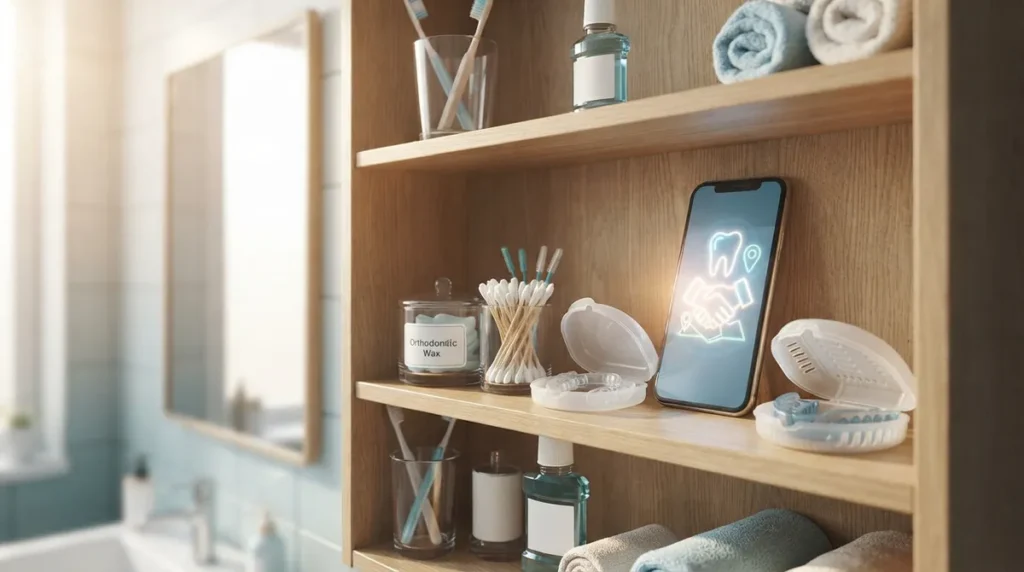
- Keep orthodontic wax on hand at home, in your bag, and at work or school.
- Follow your orthodontist’s instructions on aligner wear time and retainer use.
- Attend all scheduled adjustment visits to catch small issues early.
Choosing durable technology also helps. Our LightForce Orthodontics system uses custom 3D-printed brackets designed to bond seamlessly and reduce irritation, which can lower the chances of loose brackets altogether. For younger patients, WildSmiles Braces combine fun bracket shapes with the same reliable orthodontic engineering.
Why Choosing the Right Orthodontist Matters
Having a trusted orthodontic team makes emergencies much less stressful. Dr. Flor Segovia is a board certified orthodontist who provides bilingual care and uses advanced orthodontic technology to keep treatment on track. Whether your family is dealing with early orthodontic treatment, teen orthodontic treatment, or adult orthodontics, knowing who to call during a scare brings real peace of mind.
Many families in the area appreciate seeing real feedback before choosing a provider. You can visit us on Google — Segovia Orthodontics to read what other Lakewood Ranch patients have experienced. We also share tips, patient stories, and updates on our Facebook page and our Instagram page.
When in Doubt, Reach Out
If you’re ever unsure whether something counts as a true orthodontic emergency, it’s always better to ask than to wait it out. A quick phone call can save you unnecessary worry and prevent small issues from becoming bigger ones.
Our team understands that life happens—kids play sports, aligners get left in restaurant napkins, and wires shift at the worst possible times. That’s exactly why we’re here to help, not judge.
Your Next Step Toward Smile Confidence
Orthodontic emergencies happen, but they don’t have to derail your treatment or your peace of mind. With the right knowledge and a trusted team behind you, most problems can be handled quickly and comfortably.
If you’re dealing with an unexpected issue or simply want to learn more about starting treatment the right way, don’t wait. Request an appointment today, or call us at 941-557-1333 to speak with our friendly Lakewood Ranch team. We’re always happy to help you keep your smile on track, one step at a time.
FAQs
Q: What counts as an orthodontic emergency?
A: It’s any sudden problem with braces, aligners, or retainers that needs attention before your next scheduled visit. Think poking wires, loose brackets, or broken retainers. Most of these are urgent, not life-threatening, so try not to panic!
Q: Is a broken braces wire a dental emergency?
A: Usually not a true emergency, but it does need prompt care if it’s poking or cutting your cheek. Cover it with wax and call your orthodontist to schedule a repair visit soon. You’ll feel relief once that sharp edge is tucked away.
Q: What should I do if my braces wire is poking my cheek?
A: Grab a clean cotton swab or pencil eraser and gently push the wire toward your tooth. Then cover the spot with orthodontic wax for comfort. If it keeps bothering you, give your orthodontic office a call for guidance.
Q: Should I go to the emergency room for orthodontic pain or a broken retainer?
A: In most cases, no—a broken retainer or general soreness can wait for a call to your orthodontist. Save the ER trips for serious situations like uncontrolled bleeding or trouble breathing. Your orthodontic team is your best first call for appliance issues.
Q: How can orthodontic emergencies be prevented?
A: Avoid hard, sticky, and chewy foods, wear a mouthguard during sports, and keep wax handy just in case. Sticking to your adjustment schedule also helps catch small issues before they become bigger ones. A little prevention really does go a long way!
Our Service Area