Key Takeaways
-
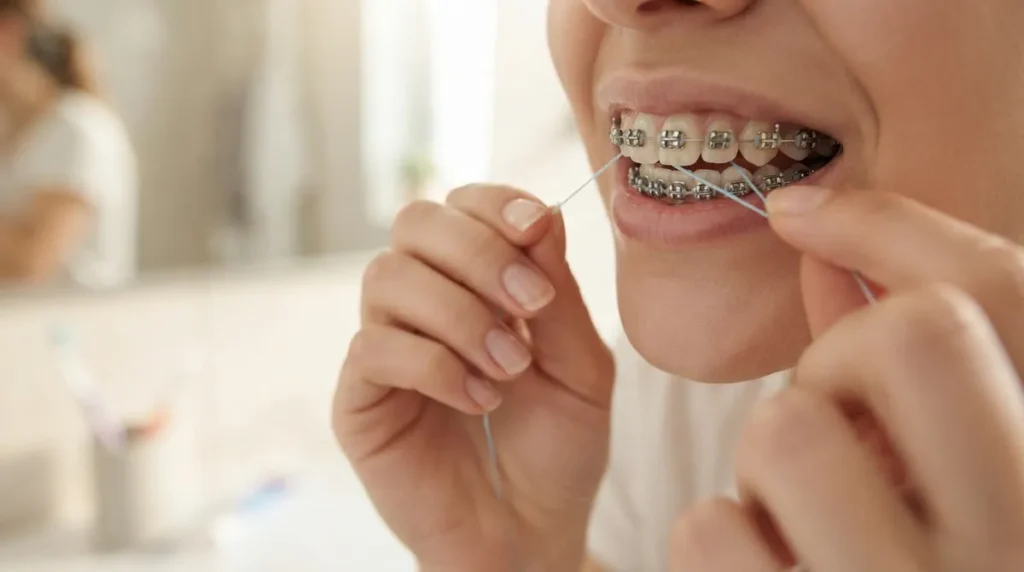
Thread floss underneath the archwire before flossing between teeth—this is the most critical step that prevents regular flossing from working with braces.
-
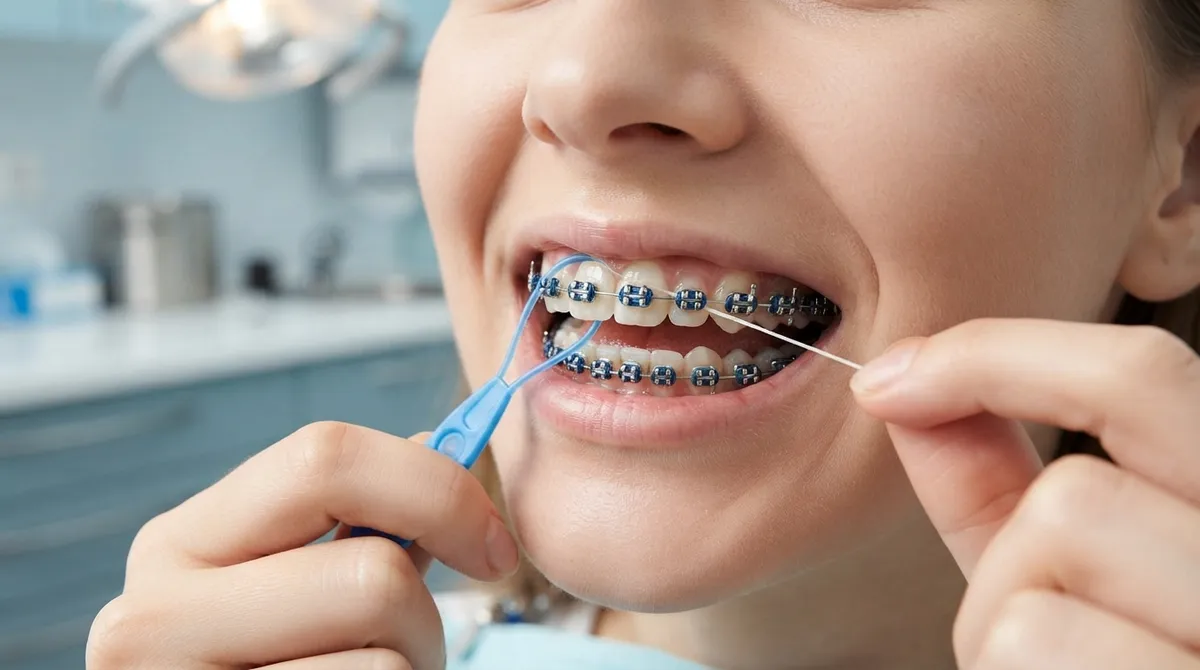
Use waxed floss or pre-threaded orthodontic flossers instead of regular unwaxed floss, as they glide smoothly and won't shred or snag on brackets.
-
Allocate 10-15 minutes for proper flossing with braces and do it before bed, as rushing causes missed spots and increases risk of cavities and white-spot lesions.
-
Apply gentle pressure when flossing to avoid bending wires or dislodging brackets, which are common reasons for emergency orthodontic visits.
-
Continue gentle, consistent flossing even if gums bleed initially—bleeding typically stops within 2 weeks as plaque is removed and gums heal.
-
Combine flossing with a complete oral care routine including brushing after meals, using interproximal brushes, and limiting sugary drinks to keep teeth healthy during treatment.
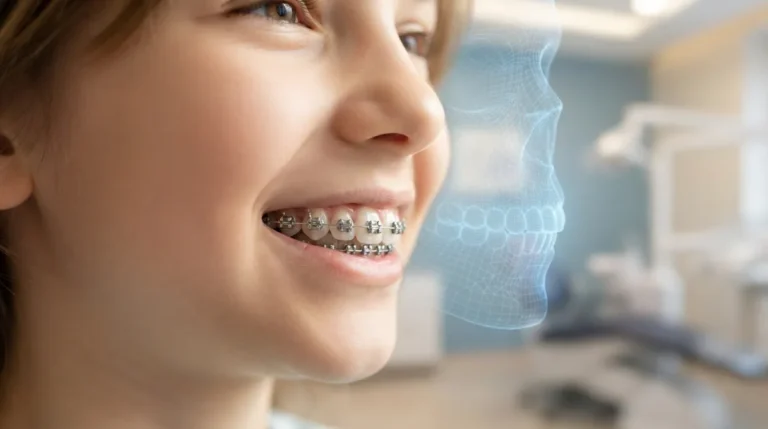
Let’s be honest: flossing with braces can feel like threading a needle while riding a bike. You’ve got wires, brackets, and tiny gaps everywhere, and your regular flossing routine just doesn’t cut it anymore. But here’s the good news—once you learn a few simple tricks, flossing with braces becomes second nature. And trust us, your future smile will thank you for it.
At Segovia Orthodontics in Lakewood Ranch, we see patients every day who are doing their best but making small flossing mistakes that slow down their progress. The truth is, learning how to floss with braces properly isn’t complicated. You just need the right tools and a little patience. This guide walks you through the five biggest mistakes people make, plus exactly how to fix them so your treatment stays on track.
Why Flossing With Braces Matters So Much
When you have braces, food and plaque love to hide under wires and around brackets. Your toothbrush simply can’t reach those spots. The American Association of Orthodontists recommends flossing at least once a day during treatment, and cleaning thoroughly before bed matters most. Skipping this step can lead to bigger problems than just bad breath.
Plaque that sticks around too long can cause gingivitis, cavities, and something called white-spot lesions. These are permanent marks left on your teeth once your braces come off. Nobody wants to finish treatment with a beautiful straight smile that has discoloration spots. That’s why good flossing habits matter just as much as showing up for your appointments.
Mistake 1: Skipping the Threading Step
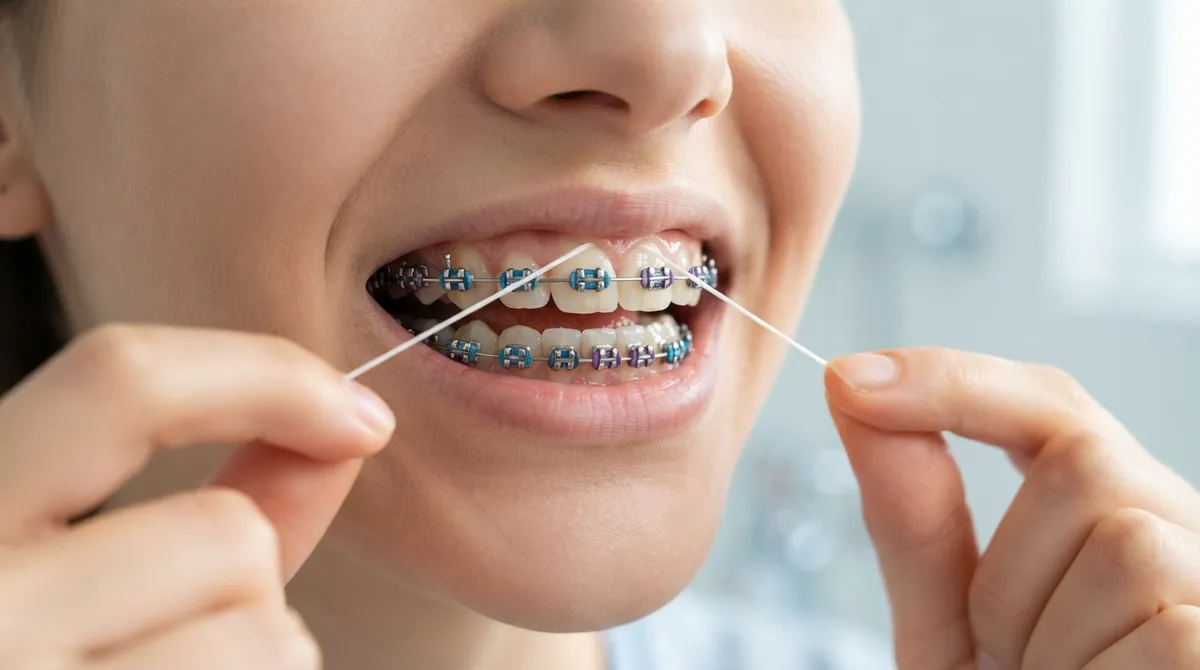
The biggest mistake people make is trying to floss with braces the same way they did before. Regular floss can’t just slide between your teeth anymore because the archwire is in the way. You need to get the floss underneath that wire first.
Here’s how to do it the right way:
- Cut about 18 inches of floss, or use a pre-cut piece designed for braces.
- Thread the floss carefully underneath the archwire, above the point where it touches your teeth.
- Gently guide the floss down between two teeth.
- Curve the floss into a “C” shape against one tooth and slide it up and down.
- Repeat the same motion against the neighboring tooth.
- Pull the floss out carefully and re-thread it under the wire for the next gap.
It sounds like a lot of steps, but after a few nights, your hands will know exactly what to do without much thinking.
Mistake 2: Using the Wrong Type of Floss or Tools
Not all floss works the same way when you’re wearing braces. Regular unwaxed floss tends to shred or get stuck on brackets, which is frustrating and wastes time. Waxed floss glides much more smoothly and is less likely to snag.
You also have some helpful tools to choose from. Here’s a quick comparison to help you decide what fits your lifestyle best.
| Tool | Best For | Pros | Considerations |
|---|---|---|---|
| Waxed Floss | Daily use, tight spaces | Affordable, glides easily | Requires threading under wire |
| Floss Threader | Beginners with braces | Makes threading simple | Extra step each time |
| Orthodontic Flosser (Pre-Threaded) | Busy schedules, travel | Quick, no threading needed | Slightly pricier over time |
| Interproximal Brush | Larger gaps, around brackets | Fast, great for wire cleaning | Doesn’t replace flossing fully |
| Water Flosser | Sensitive gums, convenience lovers | Gentle, flushes food easily | Initial cost is higher |
Many of our patients who wear WildSmiles Braces or LightForce Orthodontics brackets find that a water flosser combined with waxed floss works wonders. It’s all about finding what feels comfortable for you.
Mistake 3: Rushing Through the Process
We get it. Life is busy. But rushing through flossing with braces usually means you miss spots, especially near the back teeth. On average, flossing with braces takes about 10 to 15 minutes when done properly. That’s longer than flossing without braces, but it’s worth every minute.
Try flossing at a time when you’re not in a hurry, like right before bed. Turn on a podcast or your favorite show and use that time to slow down. Your gums and teeth will benefit from the extra care, and you’ll avoid that dreaded feeling of food stuck in your braces all day at work or school.
Mistake 4: Being Too Rough With Wires and Brackets
Braces are sturdy, but they’re not indestructible. Forcing floss through a tight space or yanking on it near a bracket can bend wires or pop off a bracket. This is one of the most common reasons people end up needing an orthodontic emergency visit.
Instead, use gentle pressure. If the floss doesn’t want to slide easily, back it out slowly and try again from a different angle. Never snap the floss down onto your gums. If you do end up with a loose bracket or a poking wire, don’t panic. Just request an appointment so we can take a look and fix things quickly.
Mistake 5: Skipping Flossing When Gums Bleed
Bleeding gums during flossing scares a lot of people into stopping altogether. But this is actually backwards. Bleeding usually means plaque has built up and your gums are inflamed. The solution is gentle, consistent flossing, not avoidance.
Here’s what typically happens over time:
- Days 1-3: Gums may bleed a little as they adjust to daily flossing.
- Days 4-7: Bleeding starts to decrease as plaque is removed.
- Week 2: Gums usually look pinker and healthier.
- Ongoing: Bleeding should stop with consistent care.
If bleeding continues past two weeks, or if you notice swelling and pain, it’s time to check in with your dentist or our team. Persistent symptoms shouldn’t be ignored.
Building a Complete Oral Care Routine With Braces
Flossing is just one piece of the puzzle. A full routine keeps your smile healthy and your treatment on schedule. Here’s what a solid daily routine looks like:
- Brush with fluoride toothpaste after every meal or snack when possible.
- Floss at least once daily, ideally before bed.
- Rinse with water after eating if you can’t brush right away.
- Use an interproximal brush around brackets for extra cleaning.
- Limit sugary and acidic drinks like soda and sports drinks.
- Visit your dentist for cleanings every six months, or as recommended.
A 2019 Cochrane review found that prescription-strength fluoride toothpaste might offer extra protection during orthodontic treatment, though this should always be discussed with your dental provider first. Combining these habits with regular checkups gives your teeth the best chance of staying healthy and cavity-free.
Tips for Parents Helping Kids Floss With Braces
If you’re a parent supervising a child’s orthodontic care, flossing time can turn into a nightly negotiation. Here are some ways to make it easier:
- Use pre-threaded flossers so kids don’t struggle with threading wire.
- Make it a team activity by flossing together as a family.
- Set a timer and turn it into a fun challenge.
- Praise progress, even small improvements count.
- Check in occasionally to make sure technique stays on track.
Kids who wear fun bracket designs, like those found in our WildSmiles Braces collection, often get excited about keeping their brackets visible and clean. It becomes a fun way to track brushing and flossing success right at home.
When Water Flossers Make Sense
Water flossers have become popular for good reason. They use a steady stream of water to flush out food particles and plaque around brackets and wires. Many patients find them easier to use consistently, especially teens and busy adults who want a quicker routine.
That said, a water flosser doesn’t always replace traditional floss completely. It works best as a helpful addition rather than a total substitute. Always follow the pressure and technique guidance given by your orthodontist to avoid irritating your gums.
How Segovia Orthodontics Supports Your Oral Hygiene Journey
Every patient who walks through our doors gets a personalized plan, whether they’re wearing traditional metal braces, clear aligners, or exploring options like clear aligners. Dr. Flor Segovia and our team believe that good oral hygiene habits are just as important as the appliance itself. We take time during every visit to check in on your flossing routine and offer tips tailored to your smile.
We’re proud to serve families throughout the Lakewood Ranch area, and we love seeing patients build confidence in their daily care routines. If you want to see what other patients say about their experience, you can visit us on Google — Segovia Orthodontics or follow along on our Facebook page and our Instagram page for more helpful tips and smile transformations.
For general home maintenance needs beyond your smile, local families in the area also trust businesses like Marks Air for reliable service around the house, the same way we hope you trust us with your orthodontic care.
Signs You Should Reach Out to Your Orthodontist
Most flossing struggles are totally normal and fixable at home. But some signs mean it’s time to get professional help. Watch for these:
- Gums that bleed heavily or don’t improve after two weeks.
- A bracket that feels loose or has fallen off.
- A wire poking out and causing pain.
- Swelling around the gums that doesn’t go down.
- Persistent bad breath despite consistent flossing.
Our team, guided by board-certified expertise recognized by the American Board of Orthodontics, is always ready to help you work through these issues quickly and comfortably.
Final Thoughts on Mastering Flossing With Braces
Learning how to floss with braces doesn’t have to be stressful. Once you avoid these five common mistakes, threading floss under wires, rushing the process, using the wrong tools, being too rough, and ignoring bleeding gums, you’ll be well on your way to a healthier, brighter smile by the time your braces come off.
Remember, every small effort you put in now pays off later. Consistent flossing protects your investment in your smile and helps your treatment stay on schedule. If you have questions about your flossing routine or want personalized guidance, our friendly team is here to help. Feel free to contact us anytime, or give us a call at 941-557-1333 to speak with someone directly. We’re excited to support you every step of the way toward your best smile yet.
FAQs
Q: How often should you floss with braces?
A: You’ll want to floss at least once a day, and nighttime is the best time to do it. This clears away all the food and plaque that built up throughout the day, so your teeth start fresh each morning.
Q: What is the easiest way to floss under braces wires?
A: A floss threader or pre-threaded orthodontic flosser makes this so much easier. Just guide the floss under the wire, slide it between your teeth, and you’re good to go without the fuss of threading regular floss by hand.
Q: Can I use regular dental floss with braces?
A: You can, but waxed floss works much better since it glides smoothly and won’t shred on your brackets. Regular unwaxed floss tends to get stuck, which can be pretty frustrating during your nightly routine.
Q: Are water flossers safe and effective for braces?
A: Yes, water flossers are a great addition to your routine and many patients love how gentle and quick they are. Just remember they work best alongside regular flossing, not as a complete replacement.
Q: Why do my gums bleed when I floss with braces?
A: Bleeding usually happens because plaque has built up and your gums are a little inflamed, which is totally normal at first. Keep flossing gently and consistently, and you should notice the bleeding improve within a couple weeks.
Our Service Area