Key Takeaways
-
Most teens start orthodontic treatment around age 12-13 once permanent teeth are in, but early evaluation by age 7 is recommended to catch problems before they worsen, even if treatment starts later.
-
Modern treatment options like LightForce braces can cut treatment time by up to 45% with precise 3D-printed brackets, while WildSmiles braces improve compliance since teens who like their braces brush better and follow instructions more closely.
-
Consistent maintenance is critical—brushing after meals, daily flossing, avoiding sticky foods, and attending all appointments can prevent treatment delays and complications like cavities or white spots on teeth.
-
After braces come off, nightly retainer wear for years is essential to lock in results, as teeth naturally shift back without this ongoing support to maintain the corrected smile.
Watching your teen grow up is amazing, but let’s be honest—those middle school and high school years bring a lot of change. One thing many parents notice around age 12 or 13 is that their teen’s smile might need a little help. Maybe there’s crowding, a gap, or a bite that just doesn’t line up right. That’s where finding the right orthodontist for teens becomes one of the best decisions you can make for your child’s confidence and health.
At Segovia Orthodontics in Lakewood Ranch, we see teens every week who walk in feeling unsure and walk out excited about their treatment plan. Dr. Flor Segovia and her team know that teens have busy lives full of school, sports, and social events. That’s why we focus on options that fit real life, not the other way around. Whether your family is exploring WildSmiles Braces or modern LightForce Orthodontics, we’re here to make the process smooth for the whole family.
When Should a Teen See an Orthodontist?
According to the NHS, most teens start orthodontic treatment around age 12 or 13, once most of their permanent teeth have come in (NHS, 2022). But every mouth grows differently. Some teens are ready earlier, and some need more time. The American Association of Orthodontists actually recommends kids get their first orthodontic checkup by age 7, even if treatment doesn’t start right away. This early look helps catch problems before they get bigger.
If your teen hasn’t been checked before, don’t worry. It’s never too late to get an evaluation. Many teens who never saw an orthodontist as kids do just fine starting treatment at 13, 14, or even 16.
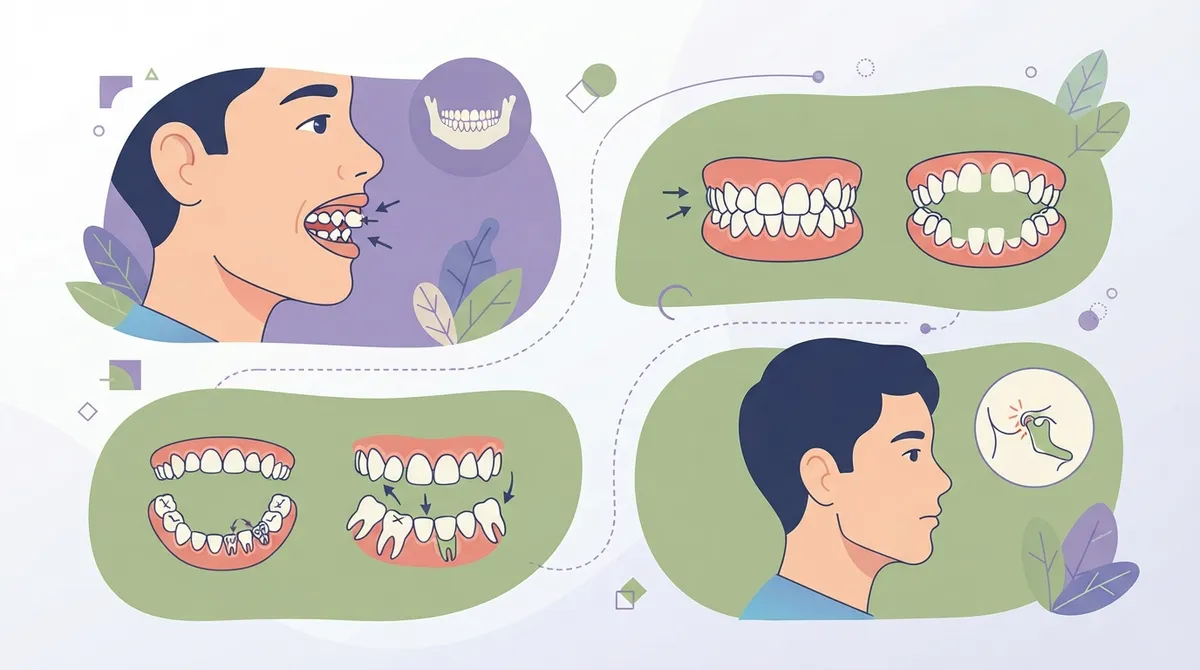
Signs Your Teen Might Need Braces
- Crowded or overlapping teeth that make brushing hard
- Noticeable gaps between teeth
- An overbite, underbite, or crossbite
- Teeth that stick out or don’t meet properly when biting down
- Jaw clicking, popping, or discomfort while chewing
- Trouble speaking clearly or biting into food
If you notice any of these, it’s worth booking a visit. You can learn more about common concerns on our Common Orthodontic Problems page.
Treatment Options for Teens Today
Gone are the days when braces meant one boring metal look. Today’s teens have real choices, and each one comes with its own perks.
1. Traditional Metal Braces
Metal braces are still a strong, reliable choice for many teens, especially those with more complex bite issues. They’re durable and work well for almost any case. Check out our Types Of Braces guide to see how they compare to other options.
2. WildSmiles Braces
This is where things get fun. WildSmiles lets teens choose bracket shapes like stars, hearts, footballs, and even Mickey Mouse designs. Kids and teens who actually like their braces tend to brush better and follow instructions more closely. That means better results and fewer headaches for parents.
3. LightForce Braces
LightForce is a fully digital, 3D-printed bracket system custom-built for each tooth. Dr. Segovia can plan treatment down to the smallest detail, often cutting treatment time by up to 45%. The brackets are also more subtle looking, which many image-conscious teens appreciate.
4. Clear Aligners
For older teens who want something less noticeable, clear aligners like Angel Aligners offer a discreet path to a straighter smile. They’re removable, which makes eating and brushing easier, but they require real responsibility since teens must wear them as directed.
| Treatment Option | Best For | Visibility | Typical Care Needed |
|---|---|---|---|
| Metal Braces | Complex bite issues, all ages | Visible | Regular adjustments, careful brushing |
| WildSmiles Braces | Younger teens who want fun designs | Visible, customizable | Same as traditional braces |
| LightForce Braces | Teens wanting faster, precise results | Subtle, clear/white options | Standard bracket care |
| Angel Aligners | Responsible older teens | Nearly invisible | Consistent daily wear required |
What Happens During a Teen Orthodontic Evaluation
A first visit isn’t scary—it’s actually pretty simple. Here’s what usually happens:
- A friendly chat about your teen’s dental history and any concerns
- A clinical exam of the teeth, jaw, and bite
- Digital scans, photos, or X-rays to see what’s happening beneath the surface
- A review of facial growth and how the jaw is developing
- A discussion of treatment options, timeline, and cost
You can read more about this process on our First Orthodontic Visit page. We also recommend checking out What Happens During an Orthodontic Evaluation? for more detail.
Keeping Teeth Healthy During Treatment
Braces and aligners work best when paired with good habits. Here’s what we always tell our teen patients:
- Brush after every meal, especially around brackets and wires
- Floss daily, even though it takes a bit more effort with braces
- Avoid sticky candy, hard nuts, and popcorn that can damage brackets
- Limit sugary drinks that increase the risk of cavities
- Keep up with regular dental cleanings alongside orthodontic visits
Skipping these steps can lead to plaque buildup, white spots on teeth, or even cavities. Our 13 Foods to Avoid With Braces article breaks this down in more detail.
How Long Does Teen Treatment Usually Take?
Every case is different, but many teens complete treatment somewhere between 12 and 24 months. Factors that affect timing include:
- How crowded or misaligned the teeth are
- Whether jaw growth needs to be guided
- How consistently the teen follows instructions
- The type of appliance chosen
- Attendance at regular adjustment appointments
Skipping appointments or not wearing rubber bands or aligners as instructed can stretch treatment out much longer than expected.
Comparing Costs and Payment Options
We know cost is a big factor for families. Pricing depends on the treatment type, how complex the case is, and how long treatment takes. Many insurance plans offer partial coverage for orthodontic care, and we also offer flexible financing to help spread out payments. Our Orthodontic Financing page walks through the options available.
In the UK, NHS coverage for under-18s is generally limited to cases with real clinical need, measured by the Index of Orthodontic Treatment Need (IOTN). This means treatment that’s mostly cosmetic usually isn’t covered under NHS guidelines (NHS, 2022). In the U.S., coverage varies by provider, so it’s smart to ask your orthodontist about your specific plan.
Choosing the Right Orthodontist for Your Teen
Not all orthodontic offices are the same, and picking the right fit matters. Here’s what to look for:
- Board certification and specialized training, like that held by Dr. Flor Segovia
- Experience working specifically with teen patients
- Use of modern, Advanced Orthodontic Technology
- Flexible scheduling around school and activities
- Clear communication about costs, timelines, and expectations
- Support for emergencies, since broken wires and loose brackets happen
You can also check reviews and see real patient experiences by visiting our Segovia Orthodontics location on Google, or by checking out our Facebook page and our Instagram page for smile transformations from local families.
Life After Braces: The Retainer Phase
Here’s something a lot of teens don’t expect: treatment doesn’t end when braces come off. Teeth naturally want to shift back, so wearing a retainer is key to keeping that new smile in place. Most orthodontists recommend wearing retainers nightly for a long stretch of time, sometimes years, to lock in results. Our Orthodontic Retainers page explains the different types and care tips.
Why Early Action Matters
Waiting too long to address bite or alignment issues can sometimes make treatment longer or more complicated later. Catching problems during the teen years, while the jaw is still growing, often leads to smoother, faster results. If you’re unsure whether now is the right time, our team is happy to walk you through it during a consultation.
Ready to Take the Next Step?
Your teen’s smile is worth investing in, and you don’t have to figure this out alone. Dr. Flor Segovia and our Lakewood Ranch team are ready to answer your questions, explain your options in plain language, and help your teen feel confident about the process. If you’re ready to move forward, you can request an appointment today, or feel free to contact us with any questions. You can also call us at 941-557-1333 to speak with our friendly staff directly. For added peace of mind, credentials matter—learn more from the American Board of Orthodontics about what board certification really means for your teen’s care. And when you’re ready, visit us on Google — Segovia Orthodontics to see what other Lakewood Ranch families have to say about their experience with us.
FAQs
Q: What age should a teenager see an orthodontist?
A: Most teens begin treatment around age 12 or 13, once most of their permanent teeth have come in. That said, every smile is different, so we recommend an evaluation any time you notice crowding, bite issues, or spacing concerns, even if your teen is a bit older.
Q: How do I know if my teen actually needs braces?
A: Look for crowded teeth, visible gaps, an overbite or underbite, or trouble biting and chewing comfortably. If something feels off, a quick evaluation with an orthodontist will give you clear answers and peace of mind.
Q: Are braces or clear aligners better for teens?
A: It really depends on your teen’s needs and responsibility level. Braces work great for more complex cases, while clear aligners like Angel Aligners suit teens who can commit to wearing them consistently for a more discreet option.
Q: How long do braces usually take for teenagers?
A: Most teens finish treatment somewhere between 12 and 24 months, though this varies based on how complex the case is. Sticking to appointments and following instructions helps keep things on schedule.
Q: What happens if my teen loses or breaks their retainer?
A: Don’t panic! Give our office a call as soon as possible, since teeth can start shifting back quickly without a retainer. We’ll help you get a replacement made so your teen’s results stay protected.
Our Service Area