Key Takeaways
-
Fixed braces require visits every 6-8 weeks for wire adjustments and progress checks, with the NHS recommending appointments within a 4-10 week window during active treatment to prevent setbacks.
-
Clear aligner patients typically need fewer in-person visits than braces patients because they receive multiple trays at once and can change them at home, though frequency depends on the aligner system and remote monitoring options.
-
Children and teens often need more frequent checkups than adults due to ongoing jaw growth, complex bite corrections, and appliance issues, requiring personalized schedules that fit family life.
-
Retention checkups are critical after treatment ends: schedule your first check within 3 months, then 2-4 follow-ups during year one, followed by annual reviews to prevent tooth relapse.
-
Certain orthodontic issues require immediate attention outside scheduled visits, including severe pain, facial swelling, loose brackets, poking wires, or aligners that suddenly don't fit properly.
-
Regular dental checkups with your general dentist remain essential alongside orthodontist visits, especially during braces or aligner treatment when plaque buildup around appliances increases cavity and gum disease risk.
Ever wonder why your orthodontist wants to see you every few weeks, but your friend with clear aligners only goes in once a month? You’re not imagining things. Orthodontist checkup frequency isn’t one-size-fits-all, and honestly, that’s a good thing. Whether you’re a busy mom juggling school pickups and appointments, a professional squeezing in visits between meetings, or an adult finally fixing that smile you let slip after your teens, understanding how often you need to check in can save you time, stress, and even money.
At Segovia Orthodontics in Lakewood Ranch, we know life gets busy. That’s why Dr. Flor Segovia and her team design checkup schedules around what your smile actually needs, not some generic calendar rule. Let’s break down exactly how often you should expect to see your orthodontist, depending on your treatment, your age, and your unique situation.
1. Fixed Braces Usually Mean Visits Every 6 to 8 Weeks
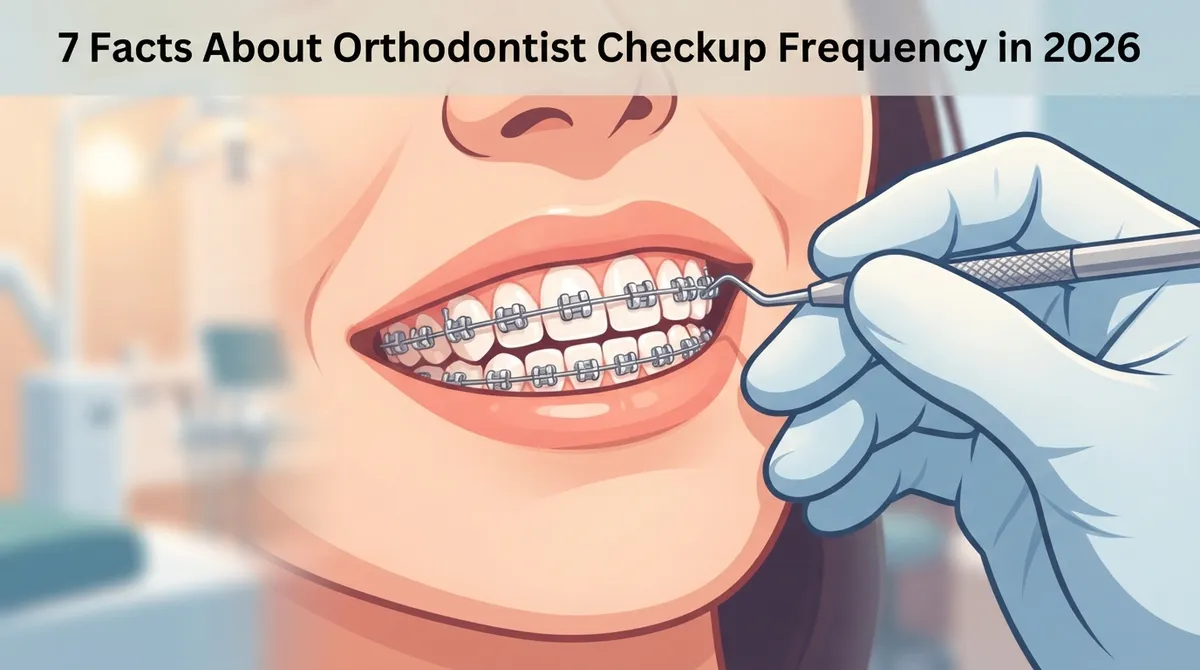
If you or your child has traditional metal braces or ceramic braces, you’ll likely become pretty familiar with our waiting room. Routine checkups for fixed braces commonly happen every 4 to 10 weeks, with many practices settling into a rhythm of every 6 to 8 weeks. This lines up with guidance from the NHS, which notes that orthodontic visits are generally needed within that 4 to 10 week window during active treatment.
During these visits, your orthodontist tightens wires, swaps out elastics, checks your progress, and fixes any small issues before they become big problems. Think of it like a tune-up for your car. Skipping it doesn’t just delay progress, it can actually cause setbacks. Curious about what actually happens during one of these appointments? Check out our guide on what to expect and how to prepare for your orthodontics appointment.
With LightForce Orthodontics, some patients even see faster results thanks to precision-crafted brackets and digital treatment planning. Faster progress can sometimes mean fewer overall adjustments needed over the course of treatment.

2. Clear Aligner Patients Often Go Longer Between Visits
Good news for young professionals and busy parents alike: clear aligner treatment typically requires fewer in-person checkups than traditional braces. Why? Because patients usually receive several sets of aligners at once, allowing them to switch trays at home without needing a chairside adjustment every time.
The exact schedule depends on a few things:
- The specific aligner system your orthodontist uses
- Whether remote monitoring tools are part of your plan
- How consistently you’re wearing your aligners as instructed
- The complexity of your bite and tooth movement
Our Clear Aligners options, including Angel Aligners, use a smart 7+3 wear schedule that can speed up tooth movement and reduce how often you need to swing by the office. According to the American Association of Orthodontists, technology advances now allow some aligner patients to change trays roughly every 1 to 2 weeks at home, all while checking in with their orthodontist less frequently than braces patients typically do.
Why Fewer Visits Doesn’t Mean Less Care
Just because you’re not in the chair every month doesn’t mean you’re on your own. Your orthodontist is still tracking your progress closely, just through a combination of scheduled visits and, in some cases, photo check-ins or digital scans between appointments.
3. Kids and Teens Often Need Closer Monitoring
If you’re a mom managing your child’s growing smile, you might notice their checkup schedule looks a little different than an adult’s. Younger patients dealing with complex tooth movement, jaw growth, or bite development issues sometimes need more frequent visits.
Here’s what can bump up the checkup frequency for kids and teens:
- Ongoing jaw growth that needs monitoring
- Complex bite corrections, like crossbites or underbites
- Broken brackets or loose wires from sports or snacking mishaps
- Inconsistent oral hygiene that needs extra attention
- Missed appointments that throw off the treatment timeline
Our approach to Early Orthodontic Treatment and Teen Orthodontic Treatment takes these factors into account, building a schedule that actually fits your family’s life. And if your child loves a little extra fun with their braces, our WildSmiles Braces offer playful bracket shapes that make brushing (and showing off that smile) way more enjoyable.
4. Adults Often Enjoy More Flexible Scheduling
If you’re revisiting orthodontics as an adult, maybe correcting relapse from braces you had as a teen, you’ll likely appreciate that adult treatment often comes with a bit more scheduling flexibility. Many adults choose clear aligners specifically because they fit better around demanding careers and family responsibilities.
That said, adult treatment isn’t automatically less involved. Complex cases might still need closer monitoring. Our Adult Orthodontics programs are built around real adult schedules, because we know you didn’t clear your calendar just for us.
| Treatment Type | Typical Checkup Frequency | Best For |
|---|---|---|
| Traditional Metal Braces | Every 6-8 weeks | Complex bite issues, kids and teens |
| Clear Braces (Ceramic) | Every 6-8 weeks | Teens and adults wanting subtlety |
| Clear Aligners (Angel Aligners) | Every 6-10 weeks or longer | Busy adults and professionals |
| Retention Phase | 3 months, then annually | All patients post-treatment |
5. Retention Checkups Matter More Than You Think
Finished with active treatment? Congratulations! But don’t pack away those retainer instructions just yet. Retention checkups are a big deal, and skipping them is one of the most common reasons smiles shift back out of place.
A widely followed clinical guideline recommends the following retention schedule:
- First retention check within about 3 months after your retainer is placed
- Two to four follow-up checkups during the first 1 to 2 years
- Annual retention reviews after that, for as long as you wear your retainer
This is especially important for our adult patients correcting relapse. If you’ve been down this road before, you already know how frustrating it is to watch your teeth drift after all that hard work. Our Orthodontic Retainers page walks you through your options and how to protect your results long term.
6. Your Dentist Still Plays a Big Role Too
Here’s something people forget: orthodontic checkups don’t replace your regular dental cleanings. While your orthodontist focuses on tooth movement and appliance adjustments, your general dentist keeps an eye on cavities, gum health, and overall hygiene.
If you’re wearing braces or aligners, you might actually need more frequent cleanings, not less, especially if plaque starts building up around brackets or under aligner trays. Keep both appointments on your calendar. Your smile will thank you for it.
7. Some Situations Need Immediate Attention, Not a Scheduled Visit
Not every orthodontic issue can wait for your next scheduled checkup. Certain problems need a call to the office right away. Here’s when you should reach out immediately instead of waiting:
- Severe pain that doesn’t improve with over-the-counter relief
- Facial swelling or signs of infection
- Trauma to the mouth, teeth, or jaw
- A loose or completely displaced bracket or appliance
- A wire poking your cheek that won’t stay tucked away
- An aligner tray that suddenly doesn’t fit right
Don’t tough it out until your next appointment. Our Orthodontic Emergency page has more details on what counts as urgent and what can wait, plus tips for handling minor issues at home in the meantime.
What Happens During a Typical Checkup?
Curious what you’re actually walking into at these appointments? Here’s a simple breakdown of what most routine visits include:
- A quick check of your teeth, gums, and appliance condition
- Wire adjustments or aligner tray progress review
- Elastic band changes, if needed
- Photos or scans to track movement over time
- A conversation about how things are feeling at home
- Scheduling your next visit based on your progress
Every appointment builds on the last one, which is part of why sticking to your schedule really matters. Missing appointments repeatedly can stretch out your treatment timeline and, in some cases, increase the risk of appliance problems going unnoticed.
Why a Personalized Schedule Beats a One-Size-Fits-All Approach
We get it, checking a calendar for a universal answer sounds easier. But orthodontic treatment just doesn’t work that way. Your appointment frequency depends on your appliance, your age, your treatment complexity, and honestly, how well things are progressing.
That’s why Dr. Segovia takes time during your First Orthodontic Visit to build a plan tailored specifically to you. Using Advanced Orthodontic Technology, our team can often predict your treatment timeline more accurately, meaning fewer surprises and a schedule that actually makes sense for your life.
As a Board Certified Orthodontist, Dr. Segovia holds credentials recognized by the American Board of Orthodontics, which means her treatment planning follows rigorous, evidence-based standards. That’s the kind of expertise you want guiding your smile journey, whether you’re managing your child’s early treatment or finally correcting your own smile as an adult.
Making Checkups Work With Your Busy Life
We know appointments can feel like just one more thing on your to-do list. Here’s how we make it easier for our Lakewood Ranch families and professionals:
- Flexible scheduling options to fit around work and school
- Clear communication about why each appointment matters
- Efficient visits that respect your time
- Options like clear aligners that reduce total office visits
- Bilingual support in English and Spanish for our whole community
Want to see what our patients are saying? Visit us on Google — Segovia Orthodontics to read real reviews from families just like yours. You can also check out our Facebook page or follow along on our Instagram page for smile transformations and helpful tips.
Ready to Build a Schedule That Works for You?
Orthodontist checkup frequency doesn’t have to be a mystery, and it definitely doesn’t have to disrupt your life. Whether you need frequent adjustments for traditional braces or a more relaxed schedule with clear aligners, the right plan is one that fits your unique smile and your unique schedule. Learn more about our approach on our Why Choose Us page, or explore Types of Braces to find your best fit.
Ready to get started or have questions about your current treatment schedule? Request an appointment with our friendly Lakewood Ranch team today, or feel free to call us at 941-557-1333 to chat about what your smile needs. We’re here to make your orthodontic journey as smooth and simple as possible, one checkup at a time.
FAQs
Q: How often should you see an orthodontist with braces?
A: Most patients with traditional braces visit their orthodontist every 6 to 8 weeks for wire adjustments and progress checks. Some cases may need visits as often as every 4 weeks or as spaced out as every 10 weeks, depending on your specific treatment plan.
Q: How often do clear aligner patients need orthodontist checkups?
A: Clear aligner patients often see their orthodontist less frequently than braces patients since multiple trays are usually provided at once. Your exact schedule depends on the aligner system used, your compliance, and whether remote monitoring is part of your care.
Q: Do children need orthodontist checkups more often than adults?
A: Sometimes, yes. Kids and teens with complex bite issues, ongoing jaw growth, or appliance problems may need closer monitoring than adults with straightforward cases. Every treatment plan is personalized, so frequency really depends on individual needs.
Q: How often should retainers be checked after braces?
A: A common guideline recommends your first retention check about 3 months after getting your retainer, followed by 2 to 4 checkups during the first year or two. After that, annual checkups help make sure your smile stays exactly where it should.
Q: What should I do if my braces break or my aligner doesn’t fit?
A: Don’t wait for your next scheduled appointment. Contact your orthodontist’s office right away, especially if you’re dealing with a loose bracket, poking wire, or an aligner that suddenly feels wrong. Quick action helps keep your treatment on track and prevents bigger issues down the road.
Our Service Area