Key Takeaways
-
Professional teeth cleaning every 3-4 months is essential during braces treatment, compared to the standard 6 months, because brackets create hiding spots for plaque that lead to cavities and permanent white spots (decalcification).
-
Use specialized tools like orthodontic toothbrushes, water flossers, and floss threaders instead of standard brushes and floss to effectively clean around brackets, wires, and hard-to-reach areas during treatment.
-
Remove clear aligners before eating or drinking anything except water, then brush and floss before reinserting them, while also cleaning aligners daily with mild soap to prevent bacterial transfer back to teeth.
-
Brush thoroughly twice daily for at least 2 minutes, floss once daily, and rinse after meals—skipping these habits during orthodontic treatment risks gum disease, cavities, and treatment delays.
-
Watch for warning signs like red swollen gums, persistent bad breath, white spots around brackets, or visible plaque buildup, and contact your orthodontist immediately if these appear to prevent treatment complications.
-
Good teeth cleaning habits formed during orthodontic treatment establish lifelong dental care practices and ensure teeth move more efficiently, resulting in better long-term smile outcomes after braces or aligners are removed.
Have you ever wondered why your orthodontist keeps talking about teeth cleaning? You are not alone! Many patients focus so much on straightening their teeth that they forget about keeping them clean along the way. But here is the truth: teeth cleaning services are one of the most important parts of a successful orthodontic journey. Whether you are wearing braces or clear aligners, keeping your teeth and gums healthy is just as important as moving them into the right position. A beautiful smile means nothing if the teeth underneath are not healthy and strong. In this article, we will walk you through everything you need to know about teeth cleaning during orthodontic treatment. We will cover why it matters, how to do it right, and what happens if you skip it. Let’s dive in and make sure your smile shines from the inside out!
What Are Teeth Cleaning Services in Orthodontics?
Teeth cleaning services refer to the professional and at-home practices that keep your teeth free from plaque, tartar, and harmful bacteria. During orthodontic treatment, these services become even more important. Braces and aligners can trap food particles and plaque in hard-to-reach places. That is why regular cleaning is a must for every orthodontic patient.
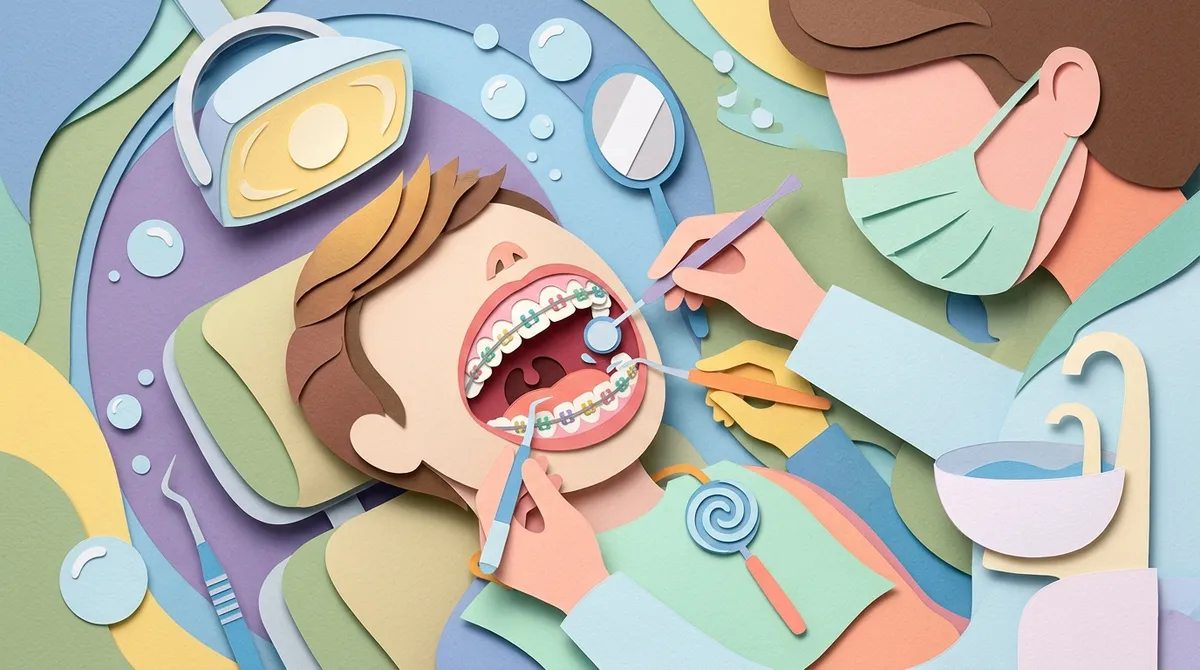
Professional teeth cleaning is usually done by a dental hygienist or dentist. They remove hardened plaque (tartar) that brushing alone cannot remove. They also polish your teeth and check for early signs of cavities or gum disease. If you are in the middle of braces treatment, your dental team will use special tools to clean around brackets and wires safely.
Why Teeth Cleaning Is Extra Important with Braces
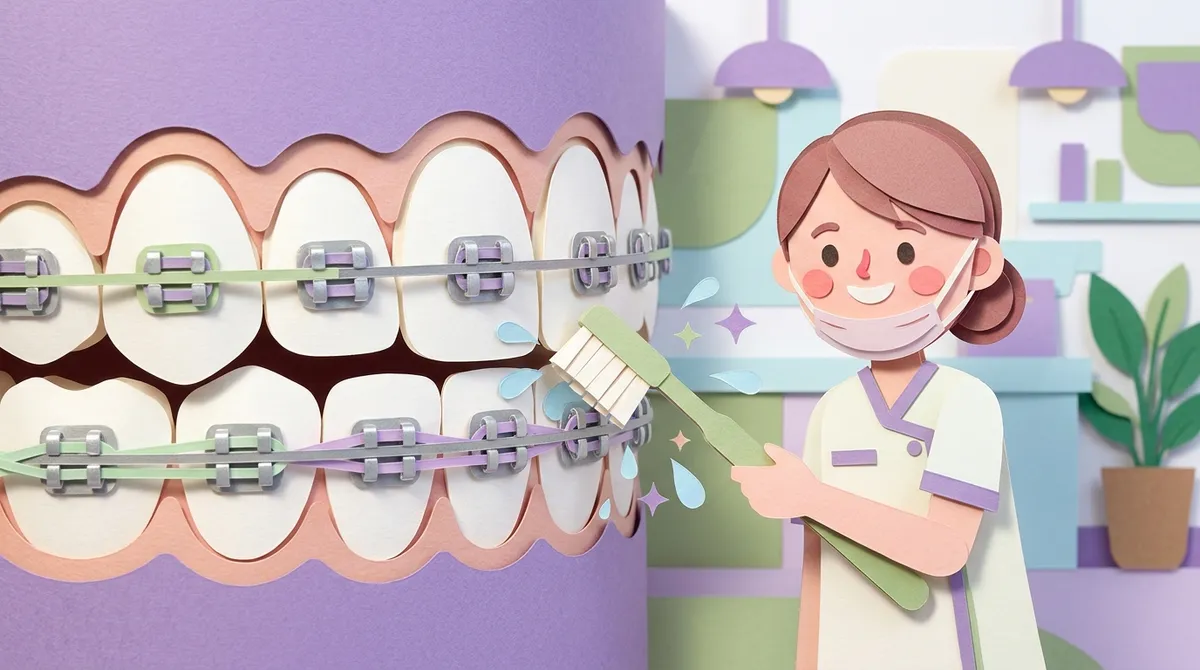
Braces create tiny spaces where food and bacteria love to hide. When you eat, food gets stuck around the brackets and under the wires. If you do not clean these areas well, plaque builds up fast. Over time, plaque can cause cavities, gum disease, and white spots on your teeth. These are called decalcification marks, and sadly, they can be permanent.
Here are some key reasons why teeth cleaning services matter even more when you have braces:
- Brackets and wires create extra surfaces for plaque to stick to
- Food particles get trapped more easily around orthodontic hardware
- Gum inflammation is more common during braces treatment
- Decalcification can happen quickly if teeth are not cleaned properly
- Bad breath is more likely when plaque is not removed regularly
- Gum disease can slow down or complicate your orthodontic treatment
Learning how to care for your braces from day one will protect both your smile and your oral health throughout treatment.
How Often Should You Get Professional Teeth Cleaning?
Most dental professionals recommend a professional teeth cleaning every six months. However, if you are currently wearing braces, your dentist or orthodontist may suggest more frequent visits. Some patients with braces benefit from cleanings every three to four months. This is especially true if you tend to build up tartar quickly or if you have had gum problems in the past.
Here is a simple schedule to follow during orthodontic treatment:
- Every 3-4 months: Professional teeth cleaning with your dentist or hygienist
- Every 6-8 weeks: Orthodontic check-in appointments to adjust braces or check aligner progress
- Twice daily: Thorough brushing for at least two minutes, morning and night
- Once daily: Flossing using a floss threader, orthodontic flosser, or water flosser
- After every meal: Rinse with water or use an antibacterial mouthwash when possible
Sticking to this routine will keep your teeth and gums in top shape throughout your entire treatment. Visit your first orthodontic visit page to learn what to expect from your care plan.
Teeth Cleaning Tips for Clear Aligner Patients
Clear aligner patients have a bit of an advantage when it comes to teeth cleaning services. Since aligners are removable, you can take them out to brush and floss normally. This makes it much easier to keep your teeth clean compared to fixed braces. However, there are still some important hygiene habits to follow.
Here are the top teeth cleaning tips for clear aligner wearers:
- Always remove your aligners before eating or drinking anything other than water
- Brush and floss your teeth before putting aligners back in
- Clean your aligners daily with a soft toothbrush and mild soap
- Avoid hot water when cleaning aligners — it can warp the plastic
- Store aligners in their case when not in use to prevent contamination
Keeping your aligners clean is just as important as keeping your teeth clean. Dirty aligners can transfer bacteria back onto your teeth and cause cavities. Learn more about the clear aligner mistakes to avoid so your treatment goes smoothly from start to finish.
Comparing Cleaning Challenges: Braces vs. Clear Aligners
| Cleaning Factor | Traditional Braces | Clear Aligners |
|---|---|---|
| Brushing ease | More difficult — need to brush around brackets and wires | Easy — remove aligners and brush normally |
| Flossing ease | Requires floss threaders or water flossers | Standard flossing works fine |
| Food restrictions | Yes — avoid sticky, hard, and chewy foods | None — remove aligners before eating |
| Professional cleaning frequency | Every 3-4 months recommended | Every 6 months is usually sufficient |
| Risk of plaque buildup | Higher — brackets create more hiding spots | Lower — teeth are fully exposed when cleaning |
| Aligner/appliance cleaning needed | No separate cleaning needed | Yes — clean aligners daily |
Knowing your treatment type helps you build the right cleaning routine. If you are unsure which option fits your lifestyle, check out our guide on braces vs. clear aligners to make a confident choice.
The Best Tools for Teeth Cleaning During Orthodontic Treatment
Having the right tools makes all the difference when it comes to teeth cleaning services at home. Standard toothbrushes and regular floss may not cut it when you are in braces. Here are the best tools recommended for orthodontic patients:
- Orthodontic toothbrush: Has a V-shaped bristle design to clean around brackets more effectively
- Electric toothbrush: Provides more brushing action per stroke and is great for removing plaque around braces
- Floss threader: Helps guide regular floss under orthodontic wires for a thorough clean
- Water flosser: Uses a stream of water to flush out food and plaque from around brackets and between teeth
- Interdental brushes: Small, cone-shaped brushes that fit between brackets and wires
- Fluoride mouthwash: Strengthens enamel and helps prevent cavities, especially around bracket edges
Investing in the right tools is a small price to pay compared to dealing with cavities or gum issues after treatment. You can ask your orthodontist for product recommendations at your next visit.
Signs Your Teeth Need More Attention During Treatment
Sometimes, even with good intentions, your teeth cleaning routine may not be enough. Here are some warning signs that your oral hygiene needs improvement during orthodontic treatment:
- Red, swollen, or bleeding gums when you brush or floss
- Persistent bad breath that does not go away with brushing
- White or chalky spots forming around your brackets
- Sensitivity in your teeth or gums
- Visible plaque or yellow buildup around brackets or along the gumline
If you notice any of these signs, do not wait. Talk to your orthodontist right away. In some cases, treatment may need to be paused until your oral health improves. The team at Segovia Orthodontics is always happy to guide you through better oral care practices to keep your treatment on track.
How Teeth Cleaning Supports Your Long-Term Smile Goals
Think of teeth cleaning services as the foundation of your smile makeover. Orthodontic treatment can perfectly align your teeth, but without clean and healthy teeth, the results may be overshadowed by damage. Clean teeth also move more efficiently during treatment because healthy gum tissue responds better to orthodontic pressure.
After your braces or aligners come off, you will need to wear orthodontic retainers to keep your teeth in place. Retainers also need regular cleaning to prevent bacteria buildup. Good cleaning habits formed during treatment will serve you for life.
Whether you are exploring adult orthodontics, teen orthodontic treatment, or early orthodontic treatment for your child, keeping up with teeth cleaning services will help everyone get the best possible outcome.
What to Expect at a Professional Teeth Cleaning Appointment
If it has been a while since your last professional cleaning, here is what you can expect during the appointment:
- Examination: The hygienist checks your gums and teeth for any signs of problems before cleaning begins
- Scaling: Special tools are used to scrape away tartar and hardened plaque from above and below the gumline
- Polishing: A gritty paste is used to polish teeth surfaces and remove surface stains
- Flossing: The hygienist flosses between every tooth to remove any leftover debris
- Fluoride treatment: A fluoride rinse or gel is applied to strengthen tooth enamel
- Review and recommendations: The hygienist will share tips specific to your orthodontic situation
The whole appointment usually takes 45 to 60 minutes. It is painless for most people, though you may feel some sensitivity if your gums are inflamed. Regular cleanings actually make each subsequent appointment easier and less uncomfortable.
You can also explore advanced orthodontic technology used at our practice to see how we make every aspect of your care more comfortable and effective. We invite you to visit us on Google — Segovia Orthodontics to read reviews from real patients who have experienced our caring approach firsthand.
Your Smile Deserves the Best Care
Teeth cleaning services are not just a nice bonus during orthodontic treatment — they are absolutely essential. From preventing cavities and white spots to protecting your gum health and speeding up treatment, good oral hygiene makes your entire orthodontic experience better. And the best part? With the right tools and routine, it does not have to be hard or time-consuming.
Dr. Flor Segovia and her team at Segovia Orthodontics at Lakewood Ranch are dedicated to helping every patient maintain excellent oral health throughout their treatment. Whether you are a concerned mom looking after your child’s smile, a young professional in clear aligners, or an adult ready to reclaim your confidence, we are here to support you every step of the way. You can also stay connected and get helpful tips by following our Instagram page or visiting our Facebook page for regular updates and patient inspiration.
If you are ready to start your orthodontic journey or want guidance on improving your teeth cleaning routine, we would love to hear from you. The American Board of Orthodontics emphasizes that quality orthodontic care goes hand in hand with oral hygiene education — and that is exactly what we believe too. Feel free to schedule your appointment with our friendly team today and take the next step toward a healthier, more beautiful smile!
FAQs
Q: How often should I get a professional teeth cleaning while wearing braces?
A: Great question! Most orthodontic patients benefit from a professional teeth cleaning every three to four months instead of the standard six months. Braces create extra spots where plaque hides, so more frequent cleanings keep your teeth and gums in top shape throughout treatment.
Q: Can I still get a teeth cleaning if I have braces?
A: Absolutely — and you definitely should! Dental hygienists are trained to clean around orthodontic brackets and wires using special tools. It is completely safe and highly recommended to continue regular teeth cleaning services while wearing braces.
Q: Do clear aligner patients still need professional teeth cleaning services?
A: Yes, they do! Even though clear aligners are easier to remove for brushing and flossing, professional teeth cleaning is still important. It removes tartar buildup that home brushing cannot tackle, and it helps your dental team catch any early signs of cavities or gum problems.
Q: What happens if I skip teeth cleaning during orthodontic treatment?
A: Skipping teeth cleaning services during orthodontic treatment can lead to some pretty frustrating problems, including cavities, gum disease, and permanent white spots (decalcification) on your teeth. These issues can delay your treatment and affect your final smile results, so keeping up with cleanings is really worth it!
Q: What tools are best for cleaning teeth with braces at home?
A: The best tools for at-home teeth cleaning with braces include an orthodontic or electric toothbrush, floss threaders or a water flosser, interdental brushes, and a fluoride mouthwash. Using these together gives you a thorough clean and helps protect your teeth and gums throughout your treatment journey.
Our Service Area