Key Takeaways
-
For complex cases requiring tooth extraction, significant rotations, or complicated bite problems, traditional braces provide better precision and control than clear aligners, making an in-person orthodontic evaluation essential before choosing.
-
Compliance is critical for aligner success—they require 20-22 hours of daily wear, making braces a more reliable option for busy teens or patients who may struggle with consistency.
-
A 2025 systematic review found no significant difference in treatment quality between clear aligners and braces for mild-to-moderate crowding or spacing, but braces excel in complex cases.
-
Treatment time with aligners is not necessarily shorter than braces; a 2024 review found no significant difference for mild-to-moderate cases, and faster treatment sometimes means compromised long-term stability.
-
Clear aligners offer superior hygiene convenience since they're removable for normal brushing and flossing, while braces require more effort but are not impossible to keep clean with proper tools.
-
Newer technologies like AI-driven Angel Aligners and 3D-printed LightForce braces are expanding treatment options, with custom brackets potentially reducing treatment time by up to 45% compared to traditional braces.
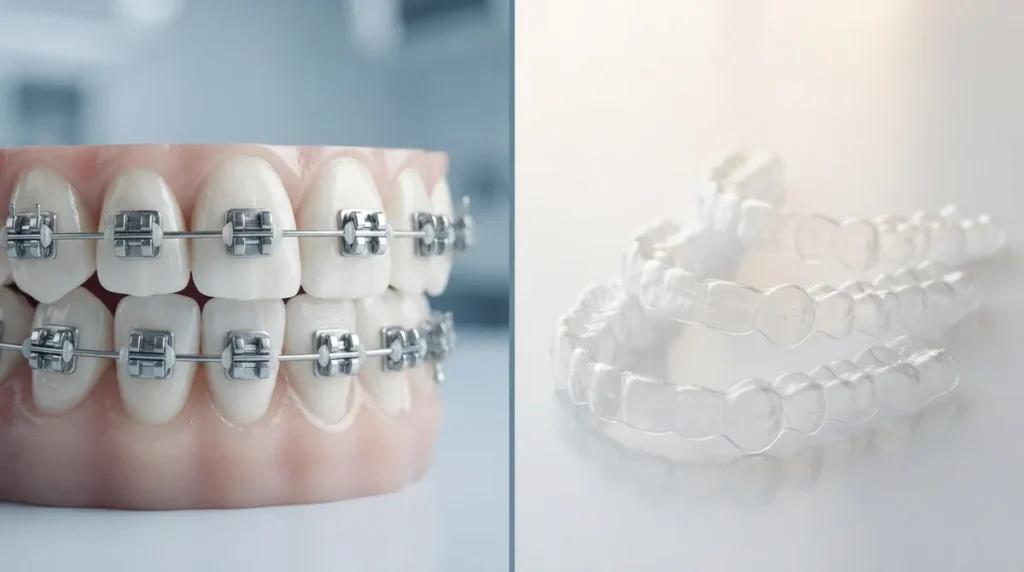
Standing in front of the mirror, wondering if metal brackets or clear trays fit your life better? You are not alone. Every week, parents, teens, and busy professionals walk into orthodontic offices asking the exact same question: braces vs invisalign, which one actually works best for me? The honest answer is that it depends on your smile, your goals, and your day-to-day habits. This guide breaks down the real facts, backed by current research, so you can walk into your next appointment feeling confident instead of confused.
At Segovia Orthodontics in Lakewood Ranch, Dr. Flor Segovia helps patients of every age compare treatment options with a friendly, judgment-free approach. Whether you are a mom managing your kid’s schedule, a young professional wanting a discreet fix, or an adult correcting old relapse, this list will help you understand what really separates braces from clear aligners like Invisalign.
1. Braces and Invisalign Work in Very Different Ways
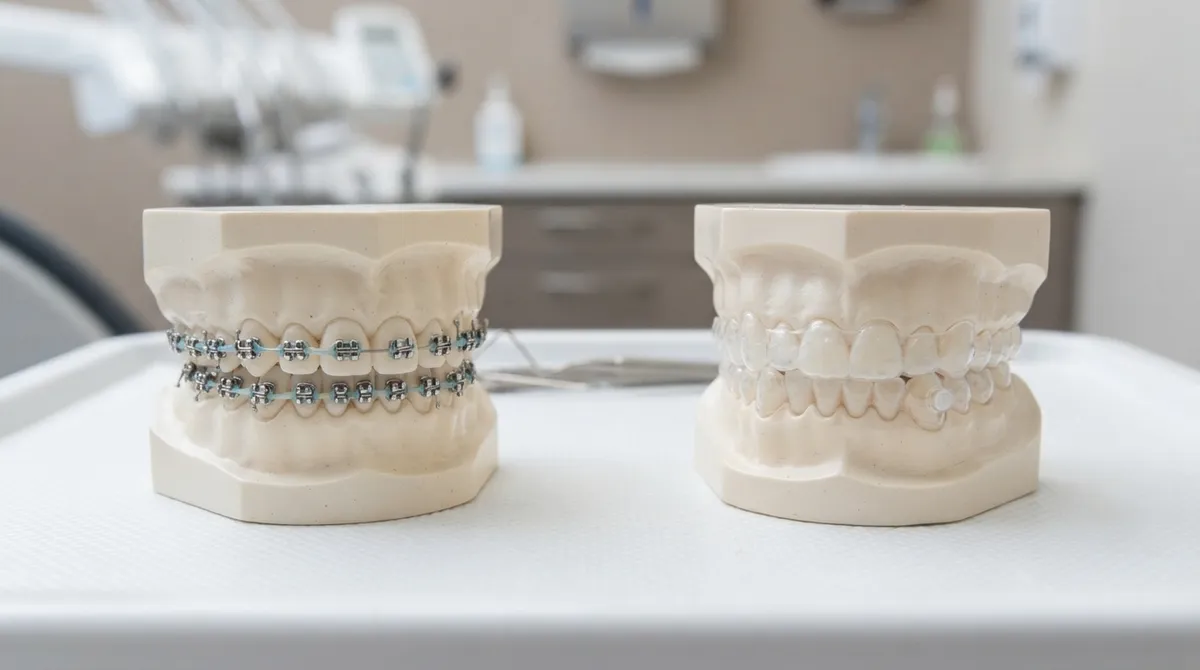
Traditional braces use metal or ceramic brackets glued to each tooth, connected by a wire. That wire is adjusted over time to slowly guide teeth into place. Invisalign, on the other hand, is a brand of clear, removable plastic trays. Each tray is custom-made and slightly different from the last, nudging your teeth step by step using a digital treatment plan.
Both approaches can produce beautiful, healthy smiles. But the mechanics behind them are completely different, and that difference matters when your case is complex. Fixed braces stay active 24/7 because they are bonded to your teeth. Aligners depend on you wearing them consistently, which brings us to compliance.
2. Your Case Complexity Should Drive the Decision
Here is something many people do not realize: the “better” choice is not about brand preference. It is about what your teeth actually need. A 2025 systematic review published on PubMed, which included 15 trials and over 1,000 patients, found no significant difference in treatment quality between clear aligners and fixed braces for non-extraction cases. However, for more complex extraction cases, fixed braces produced better treatment quality overall.
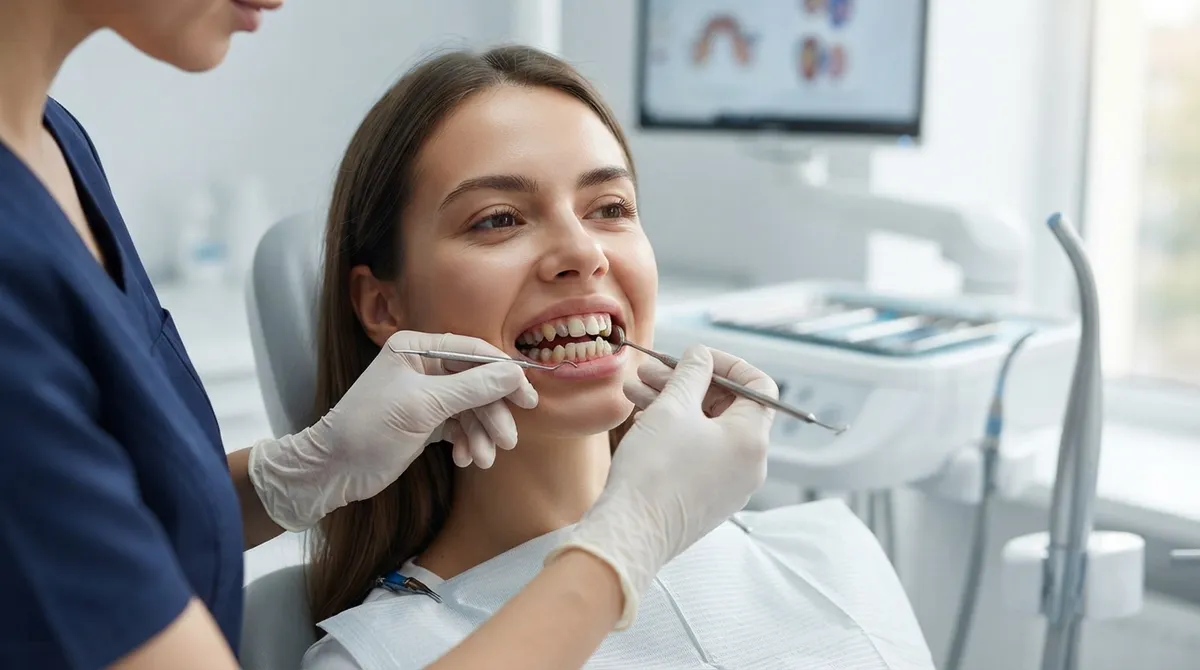
This means mild-to-moderate crowding or spacing issues may respond equally well to either option. But if you have significant crowding, a tooth that needs to be pulled, or complicated bite problems, braces often give your orthodontist more precise control. This is exactly why an in-person evaluation matters so much before choosing your path. Our first orthodontic visit is designed to map out exactly what your smile needs.
Movements Where Braces Often Win
- Significant tooth rotations
- Complex root movements (torque)
- Vertical tooth positioning (extrusion)
- Widening the upper jaw (transverse correction)
- Cases requiring tooth extraction
3. Both Options Can Treat Common Bite Problems, But Not Equally
Can Invisalign fix an overbite, underbite, crossbite, or open bite? Sometimes, yes. Mild to moderate versions of these bite issues often respond well to aligners, especially when combined with attachments or elastics. But a 2025 review of anterior tooth movement found that fixed braces generally offer better control over rotation and torque, which are often needed in more involved bite corrections.
For growing children and teens, a 2025 systematic review found inconsistent evidence that aligners improve satisfaction compared to braces, and limited support for using aligner-based mandibular advancement to correct Class II bite problems in kids. This is one reason why many orthodontists still recommend traditional braces or WildSmiles Braces for younger patients with developing jaws. Learn more about underbite correction options and crossbite treatment to see what fits your situation.
4. Treatment Time Is Not Always Shorter With Aligners
A common myth is that clear aligners always finish faster than braces. The truth is more nuanced. A 2024 systematic review that looked at 10 studies, six of which were randomized controlled trials, found low-certainty evidence showing no significant difference in treatment duration between aligners and braces for mild-to-moderate crowding.
An older 2019 meta-analysis did report aligners finishing about 6.31 months faster on average. But that same study found aligners performed worse on things like occlusal contacts, torque control, and retention. So faster is not always better if the results are less stable long term. Every case is different, and treatment time really depends on your specific goals.
5. Cleaning and Hygiene: Aligners Offer More Convenience
One area where clear aligners genuinely shine is hygiene convenience. Since Invisalign trays are removable, you can brush and floss normally, without navigating around brackets and wires. A 2024 umbrella review confirmed that removable aligners generally offer better plaque control convenience compared to fixed braces.
That said, braces are not impossible to keep clean. They just require more effort and the right tools. Here is a quick comparison to help you visualize the daily differences:
| Category | Traditional Braces | Clear Aligners (Invisalign) |
|---|---|---|
| Removable for eating | No | Yes |
| Daily wear requirement | 24/7 fixed | 20-22 hours per day |
| Ease of brushing/flossing | More effort needed | Easier, remove to clean |
| Visibility | Visible (unless ceramic) | Nearly invisible |
| Best for complex cases | Generally yes | Best for mild-moderate cases |
| Compliance dependent | Low (fixed appliance) | High (patient must wear consistently) |
If you want a fun twist on hygiene motivation for kids, our WildSmiles Braces are designed with shapes that make it easy to see if brushing is thorough, turning oral care into a visual game instead of a chore.
6. Compliance Makes or Breaks Aligner Success
Clear aligners only work if you actually wear them. Manufacturers generally recommend 20 to 22 hours of daily wear, removing them only to eat, drink anything besides water, or brush your teeth. This is a big commitment, and it is worth being honest with yourself about your habits before choosing this path.
Braces do not carry this same risk since they are bonded to your teeth and working around the clock. This makes them a dependable option for busy teens or anyone who knows they might forget to pop trays back in after lunch. If you are a parent trying to decide what fits your child’s personality, our teen orthodontic treatment page walks through age-specific considerations.
Signs You Might Be a Good Aligner Candidate
- You have mild to moderate crowding or spacing
- You are highly organized and disciplined with routines
- You do not smoke or chew tobacco during treatment
- You want a nearly invisible option for work or social events
- Your orthodontist confirms your case does not require extraction
7. Cost Depends on Many Factors, Not Just the Product Type
Is Invisalign more expensive than braces? Not necessarily. Total cost depends on the severity of your case, how many aligners or adjustments you need, whether you need attachments, your provider’s fees, and your location. Complete pricing should always include consultations, scans, refinements, and retainers afterward.
Neither treatment is a one-time expense. Both usually require retainers after active treatment to protect your results. At Segovia Orthodontics, flexible financing plans are available so cost does not have to be the deciding factor. If budget is a top concern, our team can walk you through the numbers during a consultation, and you’re welcome to contact us to ask specific pricing questions.
8. Newer Aligner Technology Is Changing the Landscape
Clear aligner technology keeps evolving. At our Lakewood Ranch office, we also offer Angel Aligners, which use AI-driven treatment planning and a unique wear schedule to potentially speed up tooth movement while keeping costs more manageable than some premium aligner brands.
On the braces side, LightForce Orthodontics has changed what fixed appliances can look like. This fully digital, 3D-printed bracket system is custom-fitted to each tooth, which can reduce treatment time by up to 45% compared to traditional one-size-fits-all brackets. Explore our Lightforce Orthodontics page to see how custom brackets might shorten your treatment timeline while staying discreet with clear or white bracket options.
Quick Comparison of Newer Options
- Angel Aligners: AI-driven planning, 7+3 wear schedule, generally lower cost
- LightForce Braces: 3D-printed custom brackets, up to 45% faster treatment, subtle appearance
- WildSmiles Braces: Fun shapes for kids, encourages better brushing habits
- Traditional Metal Braces: Reliable, budget-friendly, best for complex cases
9. An Orthodontist Evaluation Beats Guessing Every Time
At the end of the day, no article, blog post, or online quiz can replace an actual orthodontic exam. Dr. Flor Segovia, a board-certified orthodontist recognized by the American Board of Orthodontics, evaluates each patient’s bite, crowding, and goals before recommending a path forward.
Choosing between braces and Invisalign is not about which one sounds trendier. It is about which one matches your mouth, your lifestyle, and your budget. That is why we always recommend starting with a full evaluation rather than assuming one option is automatically right for you. Read more about our approach on the why choose us page, or learn about board certified orthodontist credentials and what they mean for your care.
What to Expect During Your Evaluation
- A full dental and bite exam using advanced orthodontic technology
- Digital scans or X-rays to map your teeth and jaw
- A conversation about your goals, budget, and timeline
- A personalized recommendation between braces, Invisalign, or Angel Aligners
- A clear breakdown of estimated treatment time and cost
Many parents specifically look for practices with flexible scheduling, and our team understands how packed family calendars can get. That is part of why so many families in the area trust us; you can visit us on Google — Segovia Orthodontics to read real reviews from patients who found their perfect fit here in Lakewood Ranch.
Making Your Final Decision With Confidence
Choosing between braces and Invisalign does not have to feel overwhelming. Start by being honest about your habits, your case complexity, and your priorities. If you love the idea of a nearly invisible option and know you will wear your trays consistently, aligners might be a great fit. If you want a dependable, always-working option, especially for a more complex bite, braces might serve you better.
Either way, you deserve a treatment plan built around your real life, not a one-size-fits-all approach. Follow along on our Facebook page or our Instagram page for smile transformations, treatment tips, and updates from our Lakewood Ranch community.
Ready to find out which option truly fits your smile? Request an appointment today, or feel free to call us at 941-557-1333 to speak with our friendly team. We cannot wait to help you start your journey toward a smile you will love showing off.
FAQs
Q: Which is better: braces or Invisalign?
A: Honestly, it depends on your specific smile! Research shows both work equally well for mild to moderate cases, but braces often perform better for complex crowding or extraction cases. The best way to know for sure is a quick evaluation with your orthodontist.
Q: Is Invisalign faster than traditional braces?
A: Not always. A 2024 systematic review found no significant difference in treatment time between aligners and braces for mild to moderate crowding. Some earlier studies suggested aligners were faster, but this often depended on simpler cases being compared.
Q: Can Invisalign treat an overbite or crossbite?
A: Yes, in many mild to moderate cases! Aligners can address these bite issues, especially with attachments or elastics. More complex bite problems, though, often respond better to traditional braces for precise control.
Q: How many hours a day do I need to wear Invisalign aligners?
A: Most orthodontists recommend wearing your aligners for about 20 to 22 hours each day. You will only remove them to eat, drink anything besides water, and brush or floss your teeth.
Q: Are braces or Invisalign easier to clean?
A: Aligners have a hygiene edge since you can remove them completely for brushing and flossing. Braces require a bit more effort, but with the right tools and routine, keeping them clean is totally manageable!
Our Service Area