
Key Takeaways
-
Ceramic braces use tooth-colored brackets that blend in with your natural teeth, making them nearly invisible from a few feet away—ideal for professionals, teens, and adults who feel self-conscious about metal braces.
-
Ceramic braces can treat serious bite problems including overbites, underbites, crowding, and gaps just as effectively as metal braces, though treatment may take 18-36 months depending on case complexity.
-
Ceramic braces cost $4,000–$8,500 on average in the U.S., typically $500–$2,000 more than metal braces, with financing options available to fit family budgets.
-
Elastic ties holding the wire can stain from dark foods and drinks, but they're replaced at every adjustment visit (every 4-12 weeks), keeping your smile looking fresh throughout treatment.
-
Ceramic brackets are more brittle than metal ones, so avoid hard candies, nuts, ice, and sticky foods; wear a mouthguard during sports to prevent chips that could delay treatment.
-
Maintaining excellent oral hygiene is critical with ceramic braces because plaque buildup increases risk of cavities and enamel demineralization—brush after every meal and floss daily with a threader.
Picture this: you want straighter teeth, but you also have a big presentation at work next month or a wedding to attend this fall. You want results, but you don’t want a mouth full of shiny metal stealing the show. That’s exactly why so many teens and adults are asking about ceramic braces these days. They do the same hard work as metal braces, but they blend in so much better with your smile.
At Segovia Orthodontics, we love helping patients find a treatment that fits their life, not the other way around. Whether you’re a busy mom juggling soccer practice and school pickups, or a professional who can’t afford a distracting smile during client meetings, ceramic braces might be the answer you’ve been searching for. Let’s break down everything you need to know, in plain simple terms, so you can make a confident decision.
What Exactly Are Ceramic Braces?
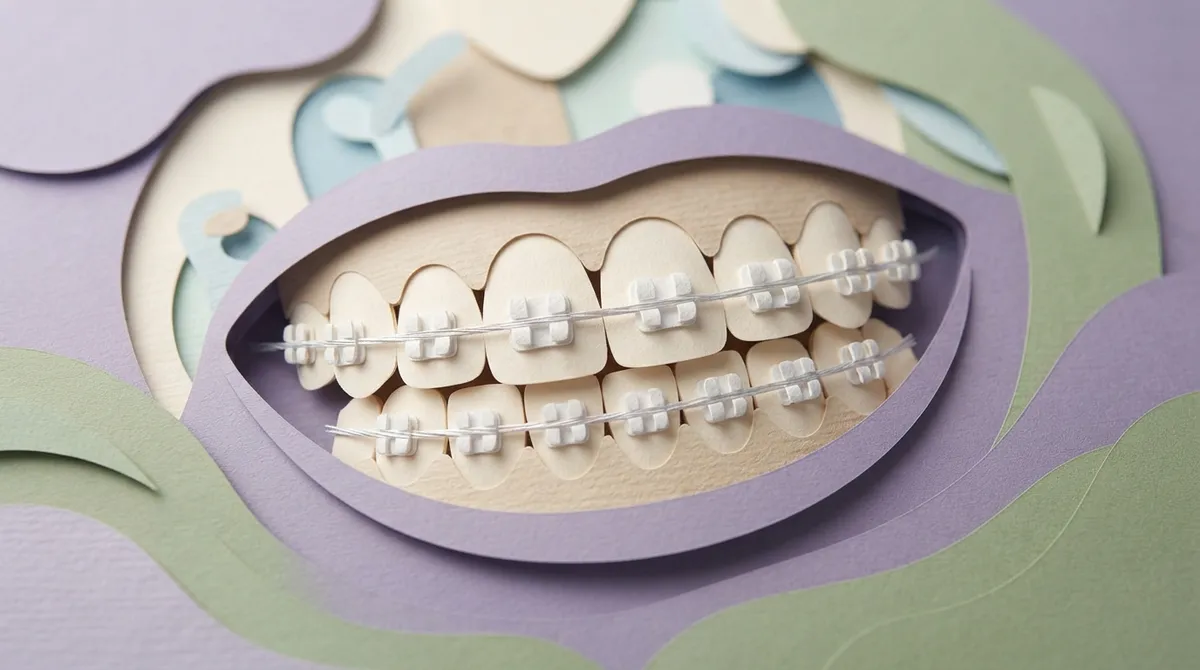
Ceramic braces work just like traditional metal braces. They use brackets and a wire to slowly guide your teeth into place. The big difference? The brackets are made from clear or tooth-colored ceramic material instead of shiny metal.
This means the brackets blend in with your natural tooth color. From a few feet away, many people won’t even notice you’re wearing braces. That’s a huge win for anyone who feels self-conscious about a metal-mouth look, especially adults returning to orthodontic care after years of putting it off.
How Do They Compare to Metal Braces?
Ceramic braces apply the same gentle, steady pressure as metal ones. They can fix many of the same issues, including crowded teeth, gaps, and bite problems. But there are some differences worth knowing about before you decide.
- Ceramic brackets are less noticeable, making them popular with image-conscious teens and adults
- They can be slightly more fragile than metal brackets
- They sometimes cost a bit more due to the material and handling
- Treatment time can run a little longer in some cases
- They require careful care to avoid staining the elastic ties
Your orthodontist will look at your specific bite, your goals, and your lifestyle before recommending the right option. Learn more about how ceramic options stack up against other choices on our types of braces page.
Can Ceramic Braces Fix Serious Bite Problems?
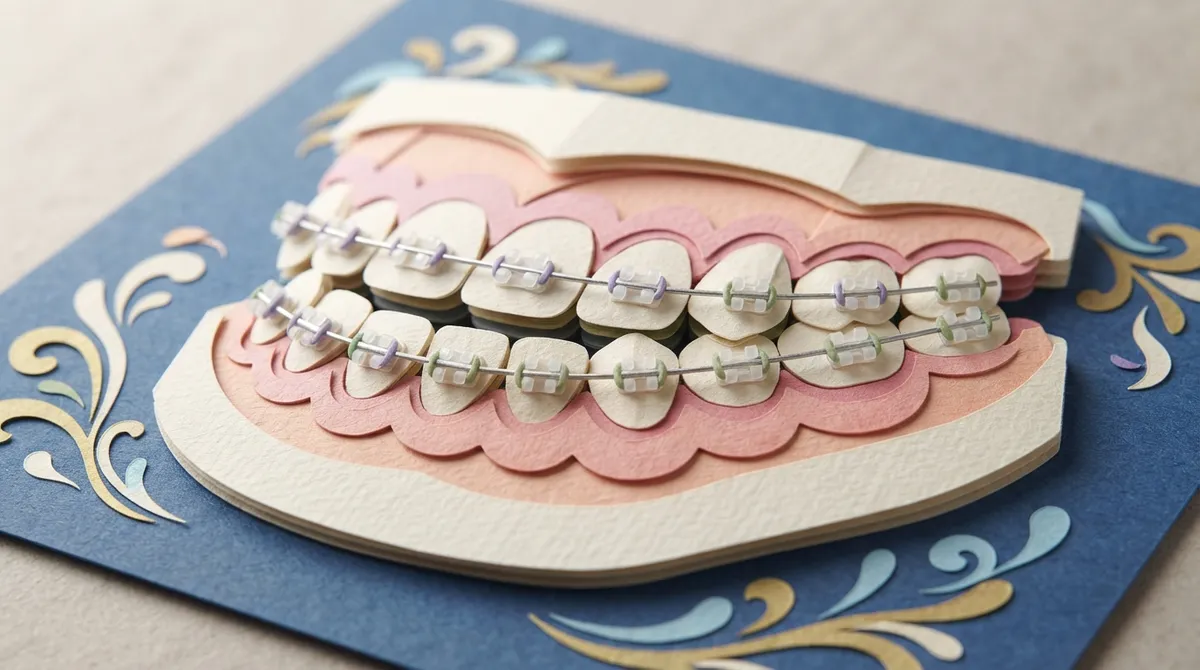
Many people assume that “cosmetic-looking” braces can only handle minor issues. That’s simply not true. Ceramic braces can treat many of the same problems as metal braces, including:
- Crowded or crooked teeth that overlap or twist
- Noticeable gaps between teeth
- Overbite, where the top teeth sit too far forward
- Underbite, where the lower jaw juts out
- Crossbite, where teeth don’t line up correctly when biting down
However, every mouth is different. An orthodontist needs to examine your teeth and bite pattern before confirming that ceramic braces are the right fit. Some severe cases may respond better to a different approach. This is why a personal evaluation matters so much. You can read more about how our team assesses each smile on our common orthodontic problems page.
How Long Does Treatment Really Take?
This is one of the most common questions we hear. Treatment time depends on how severe your case is, how many teeth need to move, and how well you follow instructions.
According to the American Association of Orthodontists, most patients wear braces for about 12 to 24 months. Some ceramic-brace cases may take a bit longer, often falling somewhere between 18 and 36 months, according to guidance summarized by Forbes Health. Your exact timeline depends on your unique smile.
During treatment, you’ll usually visit the office every 4 to 12 weeks for adjustments. These visits let your orthodontist check your progress and tighten or adjust your wire as needed. Consistent visits make a big difference in staying on schedule, so try not to skip them.
What Do Ceramic Braces Cost?
Cost is often the first question on everyone’s mind, and that’s completely understandable. Prices can vary quite a bit depending on where you live, how complex your case is, and what’s included in your treatment plan.
| Cost Source | Estimated Range |
|---|---|
| CareCredit pricing data (2025) | Average around $5,834; range $4,480–$11,312 |
| Forbes Health consumer guide | Roughly $4,000–$8,000 |
| Other consumer dental guides | Approximately $4,500–$8,500 |
Keep in mind these are national estimates, not a guaranteed price. Your actual cost depends on your treatment plan, your location, and whether insurance helps cover part of the bill. Our team can walk you through your specific options when you request an appointment with us.
The good news is that financing doesn’t have to be stressful. We offer flexible plans designed to fit real family budgets. Check out our orthodontic financing options to see what might work for you.
Do Ceramic Braces Stain or Turn Yellow?
This is a fair concern, and an honest one to ask. The ceramic bracket itself usually resists stains quite well. However, the small elastic ties holding the wire in place can pick up color from food, drinks, and even smoking.
The good news is those ties get replaced at every adjustment visit. So even if they pick up a little color between appointments, you get a fresh, clean look every few weeks. Sticking to good habits between visits helps keep your smile looking its best the whole time.
Simple Tips to Prevent Staining
- Limit coffee, tea, red wine, and dark sodas
- Rinse your mouth with water after eating or drinking anything dark
- Brush gently but thoroughly after every meal
- Avoid tobacco products entirely during treatment
- Keep up with your regular adjustment appointments
What Foods Should You Avoid?
Because ceramic brackets are a bit more delicate than metal ones, protecting them matters. Chipping or breaking a bracket can slow down your treatment and mean an extra trip to the office.
- Skip hard candies, nuts, and ice chewing
- Avoid sticky treats like caramel or taffy
- Cut crunchy fruits and vegetables into small pieces first
- Stay away from chewing on pens, pencils, or fingernails
- Wear a properly fitted mouthguard during sports
These small changes go a long way toward protecting your investment and keeping your treatment on track. Our all about braces guide covers even more helpful daily care tips.
Are Ceramic Braces More Fragile or Painful?
Ceramic brackets are generally more brittle than metal ones. This means they can chip or crack more easily if you’re not careful with food choices or contact sports. That said, they’re still a reliable, well-tested treatment option used by orthodontists everywhere.
Interestingly, one small 2020 study summarized by Forbes Health found a bracket failure rate of just 1% for ceramic brackets, compared to 7.2% for metal brackets in that particular sample. Keep in mind this was a small study, and results can vary based on bracket design and how well patients follow care instructions.
As for pain, ceramic braces feel about the same as metal braces. You might notice some soreness for a few days after getting them placed or adjusted. This is completely normal and usually fades quickly.
Why Good Hygiene Matters So Much
Braces of any kind create extra nooks and crannies where plaque can hide. This raises your risk of cavities and gum irritation if brushing and flossing get skipped. A 2019 study cited by Forbes Health linked ceramic-brace treatment to a higher chance of enamel demineralization, mainly due to plaque buildup rather than the ceramic material itself.
The fix is simple: stick to a solid daily routine.
- Brush after every meal, using a soft-bristled brush
- Floss daily with a floss threader or orthodontic flosser
- Use a fluoride mouth rinse if recommended by your orthodontist
- Keep up with regular dental cleanings alongside orthodontic visits
Good habits now protect your smile for a lifetime, long after your braces come off.
What Happens After Treatment?
Once your braces come off, the work isn’t quite finished. Retainers play a huge role in keeping your teeth from shifting back to where they started. Think of retention as the final, essential chapter of your orthodontic story.
We offer several orthodontic retainers options to protect your results for years to come. Skipping this step is one of the most common regrets we hear about from patients who didn’t stick with their retainer schedule.
Who Should Consider Ceramic Braces?
Ceramic braces tend to be a great fit for certain groups of people. Here’s who often benefits most:
- Teens who want effective treatment without feeling self-conscious at school
- Working professionals who need a more discreet option for meetings and interviews
- Adults preparing for weddings, graduations, or other big life events
- Patients returning for a second round of treatment after their smile shifted back
- Anyone who wants faster results than clear aligners but a subtler look than metal
Every smile is different, though, so a personal consultation is always the best next step. Learn more about our approach on our why choose us page.
Ceramic Braces vs Other Treatment Options
Wondering how ceramic braces stack up against other choices we offer? Here’s a quick side-by-side look.
| Treatment | Visibility | Best For |
|---|---|---|
| Ceramic Braces | Low visibility, tooth-colored | Teens and adults wanting a discreet fixed option |
| Metal Braces | Most visible | Complex cases needing durable, budget-friendly treatment |
| Clear Aligners | Nearly invisible, removable | Mild to moderate cases, busy professionals |
| LightForce Braces | Clear or white, custom-fit | Patients wanting faster, digitally-planned treatment |
Dr. Flor Segovia, a board certified orthodontist, can help you weigh these options during your consultation based on your goals, budget, and lifestyle.
Why Choose Segovia Orthodontics for Your Ceramic Braces?
Our Lakewood Ranch practice is built around comfort, honesty, and family-friendly care. We use advanced orthodontic technology to plan treatment with precision, and Dr. Segovia provides bilingual care in English and Spanish so every family feels welcome and understood.
We know that choosing an orthodontist is a big decision. That’s why we encourage you to see what real patients are saying. You can visit us on Google — Segovia Orthodontics to read reviews from families just like yours right here in Lakewood Ranch. You can also follow along with smile transformations on our Facebook page or check out daily updates on our Instagram page.
If you’re curious whether ceramic braces are right for your smile, the American Board of Orthodontics recommends seeing a specialist for a full evaluation. You can learn more about orthodontic credentials on the American Board of Orthodontics website.
Your Next Step Toward a Confident Smile
Choosing ceramic braces is about more than just looks. It’s about feeling good every single day during your treatment, without hiding your smile in photos or important moments. Whether you’re a parent exploring options for your teen, or an adult ready to finally fix that relapse from years ago, ceramic braces offer a comfortable middle ground between subtlety and effectiveness.
Ready to see if ceramic braces are the right fit for you or your family? Our friendly team is here to answer every question with patience and care. Contact us today, or feel free to call us at 941-557-1333 to schedule your consultation with Segovia Orthodontics in Lakewood Ranch. Your best smile is closer than you think, and we can’t wait to help you get there.
FAQs
Q: What are ceramic braces, and how do they work?
A: Ceramic braces work just like metal braces, using brackets and a wire to gently move your teeth into place. The big difference is the brackets are tooth-colored or clear, so they blend right in with your smile instead of standing out.
Q: Are ceramic braces as effective as metal braces?
A: Yes, in most cases! Ceramic braces can treat many of the same issues as metal braces, including crowding, gaps, and bite problems. Your orthodontist will confirm they’re the right choice for your specific smile during your consultation.
Q: How much do ceramic braces cost in the United States?
A: Costs typically range from about $4,000 to $8,500, though some sources report averages closer to $5,800. Your exact price depends on your case, location, and what’s included in your treatment plan, so it’s best to get a personalized estimate.
Q: Do ceramic braces stain or turn yellow over time?
A: The ceramic brackets themselves resist staining pretty well. The small elastic ties can pick up color from food and drinks, but the good news is those get replaced fresh at every adjustment visit, so your smile stays looking great.
Q: Are ceramic braces more fragile than metal braces?
A: Ceramic brackets can be a bit more brittle than metal ones, so it’s smart to avoid hard and sticky foods. With careful habits and a properly fitted mouthguard for sports, most patients do just fine throughout treatment.
Our Service Area