Key Takeaways
-
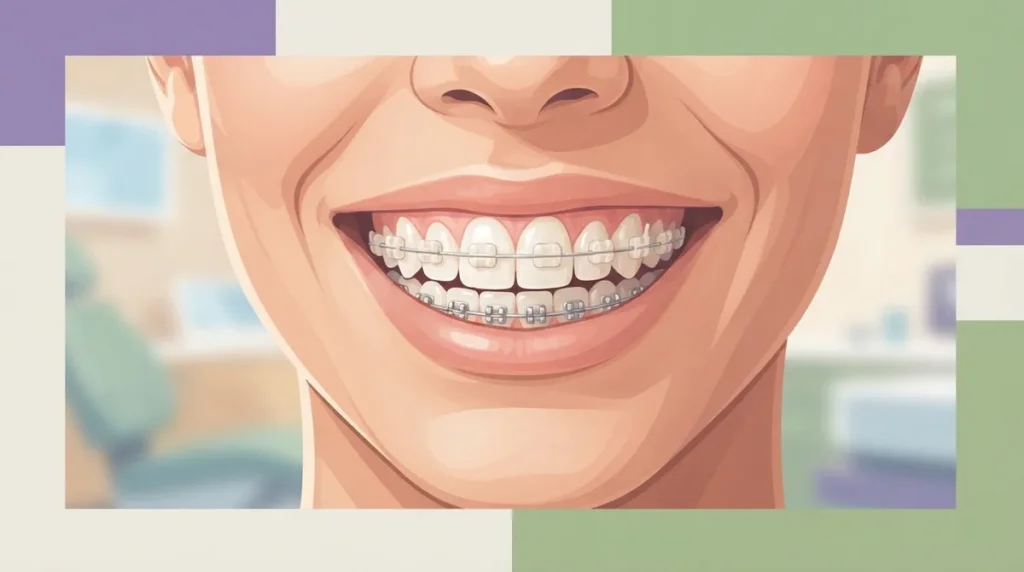
Ceramic braces blend with natural tooth color using tooth-colored ceramic brackets instead of metal, making them ideal for professionals, teens preparing for major events, and adults who want discreet orthodontic treatment without visible metal.
-
Treatment timeline matches metal braces at 12-30 months for most cases, though advanced technology like SureSmile can reduce treatment time by up to 40% in suitable cases.
-
Ceramic brackets are more brittle than metal and require extra care: avoid hard foods, pigmented beverages, gentle brushing, and use soft-bristled toothbrushes to prevent staining of elastic ties and bracket damage.
-
Ceramic braces cost more than metal braces, but most Bradenton orthodontic practices offer flexible financing options including monthly payment plans, FSA/HSA funds, insurance coordination, and multi-family discounts.
-
Many orthodontists combine ceramic brackets on upper front teeth with metal brackets on lower teeth for optimal visibility and durability, a strategy commonly used by Bradenton providers.
-
Ceramic braces effectively correct crowding, gaps, overbites, underbites, and relapse, making them equally effective as metal braces for orthodontic corrections despite their cosmetic advantage.
Picture this: you’re heading into a big work presentation, a friend’s wedding, or your senior year photos, and you want straighter teeth without a mouth full of metal. That’s exactly why so many teens and adults searching for ceramic braces Bradenton families trust are turning to this tooth-colored option. It works just like traditional braces, but the brackets blend right into your smile instead of shouting for attention.
If you’ve been putting off treatment because you’re worried about how metal brackets will look at your job or in photos, you’re not alone. Plenty of busy professionals, parents, and life-event planners feel the same way. The good news? Ceramic braces give you the same reliable results as metal braces, just with a lot less sparkle. Let’s walk through everything you need to know before you book a consultation.
What Are Ceramic Braces, Exactly?
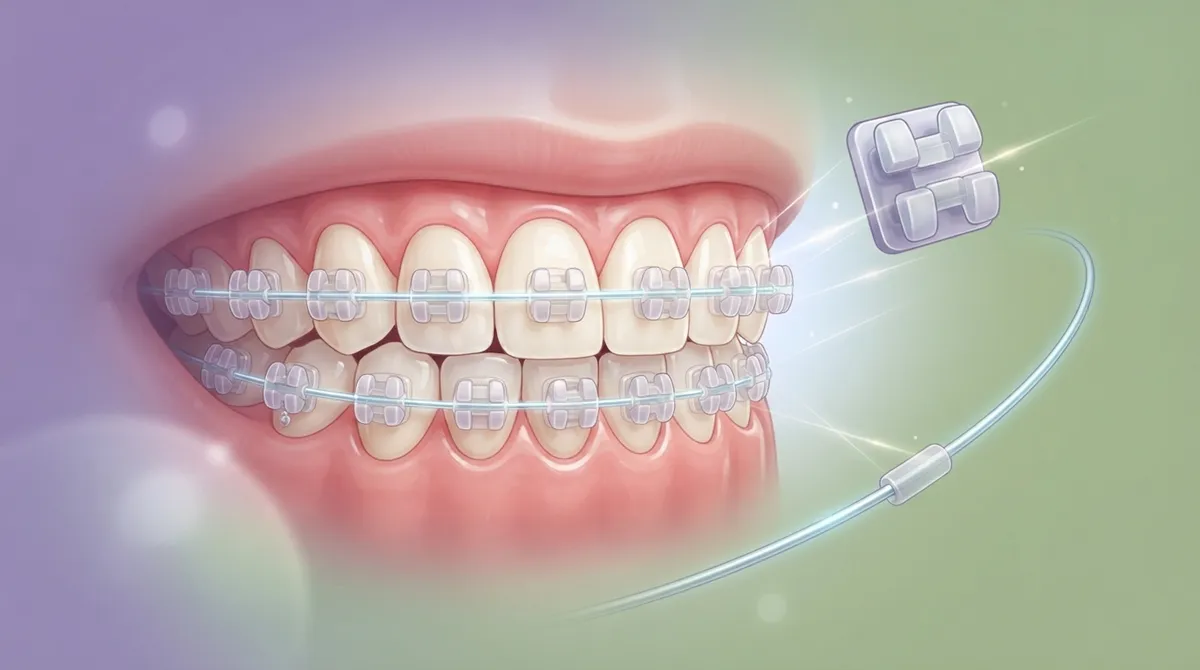
Ceramic braces use the same wires and brackets as traditional metal braces. The only real difference is the bracket material. Instead of shiny metal, the brackets are made from a clear or tooth-colored ceramic material that blends with your natural enamel.
This means the mechanics of treatment stay the same. Your orthodontist still uses brackets and wires to gently shift your teeth into place over time. The magic is simply in how they look, not how they work. For patients who want the confidence boost of straighter teeth without feeling self-conscious, this small tweak makes a big difference.
How They Compare to Metal Braces
Both metal and ceramic braces rely on brackets bonded to your teeth and a wire that applies gentle pressure. Here’s a quick breakdown of how the two options stack up.
| Feature | Ceramic Braces | Metal Braces |
|---|---|---|
| Visibility | Low – blends with teeth | High – noticeable metal |
| Durability | More brittle, needs care | Very durable |
| Best For | Teens and adults | All ages, including young kids |
| Typical Treatment Time | 12 to 30 months | 12 to 30 months |
| Staining Risk | Possible with certain foods/drinks | Not applicable |
Both options are effective at fixing crowding, gaps, and bite issues. The choice really comes down to how much you value a more discreet look versus a slightly tougher, lower-maintenance bracket. If you want to see all your options laid out side by side, our types of braces guide breaks down each one in detail.

Why Bradenton Patients Are Choosing Ceramic Braces
Local orthodontic practices in the Bradenton area report that ceramic braces are especially popular with older teens and adults who want a more subtle treatment option. It makes sense. Nobody wants to feel like their smile is on hold while they wait for treatment to finish.
- They blend in with your natural tooth color, making them far less noticeable in photos and conversations.
- They work well for patients who tried clear aligners but need more consistent, hands-off correction.
- They’re a great fit for professionals who want treatment that doesn’t distract from their appearance at work.
- They help reduce the self-consciousness some patients feel with traditional metal brackets.
- They still deliver the same reliable straightening results as metal braces.
Who Benefits Most From This Treatment?
Ceramic braces tend to work best for specific groups of patients. Here’s a quick rundown of who typically benefits the most.
- Teens preparing for milestones. Graduation photos, homecoming, and other big moments feel a lot better with a more discreet smile treatment.
- Young professionals. If you’re in client-facing roles or job interviews, ceramic braces feel less distracting than metal.
- Adults returning for relapse treatment. If your teeth shifted after your first round of braces years ago, ceramic brackets offer a comfortable, low-key way to fix it.
- Life event planners. Weddings and reunions are common reasons adults finally commit to straightening their smile before the big day.
- Patients wanting an alternative to aligners. Some people don’t love the discipline required with removable trays and prefer a fixed option instead.
Because ceramic brackets are more brittle than metal, many Bradenton providers use them mainly on the upper front teeth, where visibility matters most, while sometimes pairing them with metal brackets on the lower arch for added strength. Your orthodontist will walk you through what makes sense for your specific smile.
How Long Does Treatment Take?
One of the most common questions we hear is about timing. Nobody wants a vague answer when they’re planning around a wedding or job change. Generally speaking, ceramic braces follow a similar timeline to metal braces.
- Most treatment plans run between 12 and 30 months, depending on how much correction is needed.
- Traditional braces-based treatments (including ceramic) often average 18 to 36 months for more complex cases.
- Simpler cases involving minor crowding or spacing may finish closer to the 12-month mark.
- Consistent office visits and good habits at home can help keep your treatment on schedule.
Some practices in the area also use advanced technology like SureSmile, which can reduce total treatment time by up to 40% in the right cases. While that technology isn’t specific to ceramic brackets, it shows how much innovation is shaping orthodontic care in our region. At Segovia Orthodontics, we also use advanced orthodontic technology to help plan treatment as efficiently as possible for every patient.
Caring for Ceramic Braces the Right Way
Because ceramic brackets are a bit more delicate than metal, a little extra care goes a long way. It’s nothing to stress over, just a few small habits that protect your investment and keep your treatment moving smoothly.
Simple Daily Habits That Help
- Brush gently around each bracket twice a day to prevent staining near the edges.
- Avoid biting into hard foods like ice, hard candy, or whole apples that can crack a bracket.
- Steer clear of heavily pigmented foods and drinks like coffee, red wine, and dark sauces, which can stain the clear ties.
- Use a soft-bristled toothbrush and consider a water flosser for easier cleaning around wires.
- Keep up with regular checkups so your orthodontist can catch any loose brackets early.
If a bracket ever feels loose or a wire pokes uncomfortably, don’t wait it out. Reach out right away so small issues don’t turn into bigger delays. Our orthodontic emergency page walks you through what to do if something feels off between visits.
Ceramic Braces vs. Other Treatment Options
Ceramic braces aren’t the only discreet option out there, so it helps to know how they compare to other choices you might be considering.
| Option | Visibility | Typical Timeline | Best For |
|---|---|---|---|
| Ceramic Braces | Low | 12-30 months | Teens/adults wanting fixed, subtle treatment |
| Metal Braces | High | 18-36 months | Kids, complex cases, budget-conscious patients |
| Clear Aligners | Very low | 12-18 months | Adults with mild-to-moderate needs, active lifestyles |
| LightForce Braces | Low | Often faster, up to 45% quicker | Patients wanting custom, digitally designed brackets |
If you’re torn between fixed brackets and removable trays, our article on braces vs. clear aligners can help you weigh the pros and cons for your lifestyle. And if you want to explore a fully custom, 3D-printed option, take a look at LightForce Orthodontics, which pairs precision engineering with a more discreet bracket design.
What to Expect at Your First Visit
Walking into an orthodontic office for the first time can feel a little intimidating, especially if you’re an adult who never expected to need braces again. Here’s what typically happens during your initial consultation.
- Your orthodontist reviews your dental history and takes digital images or X-rays of your teeth and jaw.
- You’ll discuss your goals, whether that’s fixing crowding, closing gaps, or correcting a bite issue.
- Your provider explains which treatment options fit your case, including ceramic braces, metal braces, or clear aligners.
- You’ll get a clear breakdown of estimated treatment time and cost, along with financing options if needed.
- If you’re ready to move forward, you can often schedule your bonding appointment on the spot.
Curious about what happens step-by-step? Our first orthodontic visit page walks you through the whole process so there are no surprises.
Common Orthodontic Issues Ceramic Braces Can Fix
Ceramic braces aren’t just for looks. They’re just as capable as metal braces when it comes to correcting real orthodontic problems, including:
- Crowded or overlapping teeth that make brushing and flossing harder.
- Noticeable gaps or spacing between teeth.
- Overbites, underbites, and crossbites affecting your jaw alignment.
- Teeth that shifted back into old positions after previous treatment (relapse).
- Minor to moderate rotations or tilting of individual teeth.
If you’re dealing with more complex concerns, it’s worth reading up on common orthodontic problems to understand how treatment addresses each one.
Why Choose a Board-Certified Orthodontist for Ceramic Braces
Not every dental provider has the same level of specialized training in tooth movement and bite correction. Choosing a board certified orthodontist means you’re working with someone who has gone through additional years of focused training beyond dental school, similar to standards set by the American Board of Orthodontics.
At Segovia Orthodontics in Lakewood Ranch, Dr. Flor Segovia brings that specialized expertise to every patient, whether you’re a concerned mom bringing in your teenager or an adult ready to finally fix your smile. Dr. Segovia offers bilingual care in English and Spanish, creating a warm, welcoming environment for families throughout the Bradenton and Lakewood Ranch area. You can learn more about her background on our Orthodontist Flor Segovia page.
Curious what real patients think? You can visit us on Google — Segovia Orthodontics to read honest reviews from families just like yours.
Financing Your Ceramic Braces Treatment
Cost is often the biggest hesitation for patients considering ceramic braces. The good news is that most orthodontic offices, including ours, offer flexible payment plans to make treatment more manageable.
- Monthly payment plans that spread out the total cost over your treatment timeline.
- Options to use FSA or HSA funds if your employer offers them.
- Insurance coordination for patients whose plans include orthodontic benefits.
- Discounts for paying in full or for multiple family members starting treatment together.
To see what fits your budget, check out our orthodontic financing options before your consultation so you can ask informed questions.
Alternatives Worth Considering
While ceramic braces are a fantastic middle ground between discretion and durability, they’re not the only path to a straighter smile. Depending on your case, you might also consider:
- Clear aligners for patients with mild-to-moderate crowding who want a removable option.
- Angel Aligners, which use a unique 7+3 wear schedule and AI-driven planning to speed up results affordably.
- LightForce Braces, offering custom 3D-printed brackets designed specifically for your teeth.
- WildSmiles Braces for younger patients who want a fun, personalized bracket design that encourages better brushing habits.
If you’re an adult exploring aligner options, our guide on choosing the best Invisalign alternative can help you compare choices side by side.
Ready to Get Started?
Choosing ceramic braces is about more than just aesthetics. It’s about feeling confident every single day during your treatment, whether you’re heading to work, walking across a graduation stage, or simply smiling in family photos. Bradenton and Lakewood Ranch families deserve orthodontic care that fits their lifestyle, budget, and personality.
At Segovia Orthodontics, we believe every patient, from concerned moms to busy professionals, deserves a treatment plan that feels personal and manageable. Follow along with patient stories and smile transformations on our Instagram page, or connect with our community on our Facebook page for updates and tips.
And if you’re planning any travel during your treatment journey, it’s always smart to double check your documentation ahead of time through the International Driving Permit Association (IDPA), especially if you’re heading out of state or abroad for a milestone event.
Ready to see if ceramic braces are the right fit for your smile? Request an appointment today, or feel free to contact us with any questions. You can also simply call us at 941-557-1333 to speak with our friendly team and get started on your journey toward a straighter, more confident smile.
FAQs
Q: What are ceramic braces and how do they work?
A: Ceramic braces work just like metal braces, using brackets and wires to gently shift your teeth. The only difference is the brackets are made from tooth-colored or clear ceramic instead of metal, so they blend in beautifully with your smile.
Q: How much do ceramic braces cost in Bradenton?
A: Costs vary based on your specific case and treatment length, but ceramic braces are typically priced a bit higher than metal braces due to the specialized material. The good news is most practices, including ours, offer flexible financing to make payments manageable.
Q: Are ceramic braces better than metal braces for adults?
A: Many adults prefer ceramic braces because they’re far less noticeable, which feels great for work meetings, social events, or milestone celebrations. That said, metal braces are more durable, so your orthodontist will help you decide what fits your lifestyle best.
Q: Do ceramic braces stain or discolor over time?
A: The brackets themselves resist staining pretty well, but the clear elastic ties around them can pick up color from things like coffee, tea, or red wine. Regular changes at your adjustment visits keep everything looking fresh throughout treatment.
Q: Can ceramic braces fix overbites, crowding, and spacing issues?
A: Absolutely! Ceramic braces are just as effective as metal braces at correcting crowding, gaps, and bite problems. The material is different, but the results you can expect are the same reliable, healthy smile transformation.
Our Service Area