Key Takeaways
-
Choose an orthodontist over a general dentist for clear aligner treatment, as they have 2-3 additional years of specialty training in tooth movement and bite correction, which is especially important for complex cases.
-
Aligners must be worn at least 22 hours daily and switched weekly to work effectively; consistency directly impacts treatment timeline, so local provider support helps when life gets busy.
-
Evaluate providers based on qualifications, patient reviews, and what's included in pricing (retainers, checkups) rather than just proximity or lowest cost to avoid surprises later.
-
Most insured patients qualify for $2,000-$3,000 in orthodontic coverage; ask your provider for a full cost breakdown and explore HSA/FSA eligibility to manage expenses effectively.
-
Clear aligners can address crowding, gaps, overbites, underbites, crossbites, and open bites, but suitability depends on severity; a proper in-person evaluation determines if aligners or braces are best for your case.
-
After active treatment ends, retainer compliance is critical since teeth naturally shift back over time; maintaining your retainer schedule protects your investment in your new smile.
Typing “invisalign near me” into your phone usually means one thing: you want a straighter smile without anyone noticing you’re in treatment. Maybe you’re a busy mom juggling carpool lines and soccer practice, or a professional prepping for a big presentation. Either way, finding the right local provider matters just as much as the aligners themselves. Let’s walk through everything you need to know about finding great clear aligner care close to home, so you can smile confidently for years to come.
At Segovia Orthodontics in Lakewood Ranch, we meet families and adults every week who searched exactly that phrase before booking a visit. This guide breaks down what clear aligners actually do, who they’re good for, and how to pick a provider you can trust with your smile.

What Does “Invisalign Near Me” Actually Mean?
When people search for invisalign near me, they’re usually looking for a local dentist or orthodontist trained in clear aligner treatment. The official Invisalign doctor locator lets you search by zip code and filter by age or treatment needs. But proximity is only step one. You still need to check qualifications, reviews, and what’s actually included in the price.
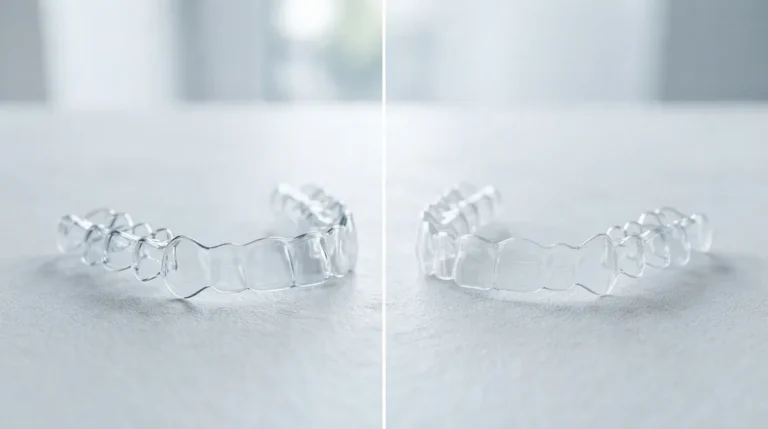
Clear aligners are custom, removable trays that slowly shift your teeth into place. They’re popular because they’re nearly invisible and can be taken out to eat. But not every provider offers the same level of care, technology, or support. That’s why doing a little homework upfront saves you time, money, and frustration later.
How Clear Aligners Actually Work
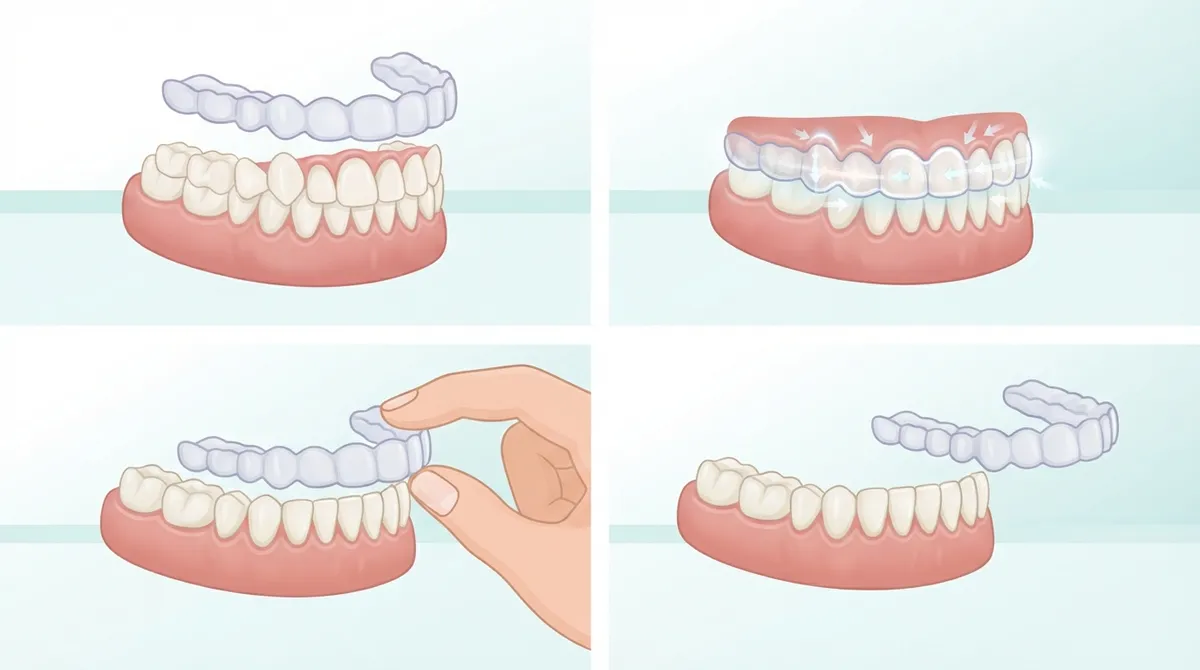
Clear aligner trays apply gentle, steady pressure to move teeth bit by bit. According to the American Association of Orthodontists, aligners are typically worn at least 22 hours a day and swapped for a new set about once a week. Each tray moves your teeth just a fraction of a millimeter, which is why patience and consistency matter so much.
Here’s a simple breakdown of the daily routine most patients follow:
- Wear aligners nearly all day and night, removing them only for meals and drinks other than water
- Brush and floss before putting aligners back in to avoid trapping food or plaque
- Switch to a new tray on schedule, usually weekly, as instructed by your provider
- Attend periodic checkups so your orthodontist can track progress
- Keep aligners clean using recommended cleaning solutions, not hot water
Common Smile Issues Clear Aligners Can Treat
Clear aligners aren’t just for minor tweaks. The AAO notes they can address several common concerns, including:
- Crowded or overlapping teeth
- Noticeable gaps between teeth
- Overbite, where upper teeth extend too far over lower teeth
- Underbite, where lower teeth sit in front of upper teeth
- Crossbite, where some teeth sit inside or outside their normal position
- Open bite, where front teeth don’t touch when your mouth is closed
That said, suitability depends on how severe your case is. Some patients get better, more predictable results with traditional braces or a mix of treatments. This is exactly why a proper evaluation matters more than picking whichever office pops up first in your search. Our common orthodontic problems page walks through these issues in more detail if you want to learn more before your visit.
What Happens During a Local Invisalign Consultation
Your first visit sets the tone for your whole treatment. Here’s what a typical process looks like:
- Initial consultation and dental exam to check your teeth, gums, and bite
- Digital 3D scan or traditional impressions of your teeth
- Review of any needed dental work, like fillings or cleanings, before aligners are made
- Custom treatment plan showing how your teeth will move over time
- Aligner delivery appointment, which may include tooth-colored attachments or elastics
- Regular progress checkups, usually every six to eight weeks
A digital scan often takes just 10 to 15 minutes, while your delivery and instruction appointment might run 45 minutes to an hour. Manufacturing your custom aligners can take several weeks depending on your case and provider. If you want to know exactly what to expect, check out our what happens during an orthodontic evaluation guide.
Why Choosing a Nearby Provider Actually Matters
Sure, you could technically order aligners online without ever seeing an orthodontist in person. But local, doctor-directed care offers real advantages:
- Easier in-person exams to catch problems early
- Convenient attachment placement and adjustments
- Faster help if you lose or break an aligner
- Emergency support if something feels off
- Simple scheduling for retention appointments after treatment ends
If you’re ever dealing with a cracked tray or unexpected discomfort, having a nearby office you trust makes all the difference. Our orthodontic emergency page covers what to do if something urgent comes up.
Orthodontist vs General Dentist: Who Should You See?
Both dentists and orthodontists can offer Invisalign, but there’s a meaningful difference in training. Orthodontists complete extra years of specialty education focused specifically on tooth movement, bite correction, and jaw relationships. The American Association of Orthodontists recommends consulting an orthodontist to figure out whether aligners, braces, or another approach fits your needs best.
| Factor | General Dentist | Orthodontist |
|---|---|---|
| Training Focus | General oral health | Tooth movement & bite correction |
| Specialty Years | Dental school only | 2-3 additional years |
| Complex Case Experience | Varies widely | Extensive, specialized |
| Board Certification | Not typically required | Available through American Board of Orthodontics |
Dr. Flor Segovia is a board certified orthodontist who has spent years focused specifically on smile correction, not general dentistry. That specialized background can make a real difference for more complex bite issues.
What Should You Compare Beyond Location?
Don’t just choose the closest office or the cheapest price tag. Instead, look at the full picture:
- The provider’s orthodontic qualifications and years of experience
- Reviews from real patients about their experience and results
- What’s included in the quoted fee, like retainers and follow-up visits
- How progress is monitored throughout treatment
- Whether they treat cases similar to yours successfully
Reading patient reviews can reveal a lot. You can visit us on Google — Segovia Orthodontics to see what our Lakewood Ranch patients have shared about their own experiences. We also share smile updates and patient stories on our Facebook page and our Instagram page.
Clear Aligner Options Beyond Traditional Invisalign
While Invisalign is a well-known name, it’s not the only clear aligner system worth considering. At our Lakewood Ranch office, we also offer Angel Aligners, which use AI-driven treatment planning and a unique wear schedule to help speed up results. Many patients appreciate that Angel Aligners tend to cost less than premium brands while still using comparable digital planning technology.
For patients who need braces instead of aligners, we offer LightForce Orthodontics, a fully digital, 3D-printed bracket system that’s custom-fitted to your teeth. It can reduce treatment time by up to 45% compared to traditional approaches. Kids and teens who want a more playful option often love WildSmiles Braces, which come in fun shapes like stars, hearts, and even Mickey Mouse designs.
Cost and Insurance: What to Expect
Cost is often the biggest question on people’s minds, and it’s a fair one. According to 2021 OrthoFi data cited by Invisalign, the average orthodontic insurance coverage was $1,772 among insured patients. About 92% qualified for up to $3,000 in coverage, and 77% qualified for up to $2,000. These numbers are historical averages, not guarantees, so your actual benefits depend on your specific plan.
A few tips for managing cost:
- Ask your provider for a full breakdown of what’s included in the quoted price
- Check whether your dental insurance treats clear aligners like traditional braces
- Ask about using HSA or FSA funds, which are often eligible for orthodontic care
- Explore orthodontic financing options if insurance doesn’t cover the full cost
Our team can walk you through your specific coverage during your first visit, so there are no surprises later.
How Long Does Treatment Really Take?
Invisalign’s manufacturer notes that some patients see results in as little as six months, but this varies widely based on your starting point and how consistently you wear your aligners. Mild crowding might resolve faster than a more complex bite correction. Your orthodontist will give you a personalized estimate after your evaluation, since no two smiles move at exactly the same pace.
Compliance plays a huge role here too. Skipping days or losing aligners frequently can stretch out your timeline significantly. That’s part of why in-person support from a nearby office is so valuable, especially if life gets busy and you need a quick check-in or replacement tray.
Life After Aligners: Retention Matters
Finishing active treatment is exciting, but it’s not quite the finish line. Nearly everyone needs a retainer afterward to keep their new smile in place. Teeth naturally want to shift back over time, especially in the months right after treatment ends.
We offer several orthodontic retainers options tailored to your lifestyle and budget. Sticking with your retainer schedule protects the investment you just made in your smile, so don’t skip this step even when treatment feels “done.”
Ready to Find Your Local Invisalign Provider?
Finding the right clear aligner provider comes down to more than a quick search. It’s about trust, experience, and a team that treats you like family. At Segovia Orthodontics in Lakewood Ranch, we combine board-certified expertise with a warm, welcoming environment for patients of every age.
Whether you’re exploring Invisalign, Angel Aligners, or traditional braces, we’re here to help you figure out the best path forward. Ready to get started? Request an appointment today, or feel free to contact us with any questions. You can also call us at 941-557-1333 to speak with our friendly team directly. Your straighter, more confident smile is closer than you think.
FAQs
Q: How do I find the best Invisalign provider near me?
A: Start by checking qualifications, reviews, and experience with cases like yours, not just proximity. A quick consultation can tell you a lot about how comfortable you’ll feel with a provider, so don’t be afraid to ask lots of questions before committing.
Q: How much does Invisalign cost near me, and what’s included?
A: Costs vary based on your case complexity and provider, but many patients qualify for insurance coverage up to $2,000 or more. Always ask what’s included, like retainers and follow-up visits, so you know the full picture before you start.
Q: Is Invisalign covered by dental insurance, HSA, or FSA?
A: Many dental plans cover a portion of clear aligner treatment, and HSA or FSA funds often apply too. Coverage details vary by plan, so it’s worth checking with your insurance provider and asking our team for help understanding your benefits.
Q: Am I a good candidate for Invisalign, or do I need braces?
A: It really depends on the complexity of your bite and alignment issues. Mild to moderate cases often do great with aligners, while more complex bites may need braces or a combination approach, which your orthodontist can determine at your consultation.
Q: Does Invisalign hurt, and what if I lose an aligner?
A: Most patients feel mild pressure for a day or two after switching trays, which is totally normal and temporary. If you lose or damage an aligner, contact your provider right away so they can get you back on track quickly.
Our Service Area