Key Takeaways
-
Choose braces for complex cases with severe crowding, impacted teeth, or major bite problems; select clear aligners for mild to moderate alignment issues and discretion in professional settings.
-
Children should have their first orthodontic evaluation around age 7 to catch early warning signs like crossbites or crowding while jaw development can still be gently guided.
-
Advanced braces systems like LightForce can speed up treatment by up to 45% compared to traditional methods, while smart aligner schedules like Angel Aligners' 7+3 system can accelerate tooth movement.
-
Wearing a retainer faithfully after treatment is essential; skipping this step is the most common reason teeth shift back, potentially requiring a second round of costly treatment.
-
Untreated orthodontic issues increase risk of tooth decay, gum disease, enamel wear, jaw strain, and speech difficulties; poor oral hygiene during treatment—not the treatment itself—raises risks like enamel damage.
-
Nearly 46% of people globally need some form of orthodontic treatment, making professional evaluation crucial to determine whether your specific case requires braces, aligners, expanders, or combination therapy.
Let’s be honest: figuring out orthodontic issues solutions can feel overwhelming. Maybe you noticed your child’s teeth coming in crooked. Maybe you’re an adult staring in the mirror wondering why your smile shifted since your teenage braces days. Or perhaps you’re gearing up for a wedding, graduation, or big job interview and want a straighter smile fast. Whatever brought you here, you’re in the right place, and we promise this doesn’t have to be confusing.
At Segovia Orthodontics, we meet families, young professionals, and busy parents every day who have the same question: braces or aligners, and which one actually fixes my problem? The good news is that most orthodontic issues have more than one solution, and the right choice depends on your specific bite, your lifestyle, and your goals. Let’s walk through the most common problems and compare the treatments side by side, so you can feel confident about your next step.
What Counts as an Orthodontic Issue, Anyway?
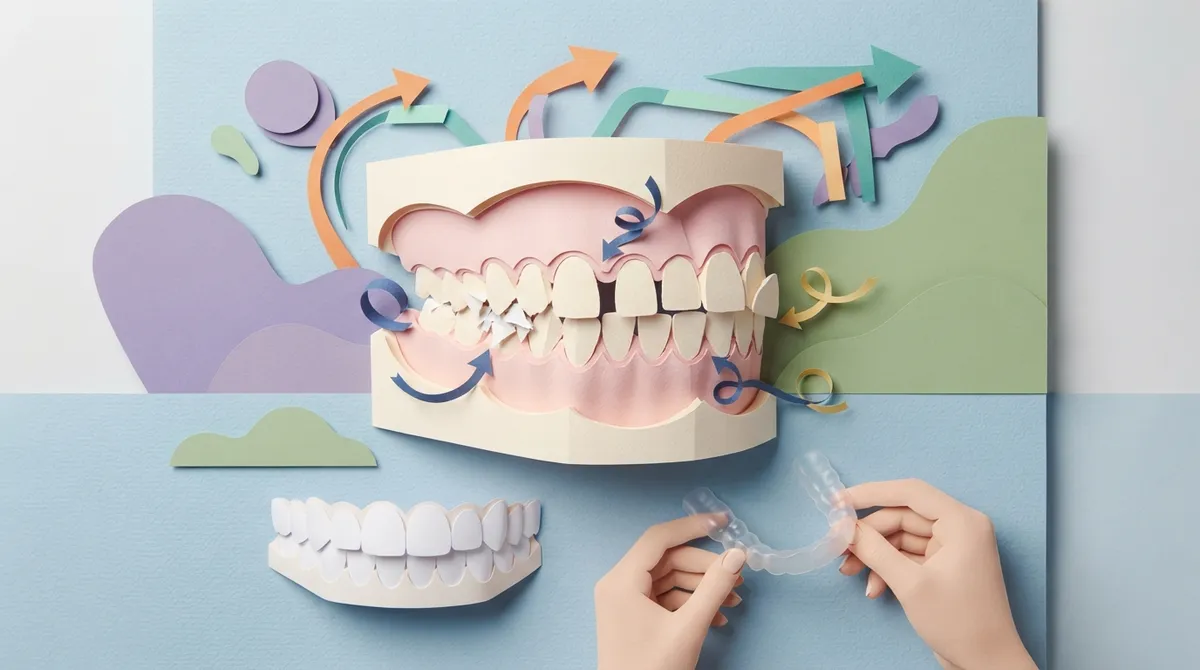
Orthodontic issues are basically problems with how your teeth and jaws line up. Dentists call this malocclusion, which is just a fancy word for a bite that doesn’t fit together the way it should. This can affect chewing, speaking, cleaning your teeth, and even your confidence.
Here are the most common types our patients deal with:
- Crowding, where teeth don’t have enough room and overlap each other
- Spacing, or gaps between teeth
- Overbite, where the top teeth sit too far over the bottom teeth
- Underbite, where the bottom jaw sticks out past the top
- Crossbite, where some upper teeth sit inside the lower teeth
- Open bite, where the front teeth don’t touch when the mouth is closed
- Protruding teeth, or teeth that stick out too far
- Impacted teeth, which are stuck under the gums and can’t come in normally
A 2019 worldwide review found that nearly 46 percent of people need some form of orthodontic treatment. So if you’re dealing with one of these issues, you’re definitely not alone. The World Health Organization also estimates that facial and dental irregularities affect roughly 10 percent of people globally, though this number shifts depending on age and location.
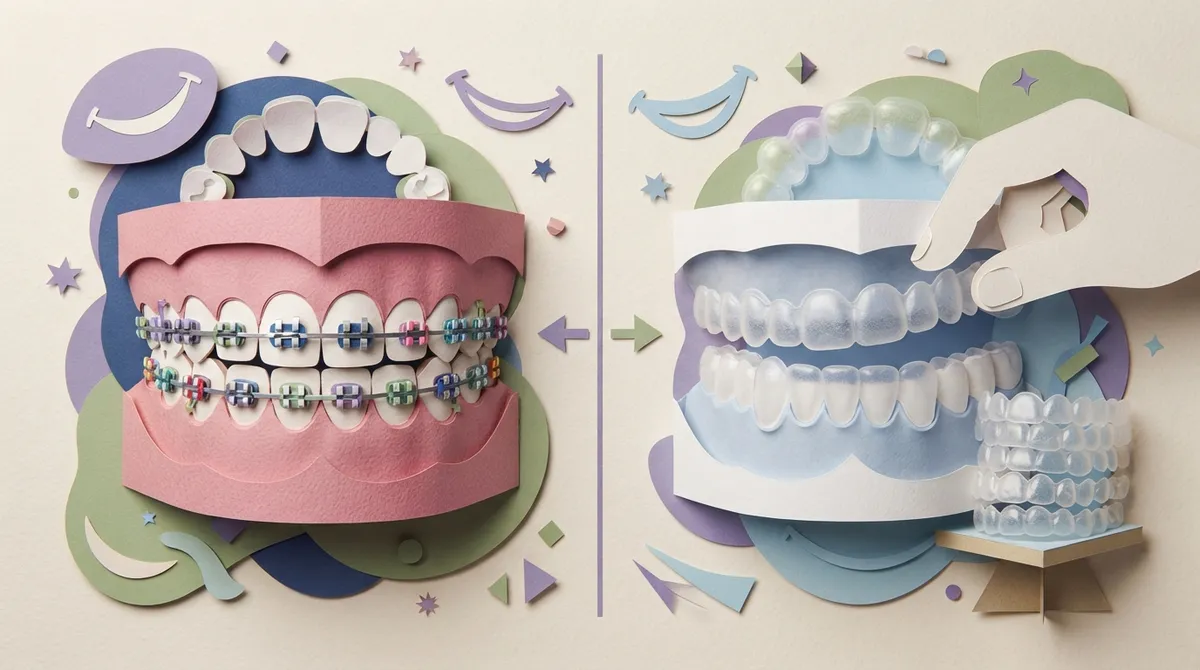
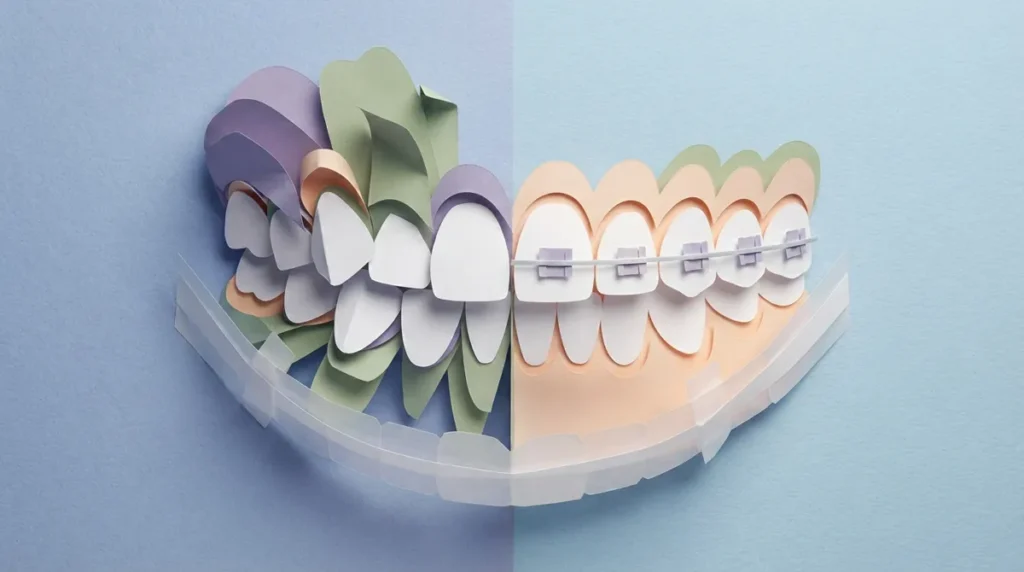
Braces vs. Aligners: The Big Comparison
This is the question we hear most at our Lakewood Ranch practice. Both braces and clear aligners can fix many orthodontic problems, but they work differently and fit different lifestyles. Let’s break it down.
| Factor | Traditional Braces | Clear Aligners |
|---|---|---|
| Best for | Complex bites, severe crowding, jaw issues | Mild to moderate alignment problems |
| Visibility | Visible, though ceramic options are subtle | Nearly invisible |
| Removable? | No, fixed to teeth | Yes, removable for eating and brushing |
| Maintenance | Careful brushing around brackets | Daily cleaning of trays required |
| Treatment time | Typically 6 to 30 months | Often similar, sometimes faster with newer systems |
Here’s the truth: neither option is automatically “better.” It depends on what your teeth need. That’s why a real evaluation matters so much, and it’s something we always recommend before jumping to conclusions based on what you see online. If you want to understand this decision in more depth, check out our full breakdown of braces versus clear aligners and which one fits your situation.
When Braces Are the Better Choice
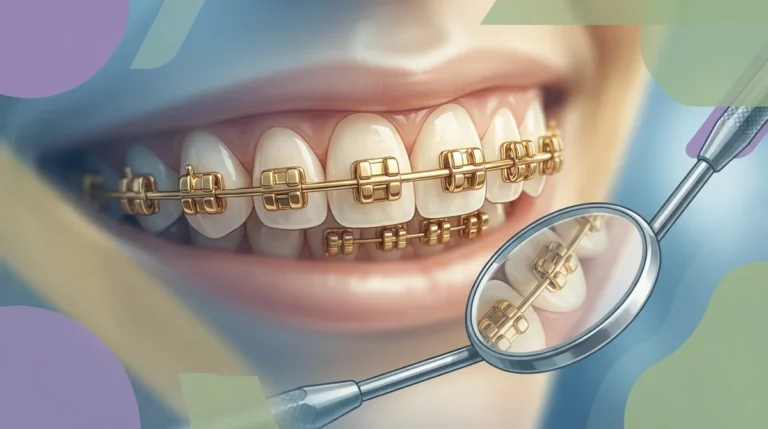
Fixed braces use brackets and wires, sometimes with rubber bands, to move teeth in very specific directions. This gives orthodontists precise control, which matters for tricky cases. Braces tend to win when you’re dealing with:
- Severe crowding that needs significant tooth movement
- Impacted teeth that haven’t come in properly
- Major bite problems like deep overbites or underbites
- Cases where a patient may not reliably wear removable trays
- Situations requiring jaw expanders or other fixed appliances
We offer two standout braces options at our practice. WildSmiles Braces use fun shapes like stars, hearts, and even Mickey Mouse designs, which make treatment exciting for kids and teens. Fun brackets actually encourage better brushing, since kids want to see their cool shapes clearly through clean teeth. We also offer LightForce Orthodontics, a fully digital, 3D-printed braces system custom-fit to each tooth. This technology can speed up treatment by up to 45 percent compared to older methods, while keeping brackets subtle and comfortable.
When Clear Aligners Make More Sense
Clear aligners are custom, see-through trays you swap out every week or two. They’re removable, which busy professionals and image-conscious young adults tend to love. Aligners work well for:
- Mild to moderate crowding or spacing
- Minor bite corrections
- Adults who had braces before and are dealing with slight relapse
- People who want a discreet option for work or social events
- Patients who are disciplined about wearing trays 20 to 22 hours a day
Our office offers Clear Aligners including Angel Aligners, which use a smart “7+3” wear schedule. You wear a flexible tray for seven days, then switch to a firmer tray for three days. This can speed up movement and cut down on extra office visits. Angel Aligners also use a frosted finish to reduce shine, so they’re even harder to spot in photos or during conversations.
It’s worth noting that complex tooth movements, severe bite problems, or impacted teeth often need braces, expanders, or combined treatment. Aligners alone can’t always finish the job in tougher cases.
Solutions for Specific Orthodontic Problems
Let’s get more specific. Different issues call for different tools in the orthodontic toolbox.
Crowded or Crooked Teeth
Crowding happens when there isn’t enough space for all your teeth. Solutions may include braces, aligners, expanders to widen the arch, or in some cases, removing a tooth to create room. Learn more in our guide on how to fix misaligned teeth and get the straighter smile you want.
Overbites and Underbites
These bite problems often need braces with elastics to guide the jaw into better position. Growing children may benefit from functional appliances that work with natural jaw development. For adults, severe skeletal cases sometimes need orthognathic surgery combined with braces, though this is reserved for the most serious situations. Check out our detailed look at underbite correction options if this sounds like your situation.
Gaps Between Teeth
Spacing issues usually respond well to either braces or aligners, depending on severity and the number of gaps involved.
Crossbites
These often need expanders, especially in growing kids, since a narrow upper jaw is easier to correct while the bones are still developing.
Why Age Matters in Treatment Planning
Concerned parents often ask, “When should my child first see an orthodontist?” The general guidance is around age 7. At this age, an orthodontist can spot early warning signs like crossbites, crowding, or jaw growth problems while there’s still time to guide development gently. Early treatment doesn’t always mean starting braces right away. Sometimes it just means monitoring growth and stepping in at the right moment.
Teens have their own needs too. Busy schedules with sports, school, and social lives mean they need durable, low-maintenance options. Adults, meanwhile, often return for treatment because their teeth shifted after not wearing a retainer, or because they simply never got braces as kids and are finally ready to invest in their smile.
Steps to Get Your Orthodontic Issue Solved
Feeling ready to take action? Here’s a simple path forward:
- Schedule a professional evaluation, which may include photos, digital scans, and X-rays
- Discuss your goals, whether it’s health, comfort, or a specific event like a wedding
- Review your treatment options, including braces, aligners, or a combination
- Ask about financing so cost doesn’t stand in your way
- Commit to good oral hygiene throughout treatment
- Follow your orthodontist’s instructions closely, including wear time for aligners
- Wear your retainer faithfully once treatment is complete
Skipping steps, especially the retainer step, is one of the biggest regrets we hear from patients. Teeth can shift throughout life, and without a retainer, all that hard work can slowly reverse.
What Happens If You Wait?
It’s tempting to put off treatment, especially as a busy adult juggling work and family. But untreated orthodontic issues can lead to real problems over time, including:
- Increased risk of tooth decay and gum disease from hard-to-clean crowded teeth
- Uneven wear on tooth enamel
- Jaw discomfort or strain from an unbalanced bite
- Speech difficulties in some cases
- Lower confidence when smiling or speaking in public
The NHS notes that treatment risks like enamel damage or gum recession are more likely when oral hygiene is poor during treatment, not because of the treatment itself. This is why we always emphasize brushing, flossing, and regular checkups alongside your orthodontic plan.
Why Choose Segovia Orthodontics for Your Treatment
Dr. Flor Segovia is a board-certified orthodontist who brings advanced technology and genuine warmth to every visit. She’s bilingual in English and Spanish, so language is never a barrier to great care. Our Lakewood Ranch office was built to feel welcoming for kids, teens, and adults alike, whether you’re bringing your seven-year-old for a first checkup or coming in yourself after years of wondering “what if.”
We’re proud to offer flexible financing, because we believe a straighter smile shouldn’t be out of reach. You can learn more about our credentials on our Board Certified Orthodontist page, or see why so many local families trust us by visiting our Why Choose Us page. You can also read what real patients say by checking Visit us on Google — Segovia Orthodontics, or connect with our community on our Facebook page and our Instagram page for smile transformations and behind-the-scenes updates.
For families wondering what to expect, our First Orthodontic Visit guide walks you through the whole process, so nothing feels like a surprise. And if you’re a busy adult exploring Adult Orthodontics, know that you’re joining a growing group of grown-ups reclaiming their smiles on their own schedule.
Caring for Your Smile After Treatment
Once your braces come off or your last aligner tray is finished, the job isn’t quite done. Retention is the final, essential piece of the puzzle. Orthodontic Retainers hold your teeth in their new position while your bone and gum tissue adjust. Skipping retainer wear is one of the most common reasons people see their smile slowly relapse, sometimes leading them right back to us years later for a second round of treatment.
To recap the essentials for lasting results:
- Wear your retainer exactly as instructed, especially in the first year
- Keep up with regular dental cleanings
- Address grinding, thumb sucking, or mouth breathing habits early
- Return for checkups if you notice any shifting
Your Next Step Toward a Confident Smile
Orthodontic issues solutions don’t have to be a mystery, and they definitely don’t have to be scary. Whether you need braces, aligners, or a bit of both, the right plan starts with a real conversation about your teeth, your goals, and your lifestyle. Our team at Segovia Orthodontics is here to make that conversation easy, friendly, and pressure-free.
Ready to get started? We’d love to meet you and your family. Feel free to request an appointment today, or if you have questions first, simply contact us to chat with our friendly team. You can also call us at 941-557-1333 and we’ll walk you through everything, no pressure, just honest guidance toward the smile you deserve.
FAQs
Q: What are the most common orthodontic problems and how are they treated?
A: The most common issues are crowding, spacing, overbites, underbites, and crossbites. Most of these can be treated with braces, clear aligners, or expanders, depending on how severe the problem is. A quick evaluation with our team can tell you exactly which path fits your smile best.
Q: Can clear aligners fix an overbite, underbite, crowding, or crossbite?
A: Clear aligners can handle many mild to moderate cases of these issues, but severe bite problems often need braces or additional appliances. We’ll check your specific case and let you know honestly what will work best, no guessing required.
Q: At what age should a child have an orthodontic evaluation?
A: Around age 7 is the sweet spot for a first evaluation, even if your child doesn’t need treatment yet. This lets us catch potential issues early, while there’s still room to guide jaw growth gently.
Q: How long does orthodontic treatment usually take?
A: Most treatments take somewhere between 6 and 30 months, depending on the complexity of your case and how consistently you follow instructions. Some advanced systems, like LightForce braces, can even shorten that timeline significantly.
Q: Do adults with crooked teeth or bite problems need orthodontic treatment?
A: Adults absolutely can and do benefit from orthodontic treatment, whether it’s a first-time fix or correcting relapse after old braces. It’s never too late to invest in a healthier, more confident smile, and we see adults thrive in treatment every single day.
Our Service Area