Key Takeaways
-
Traditional braces are superior for complex orthodontic problems like severe crowding, large gaps, major rotations, and significant bite misalignment, while Invisalign works best for mild to moderate cases.
-
Invisalign requires 20-22 hours daily wear and high patient responsibility for success, whereas traditional braces work 24/7 without depending on daily compliance, making braces better for younger children.
-
Treatment timelines differ significantly: braces typically take 12-36 months for complex cases, while Invisalign can complete mild cases in 6-18 months, with LightForce technology reducing braces time by up to 45%.
-
Cost ranges are comparable ($3,000-$7,000 for braces vs $3,500-$8,000 for Invisalign), but exact pricing depends on case complexity, so personal evaluation provides the clearest picture for budget planning.
-
Invisalign offers lifestyle advantages like removable trays for eating and brushing, making it ideal for professionals and those with upcoming milestone events, while braces require special flossing tools and food restrictions.
-
Angel Aligners provide a budget-friendly alternative to premium aligners with AI-driven planning and a unique 7+3 wear schedule, potentially reducing office visits while maintaining comparable treatment effectiveness.
Staring at your smile in the mirror and wondering if it’s finally time to fix those crooked teeth? You’re definitely not alone. Every day, parents, professionals, and even grandparents walk into orthodontic offices asking the same big question: traditional braces vs Invisalign, which one is actually right for me? The good news is there’s no wrong answer here, just the answer that fits your life, your smile goals, and your budget. At Segovia Orthodontics in Lakewood Ranch, we help patients of every age make this exact decision every single week.
Dr. Flor Segovia and her team know that choosing between wires and trays isn’t just about looks. It’s about lifestyle, comfort, treatment time, and how much responsibility you want to take on. This guide breaks down everything you need to know in plain, friendly language, so you can walk into your consultation feeling confident instead of confused.
What Makes Traditional Braces and Invisalign So Different?
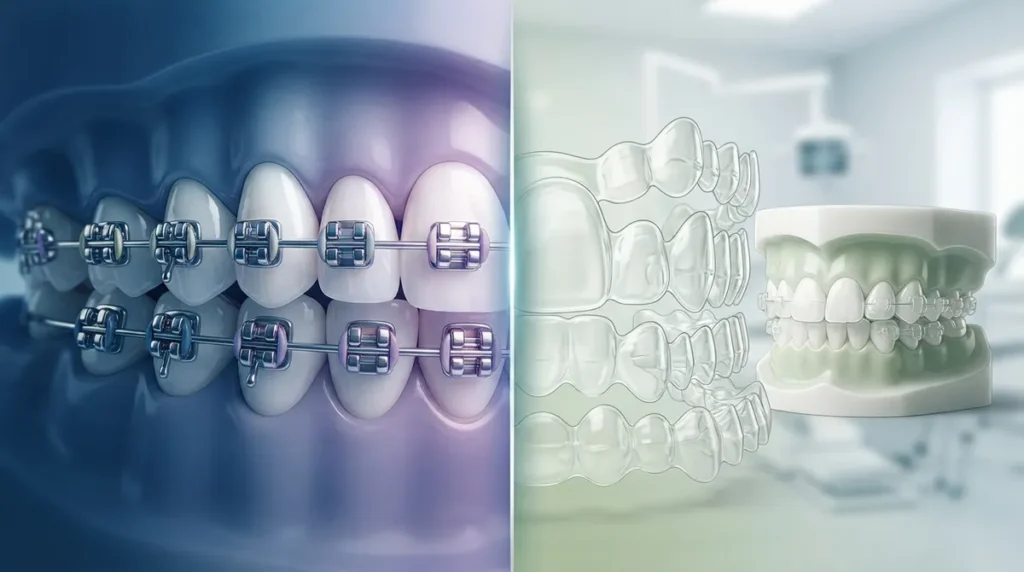
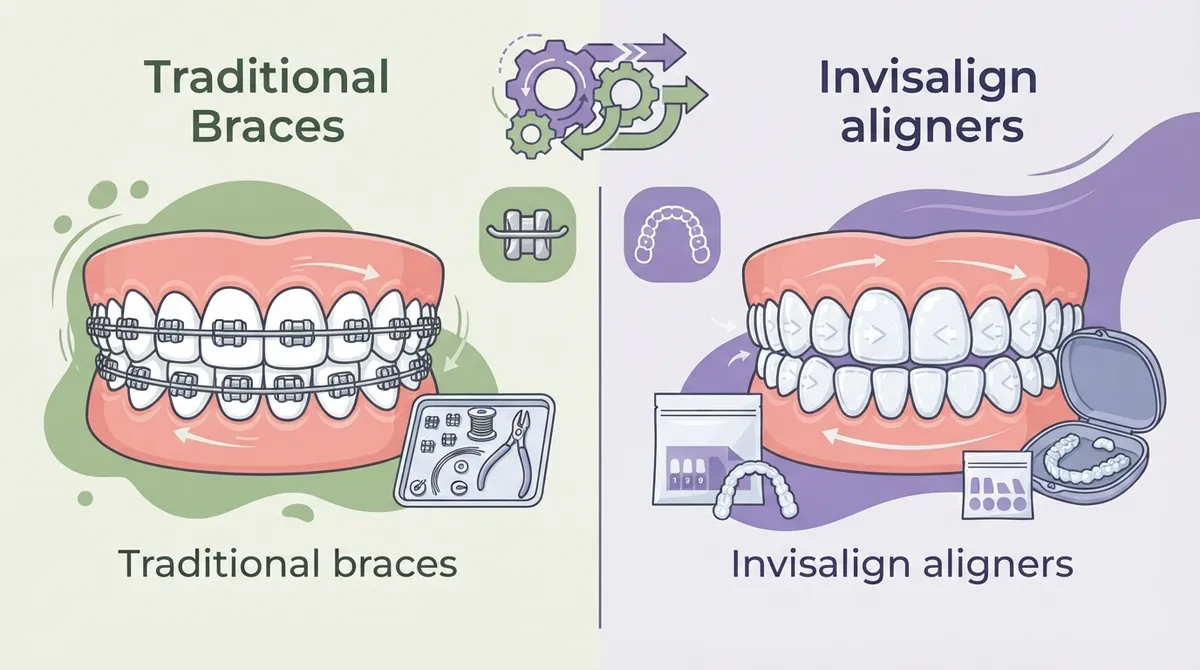
Traditional braces and Invisalign both move teeth into better positions, but they do it in completely different ways. Braces use brackets bonded to each tooth, connected by a metal wire that gets adjusted over time. This system works around the clock, applying steady pressure without needing you to do anything extra.
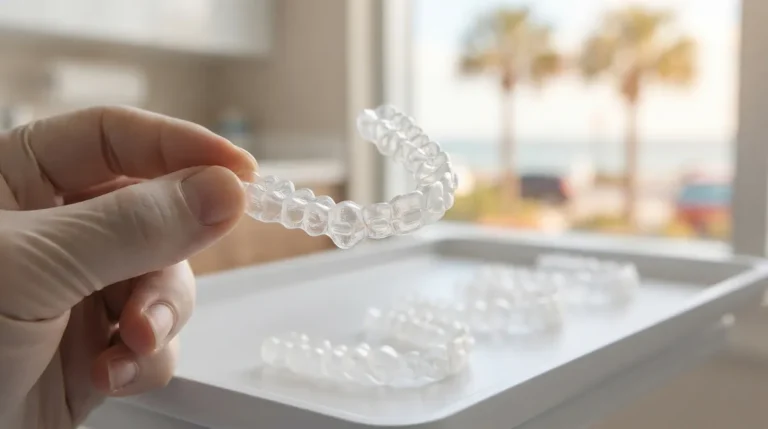
Invisalign, on the other hand, uses a series of clear, removable trays custom-made for your teeth. Each tray shifts your teeth slightly, and you move to a new one every couple of weeks. Since the aligners are removable, success depends heavily on you actually wearing them as instructed.
How Each Treatment Actually Works
- Braces stay on your teeth 24/7 and don’t rely on your daily habits to work correctly.
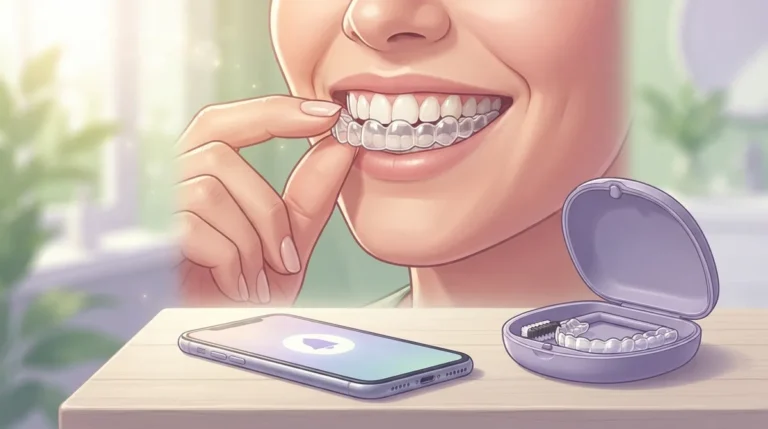
- Invisalign trays must be worn about 20 to 22 hours a day to stay on track.
- Braces use wires and brackets that get tightened during regular office visits.
- Invisalign uses a new tray roughly every one to two weeks as your teeth shift.
- Both systems rely on a treatment plan created by your orthodontist based on your specific bite and smile goals.
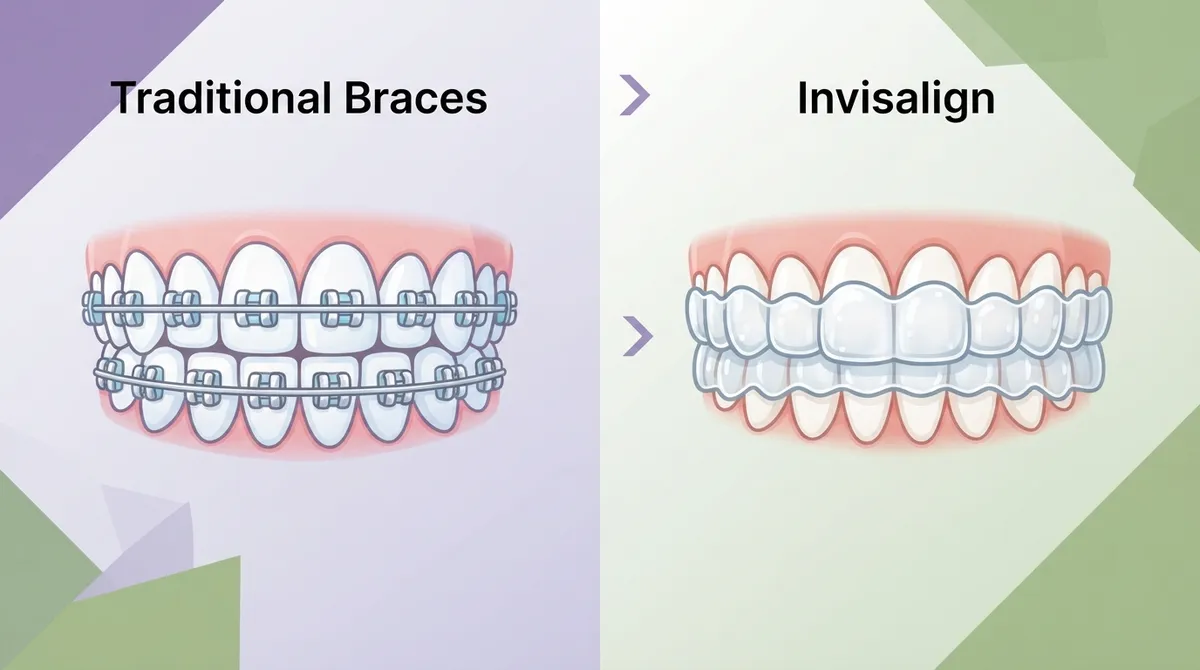
Traditional Braces vs Invisalign: Comparing the Basics
Let’s put the facts side by side so you can see exactly how these two treatments stack up. This comparison is especially helpful if you’re the type who likes to see the numbers before making a decision.
| Feature | Traditional Braces | Invisalign |
|---|---|---|
| Visibility | Visible metal or ceramic brackets | Nearly invisible clear trays |
| Average Treatment Time | 12 to 36 months | 12 to 18 months (adults), sometimes shorter for mild cases |
| Removability | Fixed, cannot remove at home | Removable for eating and brushing |
| Best For | Complex crowding, gaps, rotations, bite issues | Mild to moderate misalignment |
| Estimated Cost | $3,000 to $7,000 | $3,500 to $8,000 |
| Patient Responsibility | Low daily effort required | High, requires consistent wear |
Keep in mind these numbers are general ranges. Your exact cost and timeline depend on how complex your case is, so a personal evaluation always gives you the clearest picture.
Which Option Handles Complex Cases Better?
Here’s something a lot of people don’t realize until they sit down for a consultation: braces are usually the stronger choice for more complicated orthodontic problems. If you’re dealing with severe crowding, large gaps, major rotations, or significant bite misalignment, braces tend to deliver more predictable and thorough results.
Invisalign shines in mild to moderate cases. Research has actually found that aligners can produce results similar to braces for simple Class I malocclusions, though treatment may take a bit longer. One study noted aligners needed about 4.8 more months compared to braces for these simpler cases, even though the final results were quite similar.
Common Orthodontic Problems and Best Treatment Fit
- Severe crowding: Traditional braces usually work best here.
- Large gaps between teeth: Braces often provide more precise control.
- Mild spacing or minor crowding: Invisalign can be a great fit.
- Bite misalignments like overbites or underbites: Braces are typically favored for complex bite corrections.
- Rotated teeth needing significant movement: Braces generally offer more predictable rotation control.
If you’re unsure which category your smile falls into, our page on common orthodontic problems is a great place to start learning more.
Lifestyle Factors: Which Fits Your Daily Routine?
This is where a lot of patients make their final decision. Life gets busy, and your orthodontic treatment needs to work with your schedule, not against it.
Why Concerned Moms Often Consider Both Options
If you’re a mom juggling school schedules, sports practices, and everything in between, you probably want a treatment that’s low-maintenance and forgiving. Traditional braces don’t require remembering to put anything back in, which can be a relief for younger kids who might lose or forget aligner trays. Our WildSmiles Braces even let kids choose fun bracket shapes like stars, hearts, or Mickey Mouse designs, making the whole experience way more exciting for younger patients.
Why Young Professionals Often Lean Toward Invisalign
For adults working in client-facing roles, appearance matters. Invisalign’s discreet trays let you straighten your smile without anyone even noticing you’re in treatment. Many young professionals appreciate being able to remove trays for important meetings, dinners, or presentations, then pop them back in afterward.
Why Career-Focused Adults Want Speed and Efficiency
If your calendar is packed with meetings and deadlines, you probably want the fastest path to a straighter smile. This is exactly where LightForce Orthodontics comes in. This fully digital bracket system can reduce treatment time by up to 45% compared to traditional approaches, all while offering clear or white brackets for a more subtle look.
Special Considerations for Different Life Stages
Getting Ready for a Big Milestone
Got a wedding, graduation, or big career event coming up? Timing matters a lot here. Traditional braces generally take longer, ranging from 18 to 36 months for more involved cases, while some milder Invisalign cases can wrap up in 6 to 18 months. A consultation early on gives you the best shot at finishing treatment before your big day.
Adults Correcting Relapse From Past Treatment
If you had braces as a teenager but your teeth have shifted back over the years, you’re definitely not alone. This is incredibly common, and the good news is you’re often a great candidate for either option since you already know how to stick with a treatment plan. Many adult relapse patients appreciate Invisalign for its subtlety, though braces remain an option if your relapse involves more significant shifting.
Comfort, Cleaning, and Daily Care
Cleaning your teeth looks pretty different depending on which treatment you choose. Since Invisalign trays come out, you can brush and floss just like you normally would. Braces require a bit more effort, including special flossing tools and extra care around brackets and wires.
- Invisalign allows you to eat whatever you want since trays come out during meals.
- Braces come with some food restrictions to avoid damaging brackets or wires.
- Invisalign trays should be cleaned daily to avoid buildup and odor.
- Braces require careful brushing around each bracket to prevent plaque buildup.
- Regular checkups matter for both treatments to track progress and catch issues early.
Curious about which foods to avoid during treatment? Check out our guide on all about braces for helpful tips.
How Angel Aligners Offer a Modern Alternative
If you like the idea of clear aligners but want something even more budget-friendly, Angel Aligners might be worth exploring. This system uses AI-driven treatment planning along with a unique 7+3 wear schedule, meaning you wear a flexible tray for seven days followed by a firmer tray for three days. This approach can speed up tooth movement while often reducing the number of office visits needed.
Angel Aligners also come with a frosted finish to minimize shine, plus flexible materials designed for extra comfort. Because of efficient manufacturing, they typically cost less than premium aligner brands while still using comparable 3D digital planning technology.
Steps to Decide Which Treatment Is Right for You
- Schedule a consultation to get a full evaluation of your teeth and bite.
- Discuss your daily lifestyle, including work, school, and activities.
- Ask about expected treatment timelines for your specific case.
- Review cost and financing options that fit your budget.
- Consider how much responsibility you want for daily compliance.
- Talk through aesthetic preferences, including visibility and comfort.
- Make your decision with guidance from a board-certified orthodontist.
Our first orthodontic visit page walks you through exactly what to expect at your initial appointment, so nothing feels like a surprise.
Why Working With a Board-Certified Orthodontist Matters
Both traditional braces and Invisalign require skilled planning to work properly. Dr. Flor Segovia is a board-certified orthodontist who stays current with the latest techniques in both wire-based and aligner-based treatments. According to the American Board of Orthodontics, board certification means an orthodontist has gone through additional rigorous testing beyond dental school, which adds an extra layer of trust when choosing your provider.
Our office also uses advanced orthodontic technology to create precise, personalized treatment plans for every single patient who walks through our doors in Lakewood Ranch.
Making Orthodontic Treatment Affordable
Cost is often the deciding factor for many families. Traditional braces generally run between $3,000 and $7,000, while Invisalign often falls between $3,500 and $8,000, though your exact price depends on complexity and treatment length. Flexible financing options can make either treatment more manageable on a monthly basis. Learn more about your options through our orthodontic financing page.
Want to see real results from real patients? Follow along on our Facebook page or check out smile transformations on our Instagram page. You can also see what our Segovia Orthodontics patients say by visiting our Google Business Profile and reading real reviews from families right here in Lakewood Ranch.
Ready to Choose the Right Treatment for Your Smile?
Deciding between traditional braces vs Invisalign doesn’t have to feel overwhelming. Every smile is different, and that’s exactly why a personalized consultation matters so much. Whether you’re a busy parent, a professional preparing for a big event, or an adult ready to finally fix relapse from years ago, there’s a treatment path built for you.
Our friendly team at Segovia Orthodontics in Lakewood Ranch is here to answer every question and guide you through the entire process with warmth and expertise. Ready to get started? Request an appointment today, or feel free to contact us with any questions. You can also simply call us at 941-557-1333 to speak with our team directly. Your best smile is closer than you think, and we can’t wait to help you get there!
FAQs
Q: Which is better: traditional braces or Invisalign?
A: It really depends on your specific smile needs. Braces tend to win for complex crowding, big gaps, and bite issues, while Invisalign is often loved for its discreet look in milder cases. The best way to know for sure is with a personalized evaluation from your orthodontist.
Q: Are braces faster than Invisalign?
A: Sometimes! For complex cases, braces can actually move teeth more efficiently since they work around the clock. But for milder cases, Invisalign can sometimes finish faster, especially with modern systems like LightForce that speed things up significantly.
Q: Can Invisalign treat severe bite problems?
A: Invisalign can handle many bite issues, but severe bite misalignments are usually better suited for traditional braces. Your orthodontist can review your bite and let you know exactly which option gives you the most predictable results.
Q: Do braces cost less than Invisalign?
A: Generally, yes, braces tend to start a bit lower in price, though both treatments have overlapping cost ranges. Braces typically run $3,000 to $7,000, while Invisalign often falls between $3,500 and $8,000 depending on your case.
Q: How many hours a day do you need to wear Invisalign?
A: You’ll want to wear your Invisalign trays about 20 to 22 hours each day for the best results. That leaves plenty of time to remove them for meals, brushing, and special occasions, but consistency really is the key to success.
Our Service Area