Key Takeaways
-
Adults must wear Invisalign aligners 20-22 hours daily to maintain proper fit and avoid treatment delays; skipping wear time can stretch out your timeline or require extra trays.
-
Professional in-person exams with digital scans and X-rays are essential before starting treatment, as online quizzes cannot detect gum disease, bone loss, or bite problems that may require special attention.
-
Most adult Invisalign treatment costs $3,000-$8,000 with dental insurance typically covering up to $3,000; 92% of plans offer some orthodontic coverage, so check your policy before committing.
-
Treatment duration averages 13-18 months depending on crowding severity, with mild cases taking about 13.4 months and severe cases nearly 18 months; actual timelines vary based on compliance and refinement needs.
-
Lifelong retainer wear is non-negotiable after treatment ends; teeth naturally shift throughout life, and skipping retainers is the most common reason for relapse after finishing active treatment.
-
Invisalign works for mild-to-moderate crowding, gaps, and relapse, but complex cases involving missing teeth, implants, or gum disease may need additional planning or alternative treatments like LightForce braces.
Maybe you’re scrolling through old photos and noticing your teeth have shifted since high school. Or perhaps you’ve always wanted straighter teeth but dreaded the idea of metal brackets at a work meeting. You’re not alone. More grown-ups than ever are saying yes to clear aligners, and the numbers back it up. In 2024, about 1.91 million adults were actively using Invisalign in the United States, up from 1.64 million just two years earlier. That’s a huge jump, and it tells us something important: adults are done waiting for a smile they love.
Invisalign for adults isn’t just a cosmetic trend. It’s a clinician-guided treatment that gently moves your teeth using a series of custom, clear trays. Whether you’re a busy parent, a professional prepping for a big presentation, or someone who had braces years ago and noticed your teeth drifting back, this guide will walk you through everything you need to know. We’ll keep things simple, friendly, and straight to the point, just like a good chat with your orthodontist should be.
What Makes Invisalign a Good Fit for Grown-Up Smiles?
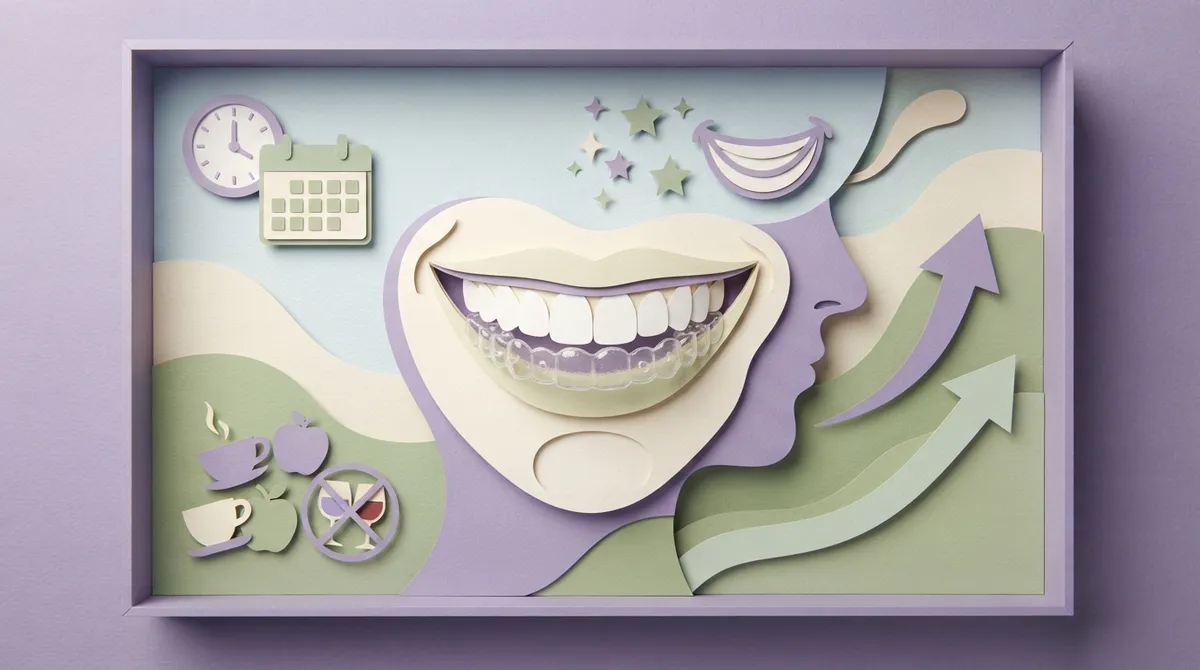
Invisalign uses clear, removable trays instead of metal wires and brackets. Adults tend to love this because it fits into a busy, image-conscious lifestyle. You can take the trays out to eat, brush, and give presentations without anyone noticing you’re mid-treatment.
But here’s the thing: Invisalign isn’t just about looks. It’s a real medical treatment that needs a real diagnosis. A remote photo or a quick online quiz can’t tell if you have gum disease, bone loss, or a bite problem that needs special attention. That’s why an in-person exam with digital scans and X-rays matters so much before you start.
Common Issues Invisalign Can Treat in Adults
- Mild to moderate crowding or crooked teeth
- Gaps and spacing between teeth
- Relapse after wearing braces years ago
- Some overbites, underbites, and crossbites
- Certain open bite cases
- Minor rotations and alignment tweaks
Not every case is simple, though. Adults with missing teeth, dental implants, crowns, or gum disease may still be candidates, but they usually need extra planning. This is where a thorough checkup, like the ones offered during a first orthodontic visit, becomes so valuable.
Are You a Good Candidate for Invisalign?
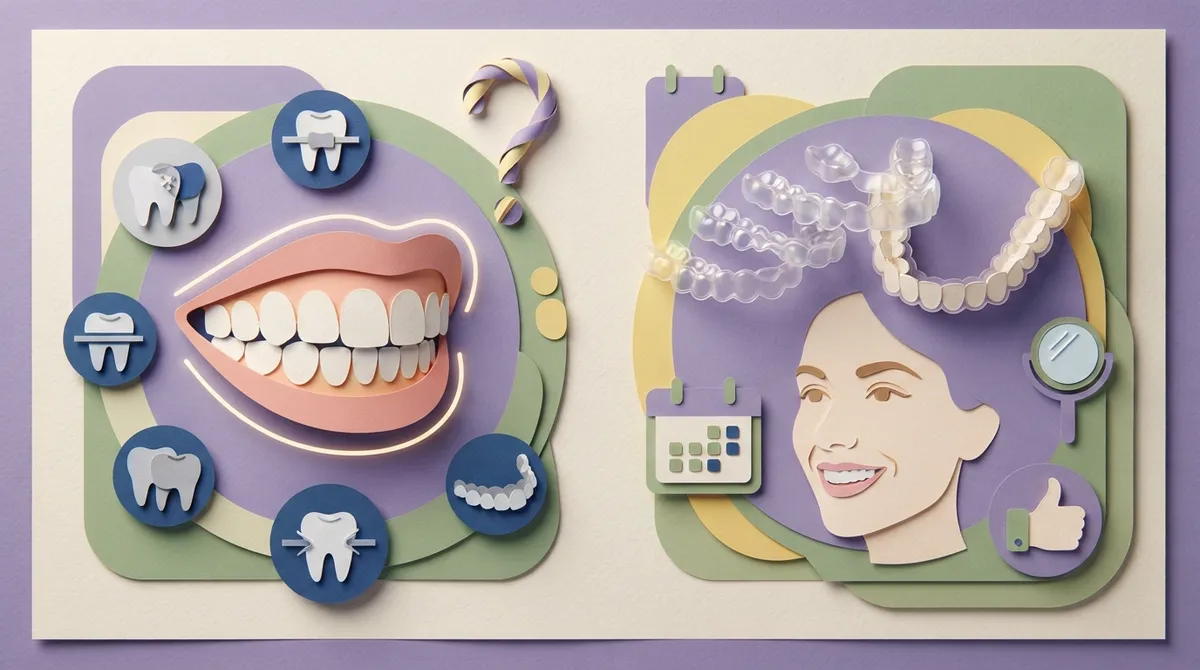
Age alone doesn’t disqualify anyone. Whether you’re 32 or 62, your bone health and gum condition matter more than the number of candles on your last birthday cake. Adults sometimes move teeth more slowly than teens because of differences in bone biology, but that doesn’t mean treatment won’t work. It just means your board certified orthodontist may plan things a bit differently.
Steps to Find Out If Invisalign Is Right for You
- Schedule a consultation for a full medical and dental history review.
- Get a clinical exam, including digital scans and X-rays.
- Discuss your goals, whether it’s fixing crowding, closing gaps, or correcting relapse.
- Review your treatment plan, including estimated timeline and cost.
- Ask about attachments, refinements, and what happens if your case gets complex.
- Confirm your retainer plan for after treatment ends.
This process helps avoid surprises later. It also gives you a clear picture of whether aligners alone will work, or if you might need traditional braces or a combination approach instead.
How Long Does Invisalign Treatment Take for Adults?
Treatment time varies a lot based on how much movement your teeth need. A 2019 review found average treatment times of about 13.4 months for mild crowding, nearly 16 months for moderate crowding, and almost 18 months for severe crowding. Most adult cases fall somewhere between 12 and 18 months, though some simpler cases wrap up faster and more complex ones take longer.
| Crowding Severity | Average Treatment Time |
|---|---|
| Mild | About 13.4 months |
| Moderate | About 15.9 months |
| Severe | About 17.9 months |
Keep in mind these are averages, not promises. Your actual timeline depends on your bite, your compliance, and whether you need refinements along the way.
How Many Hours a Day Should You Wear Your Aligners?
This part is simple but crucial: wear your aligners for 20 to 22 hours a day. That leaves a small window for eating, drinking anything besides water, and brushing your teeth. If you slack off here, your aligners might stop fitting properly, which can stretch out your treatment time or require extra trays.
Tips to Stay on Track with Wear Time
- Set phone reminders to pop your aligners back in after meals
- Keep a travel case with you so you never toss them by accident
- Brush and floss right after eating so you can reinsert trays quickly
- Swap in a new tray before bed so mornings feel effortless
- Track your wear time using the companion app if your provider offers one
Adults tend to be great at sticking to routines, which is one reason clinicians often see adult patients as reliable, compliant, and motivated to finish strong.
What Does Invisalign Cost, and Will Insurance Help?
Cost is usually the biggest question on everyone’s mind. Published estimates place full adult Invisalign treatment somewhere between $3,000 and $8,000, with more complex cases sometimes reaching $9,500 or higher. Your final price depends on your location, the complexity of your case, and what’s included in your treatment package.
The good news is that dental insurance sometimes helps. One analysis of over 112,000 insured patients found average orthodontic coverage of $1,772, with 92% of plans covering up to $3,000. Many plans cap out around that $3,000 mark, though adult eligibility and waiting periods vary widely.
Questions to Ask About Cost Before You Commit
- Does the quoted price include your initial scans and consultations?
- Are refinement trays included if your teeth need extra tweaking?
- Is a retainer included after treatment finishes?
- What happens if you lose or break a tray?
- Does your insurance plan include adult orthodontic coverage?
- Are there financing or payment plan options available?
Many practices, including ours, offer flexible financing options to help spread out the cost so a straighter smile doesn’t feel out of reach.
What Are the Risks and Side Effects?
Like any dental treatment, Invisalign comes with a few things to watch for. Most side effects are mild and temporary, but it helps to know what’s normal and what’s worth calling your orthodontist about.
Common Short-Term Effects
- Pressure or soreness when you switch to a new tray
- Minor changes in speech during the first few days
- Increased saliva production at first
- Mild irritation on the cheeks or gums
Less Common but Important Risks
- Cavities or gum inflammation from poor hygiene habits
- Root resorption in rare cases
- Bite changes if the treatment plan wasn’t tailored correctly
- Relapse if retainers aren’t worn as instructed
According to guidelines discussed by the American Board of Orthodontics, professional supervision throughout treatment is key to catching small issues before they become big ones. This is one reason working with a trained provider matters so much more than trying an unsupervised, mail-order aligner option.
Do You Really Need a Retainer After Invisalign?
Yes, and this part is non-negotiable. Teeth naturally want to shift throughout your life, even into your 40s, 50s, and beyond. Most patients wear retainers full-time for a while after treatment, then switch to nighttime wear long-term. Skipping this step is one of the most common reasons people see their teeth relapse after finishing treatment.
If you’re curious about retainer types and care, our orthodontic retainers page walks through your options in detail.
Invisalign vs. Other Clear Aligner and Braces Options
Invisalign isn’t the only clear aligner system out there, and it isn’t always the right fit for every adult. Some patients do well with clear aligners generally, while others might benefit from custom-fitted braces like LightForce, which uses 3D printing to design brackets that match your exact tooth shape. LightForce treatment can move teeth up to 45% faster than traditional braces in some cases, which appeals to adults who want quicker results.
For adults who want a fun twist on traditional metal brackets, or for parents exploring options for teens, WildSmiles braces offer customizable shapes that make brushing easier to monitor and treatment more engaging.
| Treatment Option | Best For | Visibility |
|---|---|---|
| Invisalign | Mild-moderate crowding, spacing, relapse | Very discreet |
| LightForce Braces | Faster treatment, complex cases | Clear or white brackets available |
| WildSmiles Braces | Kids, teens, fun personalization | Visible, customizable |
| Angel Aligners | Budget-conscious, AI-driven planning | Frosted, low-shine finish |
If you’re torn between options, our article on braces vs. clear aligners breaks down the pros and cons in plain language.
How Often Will You Need to Visit the Orthodontist?
Unlike braces, which need frequent tightening, Invisalign check-ins are usually spaced out every six to eight weeks. This makes it easier for adults juggling work schedules and family responsibilities. Still, showing up for these visits matters because your provider needs to confirm your teeth are tracking correctly with the plan.
What Happens at a Typical Check-In
- Quick review of tray fit and tooth movement progress
- New sets of aligners handed out for the coming weeks
- Check for any irritation, attachment issues, or fit problems
- Discussion of whether refinements are needed
Real Talk: Is Invisalign Worth It for Busy Adults?
If you value discretion, flexibility, and a treatment that fits around your life instead of the other way around, Invisalign checks a lot of boxes. A survey of over 300 U.S. orthodontists and dentists found that 53.5% reported their Invisalign cases cost the same as or less than traditional braces, which surprises a lot of people who assume clear aligners always cost more.
Whether you’re getting ready for a wedding, prepping for a big career move, or simply tired of hiding your smile in photos, Invisalign gives you a path forward that respects your schedule and your appearance. And if your case turns out to be more complex than expected, your orthodontist can guide you toward adult orthodontics solutions that fit your specific needs.
Curious what real patients think? Check out our Facebook page or browse our Instagram page for smile transformations and patient stories from right here in Lakewood Ranch.
Getting Started With Your Invisalign Journey
Starting treatment doesn’t have to feel overwhelming. Here’s a simple roadmap to help you take that first step with confidence.
Your Path from Consultation to a New Smile
- Book a consultation to discuss your goals and concerns.
- Complete a full exam with scans and X-rays for an accurate diagnosis.
- Review your custom treatment plan and cost breakdown.
- Begin wearing your first set of aligners as instructed.
- Attend regular check-ins every six to eight weeks.
- Transition to retainers once active treatment wraps up.
Dr. Flor Segovia and her team bring years of hands-on experience helping adults throughout Lakewood Ranch feel confident about their smiles, all while offering bilingual care in English and Spanish. You can learn more about her background on our meet Dr. Segovia page, or explore why families and adults alike choose our office on the why choose us page.
Want to see for yourself what other patients say about their experience? Visit us on Google — Segovia Orthodontics to read real reviews from the Lakewood Ranch community.
Your Smile, Your Timeline
Invisalign for adults isn’t about chasing a trend. It’s about finally addressing something you’ve thought about for years, whether that’s crowding, gaps, or teeth that shifted after your old braces came off. With the right diagnosis, a solid treatment plan, and consistent wear, most adults see real, lasting results within a year or two.
Ready to find out if Invisalign fits your life and your smile goals? Request an appointment today, or feel free to reach out to our friendly team with any questions. You can also call us at 941-557-1333 to get started on the smile you’ve been dreaming about.
FAQs
Q: Is Invisalign effective for adults over 40 or 50?
A: Absolutely! Age isn’t the deciding factor here, your gum health and bone support matter much more. Plenty of adults in their 40s, 50s, and even 60s get great results with Invisalign, so don’t count yourself out just because you’re not fresh out of high school.
Q: How much does Invisalign cost for adults, and does insurance help?
A: Most adult treatments land somewhere between $3,000 and $8,000, depending on how complex your case is. Many dental plans offer up to $3,000 in orthodontic coverage, so it’s worth asking your insurance provider what’s included before you start.
Q: Can adults with crowns or missing teeth still get Invisalign?
A: In many cases, yes! Crowns, missing teeth, and even past dental work don’t automatically rule you out. Your orthodontist will just need extra time during your consultation to plan around these details safely.
Q: Do I really need to wear a retainer forever after Invisalign?
A: Pretty much, yes, and it’s for a good reason. Teeth naturally shift over time, so long-term retainer wear (usually nightly after the first few months) keeps your smile looking exactly how you want it.
Q: How long will my Invisalign treatment actually take?
A: Most adults finish somewhere between 12 and 18 months, though mild cases can wrap up faster and more complex crowding may take closer to two years. Your orthodontist will give you a personalized estimate after your exam.
Our Service Area