Key Takeaways
-
Brush your teeth for 2 minutes after meals and always before bed; if brushing immediately after eating isn't possible, rinse thoroughly with plain water as a backup to prevent plaque buildup.
-
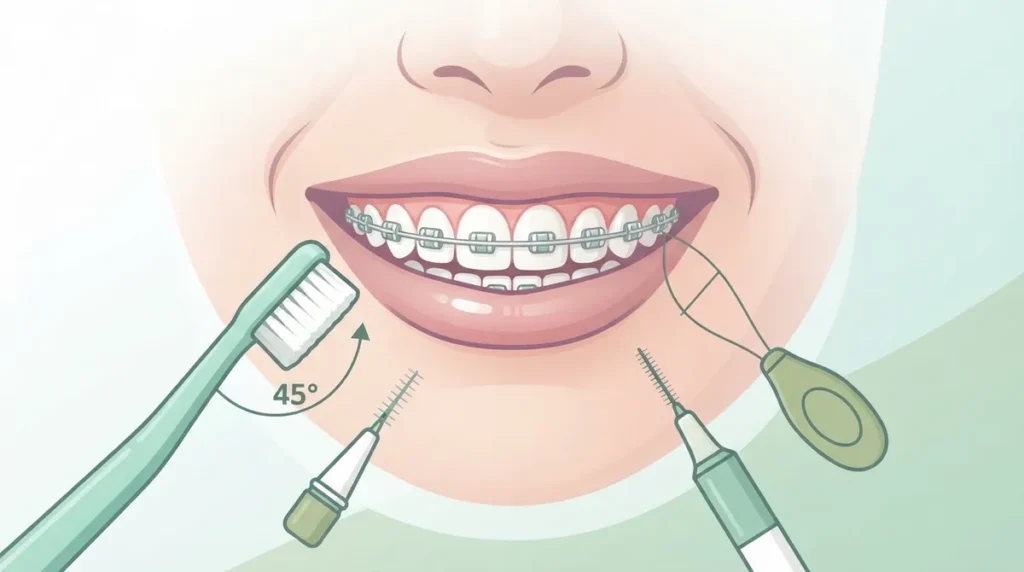
Use a soft-bristled toothbrush at a 45-degree angle to the gumline, brushing above, directly on, and below each bracket, then use an interdental brush and floss threader to clean tight spaces that standard brushing cannot reach.
-
White spot lesions form when plaque sits on tooth surfaces too long, causing permanent enamel discoloration after braces are removed; consistent brushing, daily flossing, and fluoride products prevent these marks.
-
Avoid sticky, hard, and chewy foods like popcorn, caramel, nuts, and ice that get trapped in brackets or damage appliances; wait about an hour after acidic foods before brushing to protect softened enamel.
-
Replace your toothbrush every 3 months, keep interdental brushes and floss threaders in convenient locations, and set phone reminders for nighttime brushing to build sustainable cleaning habits that protect your smile.
-
Contact your orthodontic office immediately if you notice loose brackets, poking wires, persistent bleeding gums, or ongoing swelling—do not attempt DIY fixes that could damage your appliance.
Let’s be honest: nobody warns you just how much food can hide in a bracket until you get braces. One minute you’re eating popcorn, and the next you’re digging around your mouth wondering if anyone at the table noticed. If this sounds familiar, take a breath. Learning how to clean braces properly is easier than it looks, and once it becomes a habit, you’ll barely think twice about it.
Whether you’re a busy mom keeping track of your teen’s brushing routine, a young professional wearing clear aligners on the down-low, or an adult finally correcting that childhood relapse, clean braces matter more than you might think. Good hygiene protects against cavities, gum irritation, and those stubborn white spots that can show up around brackets. At Segovia Orthodontics in Lakewood Ranch, patients hear this advice often: your braces are only as successful as the care you give them at home. Let’s walk through exactly how to keep your smile sparkling from day one to the big reveal.
Why Cleaning Braces Takes Extra Effort
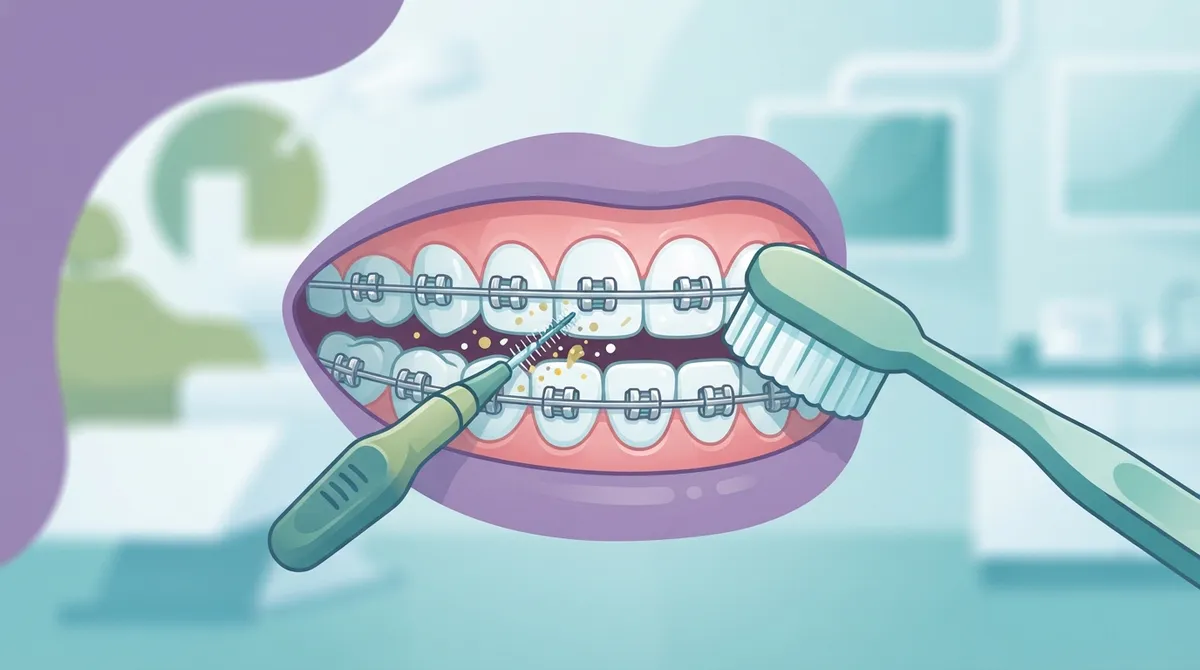
Braces are amazing at straightening teeth, but they also create tiny nooks where food and plaque love to hide. Brackets, wires, and bands give bacteria more surfaces to cling to than smooth teeth alone. That’s why standard brushing habits often aren’t enough once you have braces on.
Without consistent cleaning, plaque can build up fast. This can lead to swollen gums, cavities, and permanent discoloration around the brackets once your braces come off. Nobody wants a beautiful straight smile with faint white squares left behind. The good news? A few extra minutes a day is usually all it takes to avoid this.
How Often Should You Clean Your Braces?
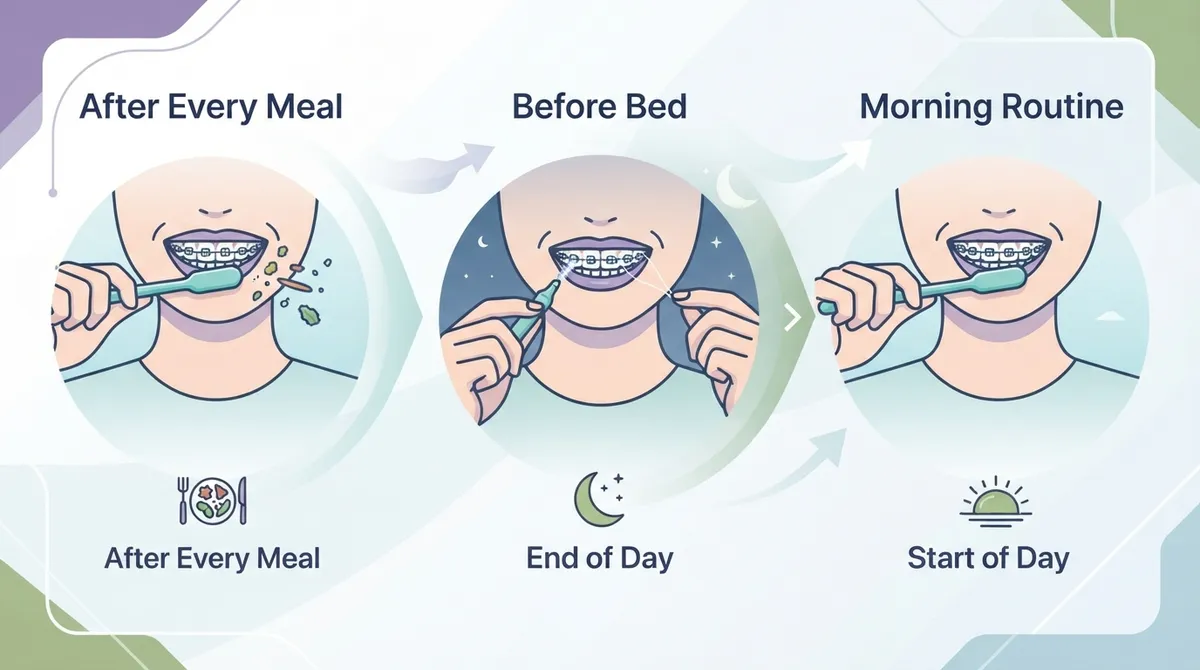
According to the American Association of Orthodontists, you should brush for about two minutes after meals or snacks whenever possible, and always before bed. If brushing isn’t an option right after eating, rinsing thoroughly with plain water is a smart backup move.
Many orthodontic offices, including guidance shared by NHS fixed-brace programs, recommend brushing three times a day at minimum. Here’s a simple breakdown to keep in mind:
- Brush after breakfast, lunch, and dinner when possible
- Always brush before bed, no exceptions
- Rinse with water if you can’t brush right after eating
- Floss at least once daily, ideally at night
- Replace your toothbrush every three months or sooner if bristles fray
Step-by-Step: How to Clean Braces Properly
Cleaning braces isn’t complicated, but the order and technique matter. Skipping steps or rushing through it is how food particles get left behind. Follow this simple sequence every time you brush:
- Rinse your mouth with water first to loosen any large food particles stuck in your braces.
- Angle your soft-bristled toothbrush at 45 degrees toward the gumline and gently brush in small circles.
- Brush above each bracket, directly on it, and below it. Don’t just skim the surface.
- Use an interdental brush or proxy brush to clean around brackets and underneath the archwire.
- Floss using a floss threader or orthodontic floss designed to slide under the wire.
- Spit out the toothpaste and take a final rinse.
- Check your smile in the mirror for any leftover debris or shiny spots you may have missed.
This routine might feel slow at first, but it becomes second nature within a couple of weeks. Many parents find it helpful to supervise younger kids through this process until it clicks.
Choosing the Right Tools for the Job
Not every toothbrush or floss works well with braces. Picking the right tools makes cleaning faster and far more effective. Here’s what most orthodontists recommend:
- A soft-bristled manual or electric toothbrush
- Fluoride toothpaste to strengthen enamel and fight decay
- An interdental or single-tufted brush for tight spaces around brackets
- Floss threaders or orthodontic floss designed to slip under wires
- A water flosser as a helpful add-on, not a full replacement for brushing
- An alcohol-free fluoride mouth rinse, if recommended by your orthodontist
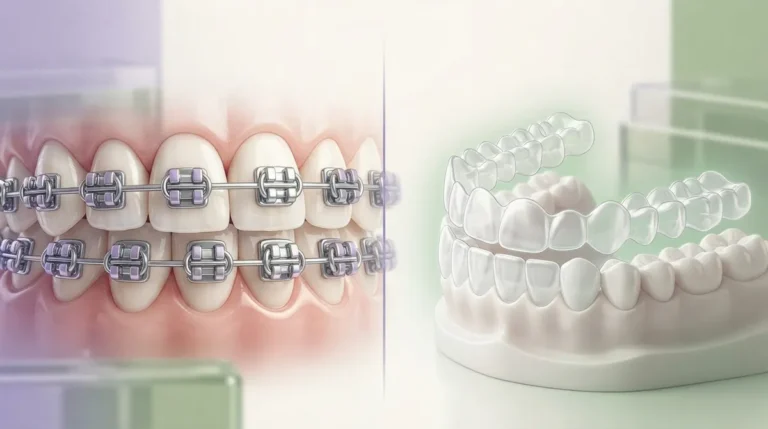
If you’re wearing clear aligners like Angel Aligners instead of traditional brackets, cleaning is a bit different since you remove the trays to eat and brush. Either way, having the right toothbrush and floss on hand makes all the difference.
Comparing Cleaning Tools for Braces
| Tool | Best For | How Often to Use |
|---|---|---|
| Soft-bristled toothbrush | General brushing around brackets and gumline | 2-3 times daily |
| Interdental brush | Cleaning tight spaces around brackets and wires | Every brushing session |
| Floss threader or ortho floss | Getting under the archwire between teeth | Once daily |
| Water flosser | Rinsing away loose debris | As a helpful addition, not a replacement |
| Fluoride mouth rinse | Extra cavity protection | Once daily, separate from brushing |
Flossing With Braces Without Losing Your Patience
Flossing with braces can feel like threading a needle in the dark at first. But it’s one of the most important steps for preventing cavities between teeth, an area brushing alone can’t fully reach.
A floss threader works like a little needle that guides floss under your archwire. Orthodontic floss with a stiffened end works similarly and skips the threading step entirely. Water flossers can help rinse away loose debris, but most orthodontists agree they should complement, not replace, regular flossing and interdental brushing.
What to Do About Food Stuck in Your Braces
It happens to everyone. A piece of lettuce, a popcorn kernel, or a stray sesame seed gets wedged in your bracket at the worst possible moment. Don’t panic, and definitely don’t try to dig it out with a sharp object.
Instead, try these gentle methods:
- Rinse vigorously with water first
- Use an interdental brush to dislodge the particle
- Try dental floss or a floss threader if the brush doesn’t work
- Use a water flosser on a low setting for stubborn spots
- Avoid toothpicks or sharp tools that could bend a wire or pop off a bracket
Foods and Habits That Make Cleaning Harder
Some foods practically guarantee a longer cleaning session afterward. Sticky, hard, or overly chewy foods are notorious for getting trapped in brackets or even damaging your appliance. Limiting these foods saves you time and protects your treatment progress.
Try to avoid or limit:
- Popcorn and nuts
- Sticky candy like caramel or taffy
- Hard pretzels or ice
- Chewy bread crusts or bagels
- Sugary sodas and acidic drinks, especially between meals
If you do enjoy something acidic, NHS guidance suggests waiting about an hour before brushing to avoid weakening softened enamel. It’s a small trick that protects your teeth long-term.
Why White Spots Show Up (And How to Prevent Them)
White spot lesions are one of the most common concerns during orthodontic treatment. They happen when plaque sits on the tooth surface for too long, causing early enamel demineralization. Once the braces come off, these spots can be permanent, especially if brushing was inconsistent throughout treatment.
The best defense is simple: brush thoroughly around every bracket, don’t skip flossing, and keep up with regular dental cleanings. Fluoride toothpaste and rinses also add an extra layer of protection against these marks.
WildSmiles and LightForce: Braces That Make Cleaning Easier
Not all braces are created equal when it comes to hygiene. WildSmiles Braces are designed with fun shapes like stars, hearts, and even Mickey Mouse, which kids love. But there’s a hygiene bonus too: the unique bracket shapes help prevent plaque from sitting flat against the tooth’s surface, making brushing more effective and giving parents an easy visual check for thorough brushing.
LightForce Braces take a different approach with fully custom, 3D-printed brackets designed to fit each tooth precisely. This custom fit can reduce irritation and make brushing around each bracket more comfortable, since there’s less bulky hardware to navigate. Patients often find these advanced options fit smoothly into their daily hygiene routine.
Cleaning Tips for Clear Aligner Wearers
If you’re using Angel Aligners instead of traditional braces, your cleaning routine shifts a bit. Since the trays come out for eating and brushing, you avoid a lot of the bracket-related buildup altogether. Still, a few habits matter:
- Brush and floss normally before putting your aligners back in
- Rinse your aligners with lukewarm water every time you remove them
- Avoid hot water, which can warp the plastic trays
- Clean your aligners with a soft toothbrush and clear, unscented soap
- Never eat or drink anything except water while wearing your aligners
This routine keeps both your teeth and your aligners fresh, clear, and odor-free throughout treatment.
When to Call Your Orthodontic Team
Sometimes cleaning uncovers a bigger problem, like a loose bracket or a poking wire. Don’t try to fix these issues yourself. Reach out to your orthodontic office right away if you notice:
- A bracket that feels loose or has come off
- A wire that’s poking your cheek or gum
- Bleeding gums that don’t improve after a few days
- Ongoing swelling around a specific tooth
- Persistent bad breath despite good hygiene
If something feels off, don’t wait it out. Learn more about handling an orthodontic emergency so you know what steps to take before your next visit.
Building a Routine That Actually Sticks
The secret to clean braces isn’t some fancy gadget. It’s consistency. Building the habit into your existing routine, like brushing right after your morning coffee or flossing while watching your favorite show, makes it far easier to stick with long term.
For families juggling school schedules or professionals squeezing in appointments between meetings, a few small adjustments go a long way:
- Keep a travel toothbrush and floss threaders in your bag or car
- Set a phone reminder for nighttime brushing
- Pack an interdental brush in your desk drawer at work
- Involve kids in picking out fun-flavored fluoride toothpaste
- Schedule regular dental cleanings alongside orthodontic visits
Trust Your Orthodontic Team for Personalized Advice
Every smile is different, and so is every cleaning routine. Appliance type, dexterity, and even your risk for cavities all play a role in what “good hygiene” looks like for you. That’s why it’s worth asking your orthodontic team to walk you through the right technique and tool size for your specific needs.
The team at Segovia Orthodontics believes education is just as important as treatment. Dr. Flor Segovia and her staff take time to demonstrate proper brushing and flossing techniques so patients of every age feel confident caring for their smiles at home. You can also follow along with tips and patient stories on our Facebook page or our Instagram page for daily inspiration.
For families researching credentials, it also helps to know your orthodontist is board certified. You can learn more about what that means through the American Board of Orthodontics, which sets the standard for orthodontic excellence nationwide.
Wrapping Up Your Braces Cleaning Routine
Cleaning braces well doesn’t have to feel overwhelming. With the right tools, a simple daily routine, and a little patience, you’ll protect your smile and keep your treatment on track. Whether you’re guiding your child through their first year of braces, managing clear aligners around a demanding career, or getting a second chance at that dream smile, good hygiene habits make every step easier.
If you’re in the Lakewood Ranch area and want personalized guidance on caring for your braces or aligners, our team is here to help. Feel free to contact us with any questions, or request an appointment to get started. You can also call us at 941-557-1333 to speak with our friendly staff directly. And if you’d like to see what real patients are saying, visit us on Google — Segovia Orthodontics to read reviews from families just like yours.
FAQs
Q: How often should I brush my teeth with braces?
A: You’ll want to brush at least two to three times a day, ideally after meals and always before bed. If brushing isn’t possible right after eating, a good water rinse works as a helpful backup until you can brush properly.
Q: What is the best toothbrush and toothpaste for braces?
A: A soft-bristled toothbrush paired with fluoride toothpaste is your best friend during treatment. Electric toothbrushes work great too, as long as you’re gentle around the brackets and wires.
Q: Can I use a water flosser with braces?
A: Absolutely, water flossers can help wash away loose debris and are especially handy for busy days. Just remember they work best alongside regular brushing and flossing, not as a total replacement.
Q: Why do I have white spots around my brackets?
A: White spots usually happen when plaque sits too long on the tooth surface, causing early enamel changes. The good news is that consistent brushing, flossing, and fluoride use can help prevent them from forming in the first place.
Q: What should I do if a bracket or wire breaks while cleaning?
A: Try not to worry, this happens more often than you’d think. Cover any sharp edges with orthodontic wax if needed, and reach out to your orthodontic office right away so they can get you back on track.
Our Service Area