Key Takeaways
-
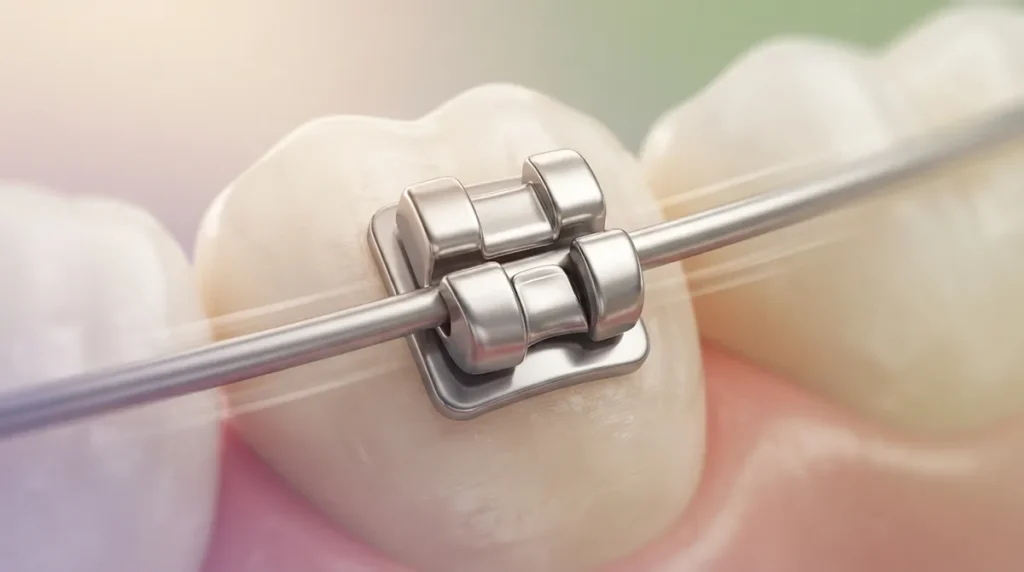
Self-ligating braces use a built-in clip instead of elastic ties to hold the wire, reducing friction, irritation, and making teeth easier to clean throughout treatment.
-
Treatment time doesn't decrease overall with self-ligating braces despite faster appointments; wire changes save only about 24 seconds per visit compared to traditional braces.
-
Self-ligating braces cost $5,100 to $7,000 in the Lakewood Ranch area and typically require appointments every 8-12 weeks, offering significant convenience for busy professionals and parents.
-
Patients commonly report less soreness after adjustments, fewer poking wires, and smoother bracket feel due to reduced friction between wire and bracket.
-
Self-ligating braces work well for adults with relapsed smiles, patients with sensitivity to traditional ties, and anyone needing appointment flexibility, but aren't ideal for all cases.
-
Board-certified orthodontists like Dr. Flor Segovia can evaluate whether self-ligating braces suit your specific bite complexity or if alternatives like LightForce offer better results for your goals.
Thinking about braces but dreading those tight elastic bands and long tightening visits? You’re not alone. Self-ligating braces Lakewood Ranch families are choosing more often skip the elastic ties completely. Instead, they use a tiny built-in clip to hold the wire in place. That small change can mean fewer irritations, easier cleaning, and a smoother ride through treatment.
Whether you’re a busy mom juggling carpool and orthodontist visits, a professional who can’t have a mouth full of metal slowing you down, or an adult ready to finally fix that old relapse, this guide breaks down everything you need to know. We pulled together the facts, the numbers, and the honest truth about what self-ligating braces can and can’t do. Let’s get into it.
1. What Self-Ligating Braces Actually Are
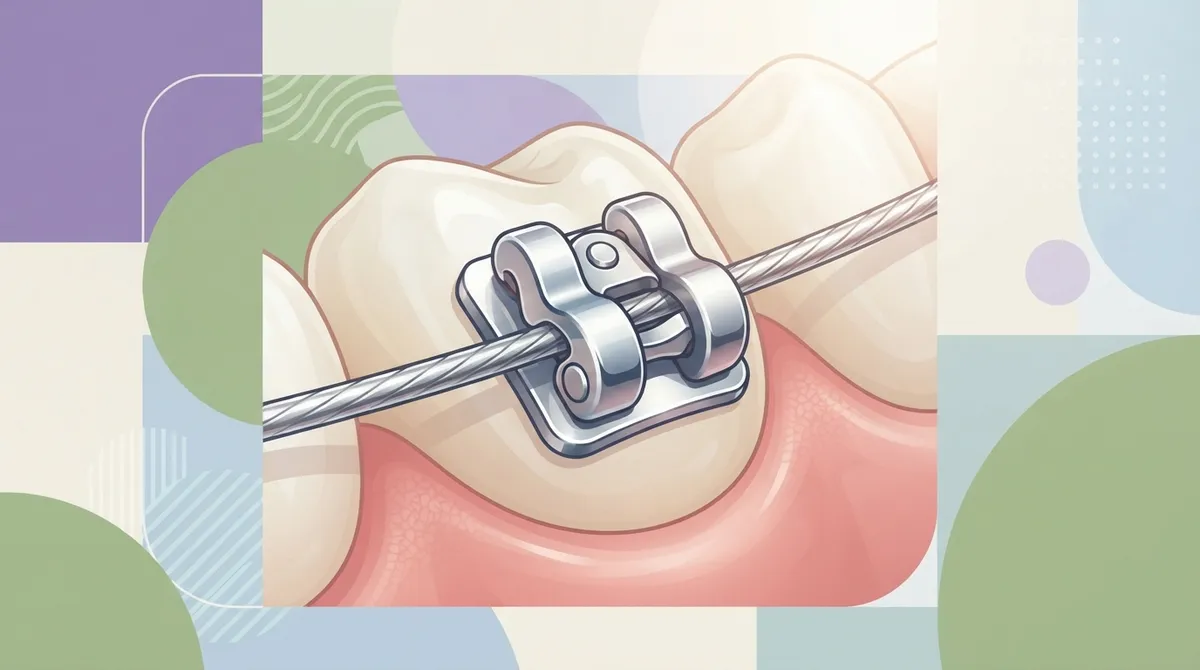
Self-ligating braces use a small movable clip or slide built right into the bracket. This clip holds the archwire in place instead of the stretchy elastic ties used on traditional braces. Think of it like swapping a shoelace for a buckle. Both do the job, but one closes with a simple snap.
This design isn’t new, but it has become more refined over the years. A 2023 review of orthodontic devices defines a self-ligating bracket as one with a “permanently installed, movable component” that traps the wire securely. That means less friction between the wire and bracket, which can translate to a more comfortable experience for many patients.
2. How They’re Different From Traditional Braces
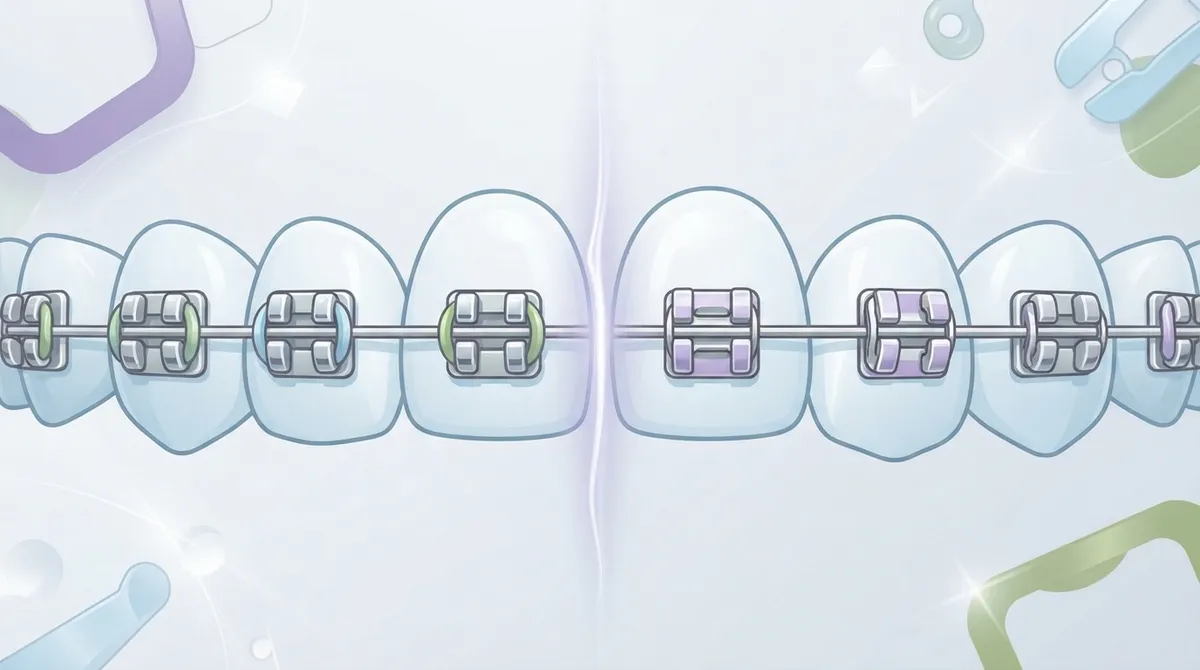
Traditional metal braces use tiny elastic bands, called ligatures, to hold the wire against each bracket. These bands need replacing at almost every appointment and can stain or stretch over time. Self-ligating brackets skip that step entirely.
Here’s a quick side-by-side to make the differences crystal clear:
| Feature | Traditional Braces | Self-Ligating Braces |
|---|---|---|
| Wire Attachment | Elastic ties | Built-in clip or slide |
| Cleaning | More plaque traps | Easier to clean around |
| Friction | Higher | Lower |
| Appointment Length | Standard tightening | Often quicker wire changes |
| Elastic Staining | Possible | Not applicable |
If you want to see how these stack up against other options, our guide on types of braces covers everything from ceramic to metal in more depth.
3. Are Damon Braces the Same Thing?
You’ve probably heard the name “Damon braces” tossed around. Damon is one of the most well-known self-ligating brands out there. It uses a slide mechanism instead of elastic rings, which fits the same category we’ve been talking about.
So yes, Damon braces are a type of self-ligating braces, but not every self-ligating bracket is a Damon. Several companies make similar systems, each with slightly different clip designs. If you’re curious about this specific brand, check out our detailed breakdown on Damon Braces Bradenton: Your Guide to Self-Ligating Braces.
4. Do They Actually Work Faster?
This is probably the biggest myth floating around. Many patients assume self-ligating braces automatically mean faster treatment. Unfortunately, that’s not quite accurate.
Independent reviews report no consistent difference in overall treatment duration between self-ligating and traditional braces. The real time-saver shows up during appointments, not the total treatment timeline. One local orthodontic source noted that self-ligating systems may cut wire-change time by about 24 seconds per visit. That adds up over months, but it doesn’t shrink your total treatment plan by itself.
If speed is your top priority, you might want to explore Lightforce Orthodontics, which uses digital custom brackets and can reduce treatment time by up to 45% for the right candidates.
5. Comfort: What Patients Actually Notice
Comfort is where self-ligating braces tend to shine. Because there’s less friction between the wire and bracket, many patients report less soreness, especially in the first few days after an adjustment.
Here are a few comfort-related perks patients commonly mention:
- Less pressure on teeth during small movements
- Fewer poking wire ends since ties aren’t stretching or shifting
- Smoother feeling brackets against cheeks and lips
- Reduced soreness after tightening visits
- No elastic bands to catch food or stain over time
Of course, comfort varies from person to person. Every mouth is different, and Dr. Flor Segovia takes the time to explain what to expect based on your specific case.
6. Cleaning and Hygiene Benefits
Let’s be honest: keeping braces clean is a challenge no matter what type you choose. But self-ligating brackets do make life a little easier here. Without elastic ties trapping food particles and plaque, brushing becomes more straightforward.
Practices serving the Lakewood Ranch and Bradenton area commonly describe these braces as easier to clean, which matters a lot for busy families trying to keep up with brushing routines. If you want more tips on keeping teeth healthy during treatment, our article on how to care for your braces is a great resource.
7. Appointment Frequency and What to Expect
One thing many patients love about self-ligating systems is the spacing between visits. Adjustment intervals are often longer, typically ranging from 8 to 12 weeks depending on your treatment plan and how your teeth respond.
That’s a big deal for career-focused adults and busy parents who can’t easily carve out time every few weeks. Fewer visits mean less time away from work, school, or family obligations. Still, the exact schedule depends on your case, so it’s worth discussing your specific needs during your first orthodontic visit.
8. Cost Considerations in the Lakewood Ranch Area
Pricing for self-ligating braces isn’t usually a flat number. Specialist treatment with self-ligating bracket systems in the Bradenton and Lakewood Ranch market is often cited at roughly $5,100 to $7,000, according to local practice sources. Your final cost depends on the complexity of your case, treatment length, and the specific bracket system used.
Here’s a general breakdown of what impacts your final price:
- The severity of your bite or alignment issue
- How long treatment is expected to take
- Whether you choose metal, ceramic, or a premium system like LightForce
- Any additional appliances needed alongside braces
- Your insurance coverage or financing plan
Good news: financing options are widely available. Our page on orthodontic financing walks through payment plans that can make treatment fit almost any budget.
9. Who Makes a Good Candidate?
Self-ligating braces work well for a wide range of orthodontic issues, from mild crowding to more complex bite corrections. They’re a solid option for:
- Teens who want fewer appointments during a busy school year
- Adults returning for a second round of treatment after relapse
- Patients who struggled with hygiene using traditional ties
- Anyone sensitive to friction or discomfort from standard brackets
- Professionals who need appointment flexibility around work schedules
If you had braces years ago and your smile has shifted back, you’re definitely not alone. Many adults return for treatment because their teeth moved after they stopped wearing retainers. Our article on adult orthodontics covers this exact situation in more detail.
10. Self-Ligating Braces vs Clear Aligners
Sometimes patients ask whether self-ligating braces or clear aligners like Angel Aligners make more sense for their goals. Both have strengths, and the right choice depends on your lifestyle and the complexity of your case.
| Consideration | Self-Ligating Braces | Clear Aligners |
|---|---|---|
| Visibility | Visible on teeth | Nearly invisible |
| Removability | Fixed, cannot remove | Removable for eating |
| Best For | Complex bite issues | Mild to moderate cases |
| Maintenance | Regular office visits | Tray changes at home |
Not sure which path fits your smile goals? Our comparison guide on braces vs. clear aligners can help you weigh the pros and cons.
11. WildSmiles: Making Braces Fun for Kids
If your child needs braces, self-ligating technology isn’t the only exciting option. WildSmiles brackets come in fun shapes like stars, hearts, and even Mickey Mouse designs. Kids who enjoy their braces tend to brush and floss more consistently, which leads to better results overall.
The unique shapes also help with brushing because plaque buildup becomes easier to spot around the bracket edges. Curious how this could work for your child? Check out our page on Wildsmiles Braces for the full collection.
12. LightForce: A Digital Alternative Worth Considering
While self-ligating braces solve friction and hygiene concerns, LightForce Orthodontics tackles something different: precision. This fully digital system uses 3D printing to create brackets custom-fitted to your exact tooth shape.
Benefits of this approach include:
- Treatment times reduced by up to 45% for eligible patients
- Clear or white brackets for a more discreet look
- Custom appliances delivered in less than two weeks
- Real-time digital adjustments for more accurate planning
Dr. Segovia uses advanced orthodontic technology like this to give patients more options tailored to their specific goals and timelines.
13. Why Choose a Board-Certified Orthodontist for This Treatment
Not every dental office offers the same level of specialized training. Choosing a board certified orthodontist means you’re working with someone who has gone through additional testing and education beyond dental school.
Dr. Flor Segovia is board-certified and stays current with the latest bracket technology, including self-ligating systems. She also provides bilingual care in English and Spanish, which makes treatment more accessible for many Lakewood Ranch families. You can learn more about her background on our Orthodontist Flor Segovia page. The American Board of Orthodontics maintains strict standards for certification, and choosing a certified specialist adds an extra layer of confidence to your treatment plan, as outlined by the American Board of Orthodontics.
14. Steps to Get Started With Self-Ligating Braces
Ready to explore whether self-ligating braces fit your smile goals? Here’s what the process typically looks like:
- Schedule a consultation to discuss your goals and concerns
- Get a full evaluation, including X-rays and a bite assessment
- Review your treatment plan and available bracket options
- Discuss financing and insurance coverage details
- Begin treatment with your custom bracket placement appointment
- Attend scheduled adjustment visits every 8 to 12 weeks
- Transition to retainers once treatment is complete
Every step is designed to keep you informed and comfortable. To see real patient experiences, check out our Facebook page or follow along on our Instagram page for smile transformations and helpful tips.
Finding the Right Fit for Your Smile
Self-ligating braces offer real advantages, especially around comfort and hygiene, but they’re not a magic shortcut to faster treatment. The best choice depends on your specific bite, lifestyle, and personal preferences. That’s exactly why a thorough evaluation matters so much before committing to any treatment path.
If you’re weighing your options, our page on all about braces is a great starting point for more general information. And if you’ve ever wondered why Lakewood Ranch families keep coming back, our article on why choose us explains what sets our approach apart.
Curious what real patients think? Feel free to visit us on Google — Segovia Orthodontics and read through honest reviews from families just like yours right here in Lakewood Ranch.
Ready to see if self-ligating braces are the right fit for your smile? Request an appointment today, or feel free to call us at 941-557-1333 to speak with our friendly team. We’re here to help you take that first confident step toward a smile you’ll love showing off.
FAQs
Q: What are self-ligating braces?
A: Self-ligating braces use a small built-in clip or slide to hold the wire in place, instead of the stretchy elastic ties used with traditional braces. This simple swap can mean less friction and easier cleaning throughout your treatment. It’s a comfortable, modern take on a classic orthodontic tool.
Q: Are Damon braces the same as self-ligating braces?
A: Great question! Damon braces are actually one specific brand within the self-ligating category. They use a slide mechanism instead of elastic rings, but other companies make similar self-ligating systems too, so Damon is just one option among several.
Q: Do self-ligating braces work faster than traditional braces?
A: Not necessarily. While wire changes might be quicker during appointments, independent reviews show no consistent difference in total treatment time. If speed is your main goal, ask us about other technology like LightForce, which can reduce treatment time significantly for eligible patients.
Q: How much do self-ligating braces cost in Lakewood Ranch?
A: Pricing in our area typically falls between $5,100 and $7,000, though your exact cost depends on your case complexity and treatment length. The good news is flexible financing options are available to help make payments manageable for your family.
Q: How often are appointments for self-ligating braces?
A: Many patients enjoy longer gaps between visits, often 8 to 12 weeks depending on their treatment plan. This is especially helpful for busy parents and professionals who have a hard time squeezing in frequent office visits.
Our Service Area