Key Takeaways
-
Verify credentials first by checking state licensure and American Board of Orthodontics certification before reading reviews—board certification shows extra training and peer review beyond dental school.
-
Read detailed, recent patient reviews and watch for patterns across multiple reviews rather than relying on star ratings alone; pay attention to how the office responds to negative feedback.
-
Request a thorough consultation including hands-on exam, imaging, treatment options discussion, timeline, cost breakdown, and retention requirements—avoid offices recommending treatment from photos alone.
-
Ask direct cost questions before committing: confirm what's included in fees, whether retainers are covered, insurance acceptance, financing options, and what happens if treatment takes longer than expected.
-
Choose an orthodontist offering multiple treatment options (metal braces, clear aligners, ceramic braces) matched to your age, bite complexity, and lifestyle—different cases require different solutions.
-
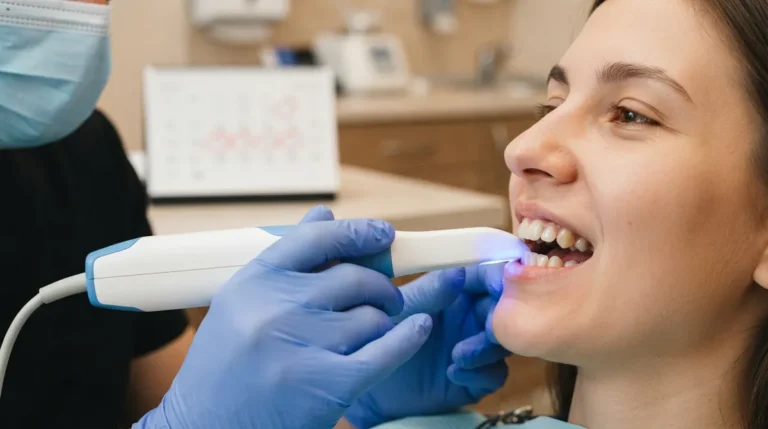
Understand that orthodontists should openly discuss treatment risks and have clear emergency protocols; modern practices use digital scanning and 3D technology to speed treatment and reduce office visits.
Searching for a top rated orthodontist can feel overwhelming. You scroll through star ratings, read a few reviews, and still aren’t sure who to trust with your smile. Here’s the good news: finding the right orthodontist doesn’t have to be confusing. With a few simple checks, you can confidently choose a specialist who fits your family’s needs, your budget, and your schedule.
Whether you’re a mom booking a check-up for your 7-year-old, a young professional wanting discreet clear aligners, or an adult ready to fix relapse from old braces, this guide will walk you through exactly what to look for. We’ll cover credentials, reviews, costs, and the questions you should ask before committing to treatment. By the end, you’ll know how to separate real quality from flashy marketing.
What Does “Top Rated” Really Mean in Orthodontics?
A high star rating is nice, but it’s only part of the picture. A truly top rated orthodontist combines strong reviews with real credentials, safe treatment planning, and clear communication. Think of online ratings as one clue among many, not the whole answer.
Here’s what actually matters when you’re evaluating an orthodontic practice:
- Specialist training beyond dental school
- Valid state licensure you can verify
- Board certification status
- Clear, honest treatment planning
- Transparent pricing with no hidden fees
- Friendly, responsive staff and easy scheduling
- A clean, modern, comfortable office
Practices like Segovia Orthodontics in Lakewood Ranch aim to check every one of these boxes, combining Dr. Flor Segovia’s credentials with a warm, family-focused environment.

Step 1: Check Credentials Before You Check Reviews
Before you even glance at star ratings, look at the orthodontist’s training. In the United States, an orthodontist is a dentist who completed extra schooling. This usually means two or more years of advanced training after dental school, focused only on straightening teeth and correcting bites.
You can verify this in a few simple ways:
- Check your state dental board’s website for active licensure
- Search the American Board of Orthodontics to confirm board-certification claims
- Look for the phrase “ABO-Board Certified,” the official designation recommended by the board
- Ask the office directly during your first call or visit
- Review the doctor’s education and residency background on the practice website
Board certification is a helpful quality signal, but it’s not a government license or a guarantee of results. Still, it shows the orthodontist has gone through extra testing and peer review. You can learn more about Dr. Segovia’s background on the Orthodontist Flor Segovia page, and see why board certification matters on the Board Certified Orthodontist page.
Step 2: Learn How to Read Reviews the Smart Way
Patient reviews are genuinely useful. They tell you about communication, wait times, billing surprises, and how the office handles emergencies. But not every review deserves equal weight.
Keep these tips in mind when reading orthodontist reviews:
- Look for detailed reviews, not just a star rating with no comment
- Check for recent reviews, since staff and technology can change
- Watch for patterns across many reviews, not just one outlier
- Notice how the practice responds to negative feedback
- Remember that reviews can be incomplete, outdated, or occasionally incentivized
A great way to get a feel for a practice’s personality is by browsing our Facebook page or our Instagram page, where you can see real patient smiles and everyday moments from the office. You can also visit us on Google — Segovia Orthodontics to read reviews from families right here in Lakewood Ranch.
Step 3: Know What a Quality Consultation Looks Like
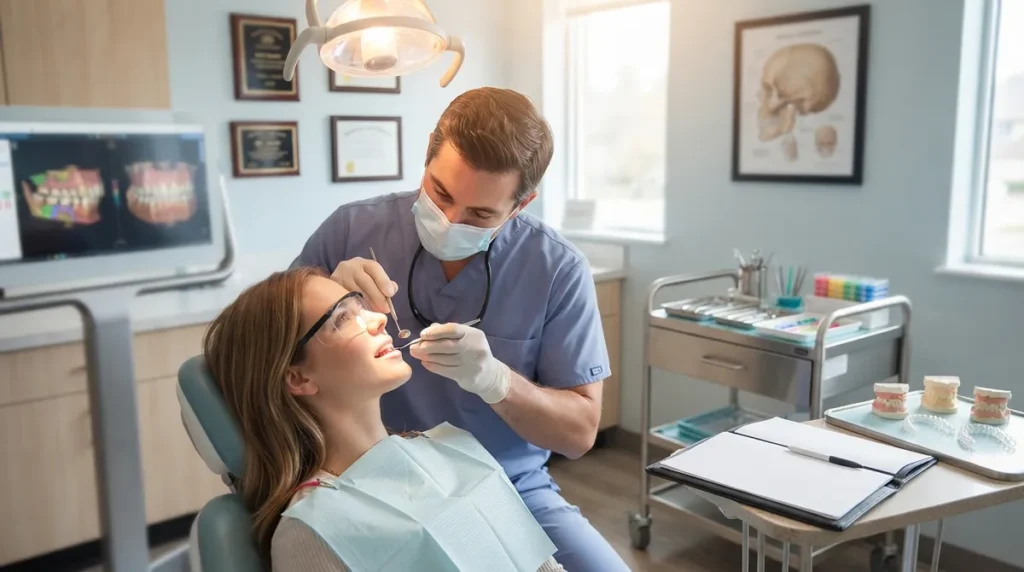
A good consultation is more than a quick look in your mouth. It should feel thorough, unhurried, and educational. Watch out for any office that recommends treatment from photos alone or a quick online form, without a real exam.
Here’s what a solid first visit should include:
- A hands-on clinical exam of your teeth, gums, and jaw
- Photographs and imaging, when needed, to see the full picture
- A discussion of your bite and how your jaw lines up
- A walkthrough of treatment options, not just one choice
- An estimated treatment timeline based on your specific case
- A clear list of risks and what to expect along the way
- Retention requirements after treatment ends
- A full breakdown of expected costs
If you want to know exactly what happens during this visit, check out our guide on First Orthodontic Visit and What Happens During an Orthodontic Evaluation.
Step 4: Compare Treatment Options Available
A top rated orthodontist should offer more than one path to a straighter smile. Different patients need different solutions, based on age, bite complexity, and lifestyle. Here’s a quick comparison to help you understand the basics.
| Treatment Type | Best For | Typical Duration | Visibility |
|---|---|---|---|
| Traditional Metal Braces | Complex bite issues, kids and teens | 18-24 months | Visible |
| Clear/Ceramic Braces | Teens and adults wanting subtlety | 18-24 months | Low visibility |
| Clear Aligners (like Angel Aligners) | Mild-to-moderate cases, busy adults | 12-18 months | Nearly invisible |
| LightForce Custom Braces | Patients wanting precision and speed | Up to 45% faster | Clear or white brackets |
For younger patients who want to have fun with their treatment, WildSmiles Braces offer playful bracket shapes like stars, hearts, and even Mickey Mouse designs. For adults or teens who want cutting-edge technology, Lightforce Orthodontics uses 3D-printed, custom-fit brackets designed around your unique smile. And if you’re drawn to clear aligners, our Clear Aligners page breaks down how modern aligner systems compare to traditional options.
Step 5: Understand Real Orthodontic Statistics
It helps to know you’re not alone in this journey. Orthodontic treatment is common at every age, and demand keeps growing across the country.
- An estimated 4.67 million U.S. patients ages 8-17 received orthodontic treatment in 2024
- About 1.91 million adults were in active treatment with AAO-member orthodontists, up from 1.64 million in 2022
- Roughly one-third of orthodontic patients today are adults, not kids or teens
- Clear aligners now make up about 25%-30% of new case starts nationwide
- Comprehensive treatment often costs between $3,000 and $8,000, with many cases landing around $5,000-$6,000
These numbers show that orthodontic care isn’t just for kids anymore. If you’re an adult considering treatment for the first time, or fixing relapse from braces you had years ago, you’re part of a large and growing group. Learn more on our Adult Orthodontics page.
Step 6: Ask the Right Questions About Cost and Fees
Sticker shock is a real fear for many patients. The best way to avoid surprises is to ask direct questions before you sign anything. A transparent, top rated orthodontist will happily walk you through every detail.
Bring these questions to your consultation:
- Does the quoted fee include diagnostic records and imaging?
- Are retainers included after treatment finishes?
- What happens if I need refinement aligners later?
- Is there a charge for emergency visits or broken brackets?
- What if treatment takes longer than expected?
- Do you accept my dental insurance?
- What financing or payment plan options are available?
- Is there a refund policy if I need to stop treatment early?
Our Orthodontic Financing page explains flexible payment options designed to fit different budgets, and our Faq Orthodontic Treatment page answers even more common cost questions.
Step 7: Match the Orthodontist to Your Life Stage
The right practice for a 9-year-old with crowded teeth may look different from the right practice for a busy professional who wants Invisalign-style aligners before a wedding. A good office should serve every age and every goal comfortably.
Here’s how different patients often prioritize their search:
- Parents want flexible scheduling, a kid-friendly office, and early evaluation options starting around age 7
- Young professionals want discreet aligners that don’t disrupt their appearance at work
- Career-focused adults want faster treatment times and minimal office visits
- Life event planners want a clear timeline before a wedding, graduation, or big career moment
- Adult relapse patients want a fresh, reliable fix after their teeth shifted post-braces
Whatever stage you’re in, it helps to explore condition-specific guides like Early Orthodontic Treatment for kids, Teen Orthodontic Treatment for busy teens, or How to Find the Right Orthodontist in Lakewood Ranch for a full local overview.
Step 8: Know the Risks and Ask About Safety Practices
No treatment is completely risk-free, and a trustworthy orthodontist will tell you that upfront. Being honest about limitations is actually a sign of a top rated practice, not a red flag.
Common risks worth discussing include:
- Temporary discomfort after adjustments
- Enamel decalcification or cavities from poor hygiene during treatment
- Gum irritation or inflammation
- Possible root changes in rare cases
- Relapse if retainers aren’t worn as directed
- Appliance breakage or lost aligners
- Need for refinements or extended treatment time
A quality office will also have a clear plan for emergencies, like a poking wire or a lost retainer. Check out our Orthodontic Emergency page to see what steps to take if something unexpected happens between appointments.
Step 9: Consider Technology and Innovation
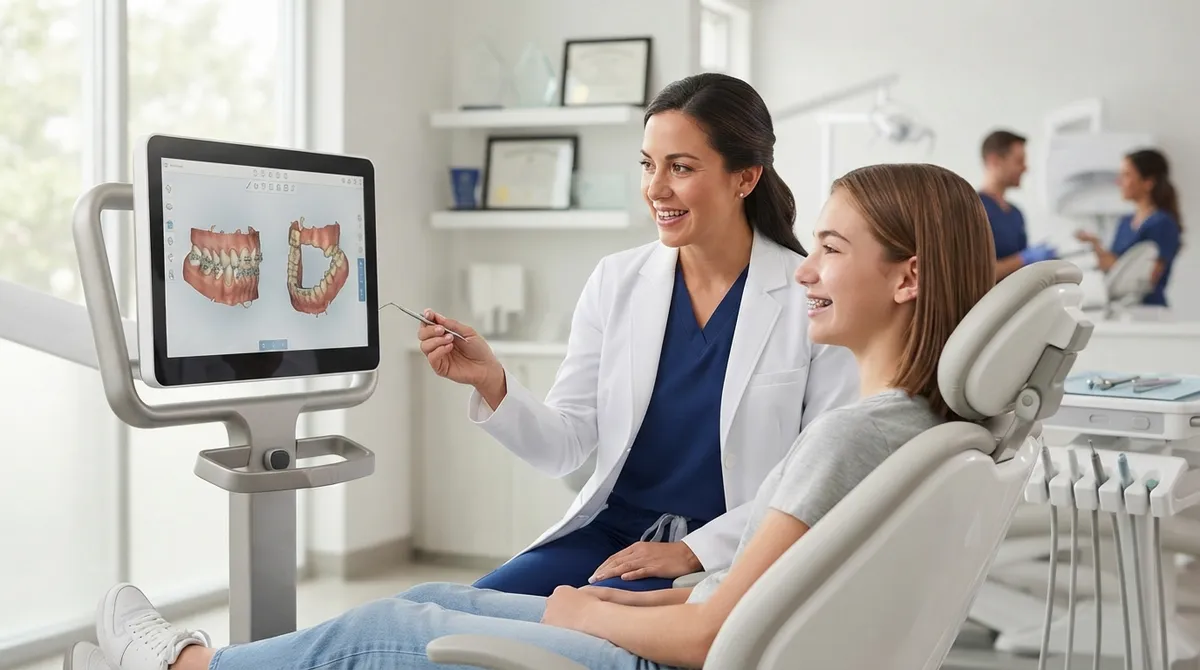
Modern orthodontics has come a long way. Digital scanning, 3D-printed brackets, and AI-driven aligner planning can all make treatment faster and more comfortable. Ask whether the office uses Advanced Orthodontic Technology to plan and monitor your case.
For example, some aligner systems use a flexible wear schedule that can speed up tooth movement while reducing the number of trays you need. This kind of innovation can mean fewer office visits and a shorter overall treatment time, which is a big win for busy parents and working professionals alike.
Putting It All Together: Your Orthodontist Checklist
Before you book your first appointment, run through this quick checklist to feel confident in your choice:
- Verify the orthodontist’s license and board-certification status
- Read recent, detailed patient reviews
- Confirm the office offers multiple treatment types
- Ask about total costs, including retainers and follow-ups
- Check for flexible scheduling that fits your life
- Ask how emergencies are handled after hours
- Trust your gut after meeting the doctor and staff in person
Practices that check every box, like Why Choose Us explains for Segovia Orthodontics, combine skilled care with a genuinely welcoming atmosphere for the whole family.
Ready to Find Your Top Rated Orthodontist?
Choosing an orthodontist is a big decision, but it doesn’t have to feel stressful. Focus on credentials first, read reviews with a critical eye, and ask plenty of questions during your consultation. Dr. Flor Segovia and her team offer bilingual, board-certified care with treatment options ranging from playful WildSmiles Braces for kids to precision LightForce technology and discreet clear aligners for adults.
If you’re ready to take the next step toward a healthier, more confident smile, request an appointment today. You can also contact us with any questions, or simply call us at 941-557-1333 to speak with our friendly team. Your best smile is closer than you think.
FAQs
Q: How do I find the top rated orthodontist near me?
A: Start by checking licensure and board-certification status, then read recent patient reviews for patterns. Visiting the office for a consultation is the best way to see if the fit feels right for you and your family.
Q: Is a board-certified orthodontist better than one who isn’t?
A: Board certification shows an orthodontist went through extra training and testing beyond basic licensure, which is a great quality signal. It’s not a guarantee of results, but it does show a real commitment to staying current in the field.
Q: How can I tell if orthodontist reviews are trustworthy?
A: Look for detailed, recent reviews rather than just star ratings with no comments. Pay attention to how the practice responds to any negative feedback, since that says a lot about their customer care.
Q: What questions should I ask during an orthodontic consultation?
A: Ask about total costs, what’s included in your fee, treatment timeline, and how emergencies are handled. A great consultation should feel like an open conversation, not a rushed sales pitch.
Q: Are clear aligners as effective as braces for my smile?
A: Clear aligners work wonderfully for mild-to-moderate cases and offer a nearly invisible option for busy adults and teens. For more complex bite issues, traditional braces may still be the better choice, so it’s worth discussing your specific case with your orthodontist.
Our Service Area