Key Takeaways
-
Crowded teeth are not just a cosmetic issue—overlapping teeth make brushing and flossing harder, trapping food and plaque that can lead to gum irritation, enamel breakdown, and uneven wear over time.
-
Mild crowding (under 4mm) often doesn't require tooth extraction; orthodontists can use braces, aligners, interproximal reduction, or arch expansion instead of pulling teeth.
-
A full orthodontic evaluation with photos, scans, bite checks, and X-rays is essential before treatment, as it considers crowding severity, jaw relationship, tooth size, and growth stage—not just appearance.
-
Early evaluation in children showing signs like delayed baby teeth loss, odd tooth eruption, or insufficient space can lead to simpler interceptive treatment and better long-term results.
-
Wearing retainers after treatment is critical; many adults seeking crowded teeth treatment today are actually dealing with relapse from skipping retainers years ago, undoing months or years of progress.
-
Adults shouldn't delay treatment due to appearance concerns; discreet options like clear aligners with 7+3 wear schedules can straighten teeth efficiently while maintaining a professional appearance.
Crowded teeth are more common than most parents and adults realize. In fact, one 2023 study found overlapping or misaligned teeth in about 44.5% of the people studied. If your smile feels tight, your teeth overlap, or your dentist keeps mentioning “crowding” at checkups, you’re definitely not alone. The good news? Crowded teeth treatment has come a long way, and there are more comfortable, faster, and more discreet options than ever before.
But here’s the thing: not every crowded teeth treatment path is created equal, and small mistakes early on can lead to bigger headaches later. Whether you’re a mom watching your child’s smile change, a busy professional wanting quick results, or an adult whose old orthodontic work has shifted, avoiding these common missteps can save you time, money, and frustration. Let’s walk through the seven biggest mistakes people make with crowded teeth treatment, and how to sidestep every single one.
What Exactly Is Dental Crowding?
Dental crowding happens when there isn’t enough room in your jaw for all your teeth to line up normally. Teeth may overlap, twist, or come in at odd angles. Sometimes a tooth doesn’t even have room to erupt fully.
Crowding can be mild, moderate, or severe. Orthodontists often use a general framework like this:
- Mild crowding: less than about 4 mm of missing space
- Moderate crowding: roughly 4 to 8 mm of missing space
- Severe crowding: more than about 7 to 8 mm of missing space
These numbers are helpful guides, not strict rules. A full evaluation, not just a quick glance in the mirror, is what really determines your treatment plan.
Mistake 1: Assuming Crowding Is Just Cosmetic
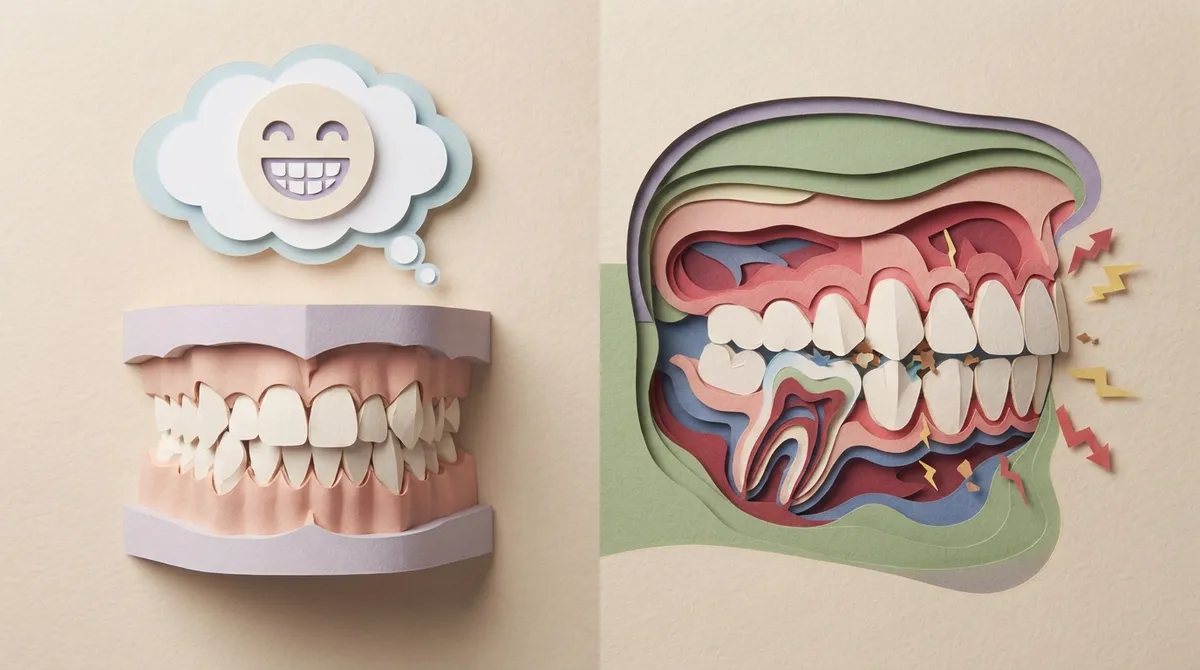
It’s easy to think crowded teeth are only about appearance. But overlapping teeth can make brushing and flossing much harder. Food and plaque get trapped in tight spaces, which can lead to gum irritation, enamel breakdown, and uneven wear over time.
Crowding doesn’t always hurt, so it’s easy to ignore. But waiting too long can make small problems bigger. If you’ve noticed your bite feels different or your gums seem more sensitive around crowded areas, it may be time to check in with a specialist. Learn more about common orthodontic problems and how they connect to your daily oral health.
Mistake 2: Skipping a Full Orthodontic Evaluation
You can’t fix what you haven’t fully diagnosed. A proper evaluation usually includes photos, digital scans or models, a bite check, and sometimes X-rays to look for hidden issues like impacted or missing teeth.
Treatment planning depends on much more than how crowded your teeth look. Your orthodontist will also consider:
- The amount and location of crowding
- Your facial profile and jaw relationship
- Tooth size compared to jaw size
- Gum and bone health
- Your growth stage, especially for kids and teens
Skipping this step is one of the biggest crowded teeth treatment mistakes you can make. Find out more about what happens during an orthodontic evaluation before your first visit.
Mistake 3: Believing All Crowding Requires Tooth Extraction
This is a big one. Many people assume they’ll need teeth pulled to fix crowding. That’s simply not true for every case.
Mild crowding is often treated without any extractions at all. Orthodontists can use:
- Braces or clear aligners to gently guide teeth into place
- Interproximal reduction (IPR), which removes tiny, controlled amounts of enamel between teeth
- Careful arch expansion to create more room
Moderate or severe crowding sometimes needs more space-making strategies, and extraction may be one option among several. A 2023 scoping review on managing crowding outlined five main strategies: arch expansion, molar distalization, incisor movement, IPR, and extraction. Your orthodontist chooses the right combination based on your unique mouth, not a one-size-fits-all rule.
| Crowding Severity | Typical Space Shortage | Common Treatment Approaches |
|---|---|---|
| Mild | Under 4 mm | Braces or aligners, IPR, mild expansion |
| Moderate | 4–8 mm | Distalization, expansion, possible extraction |
| Severe | Over 7–8 mm | Extraction, anchorage, sometimes jaw surgery |
Mistake 4: Choosing an Appliance Without Considering Your Lifestyle
Braces and clear aligners can both treat crowded teeth successfully. But picking the wrong one for your daily routine can slow down your progress.
Consider these factors before deciding:
- How much crowding you have and how complex the movements are
- Your comfort with wearing something visible versus discreet
- Your ability to follow instructions, like wearing aligners 20-22 hours a day
- Your age and oral hygiene habits
Busy professionals often love clear aligners like Angel Aligners for their subtle look and flexible wear schedule. Kids and teens sometimes enjoy WildSmiles Braces, which turn treatment into something fun with custom bracket shapes. Meanwhile, adults wanting precision and speed often appreciate LightForce Orthodontics, a fully digital, custom-fitted bracket system that can cut treatment time by up to 45%. Explore all the types of braces available before making your choice.
Mistake 5: Ignoring Early Signs in Children
Parents sometimes wait until all permanent teeth come in before seeking help. But early evaluation matters, especially if you notice:
- Baby teeth falling out too early or too late
- Teeth erupting in odd positions
- A crossbite or uneven bite developing
- Not enough room for permanent teeth to come in
Catching these signs early can mean simpler treatment later. Interceptive care might include space maintainers, monitoring, or selective removal of baby teeth. Read more about early orthodontic treatment and how it can set your child up for success. If your teen is dealing with a busier schedule, our guide on teen orthodontic treatment covers flexible options too.
Mistake 6: Forgetting About Retention After Treatment
Finishing active treatment is a huge milestone. But teeth can shift right back if you skip retention. This is one mistake that undoes months, sometimes years, of hard work.
Retainers, whether fixed, removable, or both, help hold your new smile in place. Many adults seeking crowded teeth treatment today are actually dealing with relapse, meaning their teeth shifted after skipping retainers years ago. If this sounds familiar, check out our page on orthodontic retainers to learn how to protect your results for good.
Mistake 7: Waiting Too Long to Start Treatment as an Adult
It’s a myth that orthodontic treatment is just for kids and teens. Plenty of adults come in for adult orthodontics, whether it’s their first time or a fix for old relapse.
Career-focused adults often worry treatment will affect how they look at work. That’s exactly why discreet options exist. Clear aligners like Angel Aligners use a smart “7+3” wear schedule, wearing a flexible tray for 7 days followed by a firmer one for 3 days, which can speed up movement and cut down on extra office visits. Many people also love that Angel Aligners tend to cost less than premium clear aligner brands while still using digital treatment planning.
If you’re getting ready for a wedding, graduation, or new job, don’t wait until the last minute. Crowded teeth treatment takes time, and starting early gives you room for adjustments if needed.
How Long Does Crowded Teeth Treatment Really Take?
Timelines vary a lot depending on severity and the method used. Here’s a general idea:
- Mild crowding: often 6 to 12 months with braces or aligners
- Moderate crowding: typically 12 to 24 months
- Severe crowding: can take 24 months or longer, especially with extraction or surgery involved
Advanced technology can speed things up. Digital planning tools and custom-fitted brackets, like those used in advanced orthodontic technology, help orthodontists move teeth more precisely and efficiently.
Steps to Get Started With Crowded Teeth Treatment
Ready to take the first step? Here’s a simple path forward:
- Schedule a consultation for a full orthodontic evaluation
- Discuss your goals, timeline, and any concerns about appearance or comfort
- Review your treatment options, including braces and clear aligners
- Choose a plan that fits your lifestyle and budget
- Start treatment and follow care instructions closely
- Attend regular check-ins to track progress
- Wear your retainer as directed once treatment ends
Dr. Flor Segovia, a board-certified orthodontist, has helped patients throughout Lakewood Ranch achieve healthier, straighter smiles using the latest technology. Learn more about her approach on our orthodontist Flor Segovia page, or see why families trust our board certified orthodontist credentials.
Financing Your Crowded Teeth Treatment
Cost shouldn’t stand between you and a healthier smile. Flexible orthodontic financing plans can help spread out payments so treatment fits your budget. Many families in Lakewood Ranch appreciate having options that work around real-life expenses.
Before your first visit, it also helps to know what to expect. Our first orthodontic visit guide walks you through the process step by step, and our FAQ orthodontic treatment page answers many common questions patients bring up.
Why Families Choose Segovia Orthodontics
Segovia Orthodontics at Lakewood Ranch focuses on personalized care for every age, from young kids just starting out to adults ready for a second chance at their smile. With options like WildSmiles Braces, LightForce Orthodontics, and Angel Aligners, there’s a treatment path for nearly every need and budget. You can see why so many families trust our approach on our why choose us page.
Curious what other patients have to say? You can visit us on Google — Segovia Orthodontics to read real reviews from the Lakewood Ranch community. You can also follow along on our Facebook page or check out smile transformations on our Instagram page for a closer look at real results.
For general background on orthodontic credentials and standards, the American Board of Orthodontics offers helpful resources on what board certification really means for your care.
Your Next Step Toward a Straighter Smile
Crowded teeth treatment doesn’t have to be confusing or stressful. Avoiding these seven common mistakes puts you on the path to a smile that’s healthier, more comfortable, and easier to keep clean for years to come. Whether you’re exploring options for your child, yourself, or a big upcoming event, the right plan starts with the right evaluation.
Ready to see what’s possible for your smile? Request an appointment today, or feel free to contact us with any questions. You can also call us at 941-557-1333 to speak with our friendly Lakewood Ranch team and get started on your journey to a straighter, healthier smile.
FAQs
Q: What is the best treatment for crowded teeth?
A: The best treatment really depends on your unique smile. Some folks do great with simple braces or clear aligners, while others might need a bit of expansion or, in rare cases, extraction. The only way to know for sure is a full evaluation with an orthodontist who can look at your bite, jaw, and tooth positions together.
Q: Can crowded teeth be straightened without removing teeth?
A: Absolutely, and it happens more often than people think! Mild to moderate crowding is frequently treated with braces or aligners alone, sometimes paired with gentle expansion or a technique called interproximal reduction. Extraction is just one tool among many, not a default requirement.
Q: Are clear aligners effective for crowded teeth?
A: Yes, clear aligners like Angel Aligners can work wonderfully for many crowding cases, especially mild to moderate ones. They’re discreet, comfortable, and fit nicely into busy schedules, which is why so many working adults love them.
Q: How long does it take to fix crowded teeth?
A: It varies quite a bit! Mild crowding might take 6 to 12 months, while moderate or severe cases can take a year or two. Advanced technology, like digital treatment planning, can sometimes speed things along nicely.
Q: Do crowded teeth require permanent retainers after treatment?
A: Many patients do wear some form of retainer long-term, whether removable or fixed, since teeth naturally want to shift back over time. Think of it as the easy part after all your hard work, just a little upkeep to protect that beautiful new smile!
Our Service Area