Key Takeaways
-
Colored braces use small elastic rings called ligatures around brackets, not the brackets themselves, so you can change colors every 4-8 weeks at adjustment visits without permanent commitment.
-
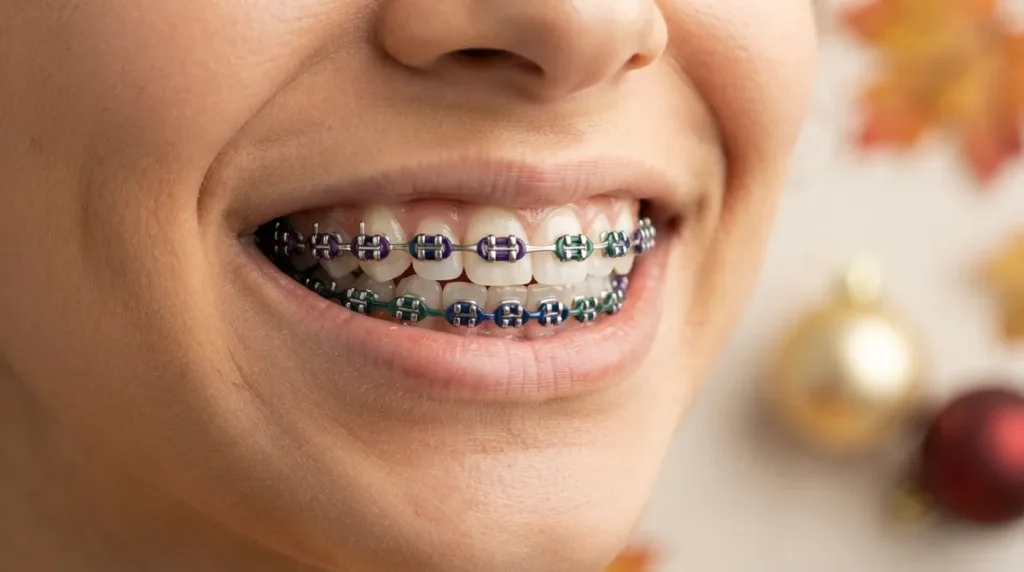
Darker colors like navy, deep purple, and forest green make teeth appear whiter through contrast, while white and yellow bands can make teeth look more yellow and stain easily.
-
Light-colored and clear ligatures show staining from coffee, tea, curry, and tomato sauce more visibly, so dark jewel tones and silver/gray are better choices for busy adults between appointments.
-
You can pick new colors at every adjustment appointment, allowing you to match school colors, holidays, seasons, or coordinate with special events like graduations and weddings.
-
Different braces systems offer varying color flexibility: traditional metal braces have the widest range, ceramic braces work with colored ligatures in neutral tones, and self-ligating braces depend on the specific system.
-
Letting children choose their brace colors increases treatment motivation and commitment to oral hygiene habits, making the orthodontist experience more enjoyable and positive for the whole family.
Getting braces is a big moment, and picking colors is one of the most fun parts. Whether you are a teen picking shades that match your style, a parent helping your child get excited about treatment, or an adult who wants something fresh, colored braces options let you show off your personality. Your smile is straightening, so why not make it yours?
Here is the good news. Choosing colors is simple once you know how it works. In this guide, we will walk you through what “colored braces” really means, which shades are available, and how to pick colors that look great and stay fresh. We will also cover color tips for special events, how to keep your bands clean, and what changes with ceramic or self-ligating systems.
At Segovia Orthodontics in Lakewood Ranch, we love helping patients of every age make braces feel fun. Let’s dive in and find your perfect palette.
What Colored Braces Actually Are
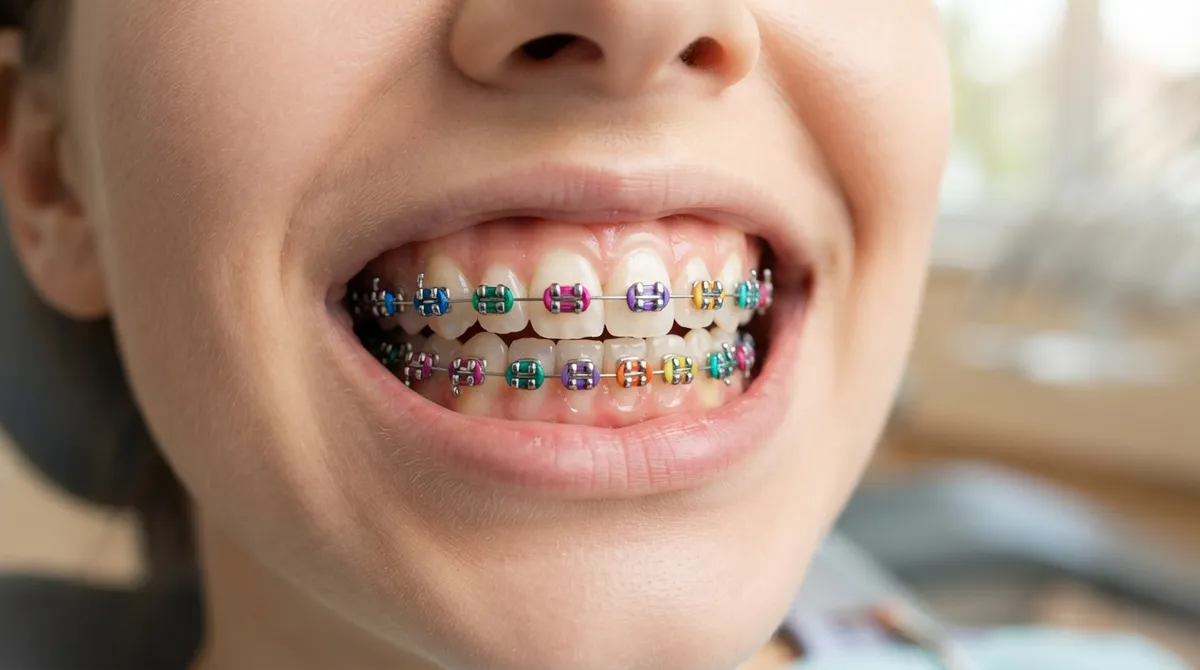
Most people picture bright metal brackets when they hear “colored braces.” In reality, the color usually comes from small elastic rings called ligatures. These tiny bands wrap around each bracket and help hold the archwire in place.
So the brackets and wires stay the same. The elastics are what change. That is great news, because it means your color choice is not permanent. Your orthodontist swaps in fresh ligatures at adjustment visits, and you get to pick again.
- Colored ligatures: small elastic rings that go around each bracket.
- Temporary choice: new colors can be chosen at each adjustment visit.
- Cosmetic only: the shade you pick does not change how your teeth move.
If you want a refresher on the basics, our guide to types of braces explains how the different systems work.
Popular Colored Braces Options to Consider
The color wheel is wide open. The exact palette depends on the practice and the appliance system, so it is smart to ask which shades your orthodontist offers. Most offices carry a nice range.
Bright and Bold Shades
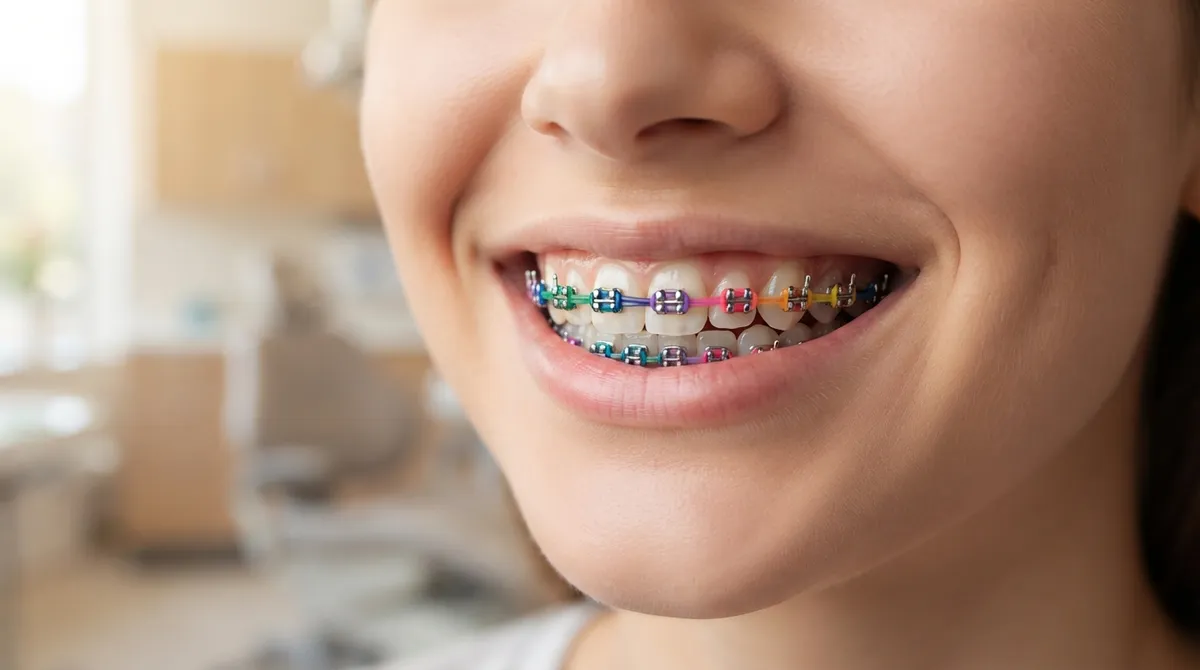
Neon-style brights, hot pinks, electric blues, and lime greens are favorites with kids and teens. They are playful and easy to spot, which makes them great for showing off your style.
Pastels and Soft Tones
Lavender, mint, baby blue, and soft pink give a gentler look. Many adults like pastels because they feel fresh without being loud.
Dark Jewel Tones
Deep purple, forest green, navy, and burgundy look rich and polished. These darker shades tend to hide discoloration well.
Neutral Shades
Silver and gray blend in with metal brackets, giving a clean, low-key look. They are a lovely pick if you want your braces to be less noticeable.
| Color Family | Best For | Things to Know |
|---|---|---|
| Bright and bold | Kids, teens, fun looks | Highly visible, very playful |
| Pastels | Adults, soft style | Lighter shades can show stains faster |
| Dark jewel tones | Hiding discoloration | Can make teeth look brighter by contrast |
| Silver or gray | Subtle, low-key look | Often a lower-maintenance neutral choice |
| White or clear | Very subtle look | Can stain and may make teeth look more yellow |
How to Choose Colors Step by Step
Picking colors does not have to feel hard. Follow these simple steps at your next visit.
- Ask what is available. Every office has a slightly different palette, so check the options first.
- Think about your goal. Do you want to stand out, blend in, or make your teeth look brighter?
- Consider your skin tone and style. Cool shades and warm shades flatter different people.
- Plan around your calendar. Big events, school colors, or holidays can guide your choice.
- Test a combination. You can often mix two or three colors, so try a pattern if you like variety.
- Remember you can change it. If you do not love the result, you get a new chance at the next adjustment.
That last point takes the pressure off. Think of your colored braces options as a monthly style refresh rather than a forever decision.
Which Colors Make Teeth Look Whiter?
This is one of the most common questions we hear. The answer comes down to contrast. Darker colors can make your natural tooth shade look brighter, because the teeth look lighter next to a deep tone.
Colors like navy, dark blue, purple, and deep green often work well for this. Warm shades such as gold or yellow can have the opposite effect and make teeth look a bit more yellow.
- Often flattering: navy, royal blue, plum, forest green, and teal.
- Use with care: white, yellow, and very light pastels, which can blend with tooth color and show staining.
- Safe neutral: silver or gray, which many patients find easy to live with.
Every smile is different, so what looks great on a friend may look different on you. Do not be shy about asking your orthodontist for their opinion.
Staining: Which Colors Hold Up Best?
Elastic bands can pick up color from certain foods and drinks. Clear and light-colored ligatures show staining the most. Common culprits include coffee, tea, curry, and tomato-based sauces.
Darker colors tend to hide discoloration better, which is why many busy adults pick deep tones. Silver and gray can also be a practical pick if you want fewer surprises between visits.
The good news is that staining is only a short-term issue. Your bands are replaced at every adjustment, so any discoloration disappears when you get fresh ones. Still, a little care goes a long way.
Here are simple habits that help keep your bands looking bright:
- Rinse with water after coffee, tea, or sauces.
- Brush gently around each bracket twice a day.
- Floss daily with a floss threader or water flosser.
- Limit dark, staining foods when you can.
For more on daily care, see our tips for how to care for your braces.
How Often Can You Change Your Colors?
You can usually pick new colors at each adjustment appointment. According to the American Association of Orthodontists, adjustment visits commonly happen about every 4 to 8 weeks, though your exact schedule depends on your treatment plan.
That means you get a regular chance to try something new. Many patients rotate through seasons and holidays, like red and green in winter or pastels in spring. Others stick with a favorite color all through treatment.
Curious about what happens at those visits? Read our guide on how often you will need braces adjustments.
Colored Options for Different Types of Braces
Not every braces system uses colored elastics the same way. Knowing the difference helps you set the right expectations.
Traditional Metal Braces
These are the classic choice and the most flexible for color. You can pick single colors, patterns, or seasonal mixes at every visit. Learn more in our post on why traditional metal braces are still a top choice.
Ceramic or Clear Braces
Ceramic braces use tooth-colored or clear brackets for a less noticeable look. Many patients can still choose colored ligatures, though most pick neutral tones to keep things subtle. If you are leaning discreet, our list of things to know about clear braces is a helpful read.
Self-Ligating Braces
Self-ligating braces use a built-in clip or door to hold the wire, so they may not use the same colored elastic ties. Color options depend on the specific system, so ask your orthodontist what is possible.
Fun Bracket Shapes with WildSmiles
If you want more than colored bands, there is another playful route. Our WildSmiles braces come in fun shapes like stars, hearts, flowers, and footballs. The Signature Collection also includes Disney-inspired options for young fans. Pair a fun bracket shape with a bold color, and you have a truly one-of-a-kind smile.
Clear Aligners for a Color-Free Option
Some patients, especially working professionals, prefer no visible hardware at all. In that case, clear aligners are a discreet alternative. You will not pick colors, but you also will not see braces.
| Treatment Type | Colored Ligatures? | Look |
|---|---|---|
| Traditional metal braces | Yes, wide range | Bold and customizable |
| Ceramic braces | Often yes | Subtle or colorful |
| Self-ligating braces | Depends on the system | Sleek and streamlined |
| Clear aligners | No | Nearly invisible |
Color Ideas for Teens, Parents, and Adults
Different life stages call for different color strategies. Here are a few ideas to spark your imagination.
For Kids and Teens
School colors, favorite sports teams, and holiday themes are big hits. Letting your child choose builds excitement and helps them stay committed to treatment. When patients enjoy the process, they are more likely to brush, floss, and follow the rules. Our guide to choosing the right braces for teens has more tips for parents.
For Adults and Professionals
Many adults go with silver, gray, or deep jewel tones for a polished look. These shades fit well in a professional setting and still feel intentional. Adult treatment is more popular than ever. The AAO’s 2025 member survey estimated about 1.91 million adults were treated by AAO members in the United States in 2024, up from about 1.64 million in 2022. You are in good company.
For Big Life Events
Graduation, weddings, and photo shoots often call for color planning. Pick shades that suit your outfit, or choose neutral bands for photos. A smart move is to time your color change for a few days before the event. Plan ahead and schedule your adjustment visit so your bands are fresh on the big day.
Common Mistakes to Avoid
A few small slip-ups can make your colored braces look less than their best. Watch out for these.
- Picking white or yellow bands: they can make teeth look more yellow and stain easily.
- Skipping cleaning: color does not replace good brushing and flossing.
- Ignoring food rules: hard or sticky foods can damage braces. See our list of foods to avoid with braces.
- Choosing without asking: your orthodontist can suggest shades that flatter your smile.
Remember, color is the fun part, but your treatment plan is what moves your teeth. Following your orthodontist’s instructions is what gets you to that finish line.
Why Color Choice Makes Treatment Easier
It may sound silly, but picking colors can genuinely improve your experience. When you feel good about how your braces look, you are more likely to wear a confident smile and stay motivated. Kids look forward to adjustment visits, and adults feel like they have a little control over how their treatment looks.
It also gives families something positive to talk about. A trip to the orthodontist becomes a chance to try a new look instead of just another appointment on the calendar.
Local Care for Colorful Smiles in Lakewood Ranch
At Segovia Orthodontics, we offer personalized care for every age, from early treatment for kids to adult orthodontics. Dr. Flor Segovia is a board-certified orthodontist who offers bilingual care in English and Spanish, and she can walk you through color options and which system fits your goals. You can verify board certification through the American Board of Orthodontics.
Want to see what our patients say? Visit us on Google — Segovia Orthodontics to read reviews and find our Lakewood Ranch location. You can also follow along with smile updates on our Facebook page and our Instagram page.
Ready to Pick Your Perfect Colors?
Colored braces options are one of the happiest parts of treatment. You get to express yourself, change things up every few weeks, and still work toward a healthy, straight smile. Pick shades that match your style, keep your teeth clean, and enjoy the ride.
Ready to start? Request an appointment with our team, or call us at 941-557-1333 to talk through your options. We cannot wait to help you find a color combination you will love.
FAQs
Q: What colors can you get for braces?
A: Most offices offer a wide palette, including bright shades, pastels, dark jewel tones, and neutrals like silver or gray. The exact colors depend on your orthodontist and the type of braces you have, so it is a good idea to ask what is available at your visit.
Q: Which braces colors make teeth look whiter?
A: Darker colors like navy, royal blue, purple, and deep green can make your teeth look brighter by contrast. White and yellow bands often do the opposite and can make your natural tooth shade look more yellow.
Q: How often can you change the colors on your braces?
A: You can usually choose new colors at each adjustment appointment, which commonly happens every 4 to 8 weeks. Your exact schedule depends on your treatment plan, and each visit is a fresh chance to try a new look.
Q: Do ceramic and self-ligating braces have colored bands?
A: Ceramic braces can often still be paired with colored ligatures, though many patients choose neutral tones to stay subtle. Self-ligating braces use a built-in clip instead of elastic ties, so color options depend on the specific system, and your orthodontist can tell you what is possible.
Q: How do I keep my colored bands clean?
A: Brush gently around each bracket twice a day, floss daily, and rinse with water after coffee, tea, or sauces. Light colors can stain more easily, but because bands are replaced at each adjustment, any staining is only temporary.
Our Service Area