Key Takeaways
-
Most patients with braces need adjustments every 4-8 weeks, with 6-8 weeks being the standard interval, but your exact schedule depends on bite complexity, braces type, age, and how well your teeth are responding.
-
Braces adjustment visits involve checking tooth movement, replacing archwires, swapping elastic ties, and inspecting brackets—not just tightening—so skipping appointments can significantly delay your total treatment timeline.
-
Missing or postponing adjustment visits can slow progress and extend total treatment time, so consistency matters; some situations like loose brackets or protruding wires require immediate attention without waiting for your next scheduled visit.
-
LightForce custom 3D-printed braces can reduce treatment time by up to 45% compared to traditional braces, meaning fewer total adjustment visits needed over the course of treatment.
-
Clear aligners follow a different schedule: patients switch trays every 1-2 weeks at home with in-office check-ins every 6-8 weeks, offering busy adults more flexibility than traditional braces.
-
Post-adjustment soreness is normal and typically fades within 2-4 days; soft foods, orthodontic wax, and warm salt water rinses can ease discomfort, and regular dental cleanings remain important alongside orthodontic visits.
If you or your child just got braces, you’re probably wondering how often you’ll need to head back to the orthodontist’s chair. It’s one of the most common questions families ask us here at Segovia Orthodontics, and honestly, it’s a great one to have answered upfront. Knowing what to expect helps you plan around soccer practice, work meetings, and everything else on your busy calendar.
The good news? Braces adjustments follow a pretty predictable rhythm. Most patients see their orthodontist every 4 to 8 weeks during treatment, with many practices settling into a comfortable 6-to-8-week routine. But the exact schedule isn’t one-size-fits-all. Your treatment plan, your teeth, and even your age can shift things around a bit. Let’s break down exactly what happens at these visits, why the timing matters, and how you can make the whole process feel a lot less mysterious.

How Often Are Braces Adjustments Really Needed?
Most people with traditional braces come in for adjustments every 4 to 8 weeks. Some orthodontic offices lean toward a tighter 6-to-8-week window, which has become a pretty standard interval across many practices. A few patients might be seen sooner, especially early in treatment, while others stretch closer to 10 weeks if things are moving along nicely.
There’s no single magic number that works for everyone. Your orthodontist looks at several things before deciding your personal schedule, including:
- How complex your bite correction is
- The type of braces or appliance you’re wearing
- Your age and how your jaw is developing
- How well your teeth are responding to treatment so far
- Your oral hygiene habits and gum health
- Whether you’re using rubber bands or other add-on appliances
At Segovia Orthodontics, Dr. Flor Segovia builds a custom plan for every patient, whether you’re wearing traditional metal braces, fun WildSmiles braces for kids, or high-tech LightForce braces. That personalized approach means your adjustment schedule fits your smile, not a generic template.
What Actually Happens During a Braces Adjustment?
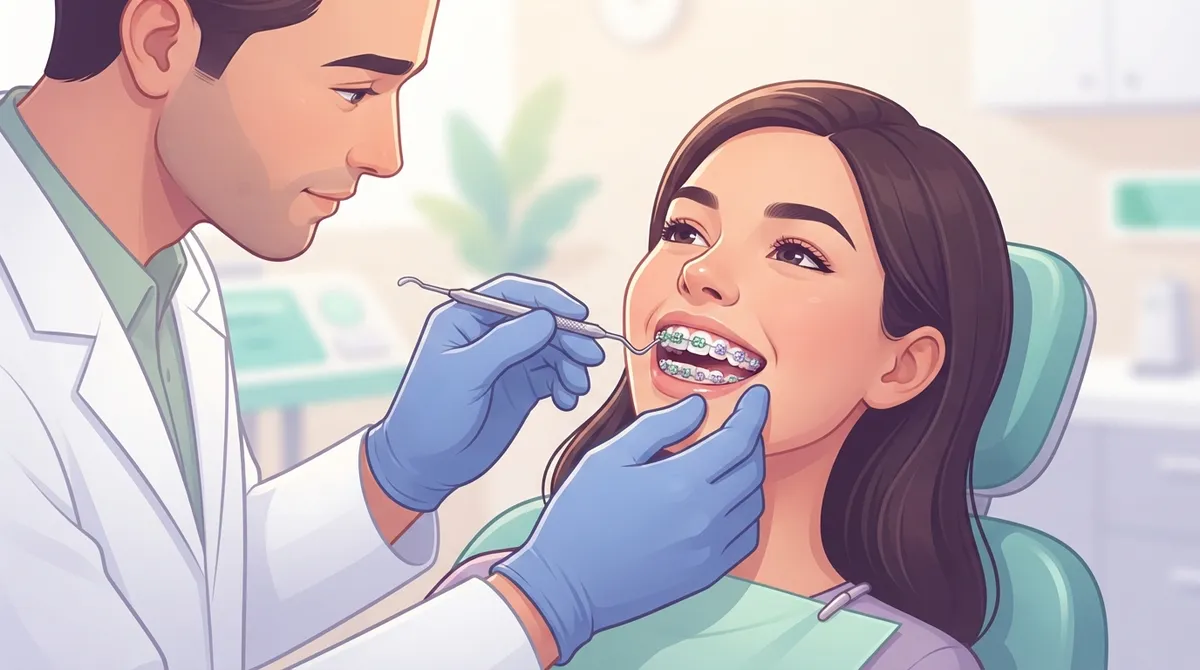
Here’s a little secret: adjustment appointments aren’t just about “tightening” your braces. In fact, tightening doesn’t happen at every single visit. Your orthodontist is doing a lot more behind the scenes to keep your treatment on track.
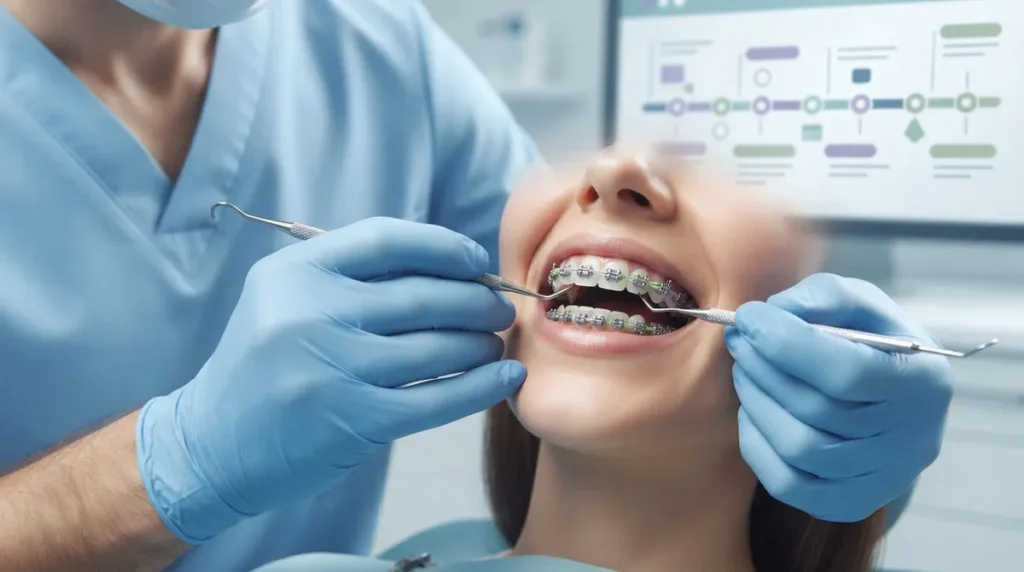
During a typical adjustment visit, your orthodontic team may:
- Check how much your teeth have moved since your last visit
- Replace or reshape your archwire to apply new, controlled pressure
- Swap out colored elastic ties (a fun moment for kids picking new colors!)
- Add or adjust rubber bands if your bite needs extra correction
- Inspect brackets and bands to make sure nothing is loose or damaged
- Check your gum health and look for any signs of irritation
Each of these steps plays a role in guiding your teeth into their final position, gradually and safely. It’s a controlled process, not a rushed one. Think of it like steering a ship: small, steady corrections get you to the destination much better than one big, forceful turn.
Braces Adjustment Schedules: A Quick Reference
Since interval recommendations can vary depending on the source and the practice, here’s a simple table comparing commonly cited adjustment timelines:
| Source or Guideline | Typical Adjustment Interval |
|---|---|
| Common practice standard | Every 6 to 8 weeks |
| Broader clinical range | Every 4 to 10 weeks |
| Some hospital orthodontic guides | Every 6 to 10 weeks |
| Average total treatment length | 18 to 24 months (sometimes up to 2-3 years) |
As you can see, there’s a healthy range here rather than one strict rule. That’s actually reassuring—it means your orthodontist has room to tailor your visits to what your smile truly needs.
Does Every Type of Braces Follow the Same Schedule?
Not exactly. While the general 4-to-8-week window applies broadly, the specific appliance you’re wearing can influence things slightly.
- Metal braces: Usually follow the standard 4-to-8-week adjustment cycle
- Ceramic or clear braces: Similar timing, though brackets may need closer monitoring for staining or wear
- LightForce braces: Custom-fitted design can sometimes mean fewer adjustments are needed since brackets are precision-made for your teeth
- Clear aligners like Angel Aligners: These work differently—patients typically pick up new trays every 1 to 2 weeks at home, with in-office check-ins every 6 to 8 weeks
If you’re curious about which option fits your lifestyle best, our types of braces guide breaks down the differences in simple terms. And if you’re weighing traditional braces against clear aligners, our comparison on braces vs. clear aligners is a great place to start.
Why Sticking to Your Schedule Actually Matters
We get it—life happens. Kids get sick, work gets busy, and sometimes an appointment slips through the cracks. But skipping or repeatedly postponing your adjustment visits can slow down your whole treatment timeline.
Here’s why consistency matters so much:
- Your orthodontist applies controlled forces that need regular monitoring to stay effective
- Missed visits can mean wasted time where your teeth aren’t moving as planned
- Small problems, like a loose bracket, get caught early instead of becoming bigger issues
- Poor elastic wear or hygiene habits can be addressed before they cause setbacks
- Your total time in braces could extend if visits are consistently delayed
For busy parents juggling multiple kids’ schedules, this is especially important. That’s part of why flexible scheduling matters so much when choosing where to go for care. Learn more about what sets our team apart on our why choose us page.
When You Shouldn’t Wait for Your Next Scheduled Visit
While regular adjustments follow a predictable rhythm, some situations need attention right away. Don’t wait weeks to address these issues:
- Significant pain that doesn’t ease up after a day or two
- A wire poking or protruding that orthodontic wax can’t fix
- A loose bracket or band that’s come detached
- Any injury to the face or mouth while wearing braces
- Swallowing or inhaling a piece of your appliance
If any of these happen, don’t tough it out until your next appointment. Reach out to your orthodontic office right away. We’ve put together helpful guidance on our orthodontic emergency page so you know exactly what steps to take.
What About Soreness After an Adjustment?
It’s completely normal to feel some tenderness for a day or two after an adjustment. Your teeth are adjusting to new pressure, which is a good sign that your treatment is working. Most soreness fades within 2 to 4 days.
A few simple tips can help:
- Stick to softer foods for the first day or two after your visit
- Use orthodontic wax on any spots that feel irritated
- Rinse with warm salt water to soothe gums
- Take an over-the-counter pain reliever if needed (check with your orthodontist first)
Don’t Skip Your Regular Dental Checkups
Here’s something people sometimes forget: braces adjustment visits don’t replace your regular dental cleanings. Your general dentist still plays an important role in keeping your teeth and gums healthy while you’re in treatment. Cavities and gum issues can pop up around brackets if brushing and flossing aren’t top-notch, so keep those six-month dental visits on the calendar too.
Curious about what your very first orthodontic visit looks like before braces even go on? Check out our guide to the first orthodontic visit for a full walkthrough.
Making Adjustments Fun for Kids
Let’s be honest, adjustment visits aren’t always a kid’s favorite outing. That’s part of why we love offering options like WildSmiles brackets, which come in shapes like stars, hearts, and even Mickey Mouse. When kids get excited about picking new colors or showing off their fun bracket shapes, those regular visits become something to look forward to instead of dread.
Plus, WildSmiles brackets are designed to help with brushing habits. Their unique shape makes it easier to spot leftover plaque, turning good oral hygiene into a bit of a game for younger patients.
How LightForce Technology Can Change the Adjustment Timeline
Because LightForce braces are custom 3D-printed to match each patient’s exact tooth structure, treatment can move noticeably faster. Some patients see treatment times reduced by up to 45% compared to more traditional approaches. That can mean fewer total adjustment visits over the course of treatment, which is a huge win for busy professionals and parents alike. You can explore more about this advanced orthodontic technology and how it fits into your treatment plan.
Clear Aligners and Adjustment Visits: A Different Approach
If you’ve chosen clear aligners like Angel Aligners instead of traditional braces, your “adjustment” schedule looks a little different. Instead of visiting the office every few weeks for wire changes, you’ll typically switch to a new set of trays at home every week or two. In-office check-ins still happen, usually every 6 to 8 weeks, so your orthodontist can confirm your progress and hand you your next batch of aligners.
Many adults love this approach because it fits into a busy lifestyle without frequent office visits. Learn more about how clear aligners work and whether they might be the right fit for your smile goals.
Choosing an Orthodontist Who Fits Your Schedule
Whether you’re a parent coordinating school pickups or a professional trying to protect your calendar, the right orthodontic office should work with your life, not against it. That’s exactly the approach we take at Segovia Orthodontics in Lakewood Ranch. Dr. Flor Segovia is a board certified orthodontist who believes in creating a comfortable, welcoming experience for patients of every age.
Want to see what real patients say about their experience? Take a look at Visit us on Google — Segovia Orthodontics to read honest reviews from our Lakewood Ranch community. You can also connect with us on our Facebook page or follow along on our Instagram page for smile transformations and helpful tips.
A Few Final Thoughts on Staying on Track
Braces adjustments are a normal, important part of your orthodontic journey. While the 4-to-8-week window is common, your personal plan might look a little different, and that’s perfectly okay. What matters most is showing up consistently, communicating any concerns promptly, and trusting the process your orthodontist has designed for you.
If you’re ever unsure about a broken bracket, unexpected pain, or just want reassurance about your treatment timeline, organizations like the American Board of Orthodontics emphasize the value of working closely with a qualified specialist throughout treatment. That partnership between patient and orthodontist is really what keeps things moving smoothly.
Ready to Get Started or Have Questions About Your Schedule?
Whether you’re just beginning your orthodontic journey or you’re already in treatment and wondering if your adjustment schedule is right for you, our friendly Lakewood Ranch team is here to help. Feel free to contact us with any questions, or go ahead and request an appointment to get your personalized treatment plan started. You can also simply call us at 941-557-1333 and our team will walk you through everything, step by step. We can’t wait to help you or your family achieve a smile you’ll love showing off.
FAQs
Q: How often should braces be adjusted or tightened?
A: Most patients come in for adjustments every 4 to 8 weeks, with 6 to 8 weeks being a pretty common sweet spot. Your exact schedule depends on your treatment plan, so your orthodontist will let you know what works best for your smile.
Q: Is the adjustment schedule the same for metal and ceramic braces?
A: Pretty much! Both usually follow that same 4-to-8-week window. Ceramic braces might get a little extra attention to check for staining, but the overall timing stays similar.
Q: What actually happens during a braces adjustment appointment?
A: Your orthodontist checks how your teeth have moved, may change your archwire, swap elastic ties, and inspect your brackets and bands. Tightening doesn’t always happen at every visit—it depends on where you are in treatment.
Q: What should I do if I miss a braces adjustment appointment?
A: Reschedule as soon as you can! Missing visits can slow down your progress and may extend how long you’re in braces overall. Just give our office a call and we’ll get you back on track.
Q: Do braces hurt after an adjustment, and how long does soreness last?
A: A little soreness is totally normal and usually fades within 2 to 4 days. Soft foods, orthodontic wax, and a warm salt water rinse can make those first couple days much more comfortable.
Our Service Area