
Key Takeaways
-
Ceramic invisible braces are discreet, not truly invisible: the clear or tooth-colored brackets blend in, but the wire and ties can still be seen up close.
-
Ceramic braces move teeth like metal braces and stay on around the clock, so there is no removable tray to forget, though they need a candidacy check by an orthodontist first.
-
Ceramic brackets can chip or break on hard, sticky, or crunchy foods, and the elastic ties can stain from coffee, tea, and dark sauces, so careful eating and brushing after meals help.
-
Ceramic braces often cost more than metal braces, and total cost and treatment time depend on your case, so an exam is the best way to get a personal estimate.
Have you ever looked at a smile and thought, “I want that, but I do not want everyone to see my braces”? You are in good company. Many parents, teens, and busy adults feel the same way. That is why ceramic invisible braces get so much attention in 2026.
Here is the friendly truth. Ceramic braces are fixed braces with clear or tooth-colored brackets. They blend in with your teeth, but they are not truly invisible. Still, they can be a great middle ground between bold metal braces and removable trays.
In this guide, we walk through eight honest truths about ceramic invisible braces. You will learn how they work, what they cost, how to care for them, and who they suit best. Whether you are planning for your child, getting ready for a wedding, or fixing a smile that shifted years ago, this is for you.

1. “Invisible” Really Means “Discreet”
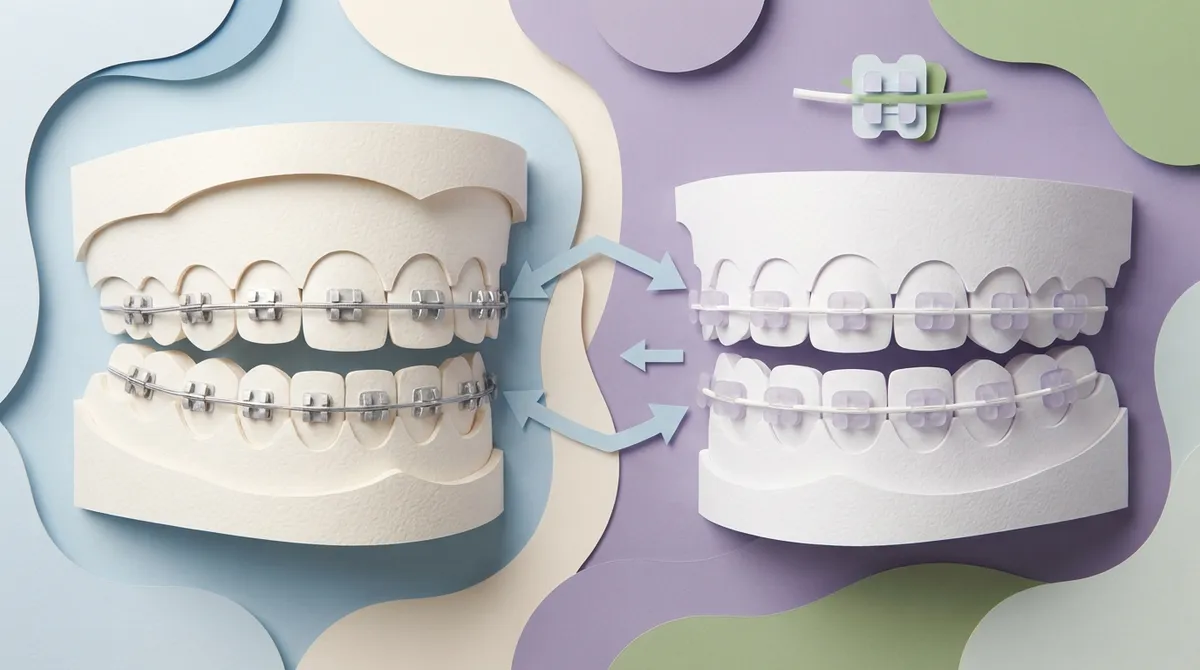
Let us start with the big one. The name sounds like magic, but ceramic invisible braces are not see-through. The brackets are made from clear or tooth-colored ceramic. They match your tooth shade and draw less attention than metal.
The archwire and the tiny ties that hold it in place may still show. Some wires are tooth-colored to help them blend in. Up close, a person can still tell you have braces. From a normal talking distance, they are much harder to spot.
So think of them as discreet, not invisible. That small shift in thinking helps you set the right expectations.
2. They Work Like Metal Braces
Here is the good news. Ceramic braces move teeth the same way metal braces do. Brackets are bonded to your teeth. A wire runs through them and applies gentle, steady pressure. Over time, your teeth shift into a better position.
This means ceramic braces can treat many alignment and bite problems. That includes crowding, gaps, and some bite issues. Whether they fit your case depends on your own mouth, so an orthodontist needs to check you first. You can read more about common concerns on our common orthodontic problems page.
If you want a deeper look at how all the options compare, our guide on 7 types of braces is a helpful read.
3. Ceramic, Clear Aligners, and Lingual Braces Are Not the Same
The phrase “invisible braces” gets used for a few different things. That can be confusing, so let us clear it up.
- Ceramic braces: Fixed braces with clear or tooth-colored brackets on the front of your teeth.
- Clear aligners: Removable, see-through trays that you swap out every so often.
- Lingual braces: Fixed braces placed on the back side of your teeth.
Each one has its own strengths. Clear aligners come out for meals and brushing. Ceramic braces stay on the whole time, which means no tray to forget. If you are curious about trays, visit our page on clear aligners.
| Option | Fixed or Removable | How Noticeable | Best For |
|---|---|---|---|
| Ceramic braces | Fixed | Discreet, not invisible | People who want steady, always-on treatment |
| Clear aligners | Removable | Very discreet | People who can wear trays about 22 hours daily |
| Lingual braces | Fixed (behind teeth) | Hidden from view | Select cases, based on an orthodontist’s advice |
4. Staining Is a Real Thing (But Easy to Manage)
Ceramic brackets are generally made to resist staining. The small elastic ties are a different story. Clear or white ties can pick up color from coffee, tea, red wine, curry, and dark sodas. They are usually swapped out at your adjustment visits, so a fresh set keeps things looking bright.
Here are simple ways to keep your smile looking its best:
- Brush after meals and drinks that stain.
- Rinse with water when you cannot brush.
- Sip dark drinks through a straw when you can.
- Go easy on coffee, tea, and tomato-based sauces.
Small habits go a long way. Your orthodontist can also share tips that fit your lifestyle.
5. Ceramic Brackets Can Be More Fragile
Now for a little honesty. Ceramic brackets can be more brittle than metal ones. They may chip or break, especially if you bite into hard, sticky, or crunchy foods. A broken bracket may need a repair visit.
That is not a reason to panic. It just means you need to treat your braces with care. Our guide on 13 foods to avoid with braces is a great cheat sheet. If something does break, check out our page on orthodontic emergencies so you know what to do.
6. Daily Cleaning Matters More Than You Think
Any fixed braces make brushing and flossing trickier. Food and plaque love to hide around brackets. If plaque builds up, it can lead to gum swelling, cavities, and white spot marks on your teeth. Those marks can stay after braces come off.
A small study of 20 teenagers, summarized by WebMD, reported less long-term plaque buildup around ceramic braces than metal ones. That is a tiny group, so it is not proof that ceramic is better for cleanliness. The takeaway is simple: great habits matter most, no matter which braces you choose.
- Brush after every meal with a soft toothbrush.
- Angle your brush to clean above and below each bracket.
- Floss daily using a floss threader or water flosser.
- Keep up with regular dental cleanings.
For more ideas, see our post on how to care for your braces.
7. Cost and Treatment Time Depend on You
Many people ask, “How much will ceramic invisible braces cost, and how long will I wear them?” The honest answer is that it depends. Ceramic braces can cost more than metal braces. Your final price depends on your case, treatment length, and your provider.
Treatment time varies too. One 2020 study of 134 patients reported an average orthodontic treatment time of about 28.6 months. That study looked at braces in general, not ceramic braces alone, so please do not treat it as a promise for your smile. Your orthodontist can give you a personal estimate after an exam.
Good news for budgeting: payment help can make care feel easier. Take a look at our orthodontic financing options, or read 9 smart ways to make orthodontic financing work for you.
8. The Right Choice Depends on Who You Are
Ceramic invisible braces are not one-size-fits-all. Let us look at who often loves them.
Concerned Parents and Teens
Teens often want something less noticeable for school photos and sports. Because ceramic braces are fixed, there is no tray to lose in a lunch bag. Parents like that peace of mind. Learn more about teen orthodontic treatment.
Busy Professionals and Young Adults
If you spend your day in meetings and on video calls, a discreet look can feel more comfortable. Ceramic braces work around the clock, so you do not have to remember to put anything back in. Our adult orthodontics page covers more.
Life Event Planners
Got a graduation, wedding, or big career moment coming up? Talk with your orthodontist early. Timelines vary, so a plan made well ahead of your date gives you the best shot at a great result.
Adults Facing Relapse
Did your teeth shift after braces years ago? You are not alone, and it is never too late to fix it. A fresh exam can show whether ceramic braces, aligners, or another path makes the most sense. Wearing your orthodontic retainers after treatment helps protect your results.
Other Options Worth Considering
Ceramic is just one road to a straighter smile. At Segovia Orthodontics, we offer several paths so you can pick what fits your life. Our LightForce braces use 3D-printed, custom-fit brackets in clear or white options, and our team can also guide you through clear aligner treatment. Kids can even have fun with WildSmiles braces.
Not sure which way to go? Our post on braces vs. clear aligners can help you think it through. You can also learn about Dr. Flor Segovia, a board-certified orthodontist, and the bilingual, family-friendly care we offer in Lakewood Ranch.
Ready to Find Your Best Fit?
Ceramic invisible braces can be a lovely choice when you want a more discreet look without giving up fixed, dependable treatment. They are not truly invisible, they need a little extra care, and your cost and timeline depend on your own smile. The best next step is a personal exam.
Want to see what other families say? You can visit us on Google — Segovia Orthodontics to read reviews, or follow along on our Facebook page and our Instagram page for smile stories and tips. You can also check an orthodontist’s credentials through the American Board of Orthodontics.
Ready to chat about your options? Request an appointment today, or call us at 941-557-1333. We cannot wait to help you smile with confidence!
FAQs
Q: Are ceramic invisible braces actually invisible?
A: Not quite! The brackets are clear or tooth-colored, so they blend in nicely, but the wire and small ties can still be seen up close. Think of them as very discreet rather than truly invisible.
Q: Do ceramic braces stain, and how can I prevent it?
A: The ceramic brackets are made to resist stains, but the clear or white elastic ties can pick up color from coffee, tea, and dark sauces. Brushing after meals and limiting staining drinks helps, and fresh ties are usually placed at your adjustment visits.
Q: Are ceramic braces as effective as metal braces?
A: They use the same bracket-and-wire basics, so they can treat many alignment and bite problems. The best fit for your smile depends on your individual case, so an orthodontist exam is the right first step.
Q: How much do ceramic invisible braces cost?
A: Ceramic braces can cost more than metal braces, but the price varies by case, treatment length, and provider. A consultation gives you a personal estimate, and financing options can help make the cost easier to manage.
Q: Are ceramic braces more fragile than metal braces?
A: Ceramic brackets can be more brittle and may chip or break if you bite hard, sticky, or crunchy foods. Being gentle with what you eat and calling your orthodontist if something breaks keeps your treatment on track.
Our Service Area