Key Takeaways
-
Schedule your child’s first orthodontic evaluation by age 7 to catch bite problems early, identify crowding issues, and spot jaw growth concerns while there’s still time to guide development.
-
Most kids start full braces between ages 9 and 14 when permanent teeth have arrived and the jaw is still growing, making treatment most efficient during this window.
-
Early intervention is possible even with baby teeth present if a child has severe crossbite, misaligned jaw, or other significant issues that could worsen without treatment.
-
Adults can get braces or clear aligners at any age with healthy teeth and gums; discreet options like clear aligners and custom LightForce braces work well for busy professionals.
-
Timing matters significantly because getting braces at the right time results in faster, more comfortable, and more effective treatment while avoiding complex and costly issues later.
-
Common warning signs that warrant an evaluation include crowded or overlapping teeth, visible bite problems, trouble chewing, jaw clicking, or teeth shifting after previous treatment.
Wondering when to get braces for your child, your teen, or even yourself? You’re definitely not alone. This is one of the most common questions parents and adults ask us here at Segovia Orthodontics. The good news? There’s no single “perfect age” for everyone. But there are clear signs and guidelines that can help you figure out the ideal timing for your unique smile journey.
Whether you’re a mom juggling soccer practice and school pickups, a young professional eyeing a career milestone, or an adult ready to finally fix that old relapse, this guide breaks it all down. We’ll walk through age recommendations, warning signs, and what to expect at each stage. By the end, you’ll feel confident about your next move.
Why Timing Matters When It Comes to Braces
Getting braces at the right time can make treatment faster, more comfortable, and more effective. Waiting too long on certain issues can mean more complex (and sometimes costlier) treatment down the road. On the flip side, starting too early when it’s not needed can waste time and money.
That’s why orthodontists don’t use a one-size-fits-all rule. Instead, we look at dental development, jaw growth, and the specific problem at hand. Dr. Flor Segovia and her team specialize in creating personalized treatment plans based on your exact needs, not a generic checklist.
The Age 7 Rule Every Parent Should Know
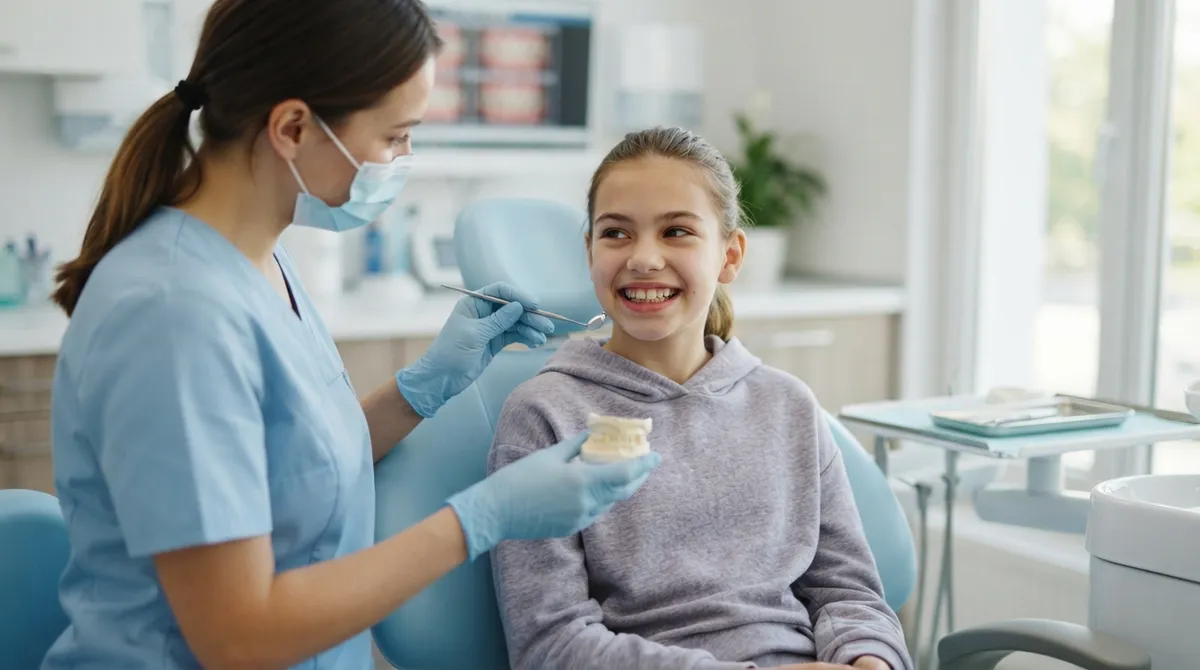
The American Association of Orthodontists recommends that every child have their first orthodontic check-up by age 7. This might sound early, but there’s solid reasoning behind it.
By age 7, kids usually have a mix of baby teeth and permanent teeth. This gives an orthodontist a clear window into how the jaw is developing and whether future problems might pop up. Think of it like a routine check-up, not a commitment to immediate treatment.
- It helps catch bite problems early, like crossbites or underbites
- It identifies crowding issues before they get worse
- It spots jaw growth concerns while there’s still time to guide development
- It reassures parents who are unsure if anything is wrong
- It allows time to plan the most efficient treatment approach
Most kids who visit at age 7 won’t start full braces right away. Instead, this visit is mainly for monitoring and planning. If you’re curious about what actually happens during this early visit, our orthodontic evaluation guide walks through it step by step.
The Most Common Age Range for Full Braces
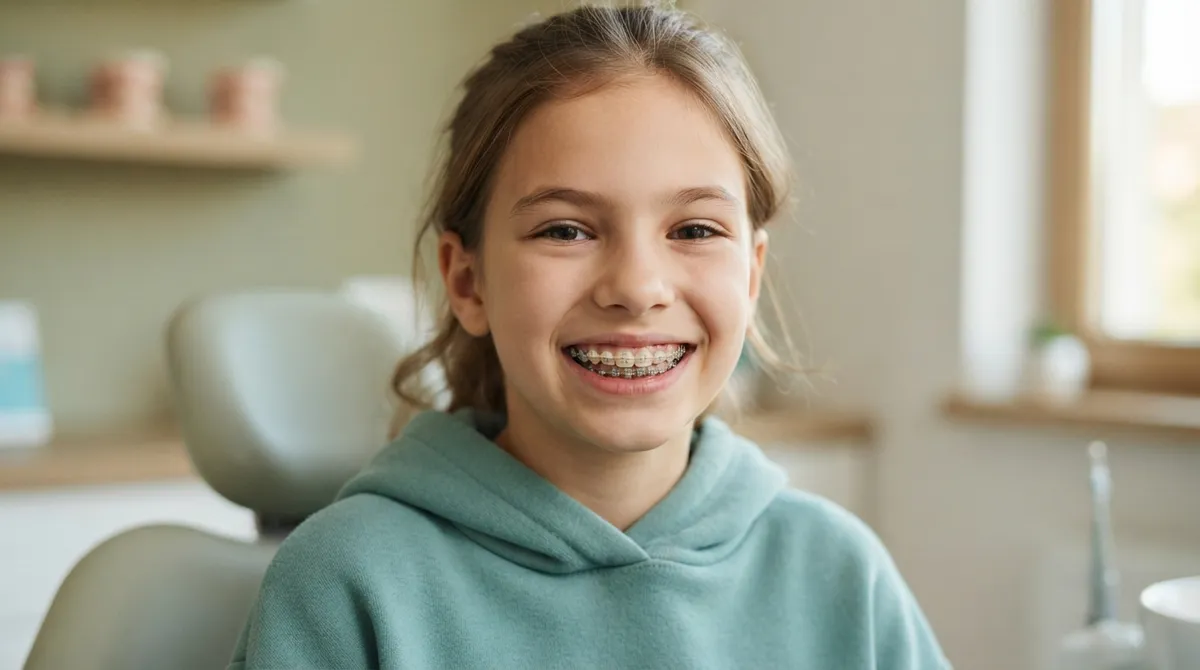
While early evaluations start at age 7, most kids don’t get full braces until later. The most common age range for starting braces is between 9 and 14 years old. This is when most permanent teeth have come in, and the jaw is still growing, making it an ideal time for adjustments.
Oral health experts, including those cited by Oral-B, point to ages 10 to 14 as an especially favorable window. During these years, the mouth is still developing, which allows orthodontic appliances to work more efficiently.
Signs Your Child May Need Braces Sooner
Some situations call for earlier treatment, even before all the permanent teeth arrive. Here are common signs that suggest it might be time for an evaluation:
- Teeth are noticeably crowded or overlapping
- There’s a visible overbite, underbite, or crossbite
- Baby teeth are falling out very early or very late
- Your child has trouble biting or chewing food
- You notice speech difficulties tied to tooth position
- There’s a habit of mouth breathing or thumb-sucking past age 5
- Jaws appear misaligned or shift when your child bites down
If any of these sound familiar, don’t wait for the standard age range. Early orthodontic treatment can guide jaw growth and simplify future care. Our page on early orthodontic treatment covers this in more detail, including how it can reduce the need for more invasive procedures later.
What About Kids Who Still Have Baby Teeth?
Here’s something many parents don’t realize: kids can sometimes start orthodontic treatment even while baby teeth are still present. This depends heavily on the specific issue and the orthodontist’s recommended plan.
For example, if a child has a severe crossbite or a jaw that’s growing unevenly, waiting for all baby teeth to fall out could make the problem harder to fix. In these cases, early intervention (sometimes called Phase 1 treatment) can guide growth in the right direction.
| Age Range | What Typically Happens | Common Treatment Type |
|---|---|---|
| Age 7 | First orthodontic evaluation | Monitoring, sometimes early treatment |
| Ages 7-9 | Early intervention if needed | Phase 1 treatment (expanders, limited braces) |
| Ages 9-14 | Most common window for full braces | Traditional braces or clear aligners |
| Teens (13-18) | Full treatment during high school years | Braces, clear aligners, or WildSmiles braces |
| Adults (18+) | Treatment at any healthy age | Clear aligners, discreet braces, LightForce braces |
Braces for Teens: Balancing School, Sports, and Social Life
If your teen is in that classic 9-to-14 age range (or slightly older), you’re probably thinking about more than just teeth. School photos, sports, dances, and social media all come to mind. The good news is that today’s orthodontic options make it easier than ever to fit treatment into a busy teen lifestyle.
Many teens today choose WildSmiles Braces, which let kids express their personality with fun bracket shapes like stars, hearts, and even Mickey Mouse designs for the younger crowd. For teens who want their treatment to be less noticeable, LightForce Orthodontics offers custom, 3D-printed brackets that are more subtle and often move teeth up to 45% faster than traditional methods.
Life event planners take note: if your teen has a big milestone coming up, like a graduation photo or a formal dance, starting treatment early gives enough time to finish before the big day. Our teen orthodontic treatment page has more details on scheduling around school and activities.
What If You Missed the Ideal Window as a Teen?
Life happens. Maybe braces weren’t in the budget, or maybe the timing just wasn’t right. Either way, missing the typical teen window doesn’t mean you’re out of luck. Many adults come to us years later, ready to finally get the smile they’ve always wanted.
Is It Too Late to Get Braces as an Adult?
Absolutely not. One of the biggest myths in orthodontic care is that braces are just for kids. In reality, adults can benefit from treatment at nearly any age, as long as their teeth and gums are healthy enough to support movement.
In fact, adult orthodontic treatment has been on the rise for years. One study cited by Penn Dental Medicine found that adult patients increased by 14% between 2010 and 2012 alone. That trend has only continued as more working professionals realize braces don’t have to disrupt their careers or confidence.
- Clear aligners like Angel Aligners offer a nearly invisible way to straighten teeth
- LightForce braces provide subtle, custom-fitted options for busy professionals
- Treatment can often be completed faster than people expect
- Flexible financing makes adult treatment more affordable than ever
- Many adults are treating relapse from braces they had as teens
If you had braces years ago and your teeth have shifted back, you’re not alone. This is called orthodontic relapse, and it’s incredibly common, especially if retainers weren’t worn consistently. Our adult orthodontics page covers how we help patients correct this with efficient, discreet options.
Discreet Options for Career-Focused Adults
For professionals who can’t afford a mouth full of metal during client meetings or presentations, clear aligners are often the answer. Angel Aligners, for example, use a unique 7+3 wear schedule that combines flexible and firmer trays to speed up movement while keeping visits to a minimum.
This means fewer trips to the orthodontist and faster results, both of which matter when you’re managing a demanding career. Many patients also appreciate that Angel Aligners tend to cost less than premium brands while still using advanced 3D digital planning.
How to Know If You Personally Need Braces
Not sure if your smile needs an orthodontist’s attention? Here are some straightforward signs that it might be time to schedule a consultation:
- Your teeth are crowded, crooked, or overlapping
- You have noticeable gaps between teeth
- Your bite feels uneven when you chew
- You experience jaw pain or clicking sounds
- Your teeth have shifted since a previous orthodontic treatment
- You feel self-conscious about your smile in photos or at work
- A dentist has recommended an orthodontic evaluation
If you recognize any of these signs, it’s worth booking a consultation. Our team can walk you through your options, whether that’s traditional braces, clear aligners, or a combination approach. Feel free to contact us to get started.
Choosing the Right Treatment Once You Know It’s Time
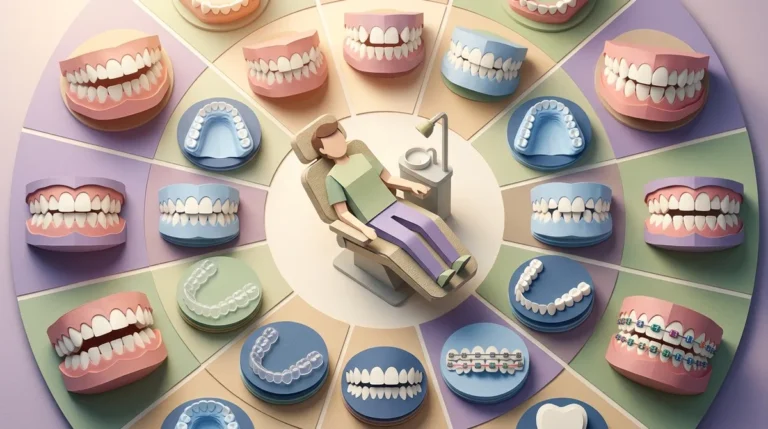
Once you’ve decided the timing is right, the next step is figuring out which type of treatment fits your lifestyle. At Segovia Orthodontics, we offer several options designed for different needs and preferences.
Comparing Treatment Options
| Treatment Option | Best For | Key Benefit |
|---|---|---|
| WildSmiles Braces | Kids and teens who want fun, expressive designs | Encourages better brushing habits with visible bracket shapes |
| LightForce Braces | Teens and adults wanting faster, custom-fit treatment | Up to 45% faster treatment with 3D-printed precision |
| Angel Aligners | Adults and professionals wanting discreet, budget-friendly options | AI-driven planning with a faster 7+3 wear schedule |
Not sure which option fits your situation best? Our page on types of braces breaks down each choice in more detail, and our team is always happy to walk you through the pros and cons during a consultation.
What to Expect at Your First Visit
Feeling nervous about that first appointment? That’s completely normal. Here’s a simple breakdown of what usually happens:
- A friendly welcome and brief discussion about your concerns or goals
- Digital X-rays or scans to assess tooth and jaw position
- A visual exam of your teeth, gums, and bite
- A conversation about timing, whether that means starting now or monitoring for later
- A review of treatment options that fit your age, lifestyle, and budget
Dr. Flor Segovia, a board-certified orthodontist, uses advanced orthodontic technology to make this process as smooth and informative as possible. She’s also fluent in both English and Spanish, which helps many families in the Lakewood Ranch area feel more comfortable during their visit.
You can learn more about her credentials on our orthodontist Flor Segovia page, and check her qualifications through the American Board of Orthodontics, which certifies orthodontists who meet rigorous professional standards.
Making Braces Work With Your Budget
Cost is often one of the biggest concerns when deciding on timing. The good news is that flexible financing options can make treatment accessible no matter when you decide to start.
- Monthly payment plans that fit various budgets
- Options for both children’s and adult treatment plans
- Insurance coordination to maximize your benefits
- No hidden fees or surprise charges
Our orthodontic financing page has more details on how we help families and individuals afford the smile they want, without unnecessary financial stress.
Real Stories, Real Smiles
Nothing beats hearing directly from patients who’ve been through the process themselves. You can see updates and patient stories on our Facebook page or follow along with transformations on our Instagram page. It’s a great way to see what treatment looks like at every stage, from the first consultation to the big reveal.
We also encourage you to visit us on Google to see what our patients are saying about their experience at our Lakewood Ranch practice. Reading real reviews can help ease any nerves about starting your own journey.
A Few More Tips Before You Decide
Before wrapping up, here are a few final thoughts to keep in mind as you think about timing:
- Don’t panic if your child’s teeth look crooked at age 7 or 8; this is often normal and resolves as permanent teeth come in
- Trust your gut if something feels off with your bite or your child’s bite
- Remember that adult treatment is just as valid and effective as treatment for kids or teens
- Consider upcoming life events, like weddings or graduations, when planning your timeline
- Ask questions during your consultation. No question is too small
And speaking of taking care of things at the right time, if you’re also planning home projects this season, companies like Panther Pools can help you get your outdoor space ready for all those smile-filled summer photos once your treatment is complete.
Your Next Step Toward the Right Smile Timing
Figuring out when to get braces doesn’t have to feel overwhelming. Whether you’re bringing your 7-year-old in for that first check-up, exploring options for your teenager, or finally addressing your own smile as an adult, the right time is whenever you feel ready to take that first step.
At Segovia Orthodontics, we’re here to guide you through every stage with warmth, expertise, and a genuine commitment to your comfort. Ready to find out what timing works best for you or your family? Request an appointment today, or feel free to call us at 941-557-1333 to speak with our friendly team. We can’t wait to help you start your journey toward a smile you’ll love showing off.
FAQs
Q: At what age should a child get braces?
A: Most kids start full braces between ages 9 and 14, but the American Association of Orthodontists recommends a first check-up by age 7. That early visit helps your orthodontist spot any issues before they get more complicated.
Q: How do you know if your child needs braces?
A: Look for crowded or overlapping teeth, an unusual bite, early or late loss of baby teeth, or trouble chewing. If you notice any of these signs, it’s a good idea to schedule an evaluation sooner rather than later.
Q: Can kids get braces with baby teeth still present?
A: Yes, in some cases! If there’s a significant bite problem or jaw growth issue, early treatment can start even while baby teeth are still around. It really depends on your child’s specific situation and your orthodontist’s recommendation.
Q: Is it too late to get braces as an adult?
A: Not at all! Adults can get braces or clear aligners at nearly any age, as long as their teeth and gums are healthy. In fact, more adults are choosing orthodontic treatment now than ever before.
Q: What signs mean braces are needed?
A: Common signs include crowded teeth, visible gaps, an uneven bite, jaw pain, or teeth that have shifted after previous treatment. If any of these sound familiar, a consultation can help you figure out your next steps.
Our Service Area