Key Takeaways
-
Both manual and electric toothbrushes work equally well with braces when proper technique is used; choose based on personal comfort and consistency rather than type.
-
Soft bristles and a compact brush head are essential features to prevent gum irritation and reach around brackets, more important than brand or price.
-
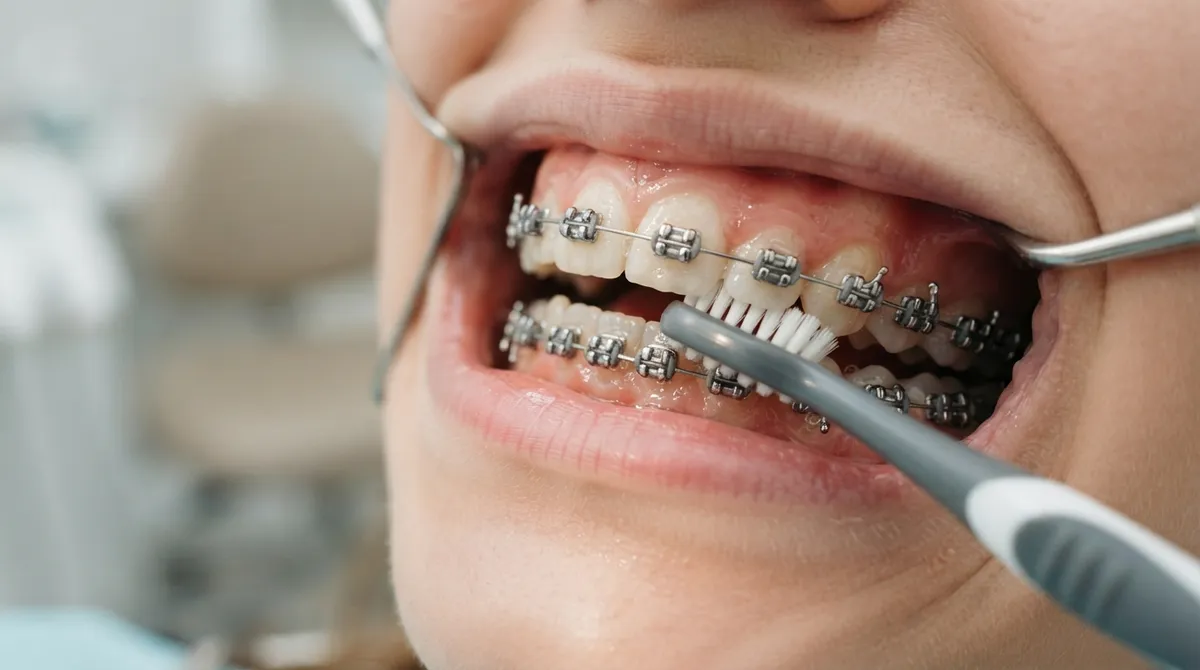
Brush at a 45-degree angle toward the gumline, cleaning above, directly over, and below each bracket with small gentle circles for at least two minutes.
-
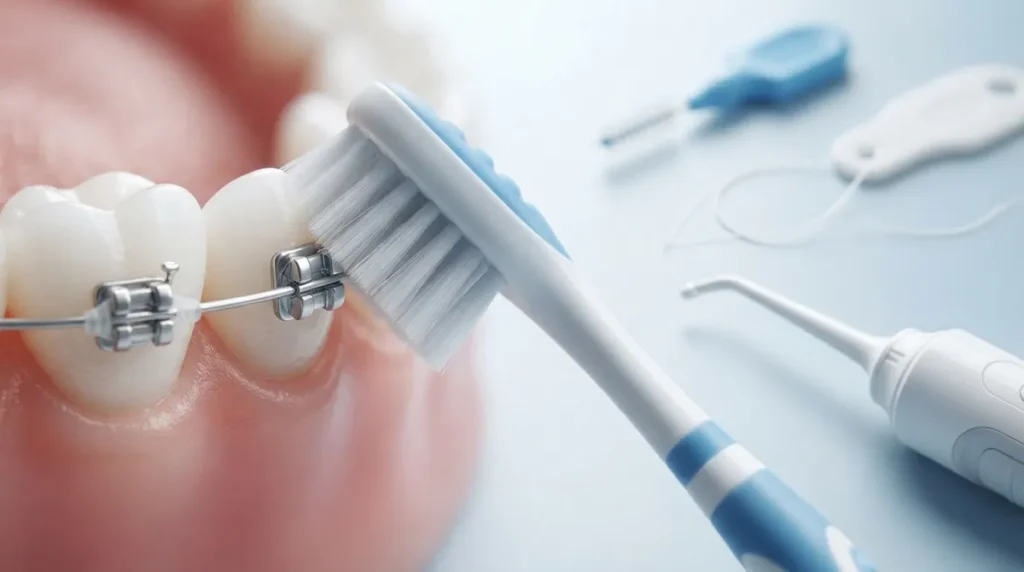
Combine your toothbrush with interdental brushes, floss threaders, or water flossers to remove food and plaque that a regular toothbrush cannot reach around wires.
-
Brush after every meal and use fluoride toothpaste to prevent white spots and cavities, which occur when plaque sits on teeth for extended periods.
-
Replace your toothbrush head every three months or when bristles appear worn, as frayed bristles cannot clean effectively and may irritate gums.
Getting braces is exciting. You’re on your way to a smile you’ll love showing off. But if you’re a parent watching your child navigate new brackets, or an adult who just started treatment, you might be wondering: what’s the best toothbrush for braces? It’s a great question, and honestly, the answer is more simple than you think.
Here at Segovia Orthodontics in Lakewood Ranch, we get this question all the time. Parents want to know how to help their kids brush better. Busy professionals want quick answers so they can get back to their day. And adults getting a second chance at a straight smile want to protect their investment. No matter which group you’re in, this guide will help you pick the right brush and use it the right way.
Why Brushing With Braces Feels So Different
Brackets and wires create tiny nooks where food and plaque love to hide. A regular brushing routine that worked before braces might not cut it anymore. That’s why picking the right toothbrush and technique matters so much during treatment.
The good news? You don’t need a fancy or expensive brush to keep your teeth clean. You just need one that fits your mouth, feels comfortable, and that you’ll actually use every single day. Consistency beats fancy features every time.
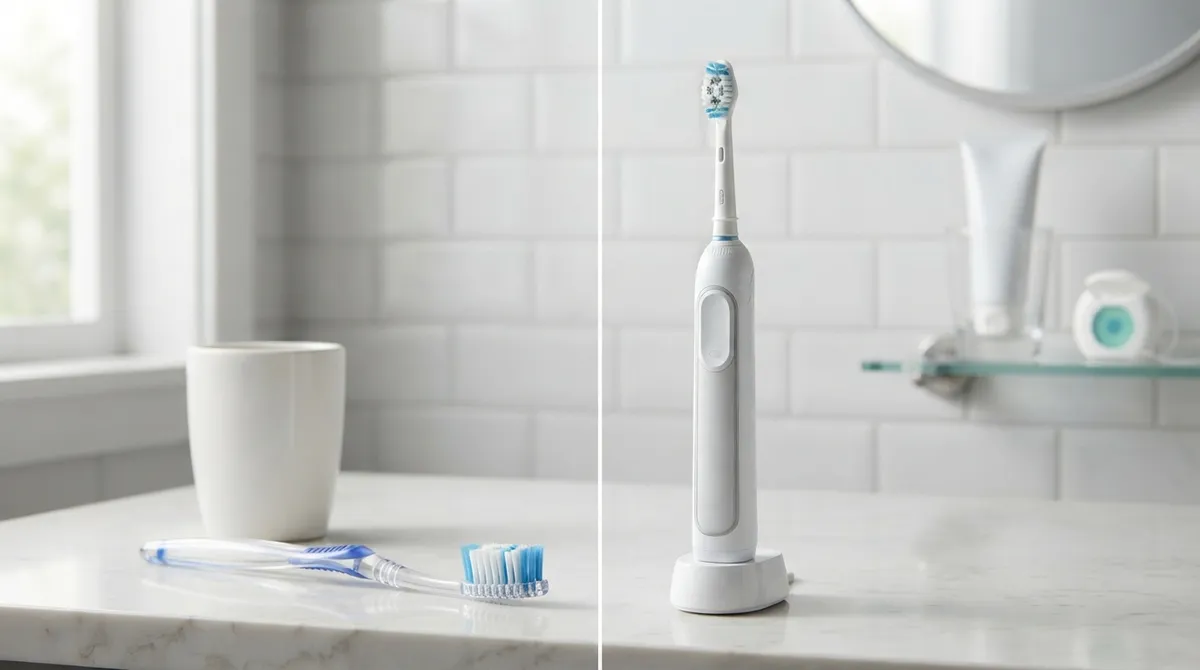
Manual vs Electric: Which One Wins?
This is probably the question we hear most. Let’s clear up the confusion once and for all.
Both manual and electric toothbrushes can work well with braces. The research actually backs this up. A 2015 clinical study found that manual orthodontic brushes, powered brushes, and sonic brushes all did a similarly good job controlling plaque and gum irritation. So neither type is automatically “better” for everyone.
That said, newer research shows some interesting trends. A 2024 review looking at 14 studies on plaque and 13 studies on bleeding found that manual brushing sometimes resulted in higher plaque and bleeding scores compared to powered brushes. Another recent review of 23 papers found powered brushes had a medium advantage for plaque and bleeding control, with an even bigger benefit for gum health. But here’s the catch: the researchers rated this evidence as low quality. That means we can’t say powered brushes are definitely superior for everyone.
So what does this mean for you? Here’s the honest truth:
- Electric toothbrushes may offer a small edge for some patients, especially those who struggle with technique
- Manual brushes work great when you use gentle, careful strokes around every bracket
- Your personal comfort and consistency matter more than the brush type
- Kids often do better with electric brushes because the brush does more of the work
- Busy professionals may love electric brushes with timers for quick, effective cleaning
Comparing Your Toothbrush Options
| Toothbrush Type | Best For | Key Features to Look For |
|---|---|---|
| Soft-bristled manual brush | Budget-friendly, simple routines | Small head, soft bristles, easy grip |
| Orthodontic manual brush | Patients who want a brush designed for brackets | V-shaped bristle design, compact head |
| Oscillating-rotating electric | Kids, teens, and anyone wanting extra help | Pressure sensor, timer, soft head |
| Sonic toothbrush | Adults wanting a gentle deep clean | Soft bristles, adjustable speed settings |
What Actually Makes a Toothbrush “Best” for Braces
Instead of chasing a specific brand, look for these features. They matter far more than marketing claims.
Soft Bristles Are a Must
Hard bristles can hurt your gums and wear down your enamel. This is especially risky when you’re already brushing around metal or ceramic brackets. Always choose soft bristles, no exceptions.
A Compact Brush Head
Braces take up space in your mouth. A smaller brush head can reach around brackets and into corners much easier than a bulky one.
Pressure Sensors Help a Lot
If you choose an electric toothbrush, look for one with a pressure sensor. This little feature stops you from scrubbing too hard, which can irritate your gums or loosen brackets over time.
A Built-In Timer
Most dentists and orthodontists recommend brushing for two full minutes. A timer keeps you honest, especially if you tend to rush through your routine before school or work.
A 2026 review comparing powered brushes to orthodontic-specific brushes found that specialty brushes may reduce plaque slightly better, though the evidence was still considered low certainty. This tells us that even experts are still working out the finer details. The bigger takeaway is that technique and consistency matter just as much as the brush itself.
How to Brush Properly With Braces
Having the right brush is only half the battle. Technique is where the real magic happens. Follow these steps every time you brush:
- Rinse with water first to loosen any loose food particles around your brackets.
- Angle your brush toward the gumline, holding it at about a 45-degree angle.
- Brush above each bracket first, using small gentle circles.
- Move to brushing directly over the brackets and wires, cleaning each one carefully.
- Brush below each bracket next, making sure to catch any trapped food.
- Clean the inside surfaces of your teeth, plus the chewing surfaces on top.
- Finish with a gentle brush along your gums and tongue for fresh breath.
This process might take a little longer than brushing without braces. That’s completely normal. Give yourself the time you need, especially right after treatment starts when everything feels new.
Don’t Forget These Extra Cleaning Tools
A toothbrush alone often isn’t enough once you have braces. Food and plaque like to hide in spots a brush simply can’t reach. Here’s what else helps:
- Interdental brushes: These tiny brushes slide between wires and teeth to clean spots your toothbrush misses.
- Floss threaders or orthodontic floss: These help you floss under the wire without fighting with regular floss.
- Water flossers: A gentle stream of water can blast away food particles stuck around brackets.
- Fluoride mouthwash: This adds an extra layer of protection against cavities during treatment.
A 2018 randomized trial found that combining an electric toothbrush with oral irrigation and a mild mouthrinse led to better plaque and gum health after four weeks compared to a professional cleaning followed by manual brushing alone. This shows that combining tools often works better than relying on just one method.
Special Tips for Different Life Stages
Whether you’re managing your child’s oral care, prepping for a big event, or handling adult orthodontics, your brushing routine might need a few tweaks.
For Parents of Kids and Teens
Making brushing fun can boost compliance. That’s actually one reason families love our WildSmiles Braces option, since the bracket shapes make it easy to check if brushing is thorough. If your child can clearly see the star, flower, or football shape after brushing, you know they did a good job! Learn more about teen orthodontic treatment designed around busy schedules.
For Career-Focused Adults
If your schedule is packed, an electric toothbrush with a timer can help you brush efficiently without wasting time. Many professionals also love clear aligners because cleaning is simpler when there are no brackets to navigate. Ask us about LightForce Orthodontics, which can shorten treatment time by up to 45%, meaning less time worrying about extra brushing steps.
For Life Event Planners
Got a wedding or graduation coming up? Good oral hygiene habits now will help your teeth look their best when the big day arrives. Consistent brushing prevents white spots and keeps your smile camera-ready.
For Adult Relapse Patients
If you’re getting braces again after your teeth shifted, you already know the drill. Stick with proven techniques, and don’t hesitate to explore adult orthodontics options that fit your lifestyle better this time around.
Preventing White Spots and Cavities
White spots are one of the most common worries during orthodontic treatment. They happen when plaque sits on the tooth for too long, causing mineral loss. Here’s how to avoid them:
- Brush after every meal, even if it’s just a quick rinse when you’re on the go
- Use fluoride toothpaste consistently, unless your orthodontist says otherwise
- Don’t skip flossing, even though it takes extra effort with braces
- Visit your orthodontist regularly for check-ins on your progress
Learn more about protecting your smile in our guide on foods to avoid with braces, since diet plays a role in cavity prevention too.
When to Replace Your Toothbrush
Whether you use a manual or electric brush, replace the head every three months or sooner if the bristles look worn or frayed. Worn bristles can’t clean effectively and may even irritate your gums more than help them.
Why Professional Guidance Still Matters Most
All this brushing advice is helpful, but nothing replaces personalized guidance from your orthodontist. Dr. Flor Segovia, a board-certified orthodontist, takes time to walk every patient through proper brushing techniques based on their specific braces and needs. You can learn more about her background on our meet Dr. Segovia page, or read about what makes a board-certified orthodontist a trustworthy choice for your care.
We understand that families in Lakewood Ranch lead busy lives. That’s why our team focuses on advanced orthodontic technology and flexible scheduling to make your visits as convenient as possible. Curious what a first visit looks like? Check out our page on the first orthodontic visit to know what to expect.
Don’t forget, brushing technique often gets a helpful demo during your appointments. If you ever run into a broken bracket or poking wire between visits, check our tips on handling an orthodontic emergency so you’re never caught off guard.
A Quick Recap: Choosing Your Best Brush
Let’s bring it all together with a simple checklist:
- Pick a brush with soft bristles and a small head, manual or electric
- Look for a pressure sensor and timer if you choose electric
- Brush gently around every bracket, above, over, and below the wire
- Add interdental brushes, floss threaders, or a water flosser to your routine
- Use fluoride toothpaste unless told otherwise
- Replace your brush head every three months
- Ask your orthodontist for a hands-on brushing demo at your next visit
Want to see real results from patients who followed these habits? Check out our community on our Facebook page or follow along with smile transformations on our Instagram page.
Ready to Start Your Smile Journey?
Choosing the best toothbrush for braces doesn’t have to be complicated. Focus on soft bristles, gentle technique, and consistency, and you’ll be well on your way to a healthy, beautiful smile. Whether you’re exploring options like WildSmiles Braces for your child or considering types of braces for yourself, our Lakewood Ranch team is here to guide you every step of the way.
See what our Lakewood Ranch patients are saying by visiting us on Google — Visit us on Google — Segovia Orthodontics. We’d love to help you feel confident about your care from day one.
Ready to get personalized brushing tips and start your orthodontic journey? Request an appointment today, or feel free to call us at 941-557-1333 with any questions. We can’t wait to help you achieve the smile you deserve!
FAQs
Q: What is the best toothbrush for braces: electric or manual?
A: Honestly, both can work great! Research shows manual and electric brushes perform similarly well when used with good technique. The best choice is whichever one you’ll use consistently with gentle, careful strokes around your brackets.
Q: Are electric toothbrushes safe to use with braces?
A: Yes, electric toothbrushes are safe for braces as long as you choose a soft brush head and avoid pressing too hard. Many models even come with pressure sensors to help you brush gently without damaging your brackets or gums.
Q: How often should I brush my teeth with braces?
A: We recommend brushing after every meal when possible, since food loves to hide around brackets and wires. If brushing right away isn’t an option, a quick water rinse can help until you get to a toothbrush.
Q: Do I need an interdental brush or water flosser with braces?
A: These tools make a huge difference! A regular toothbrush often can’t reach every spot around wires and brackets, so adding an interdental brush or water flosser helps remove hidden plaque and food particles your brush might miss.
Q: How can I prevent white spots and cavities during orthodontic treatment?
A: Consistent brushing, daily flossing, and fluoride toothpaste are your best defense against white spots. Regular check-ins with your orthodontist also help catch any early signs so you can adjust your routine before problems grow.
Our Service Area