Key Takeaways
-
Schedule a first orthodontic evaluation by age 7 even if braces aren't needed yet—this early check-up can catch crowding, crossbites, and jaw growth issues before they become harder to fix.
-
Most kids start comprehensive braces between ages 11-14 when permanent teeth have erupted and jaws are still developing, not earlier unless specific problems like severe crowding require Phase 1 treatment.
-
Watch for warning signs like difficulty chewing, mouth breathing, persistent thumb-sucking past age 5, or facial asymmetry—these warrant an earlier evaluation regardless of age.
-
Phase 1 early treatment (ages 7-10) is only for specific problems that worsen if delayed, such as severe crowding or crossbites, and often makes Phase 2 treatment shorter and simpler.
-
Comprehensive braces typically take 18-24 months, but advanced technology like 3D-printed custom brackets can reduce treatment time by up to 45% compared to standard approaches.
-
Clear aligners are now viable options for many teens and older kids, offering a discreet alternative to traditional braces while maintaining treatment effectiveness.
If you’ve ever caught yourself staring at your child’s smile wondering, “Should we already be looking into braces?”—you’re definitely not alone. This is one of the most common questions parents bring to our office, and honestly, it’s a great question to ask. The good news? There’s a clear, expert-backed answer, and it might surprise you. Spoiler alert: braces at age 7 usually aren’t part of the plan, but that first check-in still matters more than you’d think.
At Segovia Orthodontics in Lakewood Ranch, we see families at every stage of this journey, from wiggly seven-year-olds to teens gearing up for homecoming photos. Dr. Flor Segovia and our team love guiding parents through the timing question because getting it right can make a real difference in your child’s treatment, comfort, and confidence. Let’s break down exactly when kids typically need braces, what to watch for earlier, and how to know your child is on the right track.
The Simple Answer: It Depends on Development, Not Just Age
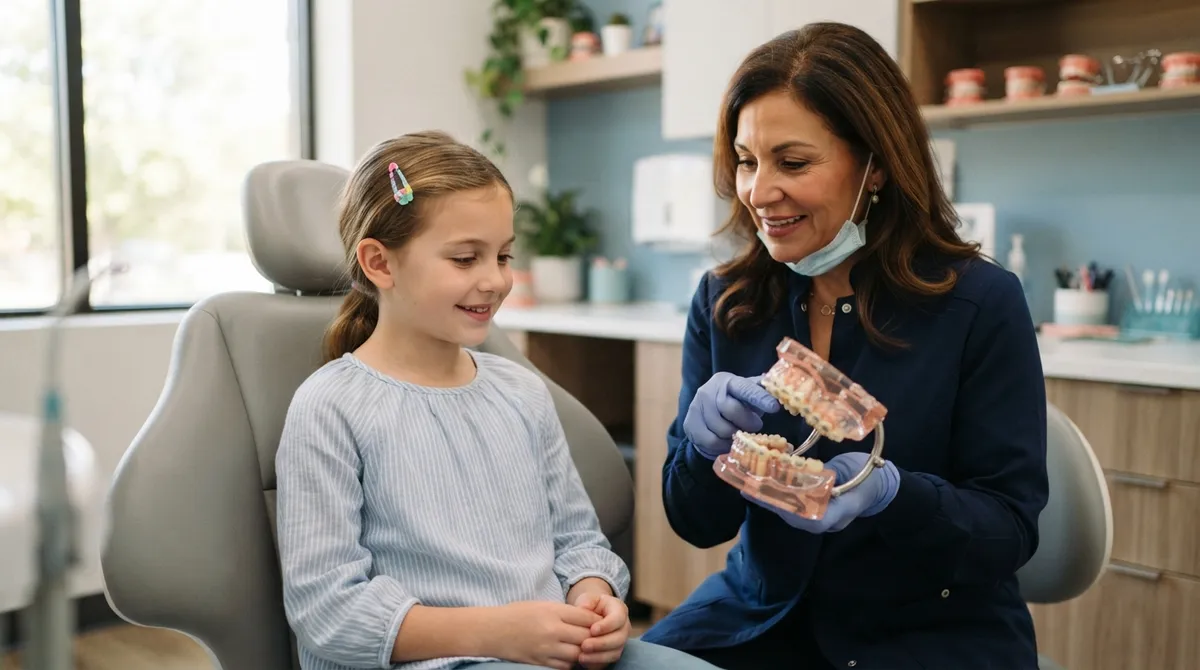
Here’s the truth that surprises a lot of parents: there’s no single magic birthday when every child needs braces. Instead, orthodontists look at how teeth and jaws are growing. That said, there are some helpful guideposts.
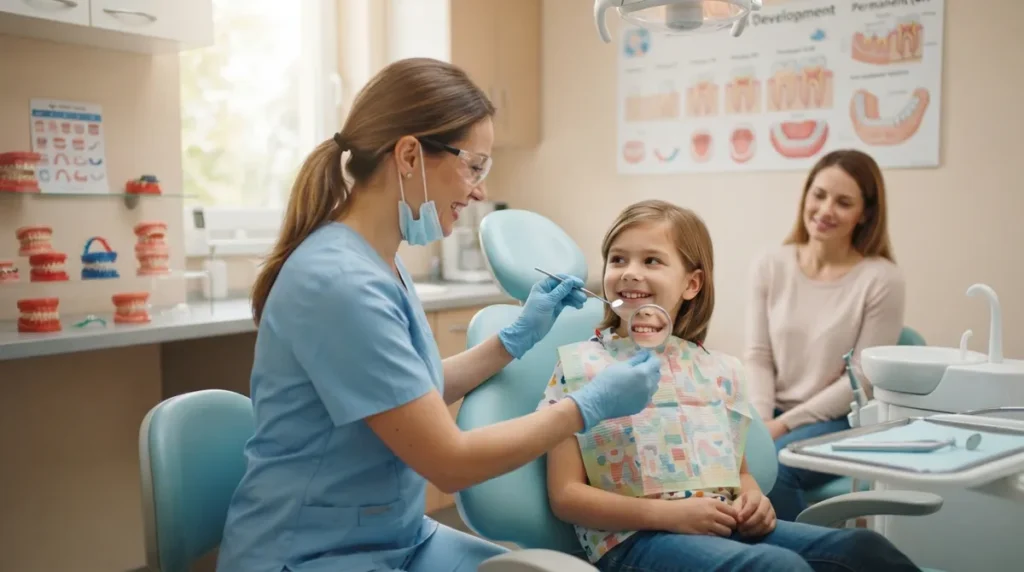
The American Association of Orthodontists recommends that every child have their first orthodontic check-up by age 7. This doesn’t mean braces go on that day. It means an orthodontist takes a look, checks how things are developing, and flags any concerns early. Think of it like a well-child visit, but for teeth and jaws.
Most comprehensive braces treatment happens later, usually between ages 11 and 14. Why this window? By then, most permanent teeth have come in, but the jaw is still growing enough to guide things into place. In the UK, the NHS points to ages 12-13 as a typical starting point for similar reasons.
Why Age 7 Still Matters
Even though full braces rarely start at 7, this visit is far from pointless. At this age, your child has a mix of baby and permanent teeth. An orthodontist can spot early warning signs, like crowding, crossbites, or jaw growth issues, that are much easier to manage now than later.
Most kids who come in for this early check-up don’t need any treatment yet. Instead, they get monitored with periodic visits until more teeth come in and the timing is right for full treatment. This is exactly the process we walk families through during a first orthodontic visit at our Lakewood Ranch office.
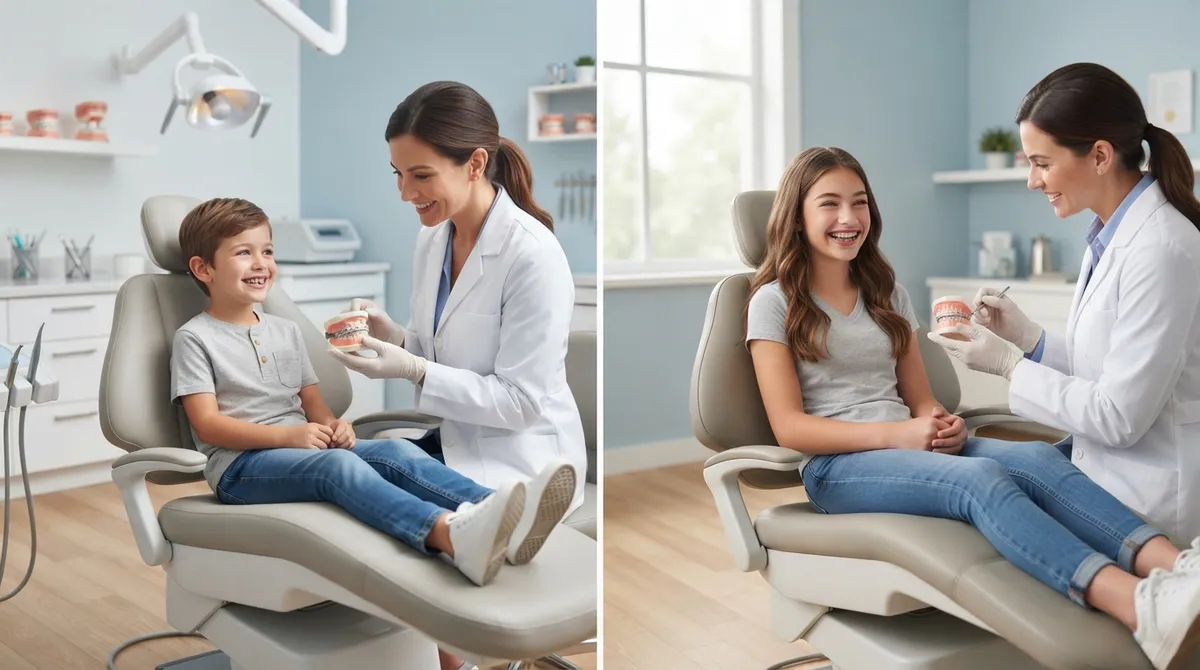
Two Paths: Early Treatment vs. Comprehensive Braces
Orthodontic care for kids generally falls into two categories. Understanding the difference helps you know what to expect at each stage.
1. Early or “Phase 1” Treatment
This happens before all permanent teeth arrive, often between ages 7 and 10. It’s not for every child. Instead, it’s reserved for specific problems that get harder to fix if you wait, such as:
- Severe crowding that’s blocking permanent teeth from coming in properly
- Crossbites, where upper and lower teeth don’t line up correctly
- Significant jaw growth differences between the upper and lower jaw
- Harmful habits like prolonged thumb-sucking affecting tooth position
- Teeth that are impacted or stuck and can’t erupt on their own
- Baby teeth lost too early, which can shift surrounding teeth
Phase 1 treatment is usually limited in scope. It might involve a small appliance to guide jaw growth or create space. Many kids still need a second round of treatment later, but Phase 1 can make that second phase shorter and simpler. You can learn more about this approach on our early orthodontic treatment page.
2. Comprehensive Treatment (Full Braces)
This is what most people picture when they think “braces.” It typically starts once most or all permanent teeth have erupted, usually between ages 11 and 14. Comprehensive treatment addresses the full bite, straightening teeth and correcting alignment issues in one complete phase.
Our teen orthodontic treatment options are designed with this age group in mind, balancing effective results with a lifestyle full of sports, school, and social activities.
Signs Your Child May Need an Evaluation Sooner
While age 7 is the general guideline, some signs mean you shouldn’t wait. If you notice any of the following, it’s worth scheduling a visit sooner rather than later:
- Difficulty chewing or biting food comfortably
- Teeth that don’t meet correctly, or a jaw that shifts when your child bites down
- Mouth breathing or snoring on a regular basis
- Thumb-sucking or pacifier habits that continue past age 5
- Baby teeth falling out very early or very late compared to peers
- Crowded, overlapping, or noticeably protruding teeth
- Facial asymmetry, where one side looks different from the other
These signs don’t automatically mean braces are needed right away. But they’re worth having a professional take a look. Catching these issues early gives your orthodontist more options and often an easier path to a healthy result. Our page on common orthodontic problems goes into more detail on what these issues look like.
Braces Timeline: What to Expect at Each Age
| Age Range | What Typically Happens | Common Treatment Type |
|---|---|---|
| Under 7 | Parents notice early signs; casual dental check-ups continue | Usually none, unless a specific concern arises |
| Age 7 | First orthodontic evaluation recommended by the AAO | Monitoring, or early treatment if needed |
| Ages 8-10 | Selective treatment for specific developmental problems | Phase 1 (early) treatment, if recommended |
| Ages 11-14 | Most permanent teeth have erupted; jaw still developing | Comprehensive braces or clear aligners |
| Teens/Young Adults | Finishing touches, retainers, or starting treatment if missed earlier | Comprehensive treatment or aligner therapy |
How Long Will My Child Wear Braces?
This is another question we hear all the time, and the honest answer is: it varies. Most comprehensive treatment takes about 18 to 24 months. But several factors affect this timeline, including:
- How severe the crowding or bite issue is
- How consistently your child wears elastics or appliances as instructed
- Natural growth patterns and how the jaw develops during treatment
- The type of braces or aligners used
- Whether appointments are kept on schedule
At Segovia Orthodontics, Dr. Segovia uses advanced orthodontic technology to keep treatment as efficient as possible. For example, our LightForce Orthodontics system uses 3D-printed, fully custom brackets that can reduce treatment time by up to 45% compared to one-size-fits-all approaches. That means less time in braces and more time showing off that new smile.
Making Braces Fun for Kids
Let’s be real: convincing a nine or ten-year-old that braces are exciting isn’t always easy. That’s part of why we love offering WildSmiles Braces. Instead of standard round brackets, kids can choose fun shapes like stars, hearts, footballs, or even Mickey Mouse.
Here’s the clever part: these unique shapes aren’t just for looks. They actually help kids and parents check that brushing is thorough, since the shape should stay visible when teeth are clean. Kids who enjoy their braces tend to take better care of them, which means better brushing, better flossing, and smoother treatment overall.
What About Clear Aligners for Kids and Teens?
Traditional braces aren’t the only option anymore. Many teens (and increasingly, some older kids) are great candidates for clear aligners. Our clear aligners options include Angel Aligners, which use a smart “7+3” wear schedule to help move teeth efficiently while staying discreet and comfortable.
Whether braces or aligners make more sense depends on your child’s specific bite, age, and lifestyle. We’re always happy to walk through the types of braces and aligner options during a consultation so you can make the choice that fits your family best.
Why Timing Really Does Matter
Starting treatment too early, before your child is developmentally ready, can sometimes stretch out the overall process unnecessarily. On the flip side, waiting too long can make certain jaw-related or eruption problems tougher to correct, sometimes requiring more involved treatment later.
This is exactly why that age 7 evaluation is so valuable. It’s not about starting braces early. It’s about getting expert eyes on your child’s smile at the right moment, so nothing gets missed. Dr. Segovia, a board-certified orthodontist credentialed through the American Board of Orthodontics, has guided countless Lakewood Ranch families through exactly this decision-making process.
What Happens During an Early Evaluation
Wondering what actually happens at that first appointment? Here’s a simple rundown of what to expect:
- A friendly conversation about your child’s dental history and any concerns you’ve noticed
- A visual exam of teeth, bite, and jaw alignment
- X-rays if needed, to see how permanent teeth are developing under the gums
- A clear explanation of findings, in plain language, no confusing jargon
- A recommendation, whether that’s “let’s just keep an eye on things” or a specific treatment plan
We know bringing a young child to an orthodontist appointment can feel intimidating for parents. That’s why our whole team focuses on making it comfortable and even fun. If you want more detail on what a visit looks like, our first orthodontic visit page walks through it step by step.
Trusting the Process (and Your Orthodontist)
We get it: as a parent, you want to make the right call for your child. The good news is that you don’t have to figure this out alone. A qualified orthodontist will look at the whole picture, growth patterns, tooth eruption, bite issues, and give you a personalized recommendation instead of a one-size-fits-all answer.
Many Lakewood Ranch families have shared their experience with us online. Feel free to see what our Segovia Orthodontics patients say by checking out our Google Business Profile, or follow along with real smile transformations on our Facebook page and our Instagram page.
Ready to Find Out What’s Right for Your Child?
Whether your child just turned 7 or is already showing signs of crowding or bite issues, there’s no better time than now to get answers. Our team at Segovia Orthodontics in Lakewood Ranch is here to walk you through every step, with warmth, patience, and zero pressure.
Curious what treatment might look like for your family? We’d love to help you request an appointment and get a personalized answer to the “what age should kids get braces” question, tailored specifically to your child. You can also reach out to our friendly team with any questions, or simply call us at 941-557-1333 to get started. Your child’s healthiest, most confident smile might be closer than you think!
FAQs
Q: What is the best age for a child to get braces?
A: Most kids start comprehensive braces between ages 11 and 14, once most permanent teeth have come in. But every smile is different, so the real answer comes from an orthodontic evaluation, not a specific birthday!
Q: Does my child really need an orthodontist appointment at age 7?
A: Yes, and it’s easier than it sounds! This visit lets an orthodontist catch any early issues while there’s still plenty of time to plan the best path forward. Most kids just get monitored, no treatment needed yet.
Q: Will my child need braces immediately after an age-7 evaluation?
A: Usually not. Most children are simply observed with periodic check-ins until more permanent teeth arrive. Only specific issues, like severe crowding or a crossbite, call for earlier treatment.
Q: What’s the difference between early treatment and comprehensive braces?
A: Early treatment (Phase 1) tackles specific problems before all permanent teeth erupt, while comprehensive braces address the full bite once most permanent teeth are in. Some kids need both phases, others just need one.
Q: Can kids get clear aligners instead of traditional braces?
A: Absolutely! Many teens and even some younger kids are great candidates for clear aligners like Angel Aligners. We’ll help you figure out which option fits your child’s smile and lifestyle best during a consultation.
Our Service Area