Key Takeaways
-
Braces alone are not a proven cure for TMJ/TMD pain; current research shows mixed and inconclusive results, so they should not be marketed as a guaranteed fix for jaw pain.
-
Start with conservative, reversible treatments like soft foods, heat/cold therapy, jaw exercises, and physical therapy before considering braces for jaw pain symptoms.
-
TMJ refers to the jaw joint itself, while TMD is the actual disorder causing pain, clicking, or limited movement; understanding this distinction helps communicate clearly with your provider.
-
Braces may be appropriate only after TMD symptoms are managed and stable, and only if you have a documented bite problem affecting chewing or speech—requiring coordination between your orthodontist and other providers.
-
Seek immediate professional evaluation if your jaw locks open or closed, you experience sudden severe pain, your bite changes suddenly, or pain progressively worsens over days or weeks.
-
A thorough orthodontic evaluation should include screening for TMD symptoms, examination of jaw movement and muscles, and discussion of conservative care options before starting irreversible treatment.
Jaw pain can turn simple things like chewing lunch or laughing with friends into a real challenge. If you’re searching for braces for TMJ Bradenton solutions, you’re probably dealing with clicking, soreness, or a jaw that feels stuck sometimes. We get it, and you’re not alone. Many folks in Bradenton and Lakewood Ranch come to us with the same worries about their jaw joints.
Here’s the good news: there are clear steps you can take to feel better. But here’s something important too. Braces alone are not a magic fix for TMJ problems. This article will walk you through what braces can and cannot do, what treatments actually help first, and how to know when it’s time to see an orthodontist about your bite. We’ll keep things simple and honest, just like we do at Segovia Orthodontics every day with our patients.
What Is TMJ vs TMD, and Why Does the Difference Matter
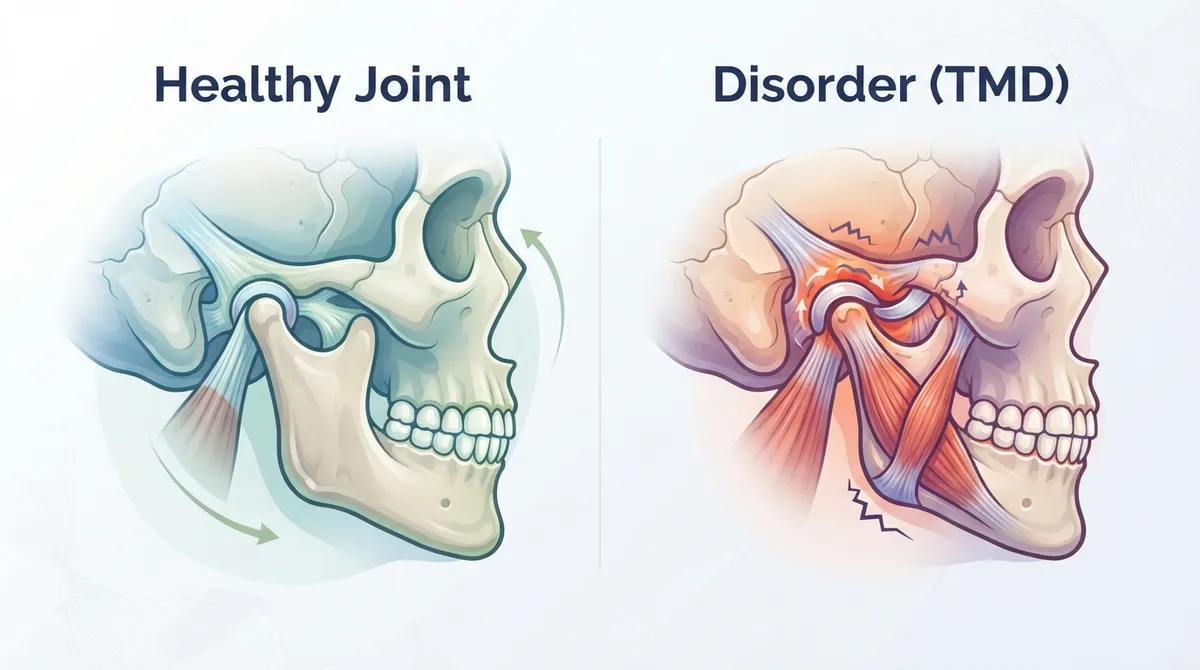
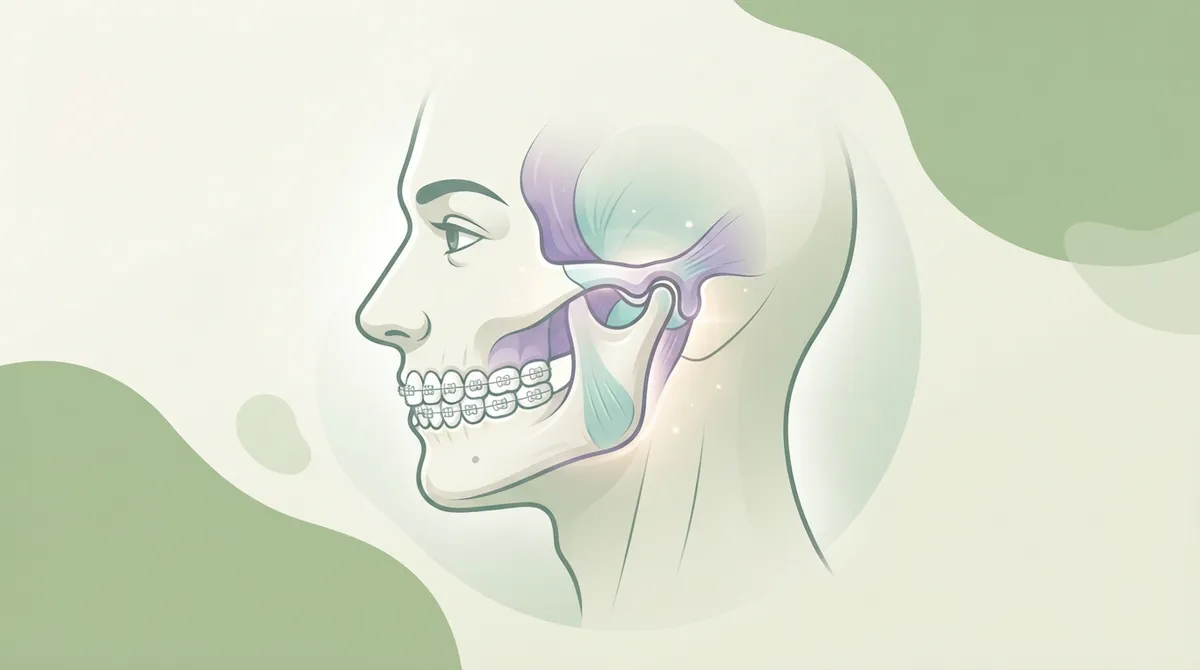
Let’s clear up some confusing terms first. TMJ stands for temporomandibular joint. This is just the name of the joint that connects your jaw to your skull. Everyone has two of these joints, one on each side of your face.
TMD stands for temporomandibular disorder. This is the actual condition that causes pain, clicking, or trouble moving your jaw. So when people say “I have TMJ,” what they usually mean is they have TMD symptoms affecting their TMJ joint.
This difference matters because it helps you talk with your dentist or orthodontist more clearly. It also helps you understand that not every clicking sound means something is wrong. According to the National Institute of Dental and Craniofacial Research, jaw sounds without pain or locking often don’t need treatment at all.
Common TMD Symptoms to Watch For
- Pain or tenderness in your jaw, face, or ear area
- Clicking or popping sounds when you open your mouth
- Jaw locking, either open or closed
- Trouble chewing or discomfort while eating
- Headaches that seem connected to jaw tension
- A change in how your upper and lower teeth fit together
If you notice pain, swelling, or your jaw getting stuck, don’t wait it out. Reach out for a professional check as soon as you can.
Can Braces Fix TMJ Problems? Here’s the Honest Answer
This is the big question, and we want to give you a straight answer. Braces can fix crowded teeth, overbites, underbites, and crossbites. These are real bite problems that braces are built to solve. However, current research does not show that braces cause TMD, nor does it prove braces reliably cure TMD.
A 2025 review on treating temporomandibular disorders through orthodontics found the evidence to be mixed and inconclusive. Another review from 2023 reported that orthodontic treatment does not appear to raise or lower TMD risk. There’s simply no solid scientific proof that a “perfect bite” from braces will end jaw pain for everyone.
A systematic review from 2015 backed this up too. Researchers found no clear cause-and-effect link between braces and TMJ problems. Some patients felt better, but the results weren’t strong enough to call it proof. An older 2012 review agreed, saying there wasn’t enough evidence to call orthodontics a treatment or prevention for TMD.
So what does this mean for you? It means braces should not be sold to you as a guaranteed cure for jaw pain. That said, if you have a genuine bite problem alongside your TMD symptoms, treating both issues separately, with the right team, can absolutely help you feel and function better.
How to Get Proper Care for Jaw Pain Before Considering Braces
If your jaw hurts, clicks, or locks, the smartest first move is not jumping straight to braces. Instead, follow these steps to make sure you get care that actually addresses your pain.
- Get a full evaluation first. This should include your medical history, a look at how your jaw moves, and an exam of your jaw muscles and joints.
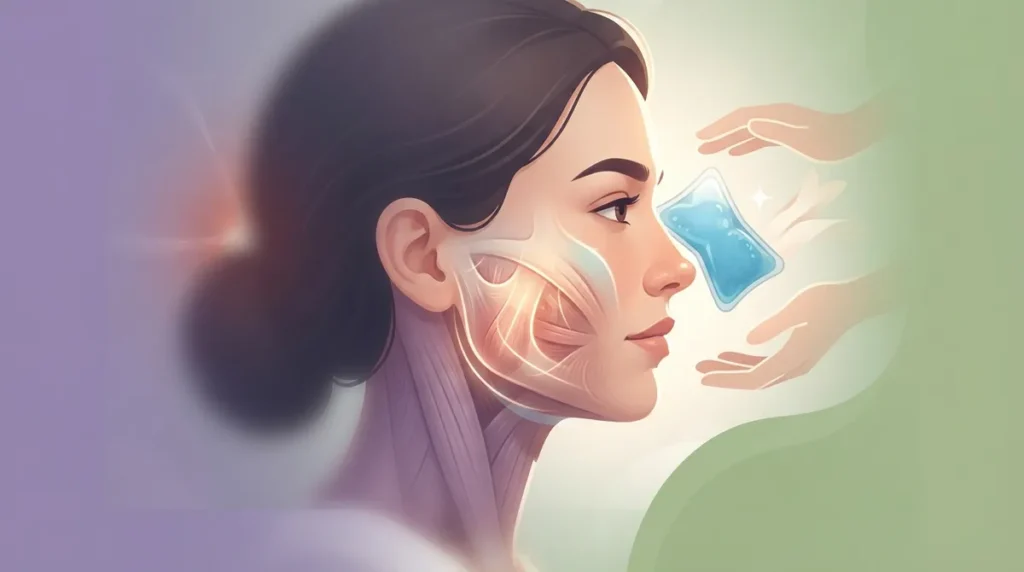
- Try conservative, reversible options. Soft foods, warm or cold compresses, gentle jaw exercises, and stress management often help calm symptoms without any permanent changes.
- Ask about physical therapy. A physical therapist trained in jaw issues can teach you stretches and habits that ease muscle tension.
- Consider a stabilization splint if recommended. Some patients benefit from a custom oral appliance, but this isn’t right for everyone and should only be fitted by a professional.
- Revisit orthodontic treatment later if needed. Once your TMD symptoms are under control, your provider can look at whether a real bite problem is affecting your daily function.
Skipping straight to irreversible treatments, like permanently reshaping your bite, is something the National Institute of Dental and Craniofacial Research specifically warns against as a first step.
Table: Conservative TMD Care vs Orthodontic Treatment
| Approach | What It Targets | When It’s Used | Reversible? |
|---|---|---|---|
| Soft food diet, heat/cold therapy | Muscle pain, inflammation | First step for most TMD symptoms | Yes |
| Jaw exercises and physical therapy | Muscle function, joint mobility | Early to mid-stage symptom management | Yes |
| Stabilization splint | Joint pressure, clenching habits | Selected patients after evaluation | Yes |
| Braces or clear aligners | Tooth and jaw alignment (malocclusion) | After TMD symptoms are assessed and stable | No (bite is permanently changed) |
When Braces May Be Appropriate Alongside TMD Management
There are cases where braces make sense even if you have a history of jaw pain. The key is timing and communication between your providers. If you have a documented malocclusion, meaning your teeth genuinely don’t line up correctly, and it’s affecting how you chew or speak, orthodontic treatment can be part of your overall plan.
The goal here is to separate the two treatment paths clearly. Braces address the position of your teeth and jaw. TMD care addresses the pain, muscle tightness, and joint function. One does not replace the other, but they can work together when planned carefully.
At Segovia Orthodontics, Dr. Flor Segovia screens for TMD symptoms during evaluations and coordinates with other providers when needed. This might mean working alongside your dentist, a physical therapist, or an orofacial pain specialist to make sure every part of your care lines up. You can learn more about her background on our orthodontist Flor Segovia page.
Questions to Ask Before Starting Treatment
- Have you screened me for TMD symptoms, not just crooked teeth?
- What conservative treatments should I try first?
- Will you coordinate with my dentist or physical therapist if needed?
- How will we monitor my jaw symptoms during treatment?
- What happens if my jaw pain gets worse during treatment?
Asking these questions upfront helps you feel confident and informed. A good orthodontist should welcome these questions, not brush them aside.
Braces and Clear Aligner Options at Segovia Orthodontics
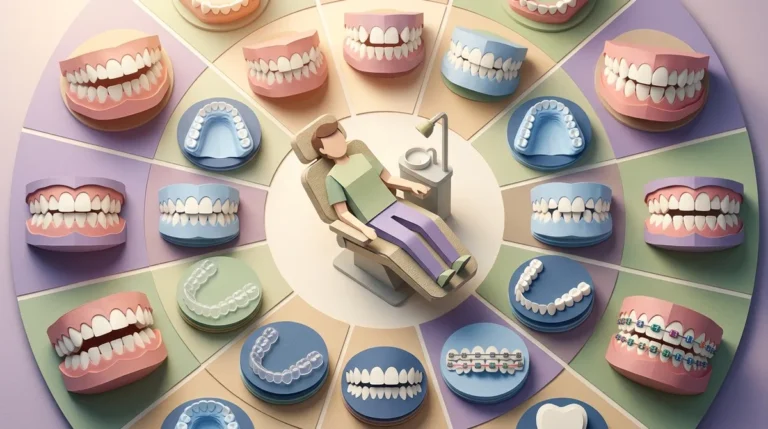
Once your jaw symptoms are managed and your provider agrees orthodontic treatment is right for you, there are several comfortable options to choose from. We offer a range of treatments designed with both function and comfort in mind, which you can explore on our types of braces page.
For families with kids or teens, WildSmiles Braces add a fun twist to treatment with fun bracket shapes and even Disney-themed options. Making treatment enjoyable helps kids stay consistent with brushing and care, which supports better outcomes overall.
For patients wanting precision and speed, LightForce Orthodontics uses fully digital, 3D printed brackets custom-fitted to your teeth. This technology can reduce treatment time by up to 45 percent compared to traditional methods, while also offering subtle, less noticeable brackets.
If you prefer a nearly invisible option, Angel Aligners use a smart wear schedule and built-in features to help teeth move efficiently, often at a lower cost than other clear aligner brands. Our clear aligners page has more details on how this works for adults and teens alike.
Why Choose a Bradenton-Area Orthodontist Who Understands TMD
Choosing the right orthodontist matters, especially when jaw pain is part of your story. Look for a provider who takes time to screen for TMD, explains what science actually supports, and doesn’t rush you into irreversible fixes.
Dr. Segovia is a board certified orthodontist, meaning she’s met rigorous standards set by the American Board of Orthodontics. This certification reflects ongoing education and a commitment to safe, effective care for every patient who walks through our doors.
We also use advanced orthodontic technology to plan treatment with precision, so nothing is left to guesswork. If you’re new to our office, our first orthodontic visit page walks you through exactly what to expect.
What to Expect During Your TMJ-Focused Orthodontic Evaluation
Walking into an evaluation can feel a little nerve-wracking, especially if you’re already dealing with pain. Here’s what typically happens during a thorough visit focused on both your bite and your jaw health.
- We’ll review your health history, including any past jaw injuries or treatments.
- We’ll ask about your specific symptoms, like when the pain started and what makes it better or worse.
- We’ll examine your jaw movement, muscles, and joint sounds.
- We’ll evaluate your bite and look at how your teeth fit together.
- If needed, we’ll refer you for imaging or to a specialist for further evaluation.
This step-by-step process helps us build a plan that actually fits your needs, not a one-size-fits-all approach. You can also check out our FAQ orthodontic treatment page for more common patient questions.
Cost Considerations for Braces for TMJ-Related Bite Problems in Bradenton
Cost is always a real concern, and we want to be upfront about it. Pricing for braces varies based on the type of treatment, how long you’ll need it, and whether any additional bite correction is needed alongside TMD management. Traditional metal braces tend to be more budget-friendly, while options like LightForce or clear aligners may cost a bit more due to the custom technology involved.
The good news is that flexible financing is available, so cost doesn’t have to be a barrier to getting the care you need. Our orthodontic financing page breaks down payment plan options that fit different budgets and family situations.
Many patients also want to know what past patients think before committing to treatment. Feel free to visit us on Google — Segovia Orthodontics to read real reviews from families in Bradenton and Lakewood Ranch. You can also follow along on our Facebook page or check out smile transformations on our Instagram page for a look at the community we’ve built.
Red Flags That Mean You Should See a Professional Right Away
Not every jaw click needs urgent care, but some symptoms deserve quick attention. Here’s when you shouldn’t wait to book an appointment.
- Your jaw locks open or closed and won’t release easily
- You experience sudden, severe pain after an injury or trauma
- Your bite has changed noticeably and suddenly
- You notice swelling around your jaw or face
- Pain is progressively getting worse over days or weeks
If any of these sound familiar, please don’t put off getting checked out. Early attention often makes treatment simpler and more comfortable in the long run.
Your Next Step Toward Relief and a Healthier Smile
Living with jaw pain is exhausting, but you don’t have to figure it out alone. Whether you need conservative TMD care, a bite evaluation, or you’re ready to explore braces or clear aligners after your symptoms are managed, our team is here to help every step of the way.
We believe in honest, caring treatment that puts your comfort first. If you’re ready to talk through your options, request an appointment with our Lakewood Ranch team today. You can also contact us with any questions, or simply call us at 941-557-1333 to get started. We’re excited to help you feel your best, one smile at a time.
FAQs
Q: Can braces help TMJ pain or jaw clicking in Bradenton?
A: Braces can fix bite problems like crowding or an overbite, but they aren’t a proven cure for TMJ pain or clicking. If jaw symptoms are your main concern, start with a proper TMD evaluation and conservative care first, then talk about braces if a real bite issue is also present.
Q: Are braces safe if I already have a TMJ disorder?
A: In many cases, yes, but it depends on your specific situation. Your orthodontist should screen for TMD symptoms first, manage active pain conservatively, and monitor your jaw closely throughout treatment to keep things comfortable.
Q: What is the difference between TMJ and TMD?
A: TMJ simply refers to the joint connecting your jaw to your skull, while TMD is the actual disorder that causes pain, clicking, or limited movement in that joint. Think of TMJ as the body part and TMD as the condition affecting it.
Q: Should I see an orthodontist or a TMJ specialist first?
A: If you’re mainly dealing with pain, locking, or limited jaw movement, start with a dentist or TMD-focused provider for evaluation. Once symptoms are managed, an orthodontist can help if a genuine bite problem is also affecting your smile.
Q: How much do braces for TMJ-related bite problems cost in Bradenton?
A: Costs vary depending on the type of braces, your specific bite needs, and treatment length. We offer flexible financing options, so we always recommend a personal consultation to get pricing that fits your exact situation and budget.
Our Service Area