Key Takeaways
-
Mild soreness typically lasts 3-5 days after getting braces; use soft foods, salt water rinses, and over-the-counter pain relief during this adjustment period.
-
Avoid hard, sticky, and crunchy foods like popcorn, caramel, and whole apples that can loosen brackets or bend wires; slice hard fruits and vegetables into small pieces instead.
-
Brush for two minutes after meals and always before bed using fluoride toothpaste, and use interdental brushes or floss threaders daily to clean around brackets and wires.
-
Stick primarily to water and milk as beverages since sugary and acidic drinks like soda and sports drinks increase cavity risk around brackets.
-
Handle common braces problems like loose brackets or poking wires with dental wax, then contact your orthodontist immediately rather than attempting DIY repairs.
-
Wear rubber bands and other accessories exactly as instructed and attend all appointments to keep treatment on schedule, as skipping these steps can extend your treatment time.
So you (or your child) just got braces. Congratulations! You’re on your way to a smile you’re going to love for years to come. But right now, maybe you’re wondering how you’ll ever eat pizza again, or if that weird pressure feeling is normal, or what happens if a bracket pops off during dinner. Take a breath. Every single new braces patient asks these same questions, and we’ve got answers that actually help.
At Segovia Orthodontics in Lakewood Ranch, we walk families through this exact adjustment period every single week. Whether you’re a busy mom juggling school pickups, a professional who can’t afford downtime, or a teen prepping for prom, this guide covers the real-life braces tips for new patients that make the first few weeks (and beyond) so much smoother.
What to Expect in Your First Week With Braces
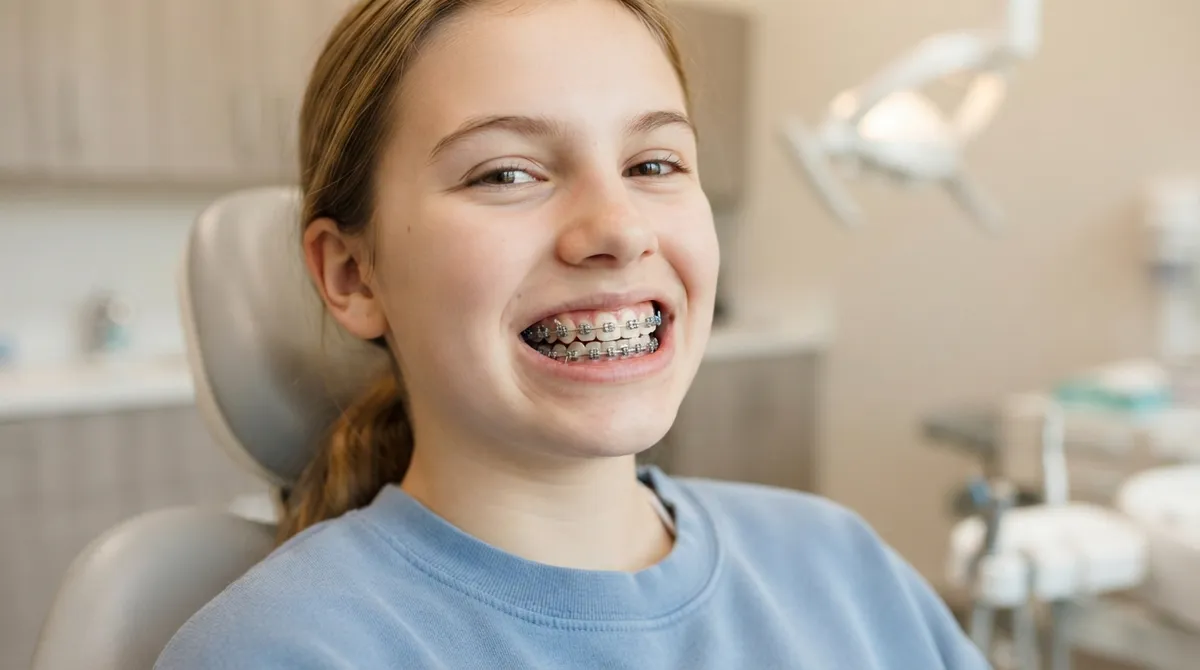
The first few days are usually the hardest, but they don’t last long. According to NHS orthodontic guidance, mild soreness or pressure commonly lasts about three to five days after braces are fitted or adjusted. Your teeth are literally starting to shift, so some tenderness is completely normal.
Here’s what usually helps during those early days:
- Stick to soft foods like mashed potatoes, yogurt, scrambled eggs, and smoothies
- Use over-the-counter pain relief exactly as labeled on the package
- Rinse gently with warm salt water to soothe irritated gums
- Apply dental wax over any bracket that’s rubbing your cheek or lip
- Give yourself grace — talking and eating might feel a little different at first
If soreness feels severe or lasts much longer than a week, don’t just tough it out. Reach out to your orthodontic office so they can check things out. You can always contact us if something feels off during your treatment.

Foods to Enjoy and Foods to Skip
This is probably the question we hear most from new patients: “What can I actually eat?” The good news is that your food world doesn’t shrink as much as you might think. It just shifts a little.
Braces-Friendly Foods That Won’t Cause Trouble
Think soft, sliceable, and easy to chew. Pasta, soft bread, cooked vegetables, bananas, soft fruits, cheese, rice, and fish are all great go-to options. Hard fruits and veggies like apples and carrots aren’t off-limits forever — just cut them into small, bite-sized pieces instead of biting directly into them.
Foods That Can Damage Your Braces
Hard, sticky, crunchy, and chewy foods are the real troublemakers. They can loosen brackets or bend archwires, which means extra trips to the office and possibly longer treatment time. According to the American Association of Orthodontists, patients should avoid:
- Chewing gum and taffy
- Caramel and other sticky candies
- Hard candy and ice cubes
- Nuts and popcorn
- Hard pizza crust or crusty bread
- Whole apples or raw carrots (unless sliced small)
- Corn on the cob (cut it off the cob instead)
Fun fact: this is one reason so many families love our WildSmiles Braces option for kids and teens. When treatment feels exciting instead of like a chore, patients are more motivated to follow the food rules and stick with good habits.
| Category | Safe Choices | Avoid These |
|---|---|---|
| Fruits & Veggies | Sliced apples, bananas, cooked carrots | Whole apples, raw carrots, corn on the cob |
| Snacks | Cheese, yogurt, soft crackers | Popcorn, nuts, chips with hard edges |
| Sweets | Soft cookies, ice cream (no nuts) | Caramel, taffy, hard candy, gum |
| Drinks | Water, milk | Soda, sports drinks, sugary juice |
Brushing and Flossing With Braces: A Simple Daily Routine
Here’s the honest truth: braces create more nooks and crannies for plaque to hide in. That means your brushing game needs to level up a bit. But don’t worry, it’s not complicated once it becomes a habit.
The American Association of Orthodontists and NHS both recommend brushing for about two minutes, ideally after meals and snacks when possible, and always before bed. Use a fluoride toothpaste every time. If brushing right after every meal isn’t realistic (we get it, life happens), at least rinse with water until you can brush properly.
Tools That Make Cleaning Around Brackets Easier
- Interdental brushes to clean between wires and brackets
- Single-tuft brushes for hard-to-reach spots near the gumline
- Floss threaders or orthodontic floss picks to get under the wire
- A daily fluoride rinse (about 0.05% sodium fluoride), used at a different time than brushing unless your orthodontist says otherwise
Need a refresher on technique? Check out our guide on how to properly brush teeth with braces for a step-by-step walkthrough, or learn how to floss with braces without the frustration.
Drinks: What’s Safe and What’s Not
Water and milk are your best friends during treatment. Sugary and acidic drinks — including regular soda, diet soda, sports drinks, energy drinks, and many fruit juices — increase your risk of enamel erosion and cavities around brackets. Since brackets already make it easier for plaque to build up, adding sugar and acid into the mix is asking for trouble.
If you do enjoy a soda occasionally, drink it quickly through a straw rather than sipping it slowly, and follow up with water or brushing when you can.
How to Handle Loose Brackets, Poking Wires, and Other Hiccups
Braces mishaps happen, and they’re rarely a big deal if you know what to do. Here’s a quick step-by-step for common situations:
- Loose bracket: Cover it with a small piece of dental wax and call your orthodontic office to schedule a repair.
- Poking wire: Use the eraser end of a pencil to gently push the wire flat, then cover with wax. Never try to cut the wire yourself.
- Broken band: Save any loose pieces if possible and contact your office promptly.
- Lost aligner: Switch back to your previous tray if you have it, and let your orthodontist know right away.
The American Association of Orthodontists advises contacting your orthodontic office promptly whenever something feels loose, broken, or unusually painful. Don’t try to DIY a fix — a quick call can save you from bigger problems down the road. Our Orthodontic Emergency page walks through exactly what counts as urgent and what can wait until your next visit.
Staying on Track With Elastics and Appointments
If your treatment plan includes rubber bands or other accessories, wearing them exactly as instructed really does matter. Skipping days or forgetting them here and there can slow down your progress and stretch out your treatment time. It’s a small daily habit that pays off big in the long run.
You’ll also want to keep up with regular dentist visits during orthodontic treatment. Your orthodontist manages the tooth movement, but your general dentist keeps an eye on cavities and gum health. Think of it as a team effort for your smile.
Protecting Your Braces During Everyday Life
A few simple habits go a long way in protecting your investment:
- Avoid biting your nails or chewing on pens
- Never use your teeth to open packages or bottles
- Wear a properly fitted orthodontic mouthguard for any contact sports
- Be cautious with musical instruments that press against your lips or teeth — most patients adjust within a few weeks
Parents of active kids often ask about sports safety. If your child plays soccer, basketball, or any contact sport, a mouthguard designed for braces is a must. It protects both the braces and their smile.
Life With Clear Aligners: A Slightly Different Routine
If you’re wearing clear aligners instead of traditional braces, some of these rules shift a bit. Aligners should generally come out before eating or drinking anything besides water, and you’ll want to clean your teeth before popping them back in. This actually makes aligners a popular choice among busy professionals who want fewer food restrictions and a more discreet look.
Options like Clear Aligners and Angel Aligners use a flexible wear schedule that can help speed up treatment while staying comfortable. Many adults returning for a second round of treatment (sometimes called relapse patients) especially appreciate how low-profile these options are for work and social settings.
Why the Adjustment Period Gets Easier
Most patients tell us the same thing: the first two weeks feel like the biggest adjustment, but after that, braces just become part of daily life. Brushing after meals becomes second nature. You learn your go-to safe snacks. Soreness fades. By the one-month mark, most people barely think about their braces at all, except when they catch a glimpse of their progress in the mirror.
Dr. Flor Segovia and our team use advanced orthodontic technology, including LightForce Orthodontics, to help make treatment as efficient and comfortable as possible. Custom-fitted, 3D-printed brackets mean less irritation and often faster results compared to one-size-fits-all systems.
Curious what other Lakewood Ranch families and patients say about their experience? You can visit us on Google — Segovia Orthodontics to read real reviews, or check out our Facebook page and our Instagram page for smile transformations and daily care tips.
A Quick Daily Checklist for New Braces Patients
Keep this simple routine in mind as you settle into life with braces:
- Brush for two minutes after meals when possible, and always before bed
- Use interdental brushes or floss threaders once daily
- Drink water as your main beverage
- Avoid hard, sticky, and crunchy foods
- Wear elastics exactly as instructed
- Keep your dental wax handy for emergencies
- Attend every scheduled appointment
- Call your orthodontic office with any concerns, big or small
For more on choosing the right type of appliance in the first place, take a look at our comparison of types of braces or learn more about our fun, kid-friendly WildSmiles Braces designed to make brushing habits easier to track and treatment more enjoyable.
You’ve Got This
Living with braces is a journey, and every single patient adjusts at their own pace. The tips above cover the essentials, but the real key is staying in touch with your orthodontic team whenever questions pop up. That’s what we’re here for.
Every case is different, which is why board-certified guidance matters so much. You can learn more about credentials through the American Board of Orthodontics, and rest assured that Dr. Segovia brings that same level of expertise to every patient at our Lakewood Ranch practice.
Ready to get personalized guidance for your treatment journey? Request an appointment today, or feel free to call us at 941-557-1333 with any questions about life with your new braces. We’re here to help make this smile journey as smooth and comfortable as possible.
FAQs
Q: How long do braces hurt after they are first put on?
A: Most new patients feel some soreness for about three to five days, according to NHS orthodontic guidance. Soft foods, gentle salt water rinses, and appropriate over-the-counter pain relief usually help. If discomfort lingers much longer, just give your orthodontic office a call.
Q: What foods should I avoid with new braces?
A: Steer clear of hard, sticky, or crunchy foods like caramel, nuts, popcorn, and ice, since they can loosen brackets or bend wires. Hard fruits and veggies are fine as long as you slice them into small pieces first. When in doubt, go soft for the first week!
Q: Can I drink soda or sports drinks while wearing braces?
A: It’s best to stick with water and milk as your main drinks during treatment. Sugary and acidic drinks like soda, sports drinks, and many fruit juices raise your risk of enamel erosion and cavities around your brackets.
Q: What should I do if a bracket comes loose or a wire is poking me?
A: Cover the area with a bit of dental wax for quick relief, then contact your orthodontic office to get it fixed properly. Try not to attempt any repairs yourself — a quick call to your team is always the safest move.
Q: How often should I brush and floss with braces?
A: Aim to brush for about two minutes after meals when you can, and always before bed, using fluoride toothpaste. Add in daily flossing with a floss threader or interdental brush to clean around brackets and wires thoroughly.
Our Service Area