Key Takeaways
-
Flossing daily with braces is essential because plaque hides between teeth and around brackets, and patients with braces face higher cavity risk than those without due to trapped food.
-
Use specialized tools like floss threaders, water flossers, or interproximal brushes instead of regular floss—water flossers take only 2-3 minutes and are easier for busy schedules.
-
Establish a nightly flossing routine before bed paired with twice-daily brushing for 2 minutes, and place floss tools in plain sight to build the habit within 2-3 weeks.
-
Skipping floss allows plaque to harden into tartar, leading to cavities, swollen gums, bad breath, delayed treatment, and permanent white spot scarring on enamel after braces are removed.
-
Initial gum bleeding when flossing with braces is normal and should stop within 1-2 weeks of consistent, gentle flossing; flossing won’t damage brackets or wires if done carefully.
-
Clear aligners make flossing simpler since there’s no wire—simply remove trays, floss normally, and replace them, making this option popular for busy professionals and major life events.
Let’s be honest: flossing with braces can feel like threading a needle in the dark. You’ve got wires, brackets, and tiny gaps that regular floss just won’t reach. But here’s the good news — once you learn a few simple tricks, flossing with braces becomes second nature, and your smile will thank you for it. Whether you’re a busy mom helping your teen stay on track, a professional wearing discreet aligners, or an adult finally fixing that relapse from years ago, this guide will walk you through exactly how to keep your teeth sparkling clean during treatment.
At Segovia Orthodontics in Lakewood Ranch, we see patients of all ages navigate this exact challenge every day. Dr. Flor Segovia and our team love sharing practical tips that make oral hygiene feel less like a chore and more like a quick, easy habit. Let’s dig into everything you need to know about flossing with braces, step by step.
Why Flossing With Braces Matters So Much
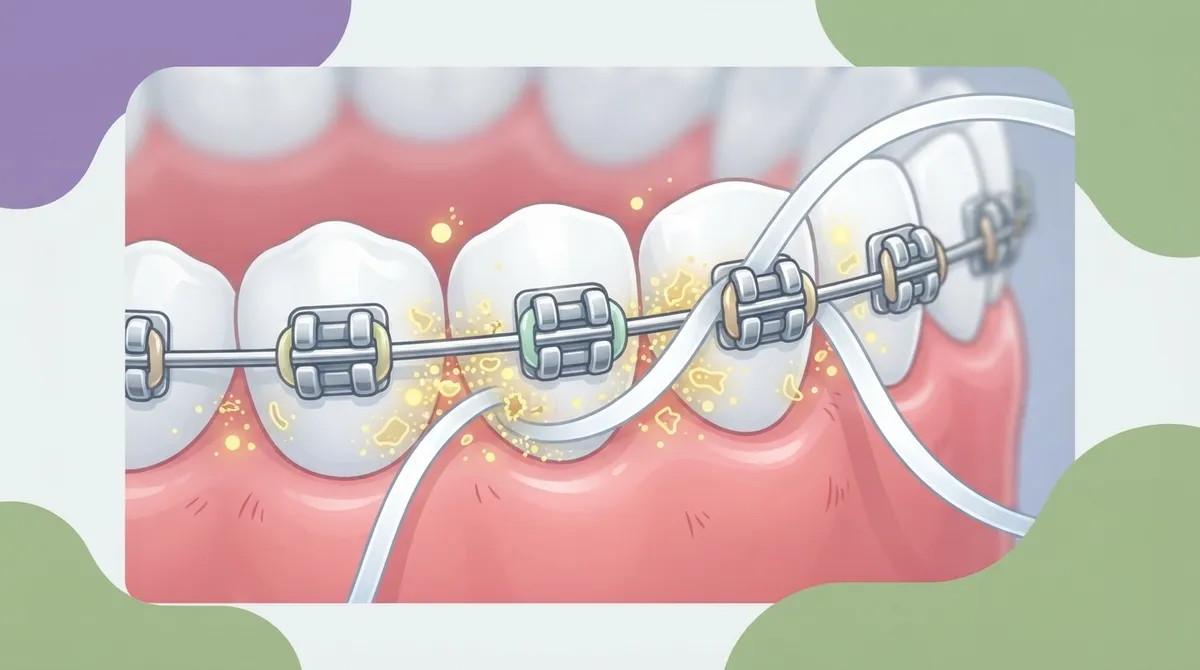
Plaque is the number one cause of cavities and gum problems, and it loves to hide between teeth and around brackets. Brushing alone simply can’t reach every nook and cranny, especially with an archwire in the way. This is why flossing is not optional — it’s a daily must for anyone in braces or clear aligner treatment.
Patients with braces actually face a higher risk of cavities than those without, simply because food gets trapped more easily around brackets and wires. Skipping floss even for a few days can let plaque build up fast, leading to white spots, swollen gums, or worse. That’s why our team at Segovia Orthodontics always reminds patients that a few extra minutes each day protects your investment in your smile.
The Real Cost of Skipping Floss
When plaque sits between teeth for too long, it hardens into tartar, which only a dental professional can remove. Left unchecked, this can lead to:
- Cavities forming between teeth where brushes can’t reach
- Swollen, bleeding, or infected gums
- Bad breath that lingers no matter how much you brush
- Delayed treatment timelines due to oral health complications
- Permanent white spot scarring on your enamel once braces come off
Nobody wants to finish treatment with a straight smile that’s covered in stains or cavities. That’s why flossing daily is just as important as your regular orthodontic checkups.
How Often Should You Floss With Braces
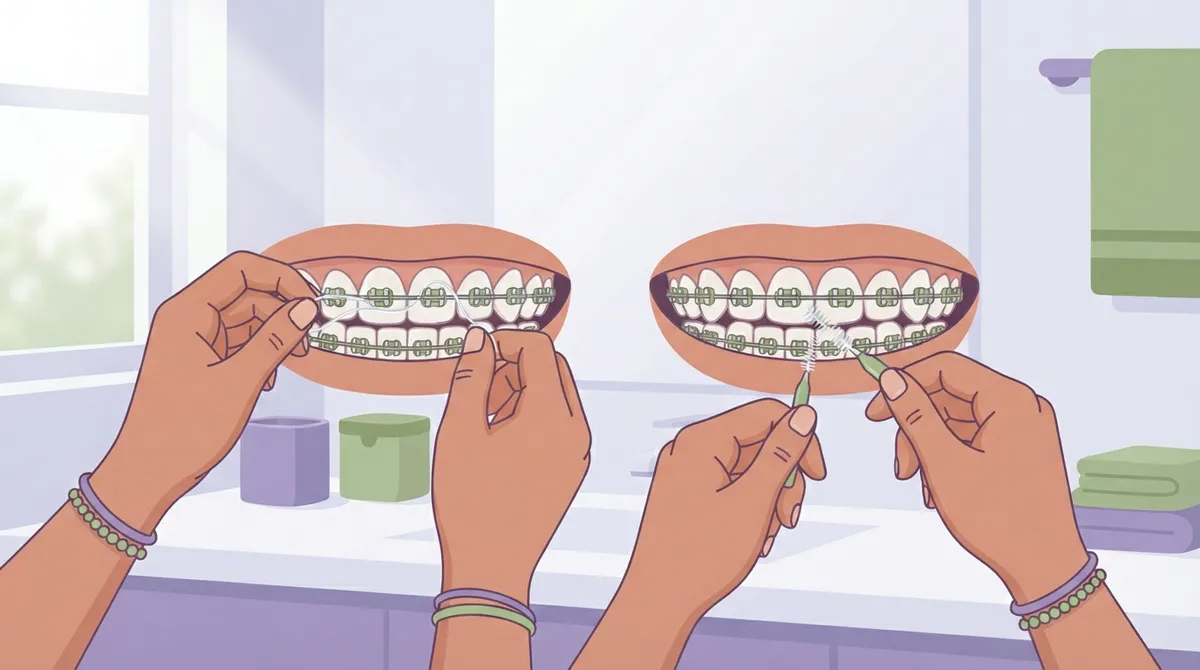
Great question, and the answer is simple: at least once a day. Most orthodontists, including our team, recommend flossing every night before bed so your teeth stay clean while you sleep. Pair this with brushing at least twice a day, ideally after meals, for two full minutes each time.
Here’s a quick breakdown of a solid daily hygiene routine while wearing braces:
- Brush gently for two minutes after breakfast, using a soft-bristled brush angled toward the gumline and brackets.
- Rinse with water or mouthwash after lunch if you can’t brush, especially after eating anything sticky or sugary.
- Brush again after dinner, taking extra care around each bracket.
- Floss thoroughly before bed using a threader, water flosser, or orthodontic floss.
- Do a final rinse with fluoride mouthwash to help protect enamel overnight.
Sticking to this routine consistently makes a huge difference. It’s much easier to stay on track when it becomes part of your normal evening wind-down.
Tools You’ll Need to Floss With Braces Effectively
Regular floss alone won’t cut it once you have an archwire running across your teeth. Thankfully, there are several tools designed specifically to make flossing with braces much simpler.
Floss Threaders
A floss threader is like a small plastic needle that helps guide floss underneath the archwire. You thread a piece of floss through the loop, slide it under the wire, and then floss normally between two teeth. It takes a little practice, but most patients get the hang of it within a week or two.
Water Flossers
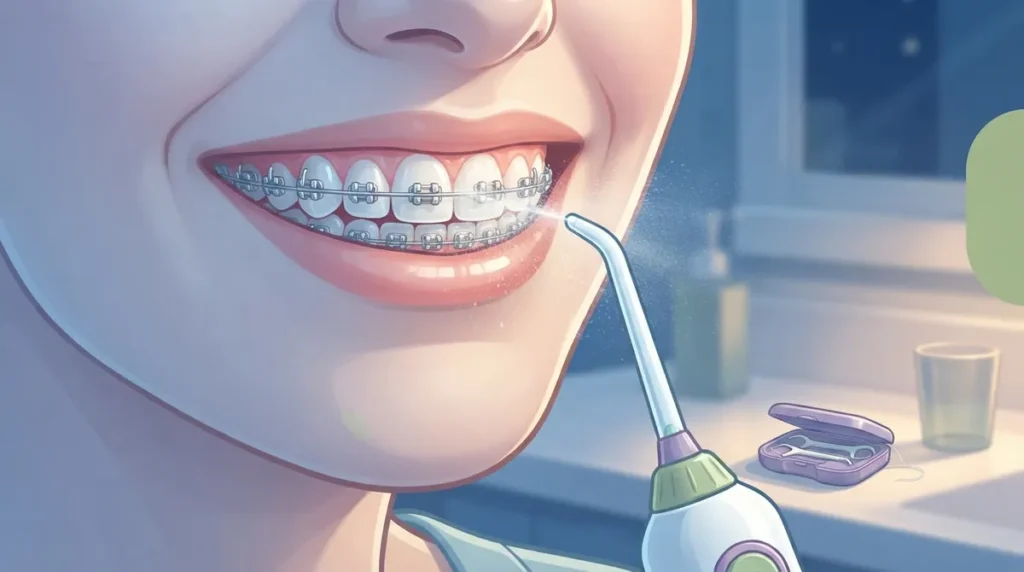
Water flossers, like a Waterpik, use a steady stream of water to blast away food particles and plaque around brackets and wires. Many patients find these easier and faster than threading floss under every single wire section. Water flossers are especially popular among busy professionals and teens who want a quick, effective solution without added hassle.
Interproximal Brushes
Also called proxy brushes, these small brushes look like tiny pipe cleaners. They’re great for loosening food stuck between brackets and wires before you floss, and they can reach spots that floss sometimes misses.
Orthodontic Floss
Some floss brands make products specifically designed for braces, with a stiffer end that can be pushed under the wire without a separate threader. This can save time if you’re flossing on the go.
Here’s a simple comparison to help you decide which tool fits your lifestyle best:
| Tool | Best For | Time Needed | Ease of Use |
|---|---|---|---|
| Floss Threader | Thorough cleaning between every tooth | 5-10 minutes | Moderate, requires practice |
| Water Flosser | Busy schedules, sensitive gums | 2-3 minutes | Easy, minimal learning curve |
| Interproximal Brush | Loosening food before flossing | 1-2 minutes | Very easy |
| Orthodontic Floss | Quick daily maintenance | 3-5 minutes | Easy once threaded |
Step-by-Step: How to Floss With Braces Using a Threader
If you’re new to using a floss threader, don’t worry — it becomes second nature after a few tries. Follow these steps for a clean, thorough flossing session:
- Cut about 18 inches of floss and thread one end through the loop of the threader.
- Gently guide the pointed end of the threader under the archwire between two teeth.
- Pull the floss through until it sits snugly between your teeth.
- Slide the floss up and down the side of one tooth, curving it slightly to hug the tooth’s shape.
- Move to the neighboring tooth and repeat the up-and-down motion.
- Gently slide the floss beneath the gumline until you hear or feel a light squeaky clean sound.
- Carefully remove the floss and repeat the process for every space between your teeth.
It sounds like a lot of steps, but once you build the habit, it only takes a few extra minutes compared to flossing without braces. Many of our patients at Segovia Orthodontics say it becomes almost automatic within two to three weeks.
Using a Water Flosser: A Faster Alternative
Water flossers have become a favorite among our patients, especially teens juggling sports and homework, or professionals with jam-packed calendars. Here’s how to get the most out of one:
- Fill the reservoir with lukewarm water for comfort.
- Start on the lowest pressure setting if you’re new to water flossing.
- Lean over the sink and aim the tip at a 90-degree angle to your gumline.
- Trace along the gumline and around each bracket, pausing briefly at each space between teeth.
- Work your way around your entire mouth, front and back.
Water flossers are gentle enough that they won’t pop a wire or loosen a bracket, which makes them a safe option for nervous flossers or anyone worried about disturbing their hardware. If you’re curious about how different treatment options affect your daily routine, check out our comparison guide on braces vs. clear aligners.
Common Flossing Concerns With Braces
Is Bleeding Normal?
A little bleeding when you first start flossing with braces is completely normal. It usually means your gums are slightly inflamed from plaque buildup or simply aren’t used to the extra attention. Stick with gentle, consistent flossing, and the bleeding should ease up within a week or two.
Can Flossing Damage My Braces?
When done carefully, flossing won’t harm your brackets or pop your wire. The key is to be gentle and patient rather than yanking the floss through quickly. If you’re ever unsure, our team is happy to demonstrate proper technique at your next visit.
Do I Really Need to Floss Every Single Tooth?
Yes! Skipping teeth, especially the back molars, leaves plaque behind in spots that are already hard to reach. Consistency really is everything when it comes to protecting your smile during treatment.
Special Tips for Different Types of Braces
Depending on which orthodontic treatment you’re using, your flossing routine might look slightly different.
Traditional Metal and Clear Braces
These require a threader or orthodontic floss to get under the wire. Patients with WildSmiles Braces or LightForce Orthodontics brackets can use the same basic technique, though LightForce’s custom-fitted design often makes brushing and flossing a bit smoother since brackets are precisely shaped to each tooth.
Clear Aligners
If you’re using clear aligners or Angel Aligners, flossing is actually much simpler since there’s no wire in the way. Just remove your trays, floss normally, and pop them back in. This is one reason many young professionals and life event planners prefer aligners before big milestones like weddings or graduations.
Building a Flossing Routine That Actually Sticks
Consistency is everything, and building a habit doesn’t have to feel overwhelming. Here are a few friendly reminders to help you stay on track:
- Keep floss threaders or a water flosser in plain sight, like on your bathroom counter.
- Set a nightly reminder on your phone until flossing becomes automatic.
- Pack travel-sized floss picks for braces in your bag or car for on-the-go touch-ups.
- Reward yourself (and your kids) with small incentives for sticking to the routine each week.
- Bring questions to your regular checkups so our team can adjust your technique if needed.
For parents managing a busy household, this routine can easily become a shared family activity. Many of our patients’ families floss together each night, turning it into a bonding moment rather than a battle.
When to Reach Out to Your Orthodontist
If you notice persistent bleeding, a loose bracket, or a wire that’s poking your cheek, don’t wait it out. These situations are easy to fix with a quick visit. Learn more about handling issues on our orthodontic emergency page, or simply give us a call.
According to the American Board of Orthodontics, consistent oral hygiene during treatment leads to better outcomes and shorter overall treatment times. That’s one more reason to stay diligent with your daily flossing routine.
Why Choose Segovia Orthodontics for Your Treatment Journey
At Segovia Orthodontics in Lakewood Ranch, Dr. Flor Segovia and our team are passionate about making orthodontic care comfortable, effective, and even a little fun. We offer multiple types of braces and aligner options to fit every lifestyle, from busy teens to career-focused adults. We also provide bilingual support in English and Spanish, so every family feels welcome and understood.
You can see what our patients are saying by checking out our Facebook page or following along on our Instagram page for smile transformations and helpful tips. You can also visit us on Google — Segovia Orthodontics to read reviews from real patients in our community.
Final Thoughts on Flossing With Braces
Flossing with braces doesn’t have to feel intimidating once you have the right tools and a consistent routine. Whether you choose a floss threader, a water flosser, or interproximal brushes, the goal is simple: keep plaque away and protect your smile every single day. A few minutes each night now means a healthier, brighter smile once your treatment is complete.
If you have questions about your flossing routine or want personalized tips based on your treatment plan, our friendly team is here to help. Feel free to contact us anytime, or request an appointment to see how we can support your smile journey. You can also call us at 941-557-1333 to speak with our team directly. We can’t wait to help you keep your smile healthy, happy, and on track!
FAQs
Q: How do you floss with braces without a threader?
A: You can use orthodontic floss with a stiffened end that slides under the wire without needing a separate threader. Water flossers are another great no-threader option, and they’re often faster too. Either way, you’ll still get that squeaky-clean feeling once you find your groove!
Q: Can I use a water flosser instead of regular floss with braces?
A: Absolutely, water flossers are a wonderful alternative and won’t risk popping a wire or loosening a bracket. Many of our patients love how quick and gentle they are, especially on busy mornings. Just remember to still floss thoroughly at least once a day for the best results.
Q: Is it normal to bleed when flossing with braces?
A: Yes, a little bleeding at first is totally normal, especially if your gums are slightly inflamed. Keep flossing gently and consistently, and you should notice the bleeding fade within a week or two. If it continues, just give our team a call so we can take a look.
Q: How often should I floss if I have braces?
A: Once a day is the sweet spot, ideally right before bed so your teeth stay clean overnight. Pair that with brushing twice a day for the healthiest, happiest smile during treatment. Consistency really is the secret ingredient here!
Q: Do I need to floss every tooth with braces?
A: Yes, every single tooth deserves some floss love, including those tricky back molars. Skipping spots just gives plaque a cozy place to hide and grow. A few extra minutes each night keeps your whole smile protected.
Our Service Area