Key Takeaways
-
Brush after every meal or snack and before bed (3-5 times daily for at least 2 minutes each) to prevent cavities, white spots, and gum disease caused by food particles hiding in braces.
-
Poor braces hygiene can actually slow down treatment—orthodontists may pause adjustments if gums are inflamed or decay appears, potentially adding months to your treatment time.
-
Use a floss threader with 35-40cm of floss daily or switch to a water flosser to clean behind wires, and supplement with interdental brushes to reach spots regular brushing cannot access.
-
Avoid sugary and acidic drinks (soda, sports drinks, juice) and sticky foods (caramel, gum) as they dissolve enamel and create cavities around brackets even with perfect brushing habits.
-
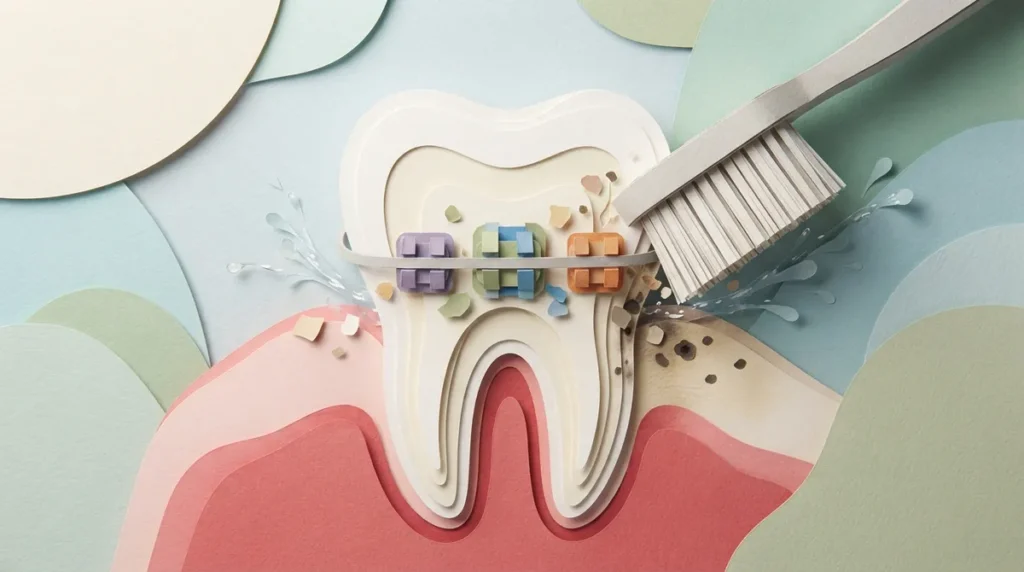
Hold your toothbrush at a 45-degree angle and use gentle circular motions to clean above, below, and around each bracket rather than aggressive scrubbing to protect gums and brackets.
-
Schedule professional dental cleanings every six months during treatment to remove tartar buildup, spot early decay, and keep gums healthy enough for optimal tooth movement.
Getting braces is exciting. You’re on your way to a smile you’ll love showing off. But here’s something we tell every patient at our Lakewood Ranch office: braces hygiene is the secret ingredient that makes or breaks your treatment. Skip it, and you risk cavities, stained teeth, or even longer treatment time. Nail it, and you’ll walk out with a healthy, beautiful smile that was worth every bit of effort.
Whether you’re a busy mom managing your kid’s brushing habits, a young professional wearing clear aligners, or an adult finally fixing that relapse from years ago, good braces hygiene looks a little different for everyone. But the core rules stay the same. In this guide, we’ll walk you through exactly how to keep your teeth and braces squeaky clean, why it matters so much, and some simple tricks that make the whole process easier. Let’s get into it.

What Makes Braces Hygiene So Tricky
Braces do amazing work moving your teeth into place. But brackets, wires, and bands also create tiny nooks where food particles and plaque love to hide. Regular brushing just isn’t enough to reach all those spots.
Think of your braces like a jungle gym for bacteria. Without extra care, plaque builds up around brackets and along the gumline. This can lead to white spots, cavities, or swollen gums. That’s why understanding your braces and how to care for them is just as important as showing up for your appointments.
Why This Matters for Long-Term Results
Poor hygiene doesn’t just cause temporary problems. It can actually slow down your treatment. Orthodontists sometimes have to pause adjustments if gums are inflamed or if decay shows up. Nobody wants extra months in braces because of preventable issues.
How Often Should You Brush With Braces?
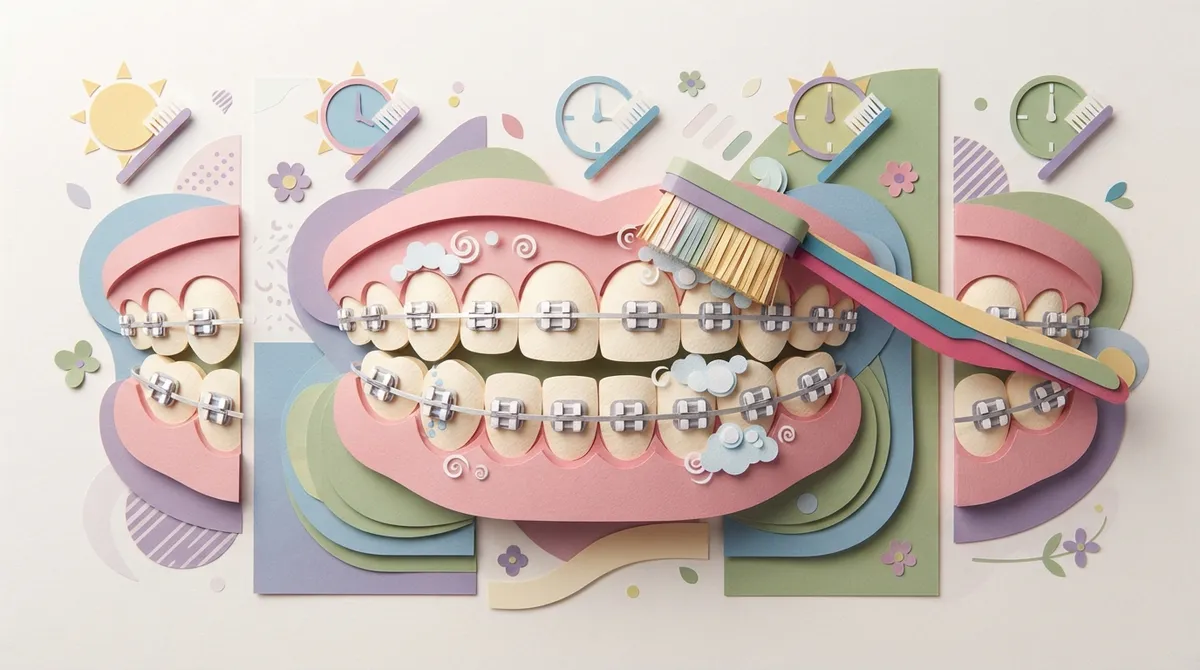
Here’s the golden rule: brush after every meal or snack, and always before bed. That usually adds up to three to five times a day, depending on your eating habits and your orthodontist’s advice.
- Brush first thing in the morning to remove overnight bacteria buildup.
- Brush after breakfast to clear away food debris before heading to school or work.
- Brush after lunch, even if it’s just a quick two-minute session in a restroom.
- Brush after dinner to remove the day’s remaining food particles.
- Brush again before bed for a fresh start each night.
Each session should last at least two minutes. Yes, that might feel like a lot at first. But once it becomes a habit, it’s no different than checking your phone throughout the day.
The Right Brushing Technique for Braces
Technique matters just as much as frequency. Here’s how to do it right:
- Hold your toothbrush at a 45-degree angle toward your gumline and brackets.
- Use small, gentle circular motions rather than aggressive scrubbing.
- Clean above each bracket, then below it, angling the brush both ways.
- Brush the chewing surfaces and the backs of your teeth too.
- Finish with a gentle brush over your tongue to reduce bacteria.
An electric toothbrush designed for braces can make this process easier and more effective, removing more plaque with less scrubbing effort. If you’re unsure which type works best for your treatment, feel free to contact us and we’ll point you in the right direction.
Flossing With Braces: Yes, It’s Still Necessary
We know what you’re thinking. Flossing already feels like a chore, and now you have wires in the way. But daily flossing is non-negotiable for braces hygiene.
How to Floss With a Threader
- Cut about 35 to 40 centimeters of floss for easier handling.
- Thread the floss through a floss threader, then guide it behind the wire.
- Gently slide the floss between two teeth.
- Curve it into a “C” shape around each tooth to clean below the gumline.
- Move to the next section of wire and repeat around your whole mouth.
If threading floss every night sounds exhausting, a water flosser is a fantastic shortcut. It uses a stream of water to blast away debris around brackets and wires, making the whole process faster and less frustrating.
Don’t Forget Interdental Brushes
Interdental brushes, sometimes called ProxaBrushes, are small brushes shaped like tiny bottle brushes. They slide between brackets and under wires to clean spots your toothbrush simply can’t reach. Keep a few in your bag, car, or desk drawer for quick touch-ups after meals.
Foods and Drinks That Sabotage Braces Hygiene
What you eat and drink plays a huge role in how well your braces hygiene routine actually works. Even the best brushing habits can’t undo constant sugar exposure.
| Category | Avoid | Better Choices |
|---|---|---|
| Drinks | Soda, sports drinks, energy drinks, fruit juice | Tap water, milk |
| Sticky Foods | Caramel, taffy, gum | Soft fruits, yogurt |
| Hard Foods | Ice, hard candy, nuts | Cooked vegetables, pasta |
| Sugary Snacks | Cookies, candy bars | Cheese, smoothies without added sugar |
Sugary and acidic drinks are especially harmful because they dissolve enamel over time. This creates the perfect environment for cavities to form around your brackets. If you’re curious about a full breakdown of what to eat and avoid, check out our guide on foods to avoid with braces.
The Role of Mouthwash in Your Routine
Mouthwash isn’t just a bonus step. It reaches places your toothbrush and floss can miss, especially around inflamed gum tissue near brackets.
- Choose an antimicrobial or fluoride mouthwash recommended by your orthodontist.
- Swish for at least 30 seconds to give it time to work.
- Use it once daily, ideally after your nighttime brushing and flossing routine.
- Avoid alcohol-based mouthwashes if you have sensitive gums, since they can cause irritation.
This simple step helps reduce inflammation and kills bacteria that brushing alone might leave behind.
Braces Hygiene Tips for Every Type of Patient
For Parents Managing Kids’ Braces
Getting kids excited about brushing can feel like an uphill battle. That’s where fun options like WildSmiles Braces come in handy. These braces feature playful shapes like stars, hearts, and even Mickey Mouse designs. When kids love how their braces look, they’re more motivated to brush carefully and keep those shapes visible and clean.
As a bonus, WildSmiles brackets are designed to reduce plaque buildup directly on the tooth surface. If your child can clearly see the bracket shape after brushing, that’s a great sign they’re doing a thorough job.
For Young Professionals With Clear Aligners
If you’re wearing clear aligners or Angel Aligners, hygiene actually gets a bit simpler since you can remove the trays. Still, you’ll want to brush after every meal before popping your aligners back in. Trapping food particles against your teeth for hours is a fast track to cavities.
For Adults Returning to Treatment
If you’re one of many adults correcting a relapse, you already know how valuable a straight smile is. Staying committed to hygiene this time around protects your investment and keeps your results looking great for years to come.
Advanced Technology That Supports Better Hygiene
Modern orthodontic care isn’t just about wires and brackets anymore. Advanced orthodontic technology, like LightForce Orthodontics, uses custom 3D-printed brackets designed to fit your teeth precisely. This snug fit means fewer food traps and easier cleaning compared to generic, one-size-fits-all brackets.
Dr. Flor Segovia, a board-certified orthodontist, stays current on these innovations so patients get both a faster treatment timeline and a more comfortable, hygiene-friendly experience. You can learn more about her approach on our meet Dr. Segovia page.
How Professional Cleanings Fit Into the Picture
Even with a perfect home routine, professional cleanings are still essential. Most orthodontists recommend visiting your dentist every six months, though some patients may need more frequent visits during treatment.
- Professional cleanings remove hardened plaque, called tartar, that brushing can’t touch.
- Your dentist can spot early signs of decay before they become bigger problems.
- Regular visits keep your gums healthy, which supports faster tooth movement.
- Cleanings give you a chance to ask questions about your specific hygiene challenges.
Pairing these visits with your regular orthodontic checkups creates a strong safety net for your smile.
Signs Your Braces Hygiene Routine Needs Improvement
Sometimes it’s hard to know if you’re doing enough. Watch for these warning signs:
- White or discolored spots appearing near your brackets.
- Gums that bleed easily or look swollen and red.
- Persistent bad breath despite regular brushing.
- Food visibly stuck around brackets hours after eating.
- Increased tooth sensitivity to hot or cold foods.
If you notice any of these, it might be time to adjust your routine or reach out to your orthodontist for guidance. You can always request an appointment if something feels off.
Building a Braces Hygiene Routine That Sticks
Consistency beats perfection every time. Here’s a simple daily framework to follow:
- Morning: Brush thoroughly and check your retainer or aligner if applicable.
- After breakfast: Quick brush or rinse if you’re short on time.
- After lunch: Brush or use an interdental brush at minimum.
- After dinner: Full brushing and flossing session with a threader or water flosser.
- Before bed: Mouthwash rinse to finish strong.
Sticking to this rhythm, even on busy days, protects your smile and keeps your treatment on track. For families juggling school schedules and after-work appointments, we know flexibility matters. That’s part of why we built our practice around convenience for the whole Lakewood Ranch community.
We’re proud to be a trusted part of this community, and we’d love for you to visit us on Google — Segovia Orthodontics to see what other patients and parents are saying about their experience with us. You can also catch smile transformations and hygiene tips on our Facebook page and our Instagram page.
Why Choosing the Right Orthodontic Partner Matters
Good hygiene habits start with good guidance. That’s why finding a practice that explains things clearly, in a way that fits your life, makes such a difference. Whether you’re exploring types of braces for your teen or considering adult orthodontics for yourself, having a supportive team behind you makes hygiene feel manageable instead of overwhelming.
Organizations like the American Board of Orthodontics emphasize that patient education and consistent care habits directly impact treatment success. That’s a philosophy we take seriously every single day at our Lakewood Ranch practice.
Your Smile Deserves This Effort
Braces hygiene might feel like a lot of steps at first, but it quickly becomes second nature. Brush often, floss daily, choose smart snacks and drinks, and don’t skip your professional cleanings. Your future smile will thank you.
If you have questions about your hygiene routine, or you’re ready to start your orthodontic journey, our friendly team is here to help. Feel free to request an appointment today, or simply call us at 941-557-1333 to chat with our Lakewood Ranch team. We can’t wait to help you build healthy habits and achieve the smile you’ve always wanted.
FAQs
Q: How often should I brush my teeth with braces?
A: You’ll want to brush at least three to five times a day, including after every meal or snack and before bed. Two minutes per session is the sweet spot for keeping brackets and wires clean without overdoing it.
Q: What is the best toothbrushing technique for braces?
A: Hold your toothbrush at a 45-degree angle toward your gumline and brackets, then use gentle circular motions. Make sure to clean above, below, and around each bracket for a truly thorough clean.
Q: How do I floss with braces using a threader?
A: Cut about 35 to 40 centimeters of floss, thread it through a floss threader, and guide it behind your wire. Curve the floss into a C shape around each tooth to clean below the gumline effectively.
Q: What drinks should I avoid while wearing braces?
A: Steer clear of soda, sports drinks, energy drinks, and fruit juices since they dissolve enamel and encourage cavities. Stick to tap water and milk as your go-to safe choices during treatment.
Q: Can I use an electric toothbrush with braces?
A: Absolutely! Electric toothbrushes designed for braces can remove more plaque with less scrubbing effort, making your daily routine easier and more effective around brackets and wires.
Our Service Area