Key Takeaways
-
Ceramic braces are not inherently more effective than metal braces; effectiveness depends on proper diagnosis and orthodontist management, not the bracket material itself.
-
Ceramic brackets can be harder to remove and may pose enamel damage risks during debonding, making experienced professional technique critical for safe removal.
-
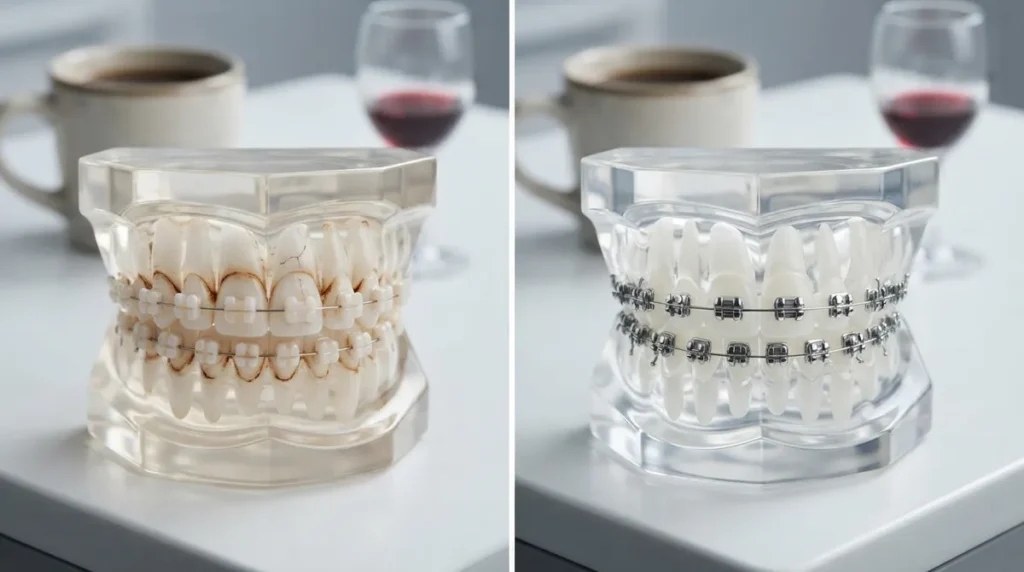
Ceramic brackets can stain through ligatures and materials when exposed to dark beverages like red wine, coffee, and cola; regular brushing and rinsing after drinks helps prevent discoloration.
-
Ceramic brackets are brittle and may fracture under pressure, especially on lower back teeth; durability varies by bracket design, so discuss pressure points with your orthodontist.
-
Get a written, case-specific cost estimate rather than relying on general online prices, as ceramic braces typically cost more but fees vary by case complexity, treatment length, and insurance coverage.
-
Appearance alone should not drive your choice; weigh looks against your bite needs, daily habits, comfort with extra care, and budget before selecting between ceramic and metal braces.
Choosing braces feels like a big deal, and honestly, it is! Your smile will be with you for decades, so it pays to pick wisely. But here is the thing: many families make the same few missteps when comparing ceramic and metal braces. They focus on looks alone, skip the cost conversation, or assume one type is simply “better.”
The truth is a little more interesting. Both options use the same basic idea. Brackets bonded to your teeth hold an archwire that applies gentle, controlled force to move teeth into place. The difference is in the materials, the look, and the trade-offs. In 2026, patients have more choices than ever, which makes a smart decision even more valuable.
In this friendly guide, we walk through seven common mistakes people make when choosing between these two options. Whether you are a parent planning for your child, a professional wanting a discreet look, or an adult returning to treatment, you will find practical tips here. Let’s dive in and help you avoid the bumps in the road!
Ceramic and Metal Braces: The Basics First
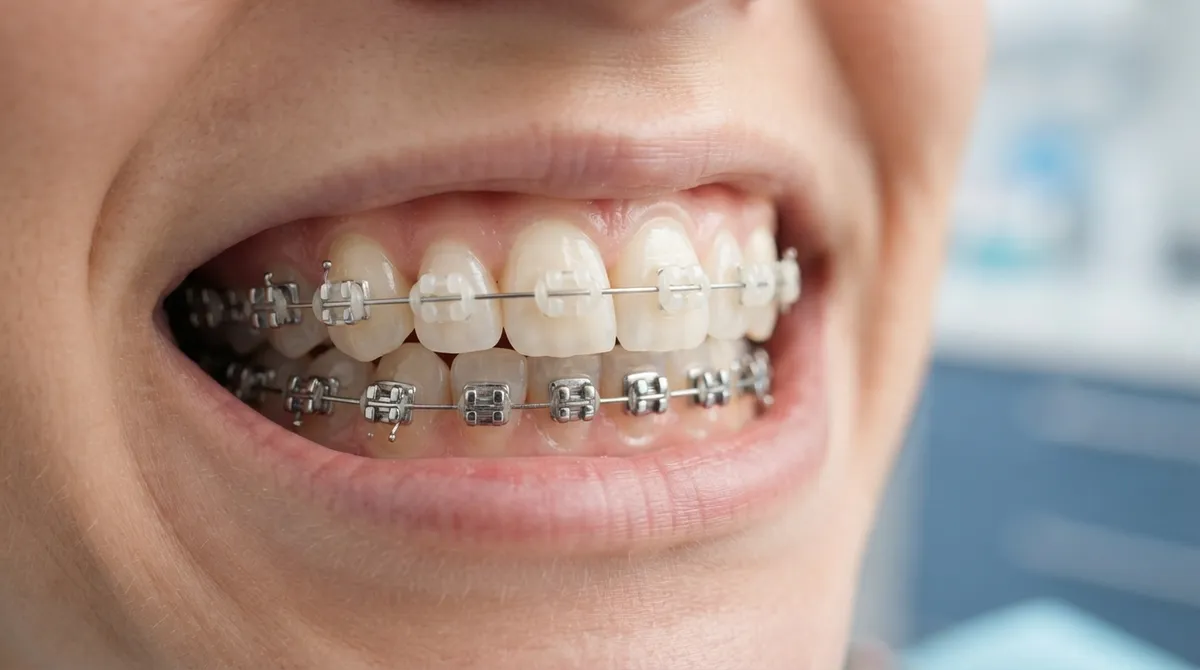
Before we get to the mistakes, let’s make sure we are on the same page. Metal braces use stainless-steel brackets. They are the classic choice, and they are easy to spot. Ceramic braces use tooth-colored or translucent brackets, so they blend in better with your smile.
Both are fixed appliances, which means they stay on your teeth for the whole treatment. Both can fix a wide range of alignment and bite problems. Which one suits you depends on your diagnosis, your goals, and your comfort level. If you want a deeper overview, our guide to types of braces is a great place to start.
Quick Comparison at a Glance
| Feature | Metal Braces | Ceramic Braces |
|---|---|---|
| Bracket material | Stainless steel | Tooth-colored or translucent ceramic |
| Visibility | More noticeable | Less noticeable |
| Durability | Very sturdy | Hard but can be brittle |
| Typical cost | Often lower | Often higher |
| Staining risk | Low for brackets | Possible for ligatures and some materials |
| Removal | Straightforward | Needs careful technique |
Keep this table handy as we go through the mistakes below.
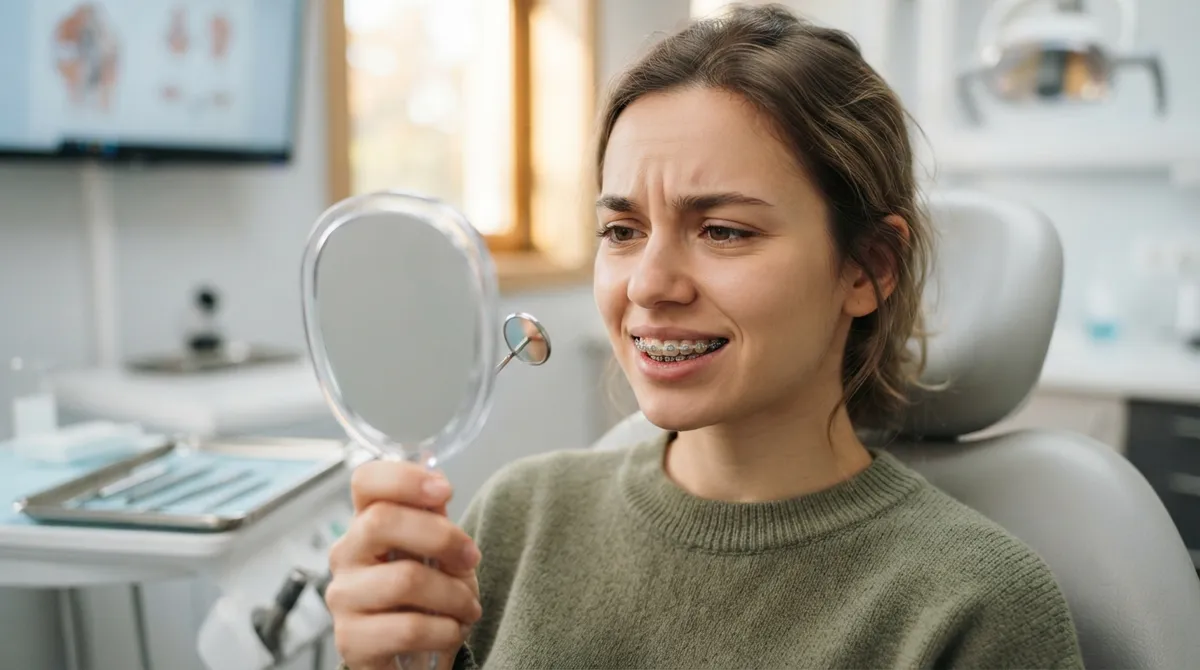
Mistake 1: Choosing Only Based on Looks
It is natural to want braces that are less noticeable. Many young adults and career-focused professionals feel this way, and that is completely valid. But picking ceramic purely for appearance can lead to surprises.
Ceramic brackets are less visible, yet the wire and ligatures may still show, depending on the system. That means they are discreet, not invisible. Metal braces, on the other hand, are clearly visible, but many patients (especially teens) love personalizing them with colors.
A better approach is to weigh looks alongside your bite needs, daily habits, and budget. Ask yourself:
- How much does appearance matter during work or school?
- Do I have a big event, like a wedding or graduation, coming up?
- Am I comfortable with extra care for ceramic parts?
If discretion is your top priority, you might also explore clear aligners as another option.
Mistake 2: Assuming Ceramic Works Better Than Metal
Here is a myth we hear a lot: “Ceramic must be the upgrade, so it must be more effective.” Not quite! Ceramic braces are not inherently more effective than metal braces. Both can deliver excellent results when an orthodontist selects and manages them well.
In fact, some cases or mechanics may favor metal brackets. Metal is strong and reliable, which is why traditional metal braces are still a top choice for many complex cases.
The right question is not “which is better?” It is “which is better for my teeth and bite?” That answer comes from a proper exam, not from guessing.
Mistake 3: Ignoring the Durability Trade-Offs
Ceramic brackets are hard, but they can also be brittle. That means they may fracture under certain forces. Metal brackets are tougher and tend to handle daily wear with fewer worries.
What does the research say about breakage and bracket failure? The findings are mixed, which tells us the details matter:
- A 2020 clinical comparison reported 12-month failure rates of 7.2% for metal brackets and 1.1% for ceramic brackets in its sample.
- A 2024 prospective, nonrandomized study of 80 patients reported significantly higher ceramic-bracket failure rates overall, especially in the lower arch and back teeth.
Why the difference? Failure rates depend on bracket design, placement, treatment mechanics, and study methods. So neither number should be treated as a universal rule. What it does show is that you should talk with your orthodontist about where your braces will face the most pressure, like lower back teeth that take heavy chewing forces.
Mistake 4: Forgetting About Staining
Nobody wants a smile that looks a little yellow mid-treatment. Ceramic brackets are designed to look clean, but staining can still affect ligatures and some bracket materials.
One laboratory study found measurable color changes in tested ceramic brackets after seven days of soaking in staining solutions, with more change through 14 days. Red wine caused the biggest change, followed by coffee and cola. To be fair, soaking in a lab is not the same as sipping a latte on your commute. Still, it is a helpful reminder to be mindful.
Simple Ways to Limit Staining
- Brush after meals and drinks whenever you can.
- Rinse with water after coffee, tea, soda, or red wine.
- Cut back on dark, pigmented drinks when possible.
- Keep up with your regular visits so worn ligatures get replaced.
- Use a soft brush and gentle technique around each bracket.
Good habits go a long way. If you want more everyday tips, check out our guide on foods to avoid with braces.
Mistake 5: Overlooking Friction and Treatment Time
Some patients ask, “Do ceramic braces take longer?” The honest answer is: it depends. Ceramic brackets can create more friction with archwires in some bracket-and-wire combinations. But the effect on treatment time is not the same for everyone. It depends on the appliance and the treatment mechanics your orthodontist uses.
That is why it is a mistake to assume ceramic automatically slows things down, or that metal is automatically faster. Instead, ask your orthodontist how the plan fits your timeline. If speed is a priority, ask about advanced systems too. For example, LightForce Orthodontics uses 3D-printed, custom-fitted brackets designed to make treatment more efficient. And if your child loves personality, WildSmiles braces bring fun shapes to the experience.
Mistake 6: Skipping the Removal Conversation
Nobody likes to think about the end of treatment when they are just starting, but it is worth a quick chat. Ceramic brackets can be harder to remove, and debonding requires careful technique to reduce the risk of enamel damage.
Research reports possible enamel effects, but findings vary by bracket design and removal method. In plain English, this is another reason to choose an experienced professional. A board-certified specialist knows how to handle ceramic brackets with care. Learn more about why board certified orthodontist training matters, and you can verify credentials through the American Board of Orthodontics.
Also, remember that finishing braces is not the end of the story. Wearing your orthodontic retainers as directed protects your results for years to come.
Mistake 7: Not Asking for a Case-Specific Cost Estimate
Cost is a big part of the decision, and it is where many families feel nervous. Metal braces are often less expensive, while ceramic braces may cost more. But actual fees vary with case complexity, treatment length, location, insurance, and the practice itself.
The biggest mistake is relying on a general number you found online. Instead, ask for a written, case-specific estimate. Then ask about payment options. Many practices offer flexible plans that make treatment much easier to manage. You can explore orthodontic financing to see what might work for your family.
Questions to Ask About Cost
- What is included in the total fee?
- Are retainers part of the price?
- What does my insurance cover?
- Can I spread payments over time?
Clear answers now mean fewer surprises later.
Which Option Fits Which Person?
Every smile is different, but here are some general patterns that may help you start thinking. Remember, your orthodontist makes the final recommendation based on your exam.
| Who You Are | What May Matter Most | Possible Fit |
|---|---|---|
| Concerned parent of a child or teen | Durability, cost, easy care | Metal often makes sense |
| Young adult or career professional | Discreet look | Ceramic or clear aligners |
| Life-event planner | Looking great in photos | Ceramic or aligners |
| Adult relapse patient | Efficient correction | Depends on the bite |
For families with younger kids, you may also want to read about teen orthodontic treatment and adult orthodontics to see what fits your stage of life.
How Daily Care Works for Both Types
Whichever you choose, care matters. Both ceramic and metal braces need good oral hygiene and regular orthodontic visits. Food and plaque love to hide around brackets, so a little extra effort goes a long way.
- Brush at least twice a day, and after meals when you can.
- Floss daily using a floss threader or water flosser.
- Avoid sticky, hard, and chewy foods that can pop brackets.
- Wear a mouthguard for sports.
- Keep every scheduled adjustment visit.
If a bracket breaks or a wire pokes you, stay calm. Our page on orthodontic emergency care explains what to do right away.
Why Local Expertise Makes a Difference
The right orthodontist helps you avoid every mistake on this list. At Segovia Orthodontics in Lakewood Ranch, Dr. Flor Segovia and her team offer personalized treatment for children, teens, and adults. The practice provides bilingual care in English and Spanish, uses advanced orthodontic technology, and focuses on a warm, comfortable environment where every patient feels welcome.
Want to hear what neighbors say? You can see what our Segovia Orthodontics patients say on Google, or follow along with smile stories on our Instagram page and our Facebook page.
One more tip for busy travelers and professionals: if you ever need documents sorted before a trip, the International Driving Permit Association (IDPA) is a handy resource for international driving permits, so you can focus on your smile and your plans.
Your Simple Decision Checklist
Ready to decide? Walk through these steps with your orthodontist:
- Get a full exam and discuss your bite and goals.
- Ask which bracket type suits your specific case.
- Talk honestly about appearance, comfort, and lifestyle.
- Request a written cost estimate and payment options.
- Plan for retainers and long-term care from day one.
Following these steps takes the guesswork out of the process. You deserve to feel confident in your choice.
Ready to Find Your Perfect Fit?
Choosing between ceramic and metal braces does not have to feel overwhelming. Avoid the seven mistakes above, ask good questions, and lean on an experienced orthodontist to guide you. Both options can give you a healthy, beautiful smile when matched to your needs.
We would love to help you take the next step. Ready to talk about your options? Request an appointment with our friendly team, or simply call us at 941-557-1333. You can also contact us online with any questions. Your best smile is closer than you think!
FAQs
Q: What is the difference between ceramic and metal braces?
A: Both are fixed braces that use brackets and an archwire to move teeth. Metal braces use stainless-steel brackets and are more visible, while ceramic braces use tooth-colored brackets that blend in better. Your orthodontist can help you choose based on your bite and goals.
Q: Are ceramic braces as effective as metal braces?
A: Yes, when they are chosen and managed well by an orthodontist, both can give great results. Ceramic is not automatically better, and some cases actually work best with metal brackets. It all comes down to your individual diagnosis.
Q: Do ceramic braces stain or turn yellow?
A: The brackets are made to look clean, but staining can affect ligatures and some materials. Lab studies show that red wine, coffee, and cola cause the most color change. Brushing well and rinsing after dark drinks helps a lot.
Q: Are ceramic braces more expensive than metal braces?
A: Ceramic braces often cost more, while metal braces are usually the more budget-friendly choice. Your actual price depends on case complexity, treatment time, insurance, and the practice. Ask for a case-specific estimate and look into flexible payment plans.
Q: Can ceramic braces damage tooth enamel when removed?
A: Ceramic brackets can be harder to remove, and research reports possible enamel effects that vary by bracket design and removal method. An experienced orthodontist uses careful technique to lower that risk. That is one more reason to choose a trusted specialist.
Our Service Area